

Main Facts
The cultural explosion of GLP-1 receptor agonists—such as Wegovy, Ozempic, and Mounjaro—has transformed modern medicine, offering unprecedented weight-loss results for millions. However, this pharmaceutical revolution has birthed a hidden, deeply anxious subculture: patients who go to extreme lengths to conceal their medication use from the people closest to them.
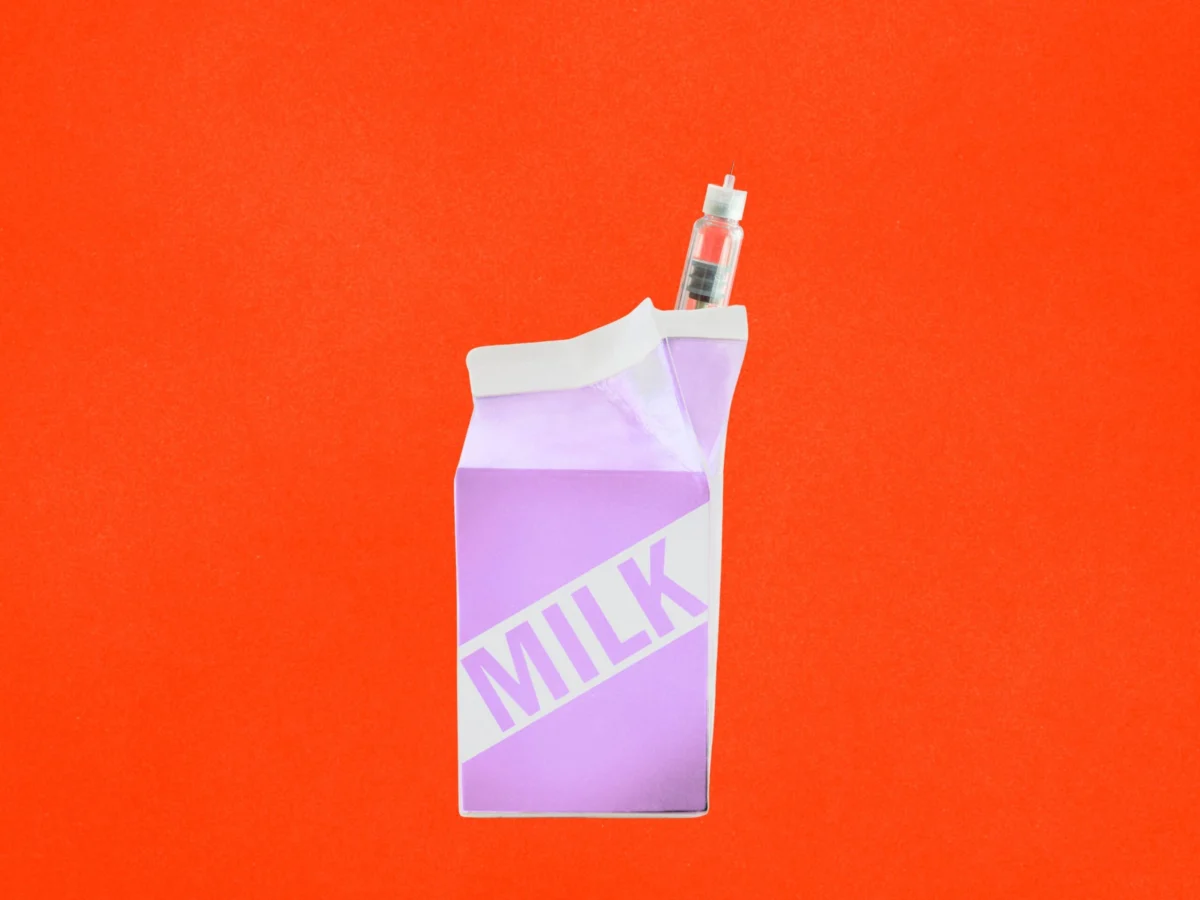
From hiding auto-injector pens in tomato paste boxes, children’s play kitchens, and wine cartons in shared refrigerators, to bypassing primary care physicians altogether via telehealth platforms, a growing number of individuals—predominantly women—are navigating their health journeys in total secrecy. What began as a tool for physical transformation has, for some, become an isolating exercise in deception, driven by the fear of spousal judgment, societal stigma, and medical friction.
Chronology: Caroline’s Story
To understand the mechanics of this secrecy, one need only look at Caroline, a 34-year-old living in Montreal whose experience mirrors that of countless others navigating the complex intersection of body image, modern medicine, and relationships.
Phase One: The Open Journey and Rapid Results
The first time Caroline started on Wegovy, she was entirely transparent. She informed her boyfriend, her mother, and her close friends. At five feet four inches tall and weighing 130 pounds, she did not meet traditional clinical definitions of obesity, and she doubted a primary care physician would authorize a prescription.
Undeterred, she turned to the internet, securing a prescription over the phone through a telehealth provider without the prescribing physician ever knowing her actual weight. Within six months, the weight vanished. She shed 30 pounds, returning to what she considers her "healthy original weight" of 100 pounds. While she celebrated the physical change, her loved ones grew increasingly alarmed by the rapidness and extent of her weight loss, urging her to stop.
Phase Two: The Relapse and the Decision to Hide
Feeling pressured and believing she had reached her goal, Caroline stopped taking the medication. The biological reality of GLP-1s quickly set in: within just one month, she regained 10 pounds.
"I realized, I can’t stop," Caroline recalls.
For the past six months, she has been back on Wegovy at a maintenance dosage. But this time, everything is different. She is keeping the regimen entirely secret from her boyfriend and family. With discussions of marriage and children now on the table, her partner has witnessed the emotional and physical impacts of the drug firsthand and made it clear he is finished with it. Because Caroline lives alone, concealing the refrigerated medication is manageable, albeit absurdly stressful. When traveling with her boyfriend, she smuggles the pens into hotel room fridges or, more awkwardly, hides them deep inside the refrigerators of her prospective parents-in-law, praying no one stumbles upon them.
Phase Three: The Telehealth Loophole and the Medical Divide
Caroline’s reliance on telehealth platforms like Hers enabled her to bypass her regular physician entirely. She received her prescription after submitting basic bloodwork and reading digital documentation, but received no direct behavioral counseling.
Now, her annual physical is fast approaching. Because she has lost a significant amount of weight, her primary care physician is bound to notice. Furthermore, Caroline is mixing Wegovy with other active prescriptions—specifically Accutane and Ritalin—and lives in fear of dangerous drug interactions. Unable to confess the truth to her doctor, she has resorted to an unconventional coping mechanism: using ChatGPT as a substitute medical advisor to check dosages against her other medications, a practice she readily admits is far from ideal.
Supporting Data and Evidence: The Underground World of Concealment
Caroline’s narrative is far from an isolated incident. Across digital communities, a thriving underground network of advice and camaraderie has emerged around the logistics of hiding medical treatments.
On online forums such as the popular Reddit community r/GLP1microdosing, threads dedicated to hiding medication reveal astonishing ingenuity driven by profound anxiety. Women routinely exchange tactical tips on refrigerator camouflage. Common hiding spots documented by patients include:
- Tomato paste boxes and anchovy paste containers
- Opaque feta cheese tubs and butter stick packaging
- Pretend food containers from children’s play kitchens
- Empty vitamin, probiotic, and supplement bottles (such as Alani Nu)
- Metal water bottles and plastic to-go food containers
- Boxed wine containers and baking soda boxes pushed to the back of the shelf
Medical professionals are witnessing this phenomenon firsthand in their clinics. Dr. Kia Mitchell, a family and obesity medicine physician based in Jacksonville, Florida, notes that the urge to conceal often stems from a fundamental desire for autonomy. Many of her patients experienced a profound loss of control during their weight gain; managing their own weight loss narrative provides a potent sense of empowerment.
"Because now they can reveal it on their own terms. That’s where the control comes back," Dr. Mitchell explains.
However, the motivations behind the secrecy often point to relational fatigue. User testimonials on support forums highlight deep-seated apprehensions about spousal reactions:
- “If my husband found out, it would just be a series of lectures.”
- “Just don’t want to hear any negative or critical opinions. After 52 years of marriage, one knows one’s mate.”
- Even mothers report hiding medications from their teenage children out of fear that the information will trickle back to ex-husbands, simply to avoid endless cross-examinations.
Official Responses and Medical Perspectives
Medical experts hold complex, often conflicting views on the rise of GLP-1 secrecy, balancing the psychological safety of the patient against the clinical risks of unmonitored drug use.
The Clinical Risks of Secrecy
From a physiological standpoint, keeping a partner or primary care doctor in the dark introduces multiple hazards:
- Unplanned Pregnancies: GLP-1 medications can dramatically alter metabolic function and interact with birth control efficacy. Dr. Mitchell notes a rising number of "GLP-1 babies" in her practice conceived unexpectedly by patients whose fertility shifted rapidly during weight loss.
- Side Effect Management: Gastrointestinal and systemic side effects can be severe. Hiding the regimen deprives patients of a crucial caregiving safety net at home when they experience adverse symptoms.
- Heightened Stress: The constant vigilance required to maintain a lie elevates cortisol levels. "When someone is trying to lose weight, we want their stress hormones to be as low as possible," Dr. Mitchell warns. "If you’re trying to hide [medication], we’ll be fighting an uphill battle if you’re stressed about that."
The Telehealth Paradox
The proliferation of digital health companies has democratized access to weight-loss treatments, dismantling traditional gatekeeping. Dr. Craig Primack, head of weight loss at Hers, acknowledges that telemedicine helps eliminate the heavy societal bias and stigma that often prevent patients from speaking to local doctors.
"One benefit of telemedicine is it takes the bias and stigma away," Dr. Primack notes. "One reason we are here is because people are uncomfortable going to talk to their primary care doctor about it."
Dr. Primack is acutely aware that patients conceal these treatments from their romantic partners. He points out that relationship dynamics are deeply intertwined with physical appearance and established personas. When one partner undergoes a rapid physical transformation, underlying insecurities—including spousal jealousy or fears of shifting power dynamics within the relationship—frequently bubble to the surface.
"Your weight and persona set up a dynamic in your couple," Dr. Primack explains. "When you start changing that, sometimes spouses get very jealous—Oh my god, you’re becoming potentially more attractive. Not that weight is directly linked to that, but that’s what I hear them say."
Implications: Navigating Disclosure and the Future of Treatment
The intersection of widespread obesity medications and interpersonal secrecy points to a broader cultural failing: the persistent stigma surrounding body weight, medical intervention, and personal choice.
While medical professionals like Dr. Mitchell emphasize that an ideal health journey involves a transparent, supportive community, they also recognize that absolute honesty requires a foundation of complete trust that may not exist in every relationship.
How to Bridge the Gap: Expert Communication Strategies
For patients struggling with the dilemma of whether and how to disclose their GLP-1 use, clinical psychologists offer structured frameworks to ease the transition out of secrecy. Dr. Rachel Goldman, a clinical assistant professor in the department of psychiatry at NYU Grossman School of Medicine who specializes in weight management and disordered eating, suggests that preparation is key to reducing defensive friction.
- Identify Your "Why": Patients must first ground themselves in their own motivations. Understanding why they started the treatment and what it means for their personal health and well-being builds internal confidence.
- Use "I" Statements: Conversations should center entirely on personal experience and individual needs rather than general debates about the ethics or popularity of weight-loss drugs.
- Anticipate Reactions and Define Goals: Patients should mentally game-plan potential partner reactions. Asking oneself what is truly desired from the significant other—whether it is active support, understanding, or simply space to make independent health decisions without judgment—clarifies the objective of the conversation.
- Accept Incremental Progress: Dr. Goldman reminds patients that a partner’s initial reaction is rarely their final word. Processing new information takes time, especially when working through deeply ingrained cultural biases.
"Ultimately," Dr. Goldman concludes, "the goal isn’t to have a perfect conversation, but it’s to open the door to more honesty, connection, and support over time."
Until societal stigma catches up to modern pharmacology, however, millions of patients will continue weighing the benefits of transparency against the peace of the hiding place—leaving many to wonder whether the hardest part of losing weight is the biology of the body, or the complexity of the relationships surrounding it.
 Nana
Nana
 Ali Ikhwan
 Muslim
