

By Anna Lee
Published November 2026
Main Facts
Art lovers, scholars, and advocates of contemporary Indigenous culture are turning their gaze toward Westchester County, New York, where a major new cultural hub is set to debut. On November 6, Branchline will officially open its doors in Katonah, New York, serving as the permanent home and exhibition space for the prestigious Gochman Family Collection.
The venue represents a monumental step forward for public access to contemporary Native American art. Branchline is designed to showcase highlights from the Gochman family’s extensive trove, which encompasses more than 800 works of contemporary Indigenous and anti-colonial art. Rather than functioning solely as a static white-cube gallery, Branchline is envisioned as a multidisciplinary cultural nexus. The facility will feature rotating, curated exhibitions drawn from its deep holdings, alongside dedicated residential and studio spaces intended to host visiting artists, foster creative production, and encourage dialogue.
The inaugural opening marks the realization of years of careful planning by collectors Becky Gochman and the Gochman Family Collection team, who have spent years assembling what has become one of the most significant private holdings of contemporary Native art in the United States. With the leadership of collection director Laura Phipps—who stepped into the role earlier this year in March—Branchline is poised to become a vital institution bridging the gap between rural artistic sanctuary and the global contemporary art conversation.
Chronology
The journey toward the launch of Branchline has been marked by strategic growth, institutional alignment, and a deepening commitment to amplifying Indigenous voices within the broader contemporary art landscape.
- The Formative Years: Long before the announcement of a permanent physical home in Katonah, the Gochman family steadily built a robust private collection focused on Indigenous, First Nations, and anti-colonial perspectives. Eschewing traditional mainstream collection tropes, the family prioritized works that challenge historical erasure and assert modern Native sovereignty and identity through visual art.
- March 2026: A pivotal leadership transition occurred when Laura Phipps was officially tapped to lead the Gochman Collection of Indigenous Art. Phipps brought a wealth of curatorial experience and institutional expertise to the position, instantly signaling the family’s intention to elevate the collection’s public profile, scholarly engagement, and community outreach.
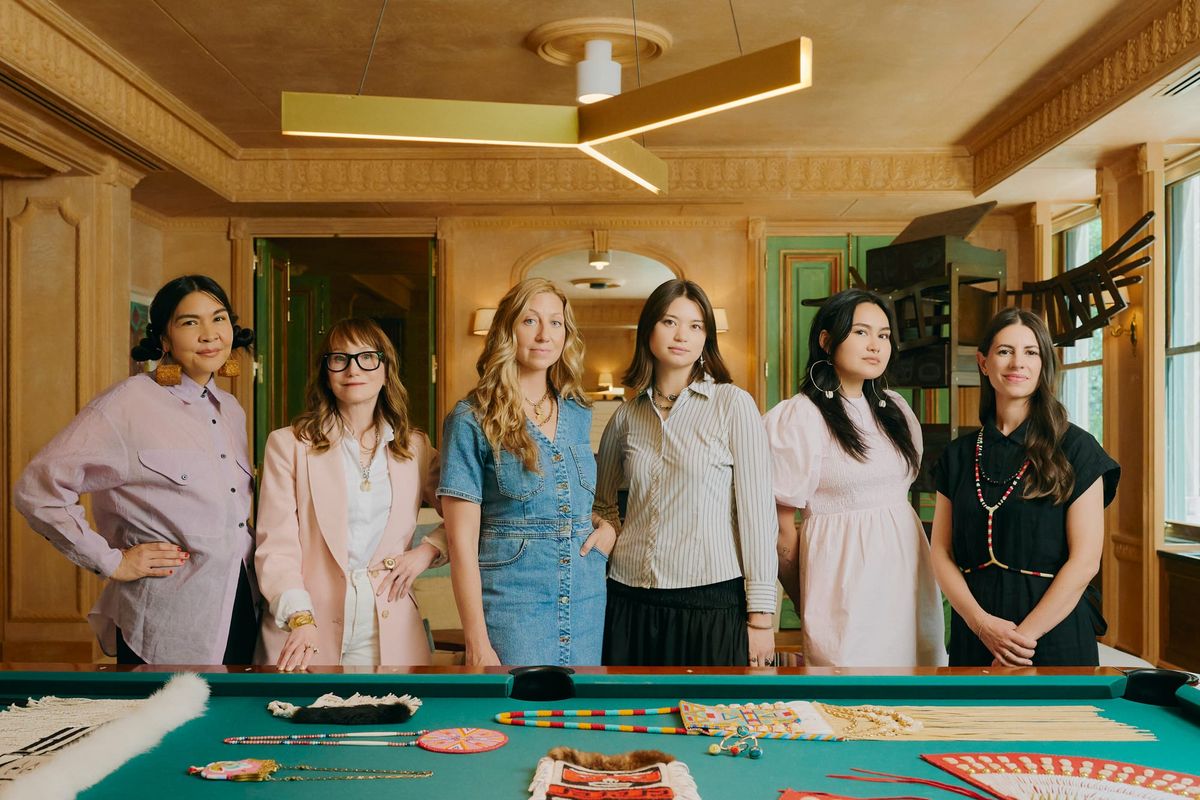
- October 2026: The Gochman Family Collection team—featuring key figures such as Rachel Martin, Becky Gochman, Audrey Lea Collins, Nicole van Brugge, Moonoka Begay, and Laura Phipps—began publicizing details regarding the forthcoming Katonah space, building anticipation for the November debut.
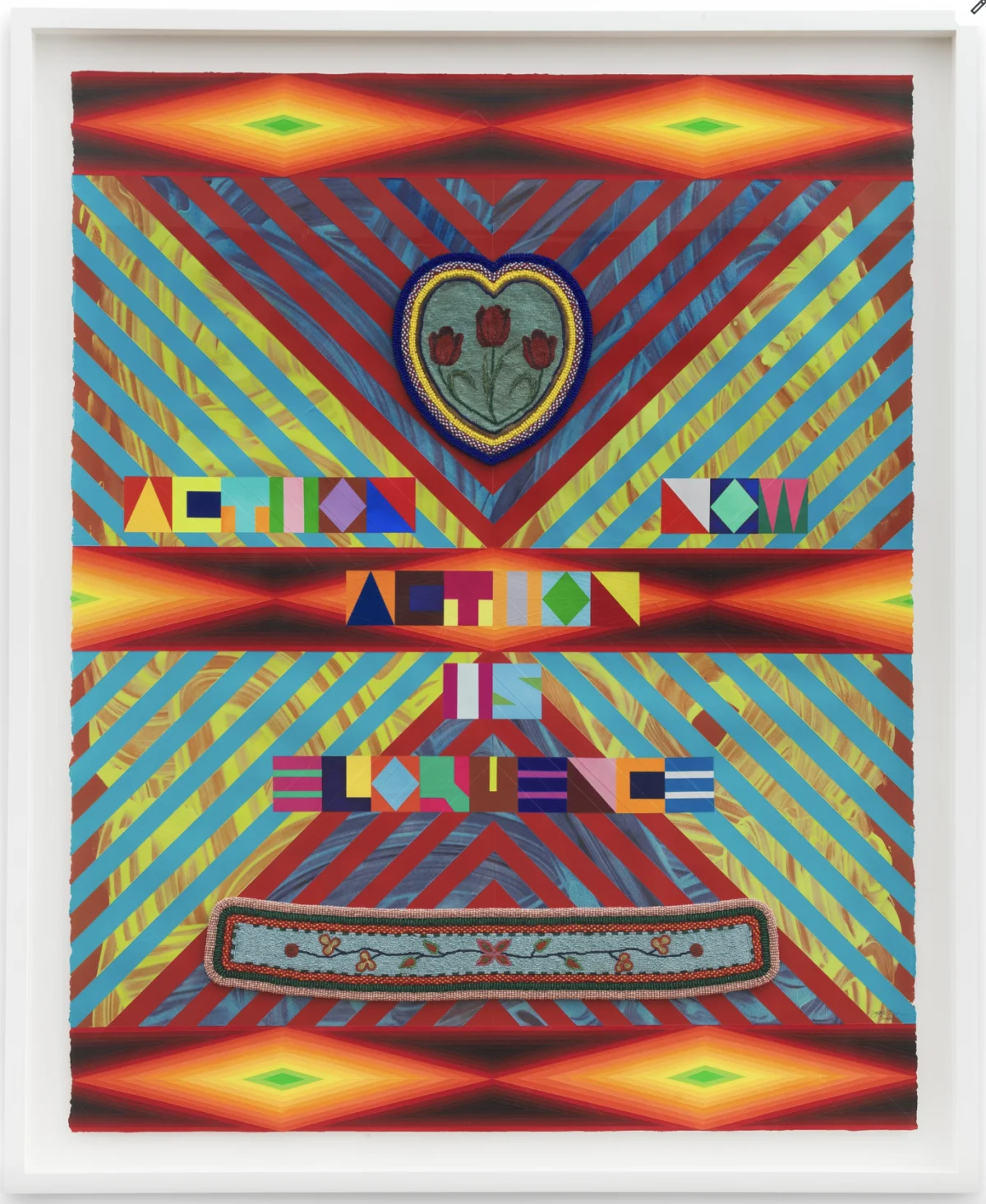
- November 6, 2026: Branchline officially opens to the public in Katonah, New York, unveiling its inaugural presentations of contemporary Native masterpieces, including prominent works like Jeffrey Gibson’s ACTION NOW ACTION IS ELOQUENCE (2024).
Supporting Data and Collection Scope
To understand the cultural weight of Branchline, one must examine the sheer scale and curatorial focus of the Gochman Family Collection.
- 800+ Works: The collection houses over 800 contemporary artworks created by Indigenous, Native American, and First Nations artists. This vast inventory allows for profound thematic deep-dives rather than surface-level tokenism, ensuring that diverse tribal perspectives, mediums, and aesthetics are accurately represented.
- Geographic and Conceptual Naming: The name "Branchline" draws direct inspiration from the historical network of rail lines that connect Katonah to surrounding metropolitan hubs, including Manhattan, as well as deeper regions of Upstate New York. However, the metaphor extends far beyond transportation logistics. According to collection leadership, the name also honors the ancestral, historical, and cultural lineages that inform the works on display—connecting past traditions with contemporary socio-political realities.
- Aesthetic Range: The collection highlights cutting-edge contemporary practices spanning painting, sculpture, mixed media, textiles, and conceptual art. A prime example anchoring the collection’s ethos is Jeffrey Gibson’s (Mississippi Band of Choctaw and Cherokee) striking 2024 piece, ACTION NOW ACTION IS ELOQUENCE, which marries vibrant, pop-infused abstraction with urgent political and cultural messaging.
- Residency Infrastructure: Beyond the gallery walls, Branchline incorporates physical spaces engineered for artist residencies. By offering live-work studios, the initiative directly invests in the sustainability and creative freedom of working Native artists, allowing them to produce new bodies of work rooted in a supportive community environment.
Official Responses and Perspectives
The unveiling of Branchline has generated considerable excitement within the arts community, underscored by a shared desire to foster inclusive, community-oriented spaces for cultural exchange.
Speaking exclusively with Hyperallergic, collection director Laura Phipps articulated the core philosophy driving the new institution:
"We imagine this as a flexible space to not only more broadly share the Collection, but to also create opportunities for varied audiences of artists, scholars, students, families, and our neighbors to spend time together."
This sentiment highlights a deliberate pivot away from elitist, closed-door private collections toward an open, educational model. By inviting neighbors, local students, and international scholars alike, Branchline aims to demystify contemporary Native art for audiences who may have had limited exposure to these narratives in traditional regional museums.
Members of the Gochman Family Collection team—including Becky Gochman, Rachel Martin, Audrey Lea Collins, Nicole van Brugge, and Moonoka Begay—have similarly emphasized that Branchline is designed as a living, breathing ecosystem. Rather than serving merely as a warehouse for expensive cultural assets, the venue is intended to be a dynamic platform where contemporary Native artists retain agency over how their stories, struggles, and triumphs are communicated to the public.
Implications
The establishment of Branchline in Katonah carries profound implications for the geography of the art world, the ethics of private art collecting, and the institutional visibility of Indigenous art.

1. Decentralizing the Art World
For decades, major collections of contemporary art—particularly specialized troves of marginalized or non-Western artists—have been concentrated heavily in urban epicenters like New York City, Los Angeles, and Chicago. By establishing a world-class exhibition and residency space in Katonah (located in Westchester County), Branchline decentralizes cultural tourism. It transforms a suburban community into a destination for contemporary Indigenous discourse, proving that ambitious, rigorous contemporary art programming can thrive outside traditional metropolitan boundaries.
2. Redefining Private Collections
Private collections frequently face criticism for keeping exceptional cultural treasures locked away in private homes or secure, tax-sheltered storage facilities, hidden from the public and scholars who might benefit from them. The Gochman family’s model—building a dedicated, publicly accessible exhibition and residency venue—offers a progressive blueprint for philanthropic responsibility. By sharing over 800 works through rotating thematic exhibitions, the family ensures that these powerful anti-colonial and Indigenous statements actively participate in public education and cultural healing.
3. Elevating Indigenous Sovereignty in Contemporary Spaces
Crucially, Branchline enters a cultural ecosystem where Native art has historically been ghettoized within natural history museums or anthropology departments rather than celebrated within fine art contexts. By presenting contemporary Native art on its own terms—interrogating themes of sovereignty, identity, resistance, and joy—Branchline reinforces the truth that Indigenous art is not a relic of the past, but a vibrant, cutting-edge force shaping the future of global contemporary art.
As Branchline flings open its doors this November, it invites a new generation of viewers to trace those vital ancestral and modern lines, promising an era of deeper engagement, respect, and artistic innovation in Westchester County and beyond.
 Sagoh
Sagoh
 Evan Lee Salim
 Nana
Nana
