

Date: October 11, 2026
Author: TechCrunch News Desk
Main Facts
Apple is poised to make its most aggressive push into the smart home ecosystem to date. According to industry reports from Bloomberg’s Mark Gurman, the Cupertino-based tech giant is scheduled to announce an entirely new category of device this coming Tuesday: a display-equipped smart home hub named the HomeView.
Powered by Apple’s high-performance A18 chip and deeply integrated with Siri, the HomeView is designed to serve as the central command center for connected households. To accommodate varying consumer needs and household layouts, the device will debut in two distinct form factors: a versatile countertop version and a sleek, wall-mountable variant.
The launch of the HomeView represents a strategic pivot for Apple. While the company has long offered the HomeKit (and later, Apple Home) software framework and the audio-centric HomePod speaker line, it has historically struggled to capture dominant market share in the smart home hardware space against entrenched competitors like Amazon and Google. The HomeView, slated for a mid-November commercial release, aims to change that narrative by combining edge AI processing, visual smart home management, and an expanding hardware lineup.
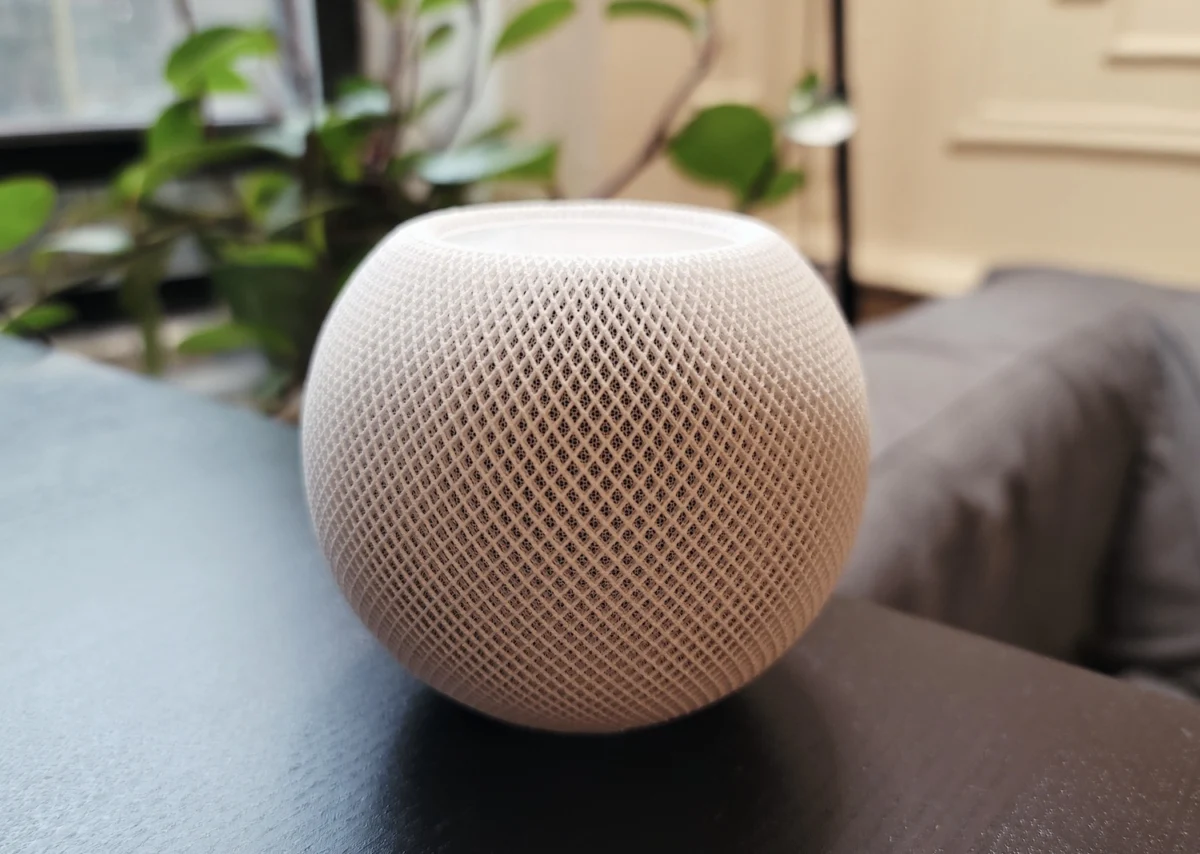
Alongside the HomeView debut, Apple is expected to refresh two legacy home products—the Apple TV set-top box and the HomePod mini—while laying the groundwork for a broader hardware offensive through strategic manufacturing partnerships.
Chronology: The Road to HomeView
The journey toward Apple’s upcoming smart home hardware dominance has been a long one, marked by internal pivots, engineering challenges, and shifting market demands.
- 2014–2018 (The Inception of HomeKit): Apple introduced the HomeKit framework to unify smart home accessories under a secure, iOS-controlled umbrella. However, adoption was slow due to strict MFi (Made for iPhone) hardware certification requirements and high manufacturing costs for third-party developers.
- 2018–2023 (The Audio Era): Seeking to compete with the Amazon Echo and Google Nest Audio, Apple launched the original high-end HomePod in 2018, followed by the more affordable HomePod mini in 2020. While praised for audio fidelity, the devices failed to dominate the broader smart home market, leading to the discontinuation and subsequent resurrection of the full-sized HomePod line.
- 2024–Early 2025 (The Rumor Mill and Siri Bottlenecks): Supply chain whispers and insider leaks began pointing toward a display-equipped Apple smart home device. However, development reportedly hit roadblocks. In March 2025, reports surfaced that the project had faced significant internal delays primarily driven by the engineering complexities of upgrading Siri with advanced, localized generative AI capabilities.
- October 2026 (The LG Partnership & Final Setup): Earlier in the week, insider reports revealed that Apple is partnering with consumer electronics giant LG to co-develop branded smart home essentials, including a smart lock, a smart thermostat, and a video doorbell.
- October 13, 2026 (The Imminent Announcement): Apple is set to officially lift the veil on the HomeView hub, updated home accessories, and its broader smart home strategy, paving the way for a mid-November retail rollout.
Supporting Data and Technical Specifications
While Apple has yet to officially release the full spec sheet, industry leaks and structural expectations paint a clear picture of what consumers can expect from the HomeView hardware ecosystem:
- Processor: The integration of the A18 chip is a notable inclusion. Typically reserved for Apple’s modern iPhones, putting an A18 chip into a smart home hub suggests that the device is built to handle heavy on-device machine learning tasks locally, reducing latency and enhancing privacy by processing voice commands and computer vision routines on the edge rather than in the cloud.
- Interface: Powered heavily by Siri, the user interface will feature visual cards, quick-access automation toggles, and likely integration with Apple’s upcoming generative intelligence features for contextual home management.
- Form Factors:
- Countertop Model: Built with an integrated stand or base, optimized for kitchen islands, nightstands, or living room coffee tables.
- Wall-Mounted Model: Designed for seamless architectural integration, potentially utilizing standard low-voltage electrical boxes or magnetic mounts for easy installation in hallways and main living areas.
- Ecosystem Expansion via LG: The partnership with LG bridges a critical gap in Apple’s hardware portfolio. By integrating purpose-built smart locks, thermostats, and video doorbells into the Home app ecosystem, Apple ensures that users have direct, native access to high-demand security and climate infrastructure right out of the box.
Official Responses and Industry Reception
Apple has maintained its traditional pre-announcement silence regarding the leaks, declining to officially comment on Bloomberg’s reports. However, reaction from analysts and competing tech ecosystems has been swift.

Market researchers point out that Apple’s methodical entry into the smart home display market mirrors its historical playbook: letting competitors pioneer and test a nascent category before entering with a tightly integrated, premium alternative focused on privacy, design, and ecosystem lock-in.
Industry analysts have noted that the inclusion of the A18 chip is a clear signal that Apple is addressing past criticisms of Siri’s limitations. By ensuring that local processing power is robust enough to handle complex, multi-step natural language commands without relying on constant cloud round-trips, Apple is addressing the primary pain point of modern smart assistants.
Competitors in the space—namely Amazon (with its Echo Show lineup) and Google (with Nest Hub)—will undoubtedly be watching closely. While those companies have enjoyed a multi-year head start in deploying smart displays, none possess the tightly integrated ecosystem of iOS, iPadOS, macOS, and iCloud services that Apple can leverage to make the HomeView an indispensable extension of the user’s digital life.
Implications for Consumers and the Market
The launch of the HomeView and its accompanying hardware ecosystem carries profound implications for both everyday consumers and the broader consumer electronics landscape.
1. For the Consumer: Unified Privacy and Convenience
For Apple loyalists, the HomeView promises to bridge the frustrating gap between iOS device control and ambient home automation. Instead of relying on a patchwork of third-party apps or relying solely on voice commands, users will have a dedicated, glanceable display that aggregates security camera feeds, lighting controls, calendar events, and intercom functions. Furthermore, Apple’s strict stance on data privacy—particularly with edge processing via the A18 chip—offers a reassuring alternative to cloud-reliant competitors whose data-harvesting practices often draw consumer scrutiny.
2. For the Smart Home Industry: Raising the Bar on Hardware Standards
The entrance of Apple—bolstered by its manufacturing partnership with LG—will likely force incumbent smart home players to elevate their hardware design and security standards. As consumers increasingly demand interoperability through the universal Matter standard, Apple’s push to anchor its ecosystem with dedicated hardware hubs could accelerate mainstream adoption of smart home tech, shifting public perception from a novelty hobby to an essential utility.
3. For Apple’s Financials and Ecosystem Stickiness
From a business perspective, the HomeView represents a crucial new vector for hardware revenue and service subscriptions (such as iCloud+ for secure video storage). By placing an Apple-branded screen in the central artery of the home, the company deepens user retention, making it even harder for consumers to defect to rival smartphone or computing platforms.
As the tech world tunes in for Tuesday’s official unveiling, all eyes will be on Cupertino to see how Apple plans to turn its ambitious smart home vision into a living room reality this November.
 Lina Hope
 Suro Senen
 Sagoh
Sagoh
