

By Ryan Epps
Published October 12, 2026
Main Facts
Tom Cruise has built an enduring cinematic legacy on the currency of physical adrenaline. Whether he is dangling precariously from the exterior of Burj Khalifa in Mission: Impossible — Ghost Protocol, sprinting frantically across scorched earth to evade extraterrestrial tripods in War of the Worlds, or navigating the psychological labyrinth of Stanley Kubrick’s Eyes Wide Shut, Cruise consistently excels when the physical stakes are impossibly high. His career is a testament to the power of high-concept, high-octane spectacle.
Yet, long before he became Hollywood’s premier stuntman-auteur, Cruise established his dramatic weight through a different brand of tension: intellectual and moral claustrophobia. A prime example of this era is The Firm (1993), directed by Sydney Pollack and adapted from John Grisham’s blockbuster 1991 legal thriller. Currently available for streaming on Paramount Plus—along with limited-run availability on Peacock and HBO Max through the end of October—the film follows Mitch McDeere, a brilliant Harvard Law graduate whose dream job at a prestigious Memphis firm swiftly devolves into a waking nightmare.
Trade globe-trotting action for mounting, systemic paranoia, and you have a gripping reminder that Cruise does not need explosions, motorcycles off cliffs, or masked villains to captivate an audience. Instead, The Firm relies on a potent cocktail of corporate greed, institutional corruption, and the terrifying realization that escape is mathematically and physically impossible.
Chronology: The Ascent and Descent of Mitch McDeere
To understand the enduring brilliance of The Firm, one must trace the meticulously paced descent of its protagonist. The narrative unfolds across a carefully constructed timeline that transitions from unbridled optimism to sheer, unadulterated panic.
Act I: The Illusion of the American Dream
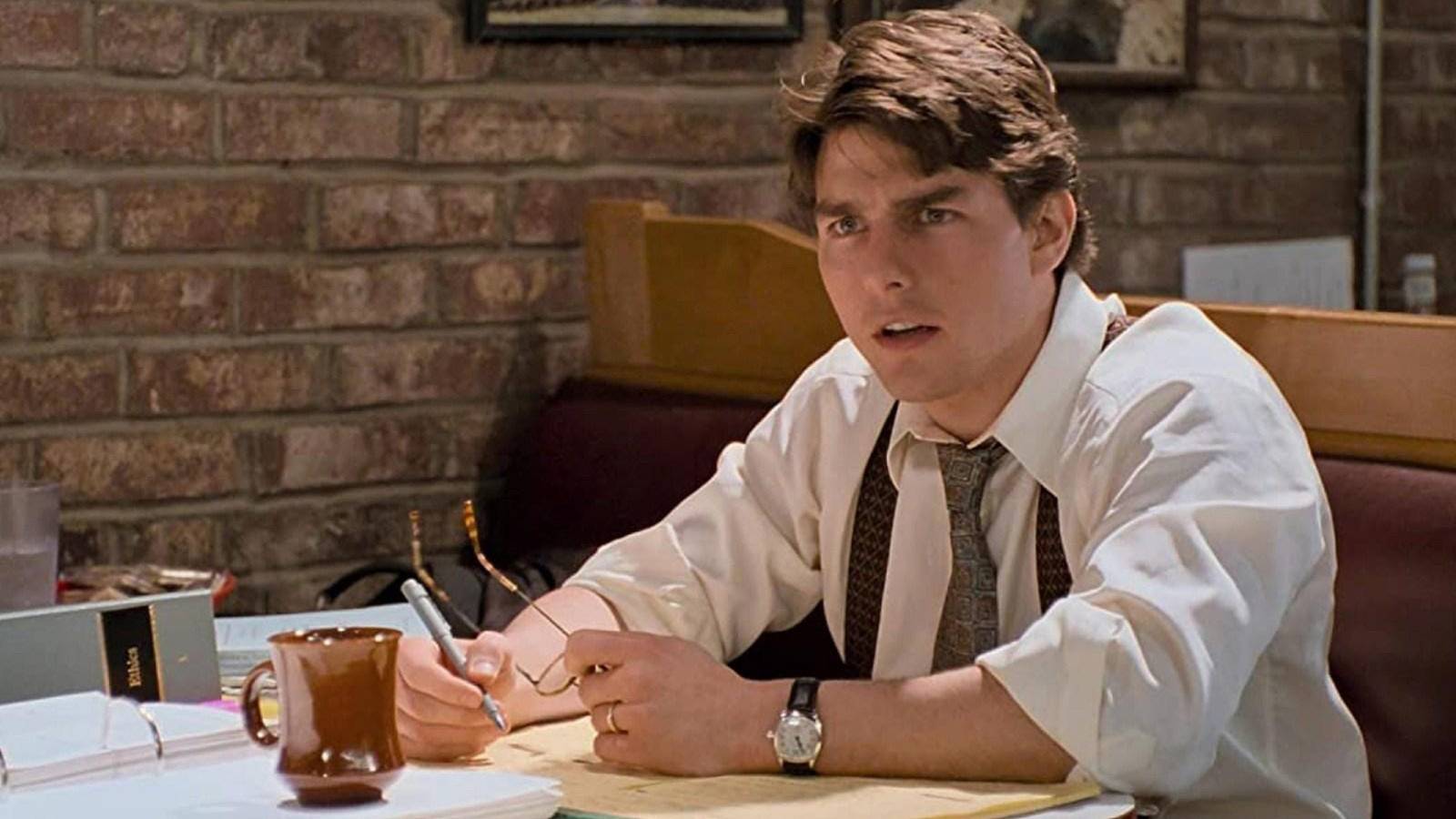
The story begins with Mitch McDeere, a young man from humble, working-class roots who finishes near the top of his class at Harvard Law School. Armed with a sharp intellect, relentless ambition, and a chip on his shoulder, Mitch fields offers from premier corporate firms across the United States. He ultimately selects Bendini, Lambert & Locke—a seemingly conservative, highly lucrative tax law firm based in Memphis, Tennessee.
The firm’s compensation package is intoxicatingly generous. They purchase a luxury home for Mitch and his supportive wife, Abby (Jeanne Tripplehorn), provide a high-end car, and wipe out Mitch’s law school debt entirely. Abby is thrilled, and Mitch believes he has successfully engineered his ticket to the upper echelons of American society. For the first act, the film basks in the sun-drenched, genteel warmth of the American South, masking underlying rot with polished mahogany desks and impeccable hospitality.
Act II: Unraveling the Threads of Deceit
Cracks in the idyllic facade appear when Mitch discovers that two of the firm’s young associates have died under mysterious scuba-diving accidents in the Cayman Islands. As he digs deeper with the help of his cynical older brother, Ray (played with weathered grit by David Strathairn), who is currently serving time in a maximum-security prison, Mitch realizes the firm’s primary clientele are not traditional corporations, but the Chicago mob.
Bendini, Lambert & Locke launders billions of dollars for organized crime. The firm operates like a cult: once you join, you never truly leave—except horizontally. The FBI quickly closes in, giving Mitch an impossible ultimatum: cooperate by handing over incriminating files and violate attorney-client privilege, or refuse and face federal indictment alongside the mobsters, effectively ending his career and life as he knows it.
Act III: The Race Against Time
The final act transforms into a high-stakes chess match. Mitch is caught in a triple-cross between the ruthless mob bosses who watch his every move, the FBI agents who view him merely as leverage, and his own moral compass. Rather than folding, Mitch uses his legal acumen not to capitulate, but to exploit a loophole in federal racketeering laws and the firm’s own accounting ledgers. He outsmarts both the mob and the government, securing his freedom and his wife’s safety, though the luxurious life he chased is permanently shattered.

Supporting Data: Cast Dynamics and Production Mastery
While Cruise carries the film with an anchor performance that captures a young professional’s transition from youthful arrogance to paralyzing terror, The Firm is elevated by an extraordinary supporting ensemble.
- Gene Hackman as Avery Tolar: Hackman delivers a masterclass in tragic compromise as Mitch’s assigned mentor. Avery’s initial warmth and grandfatherly guidance mask a deeply broken man who long ago traded his soul for tropical vacations and limitless wealth. A standout scene occurs during a business trip to the Cayman Islands, where Avery sits with Mitch at an open-air resort bar. Beneath the brilliant Caribbean sun, Avery drops his polished professional facade to issue a chilling, melancholic warning about the inescapable grip of the firm. It is a haunting portrayal of institutional corruption.
- The Supporting Syndicate: The film benefits enormously from the presence of heavyweights like Ed Harris, Hal Holbrook, and Wilford Brimley. Each actor projects a quiet, omniscient menace, reinforcing the suffocating notion that Mitch is surrounded by individuals who know significantly more than they reveal.
- Box Office and Critical Reception: Upon its release in the summer of 1993, The Firm was a massive commercial juggernaut, grossing over $270 million worldwide against a $42 million budget. It proved that intelligent adult dramas could dominate the box office alongside summer action tentpoles.
Official Responses and Industry Impact
At the time of its production, the adaptation of John Grisham’s novel carried immense pressure. Grisham was the reigning king of legal thrillers, and his books (The Pelican Brief, A Time to Kill) were literary goldmines. Director Sydney Pollack (Out of Africa, Tootsie) approached the material with a distinct cinematic vision, collaborating with screenwriters David Rayfiel, Robert Towne, and Perry Rawlings to streamline Grisham’s dense, overly complex legal machinations.
In contemporaneous interviews, Pollack noted that the core horror of The Firm was not physical violence, but the systematic erosion of autonomy. "The scariest monster isn’t a man with a gun," Pollack stated during the film’s press run. "It’s an organization that owns your house, your car, your bank account, your wife’s job, and your future. How do you fight a monster that signs your paycheck?"
John Grisham himself praised the adaptation, particularly noting how Cruise captured Mitch McDeere’s specific brand of ambitious hubris. Unlike typical cinematic heroes who instinctively know how to outrun danger, Mitch is initially blind to his own naivety, assuming his Harvard education can outsmart a criminal syndicate.
Implications: The Legacy of the 1990s Legal Thriller
The resonance of The Firm in 2026 highlights a broader conversation about the evolution of Hollywood blockbusters. In an era dominated by cinematic universes, franchise IP, and green-screen spectacles, mid-budget adult dramas driven by character psychology, dialogue, and ethical dilemmas have become increasingly rare.
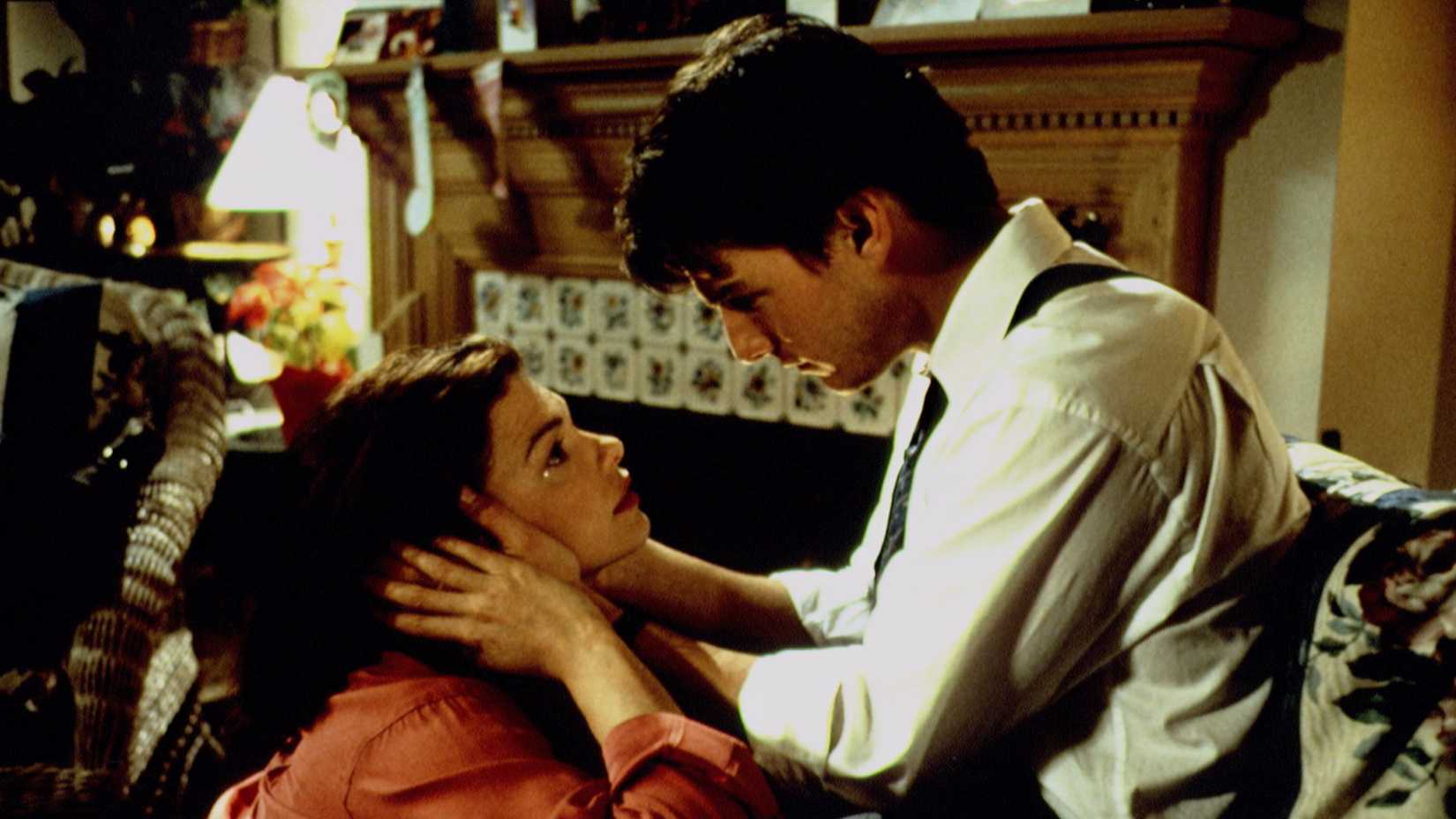
The Firm stands as a monument to a bygone Hollywood era when studios routinely invested massive resources into cerebral storytelling. It proved that a two-and-a-half-hour runtime could remain riveting purely through the friction of moral choices, legal gray areas, and quiet intimidation.
For Tom Cruise, revisiting The Firm reminds modern audiences of his dramatic range. Long before he was scaling the tallest buildings in the world or piloting supersonic fighter jets, he was a master of the slow-burn psychological descent—proving conclusively that the human mind under pressure can be just as thrilling as any explosion.
 Nila Kartika Wati
 Ammar Sabilarrohman
 Suro Senen
