

By Sam Hill | Updated October 12, 2026, 6:17 PM EDT
John Cena has established himself as one of Hollywood’s most versatile and unpredictable leading men. Over the last decade, the former WWE champion has seamlessly pivoted from powerhouse wrestling rings to raunchy studio comedies, massive superhero blockbusters, and offbeat genre adventures.
Whether he’s playing a hard-partying, chaos-inducing dad in Vacation Friends, joining the plastic-fantastic, pastel-hued utopia of Greta Gerwig’s Barbie as an existential mermaid, or suiting up as the wildly unhinged, morally flexible patriot Peacemaker in The Suicide Squad and its subsequent HBO spin-off series, Cena commands the screen with a unique blend of physical imposingness and comedic timing.
Now, the actor is steering into his most nostalgic vehicle yet. Matchbox: The Movie, an action-adventure spectacle inspired by Mattel’s iconic die-cast toy cars, has officially debuted on Apple TV. Despite facing an uphill battle with critics, the high-octane blockbuster is already racing past the competition to claim the top spot on streaming charts, proving once again that audience appetite for major intellectual property (IP) adaptations and nostalgic adrenaline can easily outweigh critical consensus.
Main Facts: A Toy-Turned-Blockbuster Hits Streaming
Released globally on Apple TV on October 9, Matchbox: The Movie is the latest major studio effort to translate a beloved childhood toy brand into cinematic entertainment. According to streaming data tracked by FlixPatrol, the feature film surged to the No. 1 position on Apple TV’s U.S. movie charts over its opening weekend.
Directed by Sam Hargrave—the filmmaker behind Netflix’s relentless, action-heavy Extraction franchise—the film leans heavily into globe-trotting espionage, high-speed tactical driving, and practical stunt work.
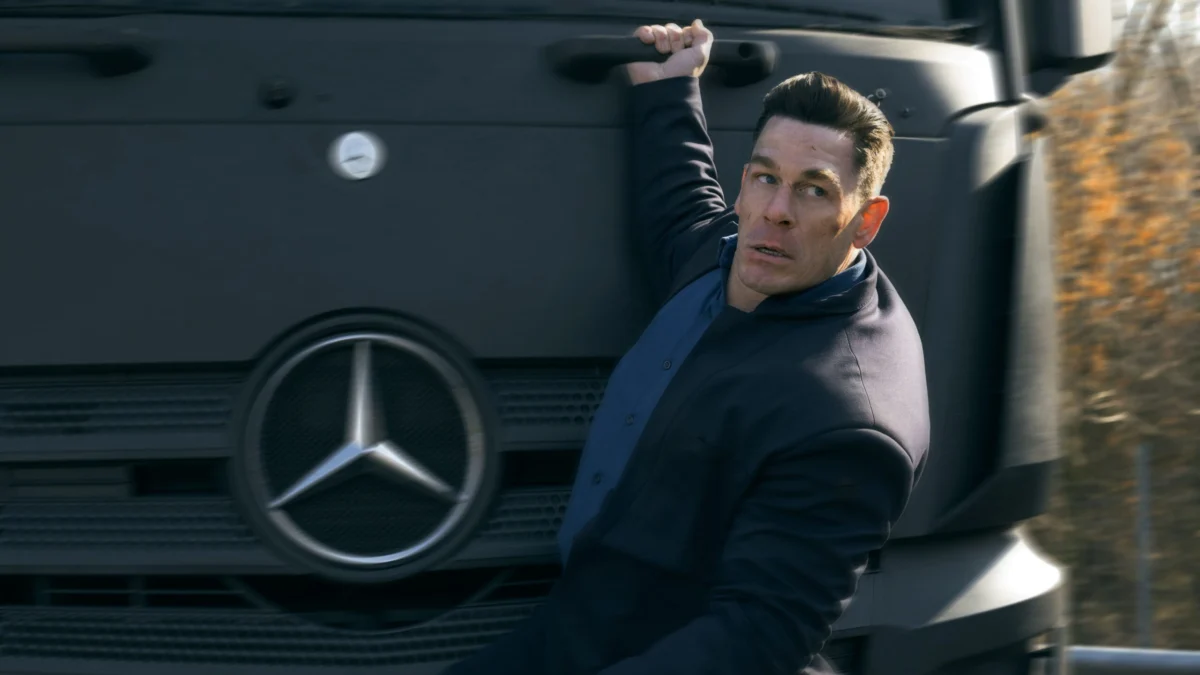
The story centers on Sean (played by John Cena), an undercover CIA agent who decides to return to his quiet hometown. Seeking a temporary reprieve from the brutal realities of international espionage, Sean reconnects with a tight-knit circle of childhood friends. However, their peaceful reunion is cut short when old ghosts resurface, dragging the group into the middle of a sprawling international conspiracy. What starts as a simple homecoming quickly transforms into a high-stakes, world-saving mission characterized by explosive car chases, tactical shootouts, and cross-continental pursuits.

Cena is joined by an impressive, star-studded ensemble cast. Jessica Biel stars as Aimee, alongside comedic and dramatic heavyweights including Sam Richardson (Veep), Teyonah Parris (The Marvels), Arturo Castro (Broad City), and Danai Gurira (Black Panther).
Despite this powerhouse cast and the pedigree of a director known for choreographing some of modern action cinema’s most celebrated sequences, the film has faced severe pushback from professional reviewers. Currently holding a dismal 25% approval rating on Rotten Tomatoes, Matchbox has struggled to win over critics even as it captures the attention of home-viewing audiences.
Chronology of Production and Release: From Toy Box to Screen
The journey of Matchbox: The Movie mirrors the modern Hollywood gold rush to mine toy boxes for cinematic gold. Following Mattel’s massive, culture-shifting success with Barbie, the toy manufacturer aggressively accelerated development on numerous properties within its vast catalog, looking to establish lucrative cinematic universes.
- The Development Phase: Mattel Films, in partnership with major studios and production houses, began courting filmmakers capable of bringing visceral energy to inanimate plastic cars. The hiring of Sam Hargrave signaled an intent to pivot away from family-friendly animation and toward gritty, live-action vehicular combat reminiscent of the Fast & Furious or Bourne franchises.
- Casting and Production: John Cena’s attachment to the project solidified its identity as a hard-charging, action-heavy genre piece. Principal photography utilized advanced camera rigs and practical stunt coordination characteristic of Hargrave’s Extraction films, aiming to ground the plastic toy aesthetic in a hyper-realistic, dangerous spy-thriller world.
- The Apple TV Acquisition and Premiere: Originally eyed for various distribution models, the film ultimately found a home on Apple TV. It premiered globally on October 9, bypassing a traditional theatrical window in favor of a direct-to-streaming household debut.
- The Opening Weekend Surge: Within 48 hours of its October 9 release, Matchbox began climbing algorithmic rankings on streaming aggregators. By Sunday evening, it had secured the No. 1 spot on FlixPatrol’s domestic charts, illustrating a stark disconnect between home viewers seeking low-friction weekend entertainment and professional film critics.
Supporting Data and Critical Reception
The financial and viewership success of Matchbox stands in stark contrast to the critical drubbing it has received across major entertainment publications.
In its review, Variety panned the film, arguing that it often feels like a disposable placeholder meant to tide audiences over between installments of high-octane franchises like Fast & Furious. The publication noted that the movie’s relentless, noise-heavy action sequences frequently overwhelm its attempts at injecting genuine emotional stakes or character development into the narrative.
Similarly, The Wrap offered a more mixed assessment, describing the ensemble cast as a "genial time-waster" while simultaneously taking direct aim at the film’s undeniable "toy-commercial sensibilities." Reviewers pointed out that the narrative contortions required to turn miniature toy vehicles into high-stakes espionage tools often strain credulity, resulting in a tonal whiplash between gritty spy thriller and corporate product placement.
Yet, these critiques have done little to slow down the film’s momentum. Streaming metrics indicate that casual viewers are drawn precisely to the high-concept premise, star power, and straightforward escapism that critics found lacking. In the modern streaming landscape, familiar IP combined with recognizable stars acts as an effective beacon for audiences looking for frictionless, high-budget entertainment on a Friday night.

Official Responses and Industry Context
While Mattel and Apple Original Films have yet to release formal box-office or viewership metrics—as streaming platforms famously guard their exact internal viewing figures—the immediate chart dominance speaks volumes about consumer behavior.
Industry analysts view Matchbox as a crucial test case for Mattel Films’ post-Barbie strategy. While Barbie was a lightning-in-a-bottle cultural phenomenon driven by Greta Gerwig’s singular satirical vision and a massive marketing blitz, properties like Matchbox represent a different challenge. They require studios to build entirely original, high-stakes narratives around objects that have no inherent plot, character arcs, or dialogue.
By leaning into the spy-thriller genre and hiring an action specialist like Hargrave, the creative team attempted to bypass the narrative limitations of the source material by injecting maximum adrenaline. John Cena himself has frequently championed these types of crowd-pleasing genre vehicles, noting in past interviews that his primary goal as an entertainer is to provide accessible escapism that audiences can enjoy without cynicism.
Implications: What Matchbox Means for the Future of IP Adaptations
The early success of Matchbox: The Movie—coupled with its poor critical reception—highlights a growing chasm in modern entertainment consumption. It reinforces several key trends shaping Hollywood today:
- The Bulletproof Nature of Nostalgia IP: Even when a film is universally panned by critics, the mere presence of a globally recognized childhood brand combined with a major streaming push is often enough to guarantee immediate viewership. Consumers are willing to overlook negative reviews for the sake of comfort viewing and brand recognition.
- Streaming as a Sanctuary for Mid-Tier Blockbusters: Films that might have struggled under the harsh economics of a wide theatrical release can find a profitable, high-visibility second life on premium streaming services like Apple TV. A No. 1 streaming ranking translates directly into subscriber retention and platform engagement.
- The Evolution of John Cena’s Star Brand: Cena continues to cement his status as a reliable anchor for high-concept genre fare. Whether a film is a critical darling or a punching bag for reviewers, Cena’s committed physical performance ensures that projects like Matchbox deliver the exact brand of high-octane action their audiences came for.
As Hollywood continues to comb through toy chests, comic book vaults, and retro catalogs for the next big hit, Matchbox proves that critical acclaim is optional so long as the engines keep roaring and the streaming numbers keep climbing.
 Ammar Sabilarrohman
 Nana Wu
 Suro Senen
