

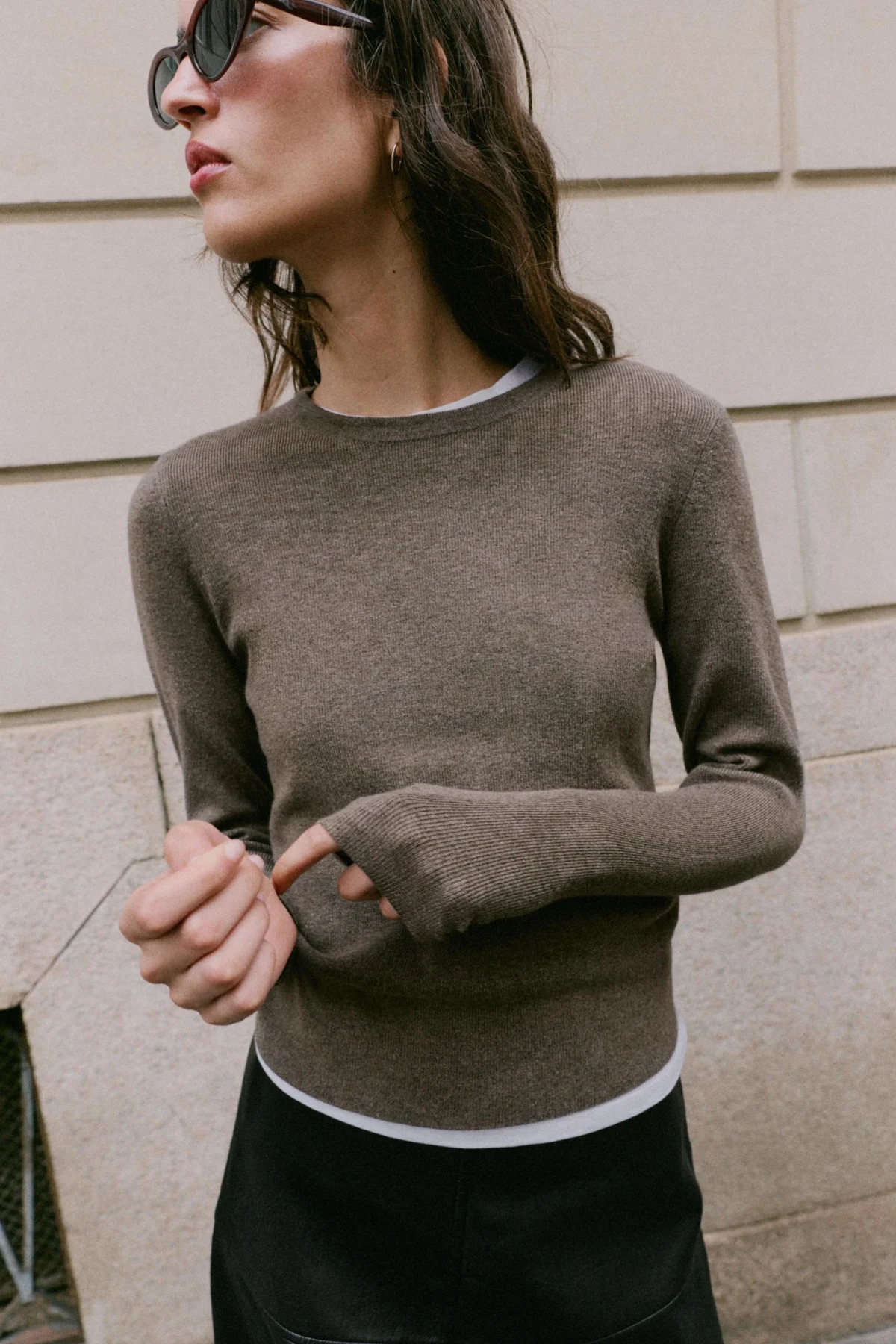
As the temperature drops and winter approaches, the biannual wardrobe reassessment takes center stage for fashion enthusiasts worldwide. With charity shops stocked and resale platforms like Vinted buzzing with activity, closets are cleared of summer remnants, leaving deliberate gaps ready to be filled. For shoppers navigating strict budgets without compromising on aesthetic integrity, the high street has evolved far beyond ephemeral trends. Today, specific retailers have carved out distinct niches, offering expensive-looking pieces that rival designer labels at a fraction of the cost. Among the top destinations for this seasonal overhaul are three powerhouse brands: Zara, H&M, and COS.
Main Facts: The High-Street Landscape and Brand Specialization
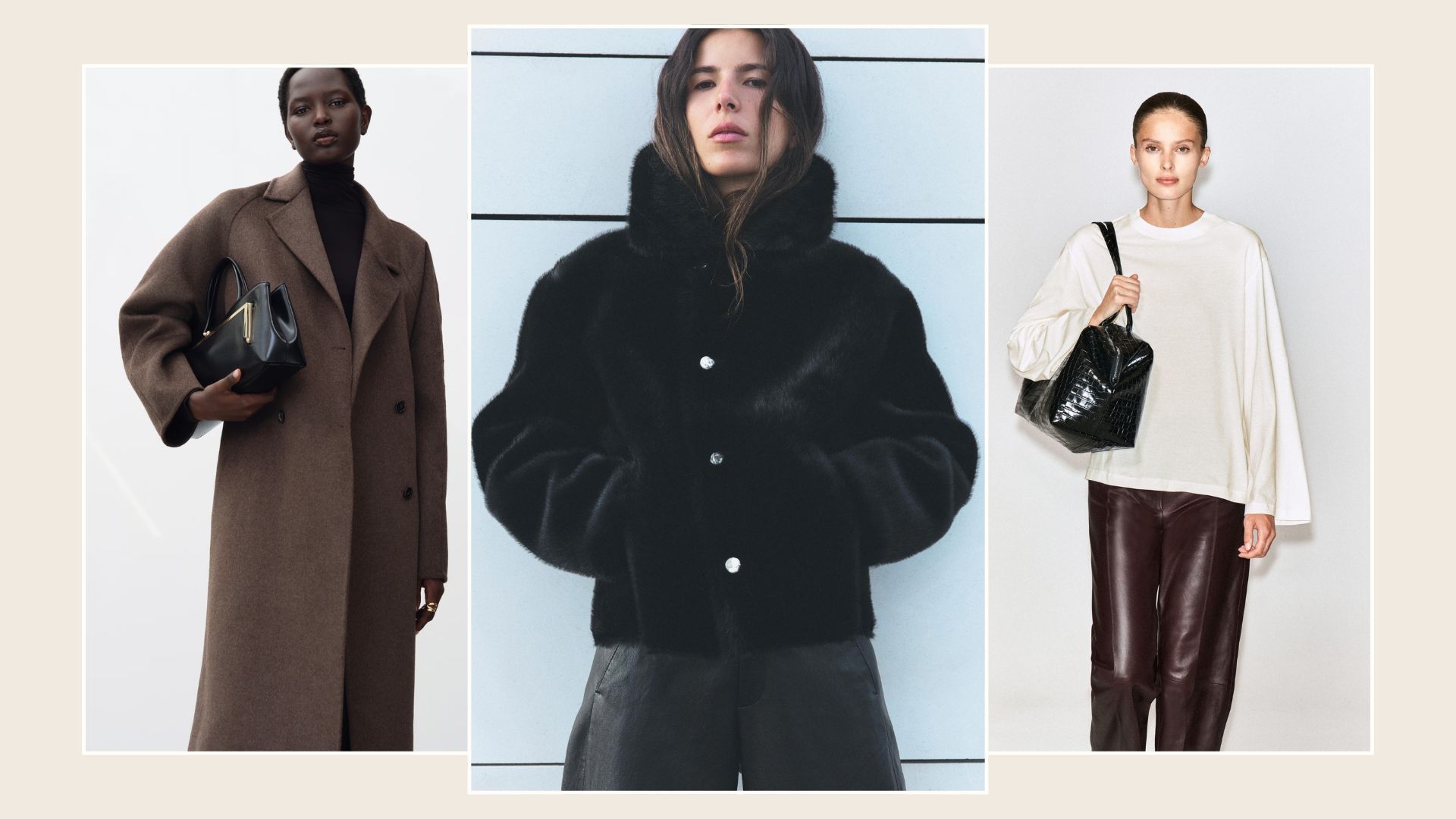
The modern consumer landscape demands versatility, quality, and affordability—a combination that traditional luxury houses struggle to deliver to the mass market. Enter Zara, H&M, and COS, each of which has optimized its production and design pipelines to dominate specific categories of the winter wardrobe.
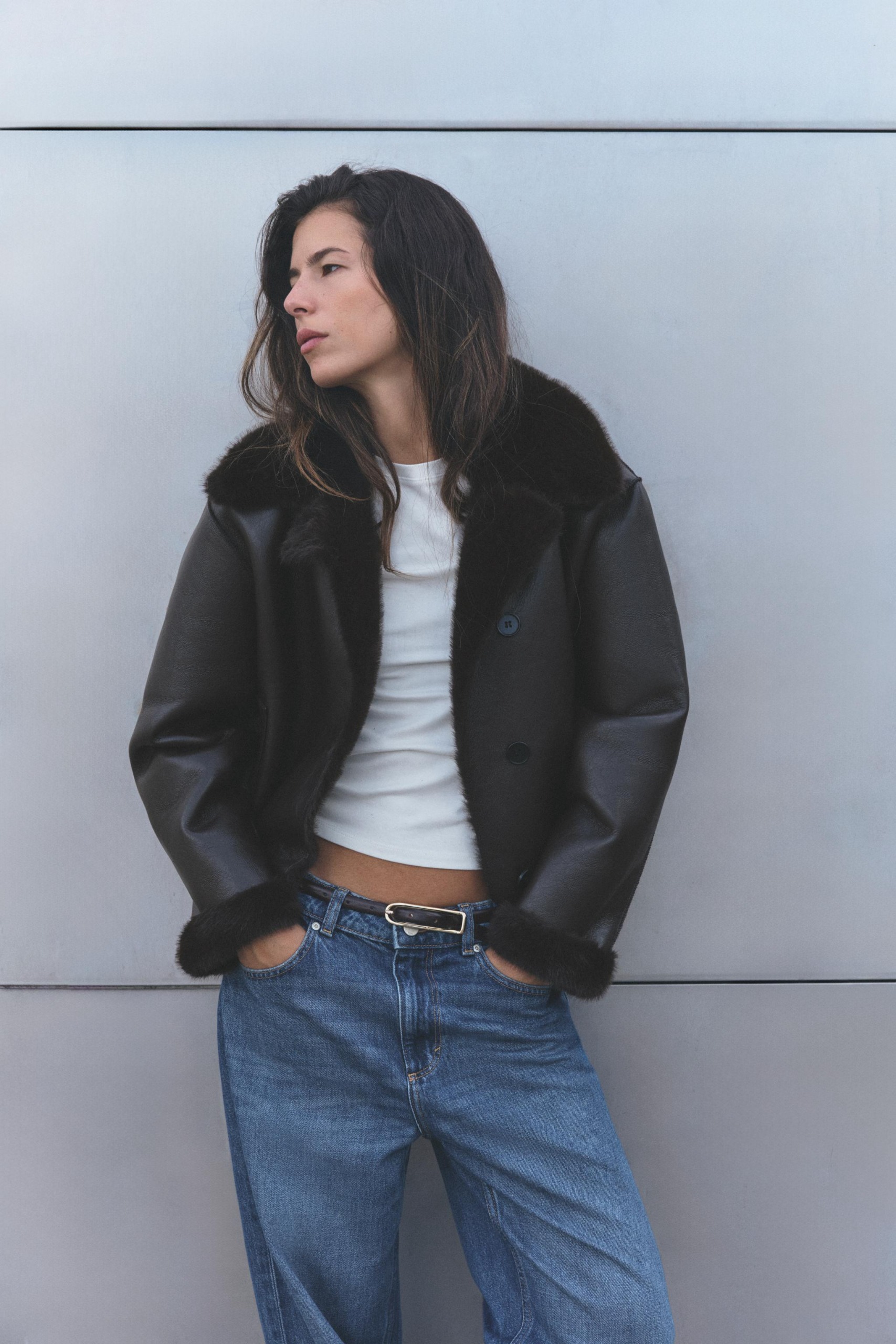
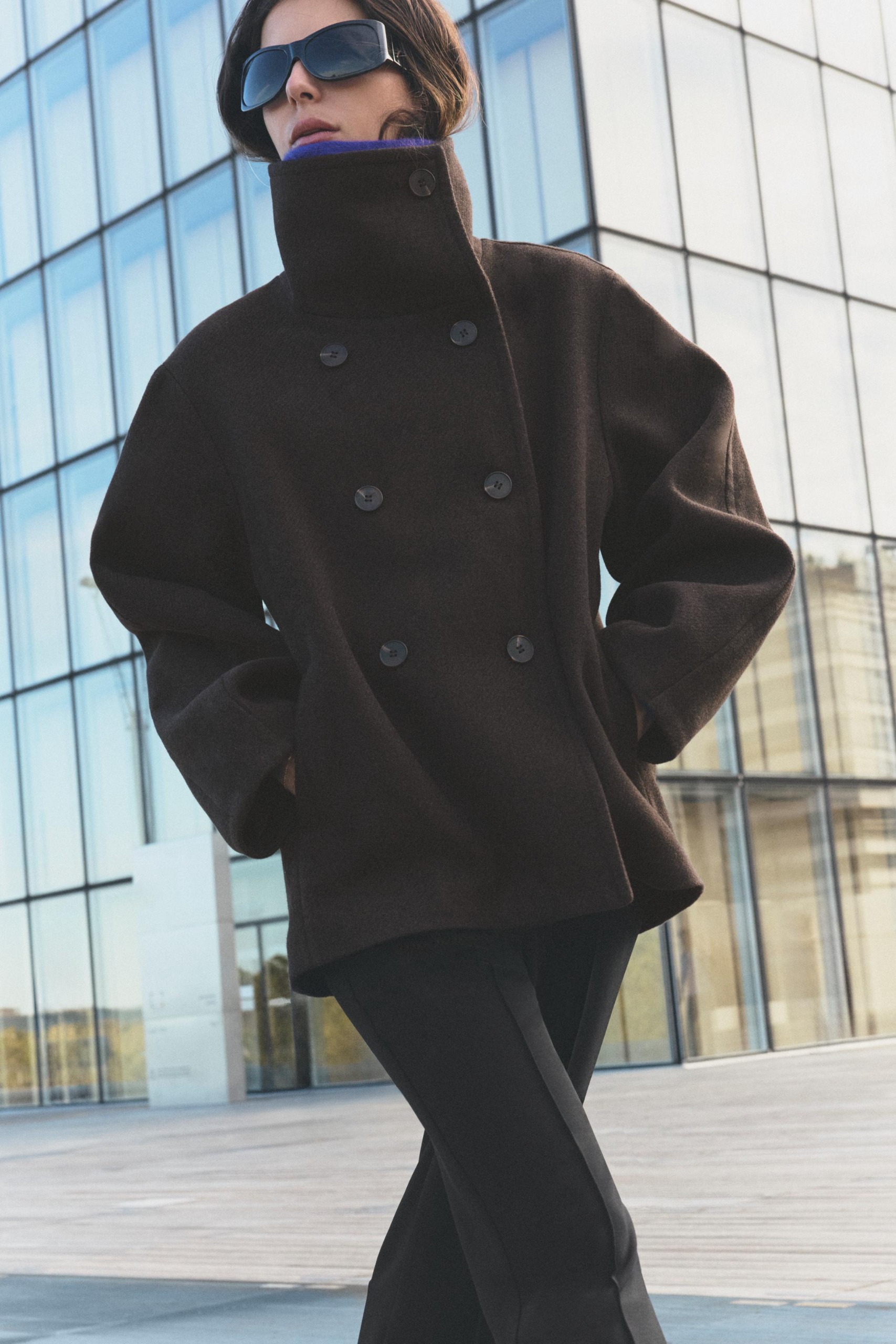
- Zara: Renowned for its avant-garde approach to outerwear and statement accessories, Zara consistently delivers trend-forward pieces—ranging from reversible double-faced jackets to structural trench coats and tactile suede totes—that punch well above their price point.
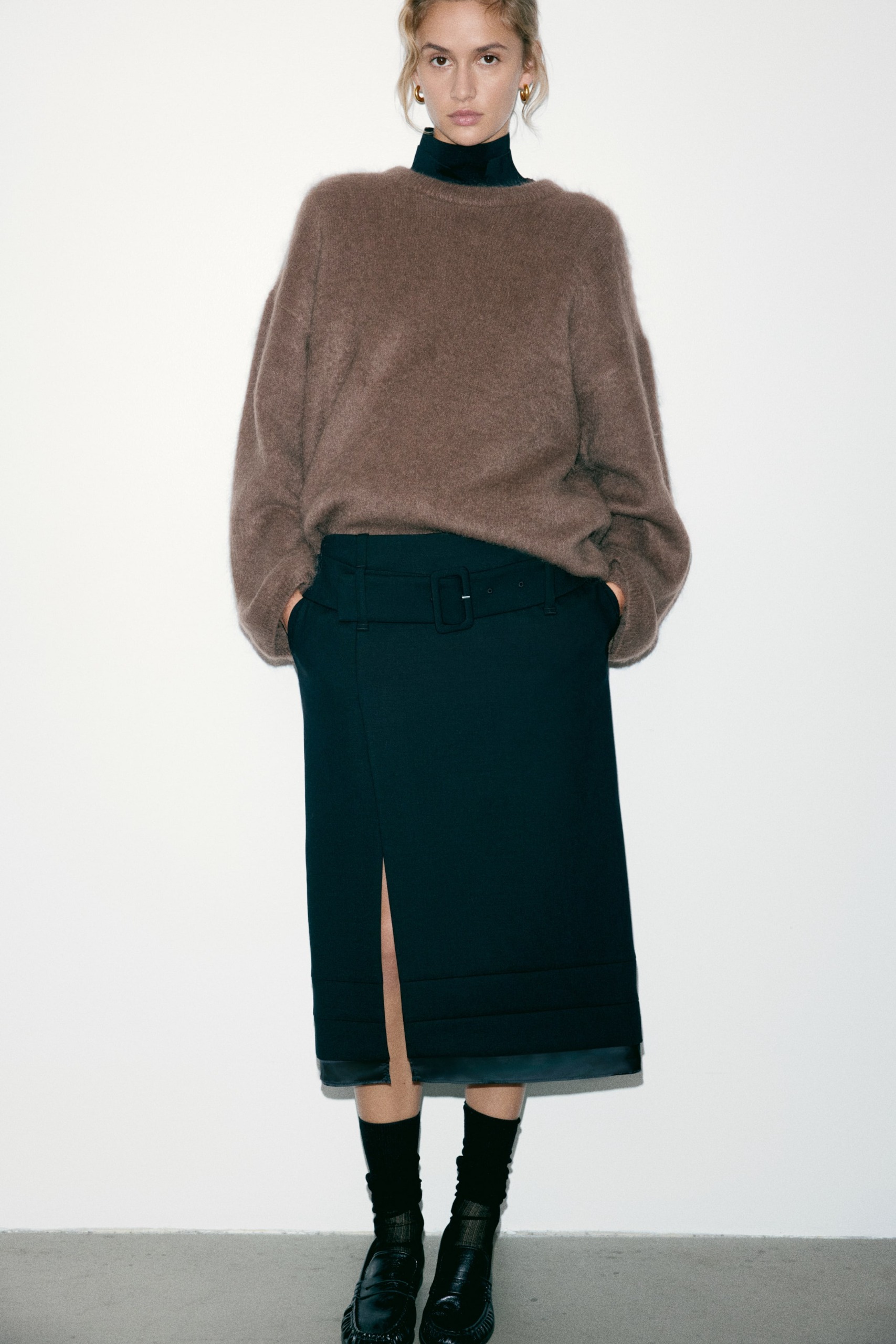
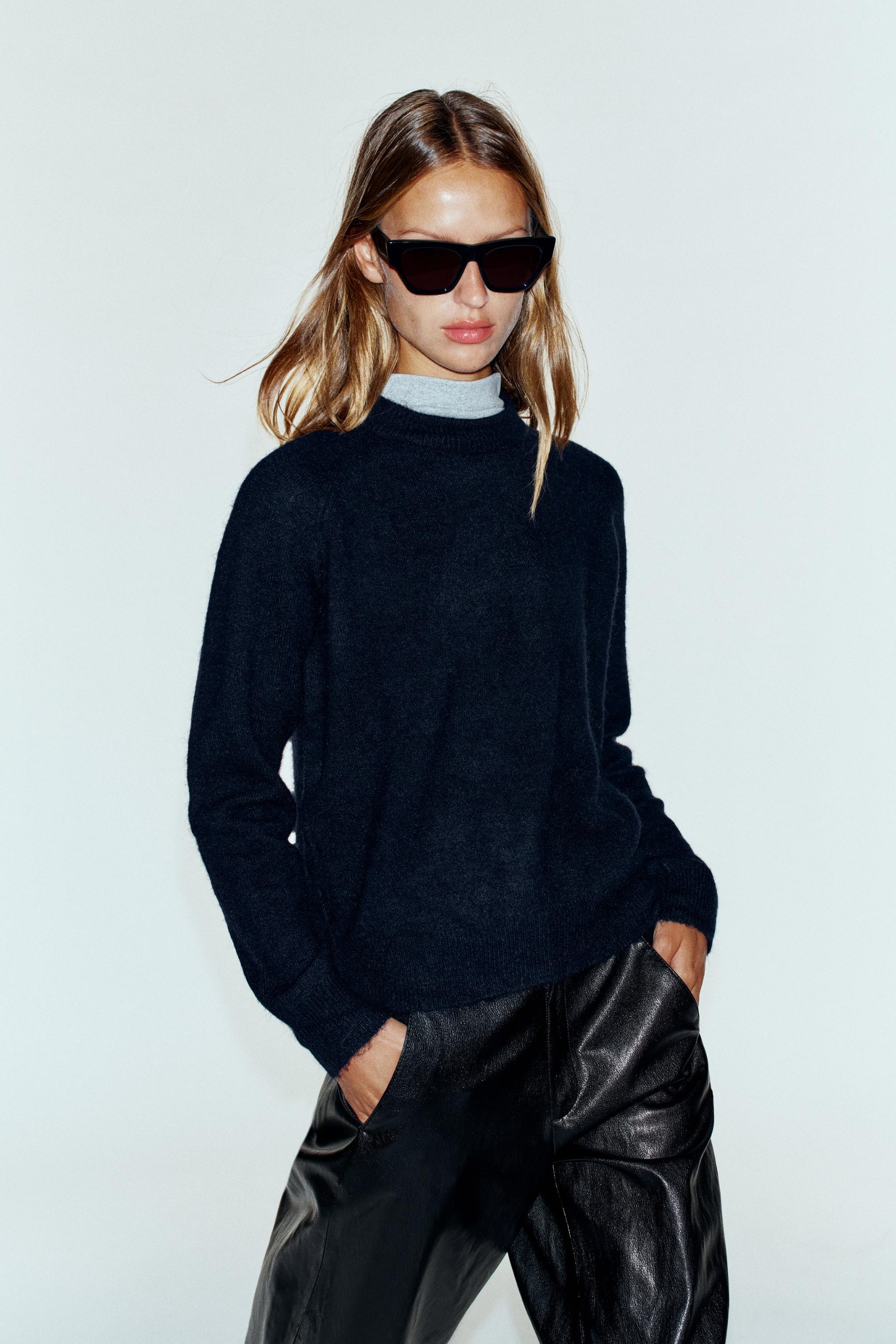
- H&M: Serving as the structural backbone of the winter wardrobe, H&M excels in foundational pieces. The brand is a go-to destination for premium-feeling knitwear (such as its coveted mohair blends), impeccably cut denim, and elevated basics that anchor a capsule wardrobe.
- COS: Positioned as the upscale minimalist choice, COS captures the market for consumers willing to invest slightly more for enduring quality. Known for 100% cashmere knits, sumptuous scarves, architectural tailoring, and sophisticated accessories, COS bridges the gap between high street and quiet luxury.
Chronology: The Evolution of Seasonal Wardrobe Planning
The transition from autumn to winter triggers a predictable rhythm within the fashion retail cycle, one that smart shoppers have learned to master.
Phase 1: The Purge (Early Autumn)
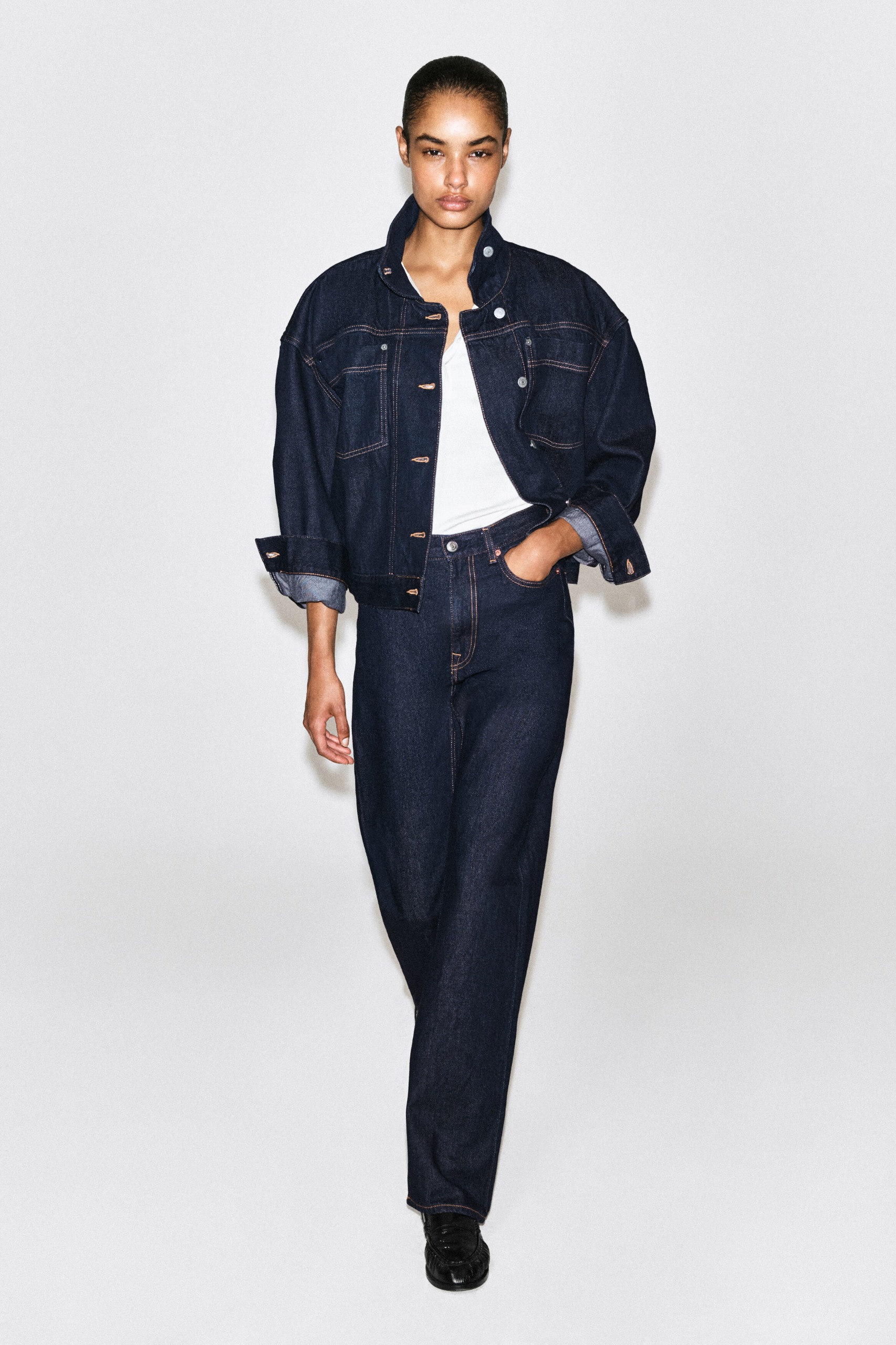
The process begins weeks before the first frost. Fashion editors and consumers alike initiate their biannual closet audits. Items worn fewer than three times the previous year are photographed for resale or bundled for donation. This intentional curation highlights glaring gaps in everyday wear—frequently missing are reliable outerwear, heavy-gauge knitwear, and modern denim silhouettes.
Phase 2: Strategic Curation (Mid-Autumn)
With a clean slate and a strict budget in place, shoppers turn their attention to high-street digital flagships and physical stores. Rather than impulse buying, style-conscious consumers map out their needs based on brand specialities. A search for a statement coat naturally leads to Zara; sourcing reliable, heavyweight denim and layering tops directs traffic to H&M; and investing in a lifetime-piece cashmere jumper points straight to COS.
Phase 3: The Drop and Acquisition (Late Autumn to Early Winter)
As temperatures plummet, high-street brands release their definitive cold-weather edits. Pieces such as H&M’s annual mohair-blend jumpers and COS’s architectural wool coats routinely face high demand, sparking sell-out cycles within weeks of launch. Securing these items early dictates the success of a winter wardrobe overhaul.
Supporting Data: Decoding the Winter High-Street Buys
A meticulous breakdown of the standout pieces dominating the high-street market reveals why these items command such high demand among style stylists and consumers alike.
Zara’s Statement Outerwear and Accessories
- Reversible Double-Faced Jacket: Offering two distinct, highly polished finishes in a rich brown hue, this piece provides the versatility of two coats in one, mirroring designer offerings.
- Short High Collar Coat & Wool Blend Cape Coat: Funnel-neck outerwear and structural capes continue to dominate runways, and Zara’s tailored execution brings high-fashion silhouettes to the mainstream.
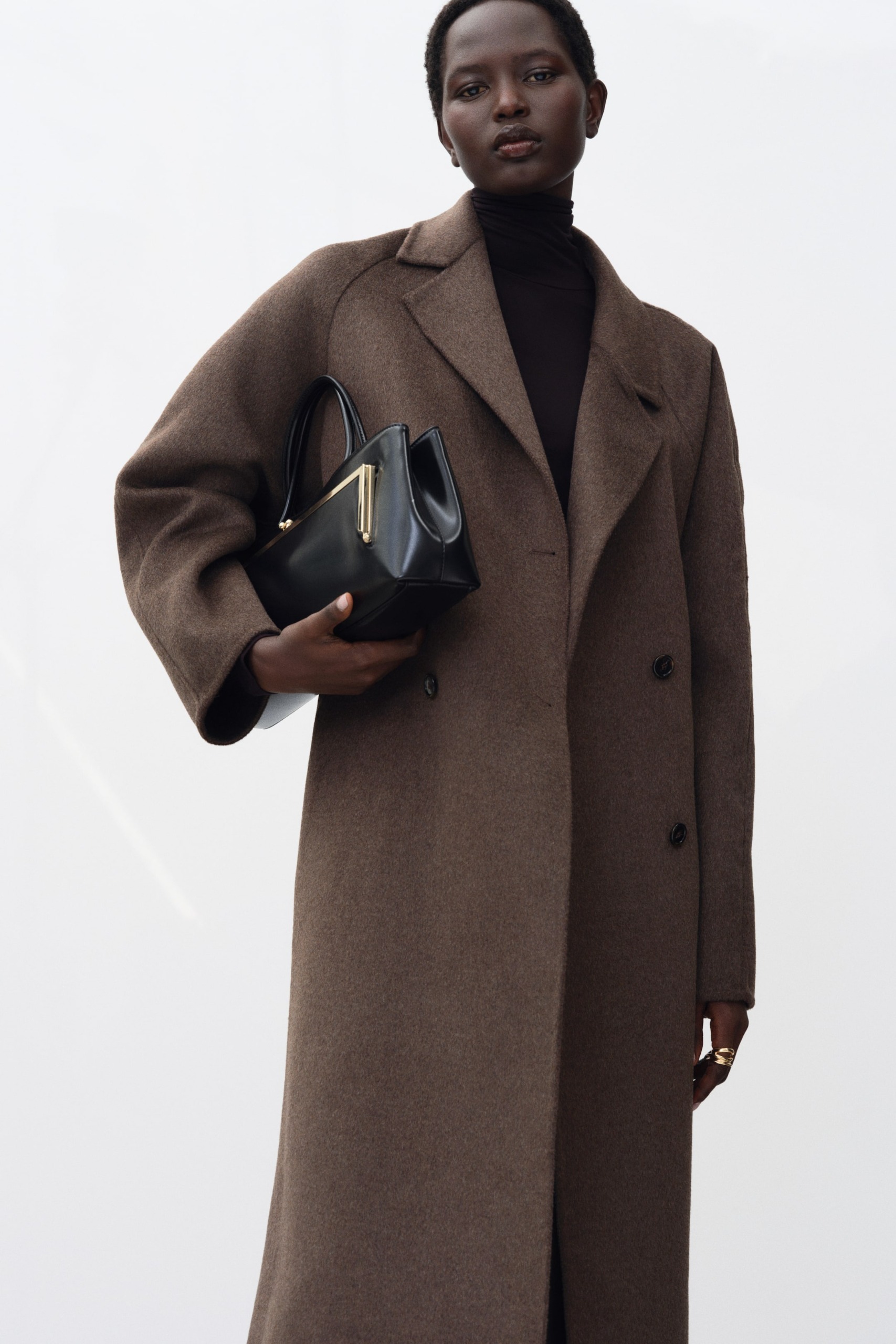
- Maxi Split Suede Tote Bag & Mini Bucket Bag: Crafted in rich khaki green and chocolate brown with contrast topstitching, these bags utilize generous proportions and tactile fabrics to emulate high-end luxury leather goods.
- Leather Kitten Ankle Boots & Flowy Ruffled Shirt: Sleek footwear and romantic blouses ensure that basic outfits are instantly elevated with minimal effort.
H&M’s Foundational Knitwear and Denim
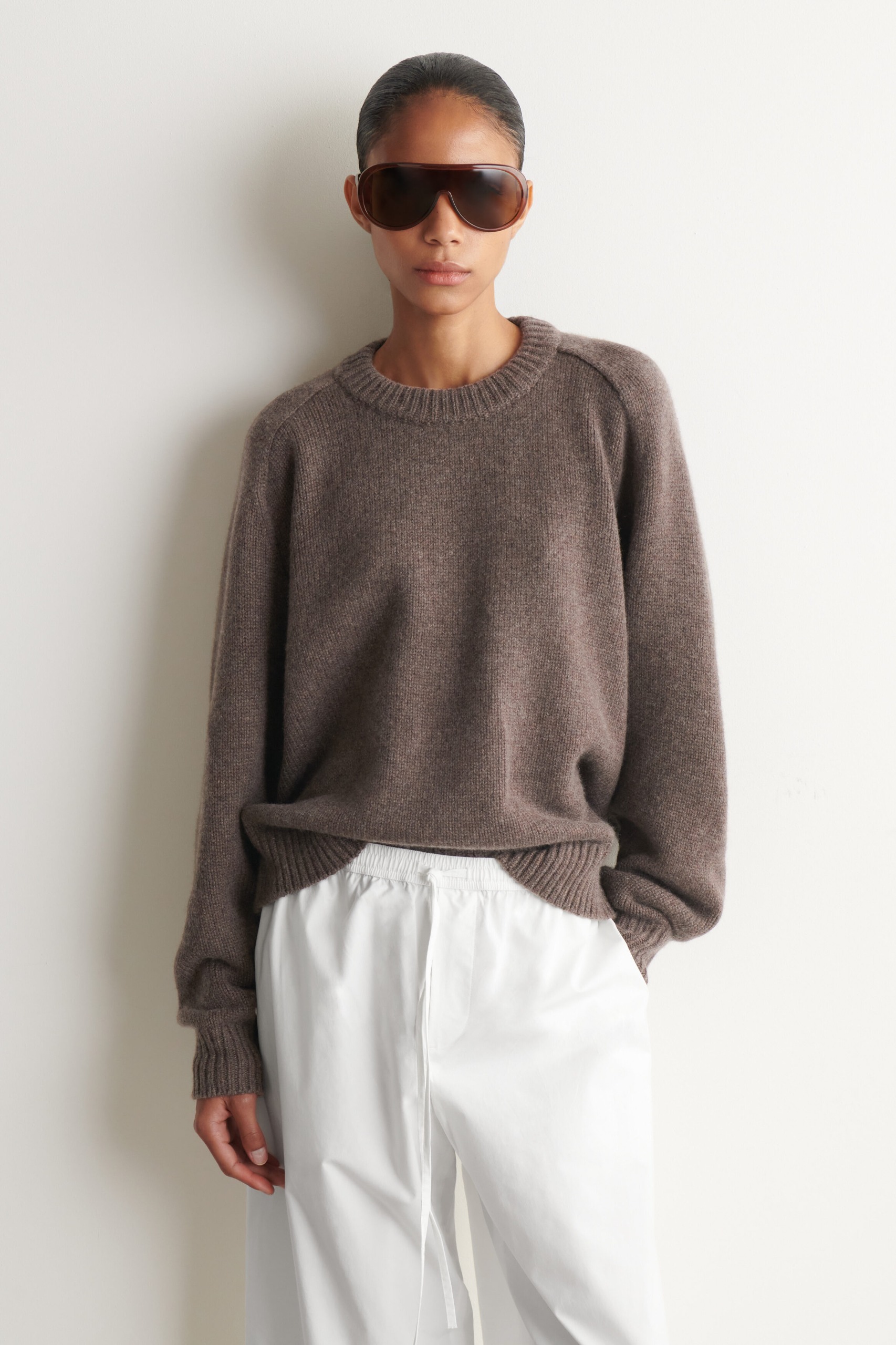
- Oversized Mohair-Blend Jumper: A perennial sell-out favourite, this knit offers the fluffy, premium texture typically associated with luxury mohair pieces.
- Handmade Wool-Blend Coat & Double-Breasted Wool-Blend Coat: Deep brown and neutral wool blends provide structural integrity and timeless elegance, making any underlying outfit look expensive.
- Barrel Regular Waist Jeans & Tailored Trousers: Moving beyond basic blue denim, H&M’s dark khaki barrel jeans and dark-brown checked tailored trousers offer subtle, trend-forward ways to refresh daily work and casual wear.
- Knot-Button Jacket: Unique fastenings transform a standard black jacket into a conversation piece.
COS’s Quiet Luxury Investments
- Chord Straight-Leg Jeans: Designed with a clean silhouette, these jeans form the cornerstone of smarter winter styling.
- Rounded Pure Cashmere Crew-Neck Jumper & Pure Cashmere Triangle Scarf: Representing the pinnacle of high-street investment dressing, 100% cashmere pieces offer long-term durability and unmatched softness.
- Shawl-Collar Double-Faced Wool Long Coat: The epitome of minimalist, quiet luxury—featuring clean lines and understated draping.
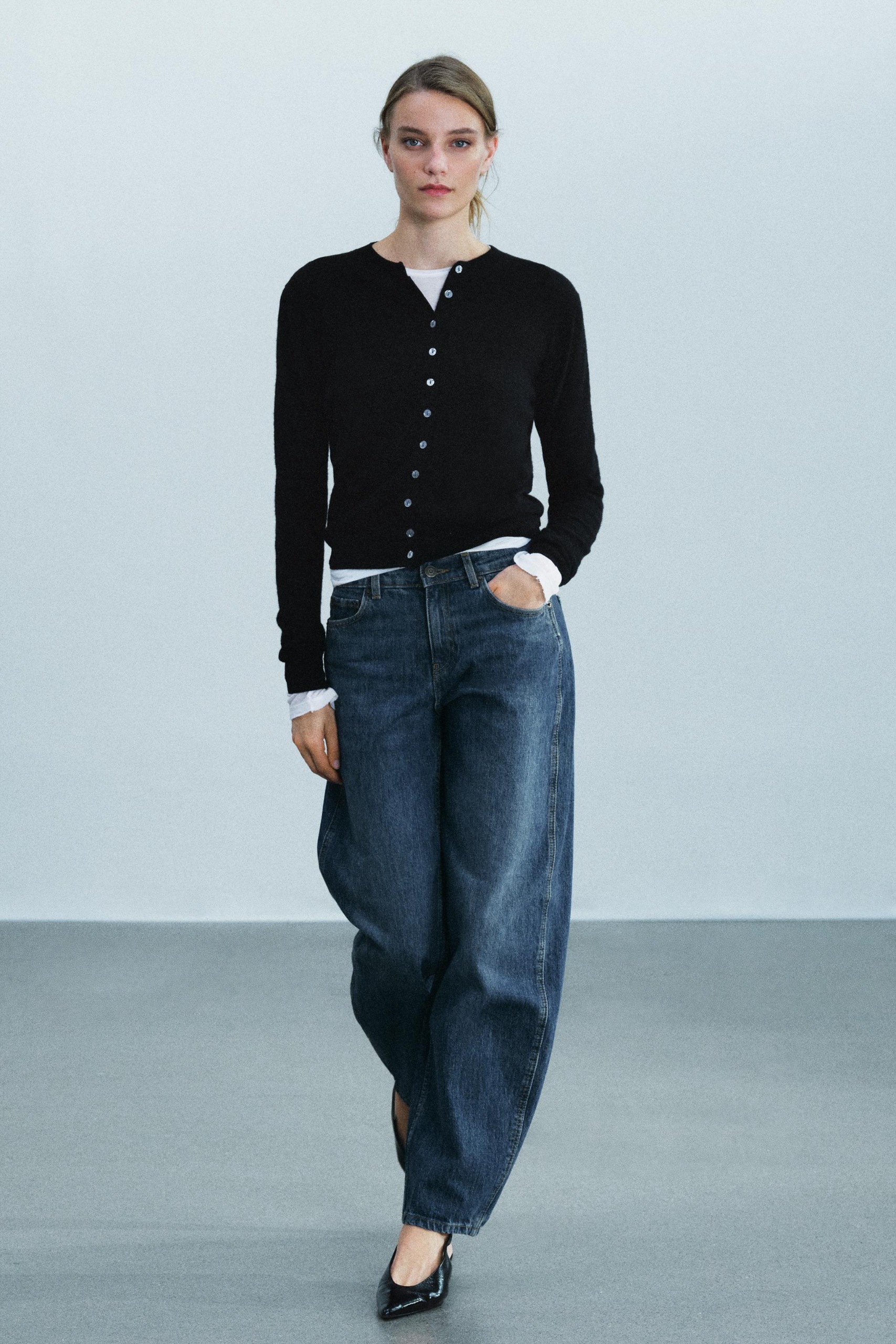
- Brushed-Cotton Long-Sleeved T-Shirt & Merino Wool Layered V-Neck Jumper: Elevated basics that rely on superior fabric manipulation and clever neckline construction to stand out from generic knitwear.
Official Responses and Industry Insights
Retail analysts note a profound shift in consumer psychology post-pandemic. High-street brands are no longer viewed merely as suppliers of disposable, trend-led clothing. Instead, retailers like COS, H&M, and Zara are investing heavily in fabric composition—incorporating alpaca, wool, cashmere, and premium modal blends—to capture budget-conscious consumers who refuse to compromise on longevity.
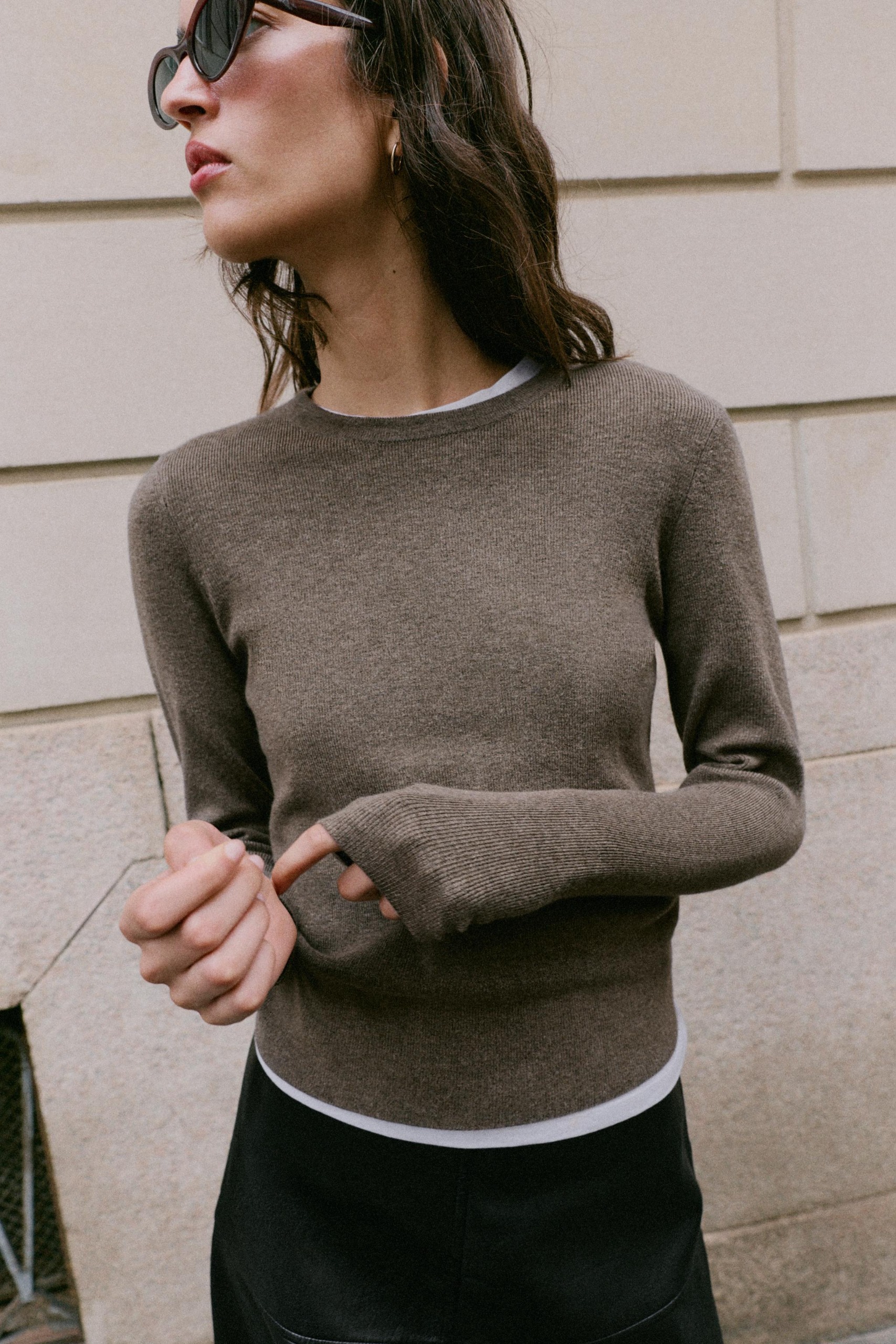
Representatives from retail trend forecasting agencies highlight that shoppers are increasingly adopting a "high-low" philosophy. By pairing an investment-grade 100% cashmere jumper from COS with Zara denim or an H&M tailored coat, consumers achieve a sophisticated look that transcends economic uncertainties. Furthermore, the emphasis on tactile surfaces—such as split suede, brushed cotton, and double-faced wool—proves that visual texture is the ultimate marker of modern luxury.
Implications: The Future of Accessible Style
The convergence of high-end design cues and high-street accessibility carries significant implications for both consumers and the broader fashion industry.
- Democratization of Trends: High-fashion concepts, such as structural capes, funnel-neck coats, and architectural knitwear, are made accessible to a broader demographic almost simultaneously with their runway debuts.
- Shift Toward Conscious Consumption: By focusing on versatile foundations—such as H&M’s knitwear and COS’s cashmere—consumers are encouraged to build cohesive capsule wardrobes rather than participating in endless cycles of fast-fashion consumption.
- The Rise of "Quiet High Street": Just as quiet luxury dominated designer markets, high-street brands are increasingly stripping away loud branding in favor of superior cuts, neutral color palettes, and premium fabric blends.
Ultimately, updating a winter wardrobe no longer requires a venture into designer boutiques. Through strategic shopping at Zara, H&M, and COS, style enthusiasts can achieve a polished, expensive-looking aesthetic that honors both personal style and financial prudence.
 Neng Nana
 Dwi Wanna
