NEW DELHI — In a major push to unify the fragmented workflow between product design and software engineering, design platform Figma has unveiled a suite of powerful new developer- and AI-focused features. Announced during the company’s inaugural Config event in India, the updates introduce a dedicated Markdown-based editor called Figma Specs, transition the highly anticipated "Code layers" feature into a public beta, and roll out a deep integration with the recently acquired headless content management system, Payload.
The moves signal Figma’s aggressive evolution from a collaborative user interface (UI) workspace into an end-to-end development hub. By tightly coupling visual canvases with structured text, native code interpretation, and content management systems, Figma is attempting to solve one of the software industry’s most persistent bottlenecks: translating human design intent into predictable, production-ready AI code.
Main Facts: The Core Announcements
Figma’s announcements at Config India center on tightening the feedback loop between conceptual design and actual software execution, with a heavy emphasis on mitigating the unpredictability of artificial intelligence.
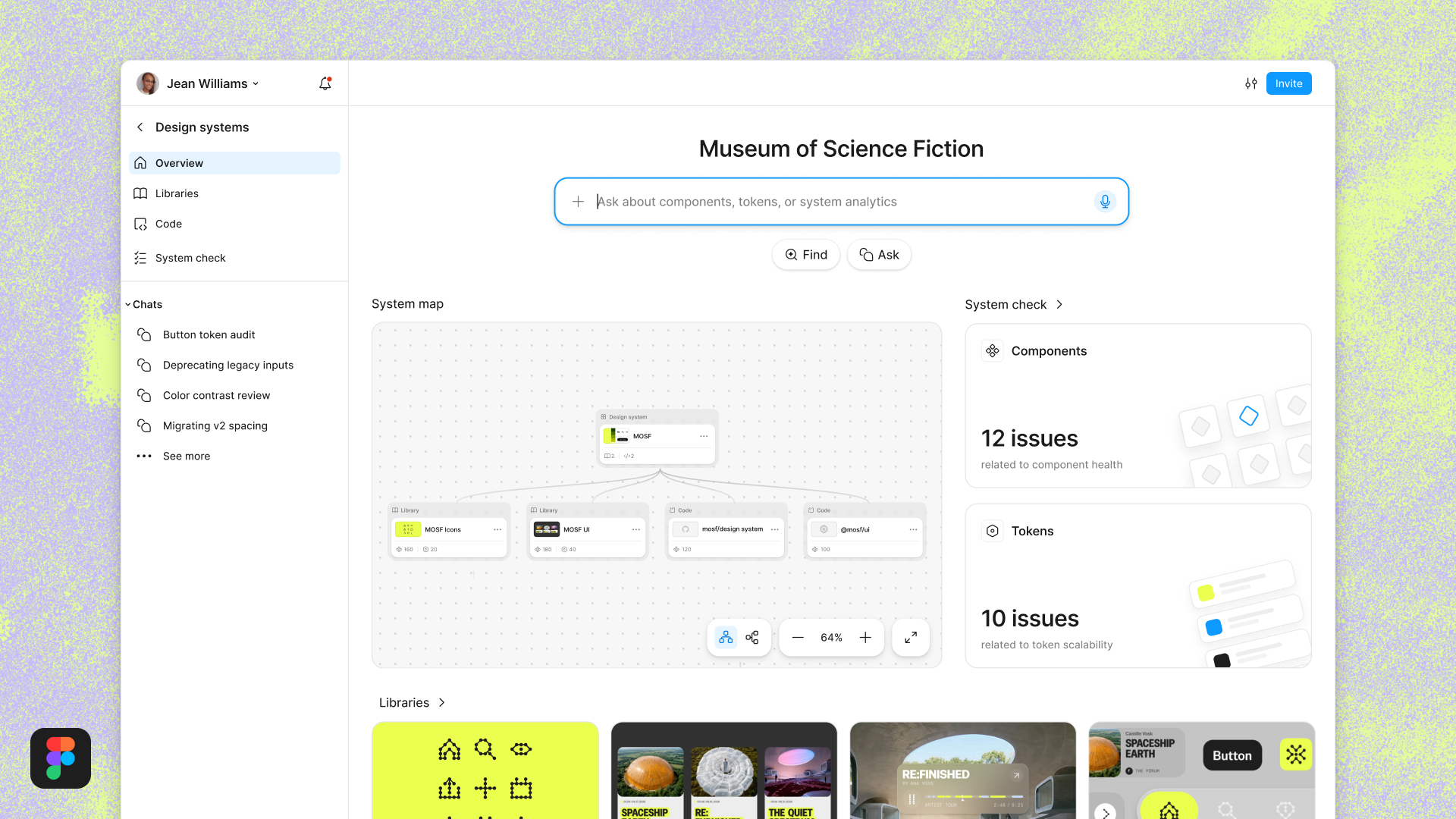
Figma Specs: A brand-new Markdown-based editor that allows teams to establish centralized design languages, guidelines, and reference architectures directly within Figma. Specs can live as standalone files or reside side-by-side on the canvas, embedding visual elements, FigJam diagrams, and code layers.
Code Layers Public Beta: First teased in a private beta last June, Code layers bring actual code execution directly onto the Figma canvas, enabling deeply interactive prototypes. Users can prompt AI agents to generate code from designs or modify existing code snippets directly within the app.
Payload CMS Integration: Following its acquisition of the open-source headless CMS Payload last year, Figma is integrating the platform into "Figma Make." This allows creators to dynamically generate websites and manage content natively, riding a wave that has seen Payload’s downloads surge sixfold over the past 12 months.
Model Context Protocol (MCP) Expansion: Figma is now supporting over 20 new external tools via its MCP framework, including Open Code, Dia, Grok Bot, and Sarvam, an Indian AI startup.
Strategic Focus on India: The company highlighted India as its largest market outside the United States, noting that its platform is currently utilized by 40% of the top 100 companies listed on the Bombay Stock Exchange (BSE).
Chronology: How Figma Scaled From UI Tool to AI-Driven Development Hub
Figma’s journey to this week’s announcements has been marked by a rapid sequence of strategic acquisitions, feature rollouts, and geographic expansions.
Late 2024: Signaling a massive bet on South Asia’s burgeoning tech ecosystem, Figma opened its first official office in India, establishing dedicated local teams for sales, partnerships, go-to-market strategies, and product support.
Late 2024 / Early 2025: Figma quietly acquires Payload, an open-source headless content management system, setting the stage for future web-generation capabilities.
June 2025: Figma initiates a private beta for "Code layers," giving select enterprise users their first taste of mixing native code blocks and animations with visual canvas elements.
October 2025 (Config India): Figma hosts its first-ever Config event in the country, using the stage to roll Code layers into public beta, announce Figma Specs, and officially tie Payload into its generation suite. Simultaneously, the company expands access to its on-canvas AI agent to a wider global user base.
Supporting Data: The Productivity Paradox and Market Footprint
Figma’s pivot toward code generation and context management is underscored by a profound shift in how modern software is built. Speaking to industry trends, Figma leadership highlighted a growing chasm between code output and actual product delivery.
According to Figma Chief Design Officer Loredana Crisan, the software industry is currently experiencing a massive productivity paradox brought on by generative AI:
"There are 17-times more lines of code being produced today than in the past. But when you’re looking at releases, only 1.3-times more releases. A lot of that code actually is not necessarily built to ship, but really built to discover what the product is. It’s built to design."
This data highlights why Figma is positioning itself as the central workspace for software conceptualization. By providing tools that bridge the gap between exploratory code and shippable products, the platform aims to capture the entire lifecycle of software creation.
Geographically, the timing of the India event aligns with hyper-growth in the region. Figma’s active user base in India now positions the country as its most vital international market. Penetrating 40% of the BSE top 100 demonstrates that Figma is no longer just a tool for nimble startups and tech-forward design agencies, but an entrenched enterprise standard across global financial and industrial powerhouses. Furthermore, Payload’s sixfold increase in downloads over the last year illustrates a surging developer appetite for headless architecture paired with visual building tools.
Official Responses and Strategic Vision
The introduction of Figma Specs and the expansion of Code layers are direct responses to a major limitation of modern generative AI: its non-deterministic nature. Because large language models and autonomous agents can drift from brand guidelines or invent non-existent UI components, developers and designers need robust guardrails.
Taming the AI Agent with Context
Figma Specs acts as the ultimate single source of truth. By writing design rules in Markdown—and linking those specs directly to code libraries, design libraries, and canvas elements—human teams create a deterministic rulebook that AI agents must follow.
"We see Figma as the place where software teams come to decide what they build and ship," Crisan explained. Because AI has fundamentally changed what is possible regarding rapid prototyping, the challenge has shifted from writing code to governing code.
By integrating Model Context Protocol (MCP) support for over 20 third-party tools—including regional powerhouses like India’s Sarvam—Figma is deliberately opening its ecosystem. Whether a team uses OpenAI, Grok Bot, or specialized local models, those third-party agents can now read the centralized Figma Specs, ensuring that AI-generated prototypes rigorously adhere to corporate brand rules, spacing standards, and design system constraints.
Powering Dynamic Content with Payload
The integration of Payload CMS directly addresses the friction of populating design prototypes with realistic data. Previously, designers had to manually mock up content or rely on clunky plugins. With Payload now woven into Figma Make, teams can hook up a powerful headless CMS directly to their dynamic websites, enabling instant content updates, real-time data flow, and seamless transitions from prototype to production architecture.
Implications: What This Means for Designers, Developers, and the AI Landscape
Figma’s latest announcements carry profound implications for the future of software development roles, enterprise workflows, and the broader tech tooling ecosystem.
1. The Blurring Lines Between Designer and Developer
With Code layers entering public beta and AI agents capable of translating text prompts directly into functional code, the traditional wall between design and engineering is crumbling. Designers are no longer just delivering static PNGs or Figma wireframes; they are orchestrating interactive, code-backed prototypes complete with animations and logic. Conversely, developers are being drawn earlier into the design phase to help establish the code libraries and Specs that govern these systems.
2. Enterprise Governance for GenAI
As enterprises rush to adopt AI coding assistants, maintaining brand consistency and design system integrity has become a nightmare. Figma Specs provides a desperately needed governance layer. By allowing companies to codify their design languages into structured, machine-readable documents, Figma ensures that automated AI agents won’t hallucinate non-compliant UI components or break accessibility standards.
3. A Challenge to Traditional IDEs and CMS Platforms
By swallowing more of the development lifecycle—from Markdown specs and code layering to headless CMS integration via Payload—Figma is increasingly stepping onto the turf traditionally owned by Integrated Development Environments (IDEs) like VS Code and traditional enterprise content management systems. While Figma is careful to position itself as the place where teams decide what to build rather than a replacement for deployment pipelines, the gravity of its platform continues to expand outward.
As Config India concludes, it is clear that Figma is no longer just a digital whiteboard or a layout tool. It is rapidly positioning itself as the foundational operating system for the AI-native software era—where human intent, design systems, and machine-generated code finally speak the exact same language.




 Asep Darmawan
 Siti Muinah
 Ali Ikhwan
