

Introduction: Beyond the Honeymoon Horizon
For decades, the global tourism and hospitality industry has meticulously engineered an exclusionary travel lexicon. We are intimately familiar with the "honeymoon"—a post-nuptial celebration reserved for couples embarking on marital life—and the "babymoon," a final getaway for expectant parents before their lives are upended by a newborn. Society has long set aside pristine resorts, candlelit dinners for two, and romantic sunset cruises exclusively for those traversing traditional, legally or socially sanctioned romantic milestones.
But what happens to the monumental, life-altering achievements of single women?
When a woman secures a major book deal, earns a master’s degree, lands a C-suite promotion, or simply decides to honor her personal resilience and autonomy, where is her equivalent celebration? Too often, single women find themselves traveling primarily to support others—flying across the country for bachelorette parties, buying bridesmaid dresses, attending destination weddings, or showering friends with baby gifts.
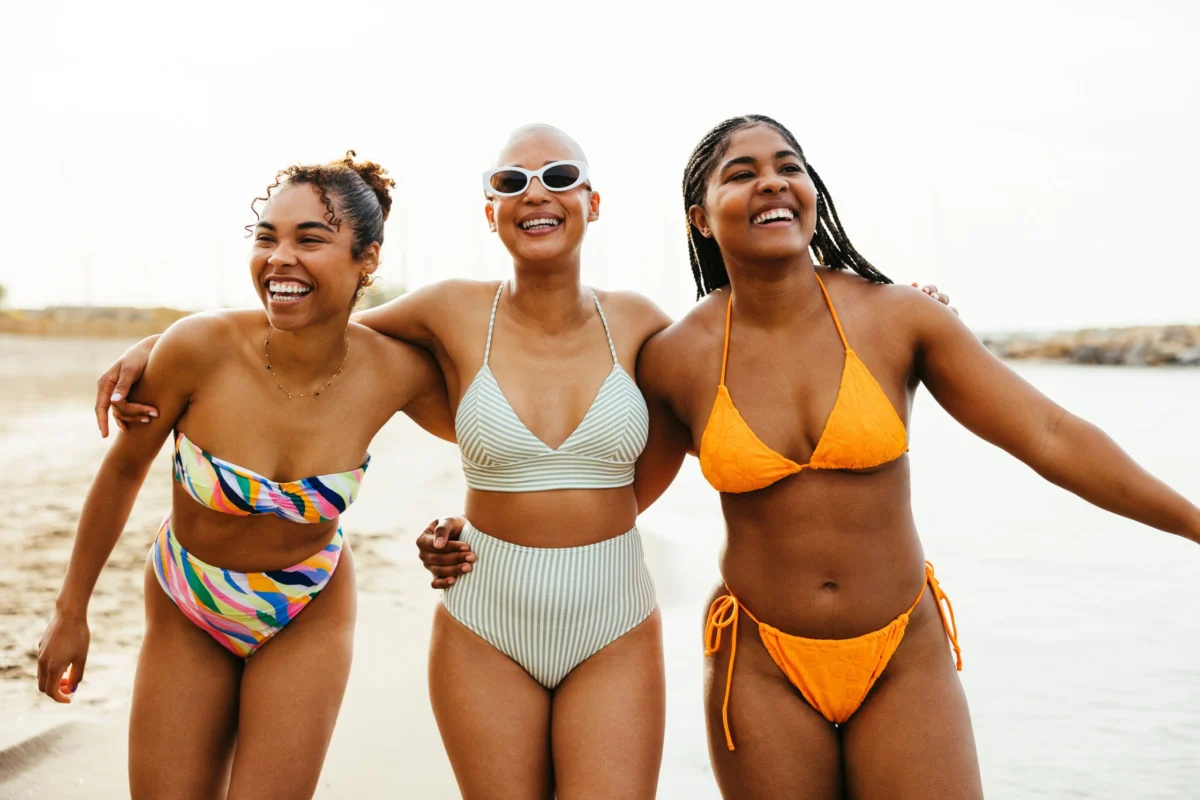
Enter the "we-moon": a revolutionary concept reclaiming luxury travel and milestone celebrations for single women and their chosen communities. Recently taking a group of close girlfriends to the sun-drenched shores of the Four Seasons Resort and Residences Anguilla to celebrate the launch of her debut book, one author discovered that redefining travel culture isn’t just about fun—it’s about rewriting society’s rigid timelines of success and companionship.
Main Facts: What is a "We-Moon"?
At its core, a we-moon is a destination celebration orchestrated by and for single women to honor non-traditional life milestones. While standard group vacations often focus on escaping routine or catching up, a we-moon carries the intentional weight and celebratory spirit typically reserved for romantic milestones.
- The Catalyst: A major personal or professional achievement that falls outside the standard marriage-and-children timeline (e.g., publishing a book, completing a degree, launching a business, or securing a major career promotion).
- The Dynamic: Typically organized by a core group of close friends—often described affectionately as a "throuple" of single girlfriends—who prioritize mutual support, shared joy, and collective adventure.
- The Setting: Premium, high-end destinations that traditionally cater to couples (such as luxury Caribbean resorts), effectively subverting the romantic narrative into a celebration of platonic love and individual triumph.
As the author noted while dodging sea of kissing honeymooners on a speedboat ride toward Anguilla, single women are entirely capable of occupying spaces designed for romance, transforming them into sanctuaries of female solidarity.
Chronology: Anatomy of the Anguilla Getaway
To understand how a successful we-moon operates in practice, one must look at the structural itinerary of the Anguilla retreat. Balancing group synergy with individual autonomy requires careful logistical planning, executed across a seamless multi-day timeline.
Phase One: Arrival and Decoupling from Routine
The trip began with a high-speed boat transfer across turquoise Caribbean waters. Navigating a resort saturated with newlyweds initially highlights the societal ubiquity of coupledom, but checking into a multi-room luxury villa at the Four Seasons immediately establishes a private basecamp. Rather than cramming into a single hotel room—a common pitfall of budget-conscious girls’ trips—the group opted for a layout featuring private sleeping quarters and dedicated bathrooms. This allowed early risers to read on their balconies undisturbed while late sleepers ordered room service, ensuring no friction tainted the opening hours of the trip.

Phase Two: Balancing Synergy and Solitude
Throughout the multi-day retreat, the itinerary struck a deliberate balance between collective bonding and solo pursuits:
- Optional Itineraries: Working alongside the villa’s concierge, the group mapped out activities with built-in flexibility. When a private poolside yoga session was scheduled, not everyone felt compelled to participate. While some rested, the author opted for a one-on-one session tailored to personal physical pain points and structural modifications.
- Shared Cultural & Culinary Adventures: Group bonding was anchored by novel experiences, such as a private margarita-making class hosted right at the villa’s bar. Measuring, shaking, and blending fresh lime juice, orange liqueur, and tequila served as a lighthearted social experiment where stumbling through a new skill invited shared laughter.
- Island Exploration: Excursions included renting Jeeps to traverse the island’s rugged terrain in search of hidden, pristine beaches, followed by synchronized group relaxation sessions at the resort’s luxury spa for Anguilla-themed massages.
Phase Three: The Unwinding and Deep Connection
The emotional climax of the trip was strategically scheduled for the evenings. Knowing that noisy restaurants or busy spa environments inhibit emotional vulnerability, the group curated intimate late-night settings. On the final evening, soaking in the villa’s private jacuzzi tub under the sunset while sipping wine created a safe, distraction-free container. Here, away from the grinding pace of daily life, the women unpacked professional anxieties, dating tribulations, and personal vulnerabilities, cementing their bonds on a deeper level.
Supporting Data & Expert Insights: The Psychology of Frictionless Group Travel
Planning a trip with friends—even with the best of intentions—can quickly devolve into logistical chaos or interpersonal tension. To ensure a we-moon remains restorative rather than draining, expert guidance is paramount.
Dr. Joy Harden Bradford, PhD, a licensed psychologist and author of Sisterhood Heals, emphasizes that destination celebrations require deliberate structural guardrails to prevent burnout and resentment.
1. Establish Budgetary Alignment Early
One of the most common pitfalls in group travel is mismatched financial expectations.
"Some people might say, ‘Oh, we don’t need a five-star hotel. We’re just going to be there to sleep. We’re going to be out.’ And other people are like, ‘No, I like luxury,’" notes Dr. Bradford.
Waiting until arrival to discover these disparities is a recipe for disaster. Transparent conversations regarding accommodations, dining, and activity costs must occur well before booking.
2. Safeguard Alone Time
Vacations often carry an inflated emotional weight. Because daily life is so demanding, people frequently project unrealistic expectations onto a trip, viewing it as the only chance to decompress all year. Dr. Bradford highlights the necessity of private sleeping quarters:

"I think having a place where everybody can retreat and have alone time is really good if that is something that the group can do. So private sleeping quarters are important."
3. Embrace Novelty for Brain Health
Participating in structured new experiences—like mastering margarita-making, taking up pickleball, or exploring a cooking class—does more than just create memories. Psychological research indicates that acquiring new skills stimulates neuroplasticity and cognitive vitality. Furthermore, doing so within a supportive peer group lowers the stakes of failure, turning awkward attempts into shared comedic relief.
Official Responses and Hospitality Industry Implications
The emergence of the we-moon points to a broader, seismic shift in consumer behavior within the global hospitality sector. For decades, marketing budgets for luxury resorts in destinations like Anguilla, the Maldives, and Santorini have hyper-targeted honeymooners and romantic couples.
However, travel analytics show a massive surge in solo female travel and group trips among women aged 25 to 55. High-end properties are slowly beginning to take notice.
- The Rise of Villa and Residence Rentals: Properties like the Four Seasons Private Retreats have experienced increased demand from groups seeking the infrastructure of a five-star hotel combined with the independent floor plans of a residential home. This hybrid model accommodates the we-moon philosophy perfectly: communal living areas for group laughter, paired with isolated master suites for personal solitude.
- Redefining Concierge Services: Modern resort concierges are increasingly trained to curate itineraries that move beyond romantic couples’ packages. Customized wellness retreats, private masterclasses (mixology, culinary arts, pottery), and modular scheduling reflect a hospitality market adapting to travelers who refuse to be bound by traditional relationship statuses.
Implications: Changing How Society Measures Success
The cultural relevance of the we-moon extends far beyond the travel industry; it represents a fundamental re-evaluation of how society validates female achievement.
For generations, a woman’s milestones were publicly fined-tuned and celebrated only when they intersected with domestic partnership—bridal showers, wedding registries, and baby showers. Milestones achieved independently—such as financial independence, artistic creation, academic mastery, or entrepreneurial success—have historically been met with quiet nods rather than grand celebrations.
By throwing destination celebrations for professional and personal victories, single women are actively dismantling the patriarchal notion that life’s greatest joys require a co-signer. They are democratizing luxury, claiming space in romantic paradises, and establishing a new cultural standard: that platonic female friendships are just as worthy of investment, celebration, and epic memory-making as any romantic union.
As the speedboat returns to the dock and the snapshots of island views are cataloged—inevitably framed by honeymooning couples in the background—the modern single traveler looks through the lens with a new perspective. The view may still feature couples, but the narrative belongs entirely to her.
 Asro
 Azzam Bilal Chamdy
 Nana
