

By Aimee Hart
Throughout its sprawling, six-decade history, Doctor Who has never shied away from deconstructing its titular hero. The Time Lord has frequently been held accountable for the sheer scale of collateral damage left in their wake, exposing a darker, more complex underbelly beneath the whimsical exterior of a madman with a box.
In “A Good Man Goes to War,” the Eleventh Doctor (Matt Smith) is forced to reckon with the horrifying reality that his legendary status and militant reputation have weaponized his friends, making him nearly as monstrous as the enemies he fights. In “The Waters of Mars,” the Tenth Doctor (David Tennant), reeling from the loss of Donna Noble, crosses a definitive moral line, using his absolute power over time to defy fixed historical points and save lives, driven by a dangerous god-complex. It remains a genuinely shocking, villainous pivot for a character who usually champions the sanctity of life.
Yet, despite these monumental character studies, one mid-season installment from Peter Capaldi’s inaugural year frequently flies under the radar. Aired in 2014, Series 8’s “The Caretaker” is often misremembered as a standard, disposable monster-of-the-week episode. Beneath its surface plot involving an invisible alien threat, however, lies one of the most painfully human, unhinged, and deeply hypocritical portrayals of the Doctor ever broadcast.
Main Facts: The Setup of ‘The Caretaker’
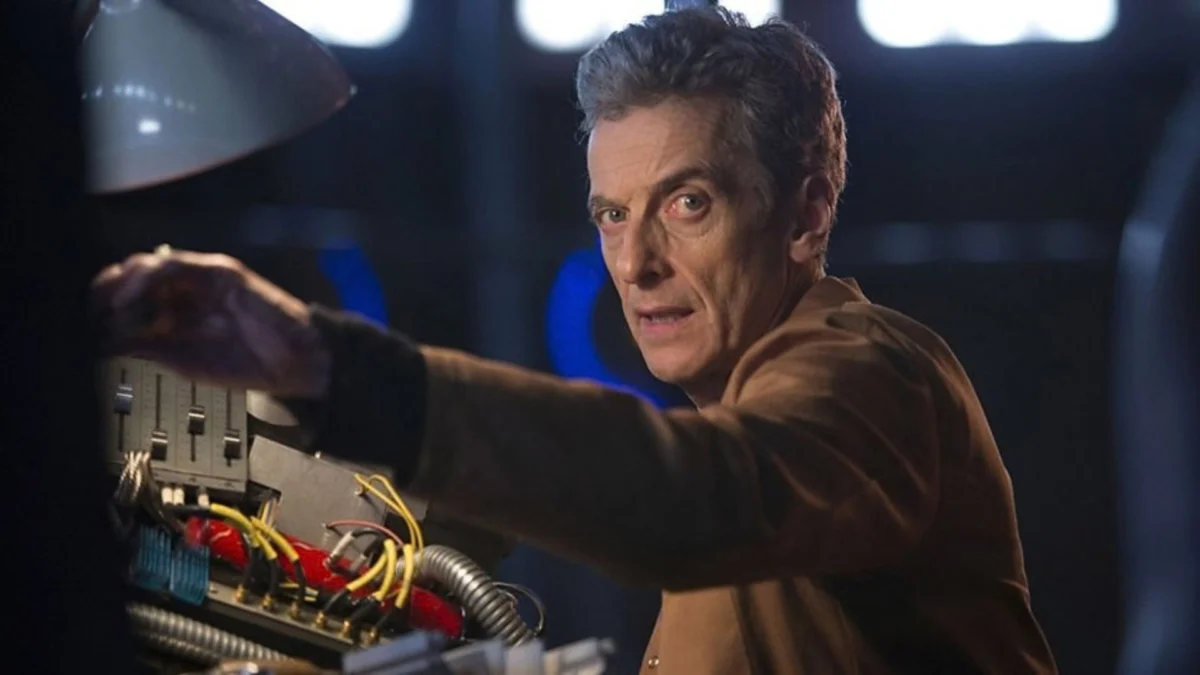
On paper, “The Caretaker” follows a relatively straightforward narrative arc. The Twelfth Doctor (Peter Capaldi) goes undercover as a school janitor at Coal Hill School—the historic institution where companion Clara Oswald (Jenna Coleman) teaches English—to track down and neutralize a dangerous piece of alien military hardware known as the Skovox Blitzer.

The Blitzer is a lethal, autonomous combat robot capable of destroying the Earth if provoked. While the sci-fi elements provide the narrative ticking clock, writer Gareth Roberts and showrunner Steven Moffat use the invasion as a backdrop for a much more grounded character drama. The core conflict of the episode does not stem from the titanium-plated robot, but rather from the explosive, uncomfortable collision between Clara’s two distinct worlds: her domestic, "normie" life teaching alongside and dating fellow educator Danny Pink (Samuel Anderson), and her extraordinary, galaxy-spanning adventures in the TARDIS.
When the Doctor’s clandestine operation at Coal Hill intersects with Clara’s personal life, it triggers a catastrophic clash of egos, culminating in an unflinching look at the Twelfth Doctor’s deep-seated prejudices, blinding jealousy, and profound hypocrisy.
Chronology: How the Collision Unfolded
To understand why “The Caretaker” remains a masterclass in character assassination—both literal and figurative—we must look at the sequence of events that dismantled the Doctor’s carefully curated worldview.
1. The Disguise and the Miscalculation
Arriving at Coal Hill School under the guise of a disgruntled caretaker, the Doctor believes he is managing a localized tactical situation. However, his abrasive, hyper-critical persona—a stark contrast to the whimsical, avuncular warmth of the Eleventh Doctor—immediately alienates everyone around him.
Crucially, early in the season, the Doctor had convinced himself that Clara’s romantic interests would logically align with her attachment to his past self. When he first encounters another Coal Hill teacher named Adrian—a man sporting a bow tie, tweed, and a mop of unruly hair that heavily mirrors Matt Smith’s iteration—the Doctor assumes Adrian is Clara’s boyfriend. To the Doctor’s ego, this makes complete sense; it validates his belief that Clara is fundamentally attached to his previous incarnation and views him through a lens of nostalgic sentimentality.

2. The Shock Reveal of Danny Pink
The fragile illusion shatters when the Doctor discovers that Clara is actually dating Danny Pink, a former British Army soldier turned mathematics and physical education teacher.
Rather than viewing Danny as an intelligent, emotionally grounded partner for his companion, the Doctor’s internal bias takes over. Blinded by an irrational disdain for military personnel, the Doctor immediately reduces Danny to a simplistic stereotype, sneeringly dismissing him as "a PE teacher" and questioning his intellect.
3. The Climax and Confrontation
As the Skovox Blitzer threatens to detonate on school grounds, the personal tensions inside Coal Hill boil over. Armed with a perception filter, the Doctor inadvertently exposes his time-travel adventures to Danny, thinking he can easily manipulate or dismiss the civilian teacher. Instead, Danny stands his ground, challenging the Doctor’s authoritarian demeanor and refusing to be patronized.
The confrontation forces Clara to mediate between the two most important men in her life. When Danny presses Clara to define her relationship with the Time Lord—asking outright if she loves the Doctor—she admits that she does, but "not in that way." When pushed to elaborate, Clara stumbles, realizing that the boundaries of her affection for the Doctor defy simple categorization.
Supporting Data & Context: The Mirror of the Soldier
What makes the Doctor’s hostility toward Danny so jarring is its sheer hypocrisy. Throughout Doctor Who’s modern era, the Doctor has frequently surrounded themselves with soldiers, veterans, and individuals shaped by military conflict. The Brigadier, Kate Lethbridge-Stewart, and UNIT personnel have long been treated as trusted allies.
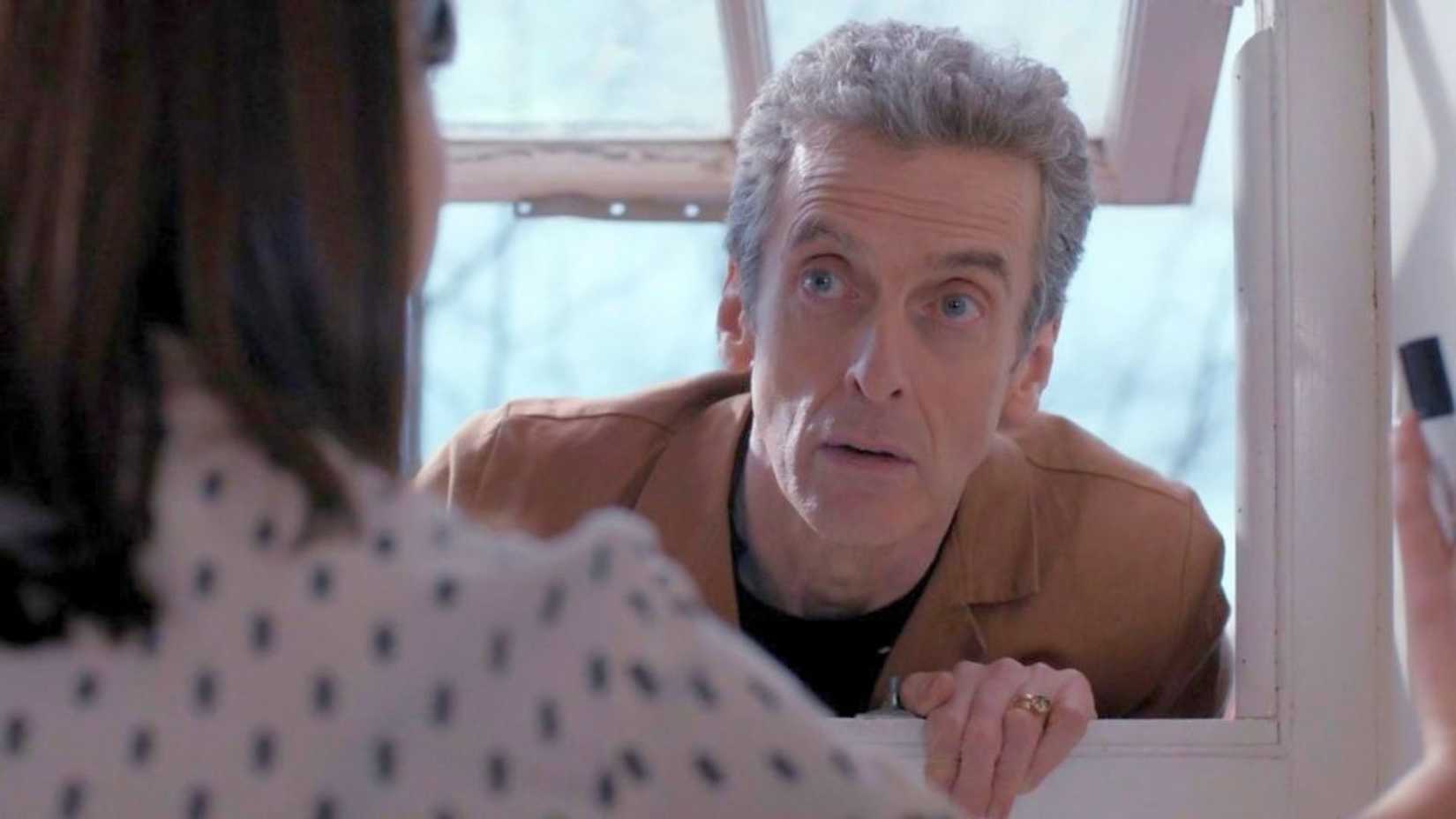
Yet, when confronted with Danny Pink, the Doctor’s reaction is uniquely venomous. Why? Because Danny serves as a dark, uncomfortable mirror to the Doctor’s own suppressed trauma regarding violence and warfare.
+-----------------------------------------------------------------+
|                       THE SOLDIER PARADOX                       |
+-----------------------------------------------------------------+
| THE DOCTOR:                                                     |
| • Claims to abhor violence and reject guns.                     |
| • Fought in the Time War (earning the title of "War Doctor").   |
| • Repeatedly transforms ordinary civilians into combatants.     |
+-----------------------------------------------------------------+
                                  VS.
+-----------------------------------------------------------------+
| DANNY PINK:                                                     |
| • Former British Army soldier carrying deep combat trauma.      |
| • Acknowledges his past sins and actively seeks a peaceful life. |
| • Honest about the psychological toll of taking a life.         |
+-----------------------------------------------------------------+
As Davros famously observes during the Series 4 finale: "The man who abhors violence, never carrying a gun, but this is the truth, Doctor: You take ordinary people and fashion them into weapons… behold your Children of Time, transformed into murderers."
The Doctor claims to hate violence, yet his entire existence is defined by it. He projects his self-loathing onto Danny, judging the former soldier for the exact same militaristic history that the Time Lord tries desperately to ignore within himself. By reducing Danny to a "PE teacher," the Doctor attempts to distance himself from his own identity as a warrior.
Official Responses and Creative Intent
When Series 8 aired in 2014, Peter Capaldi’s Doctor was intentionally designed to be abrasive and challenging. Speaking on the creative direction of the Twelfth Doctor, showrunner Steven Moffat and writer Gareth Roberts wanted to strip away the "boyfriend" dynamic that had occasionally crept into the Tenth and Eleventh Doctors’ relationships with their companions.
"We wanted a Doctor who wasn’t trying to charm everyone in the room," Moffat noted during the series’ promotional run. "Matt Smith’s Doctor could walk into a room and instantly make you love him. Peter Capaldi’s Doctor walks into a room and makes you wonder if he’s about to insult your tie."
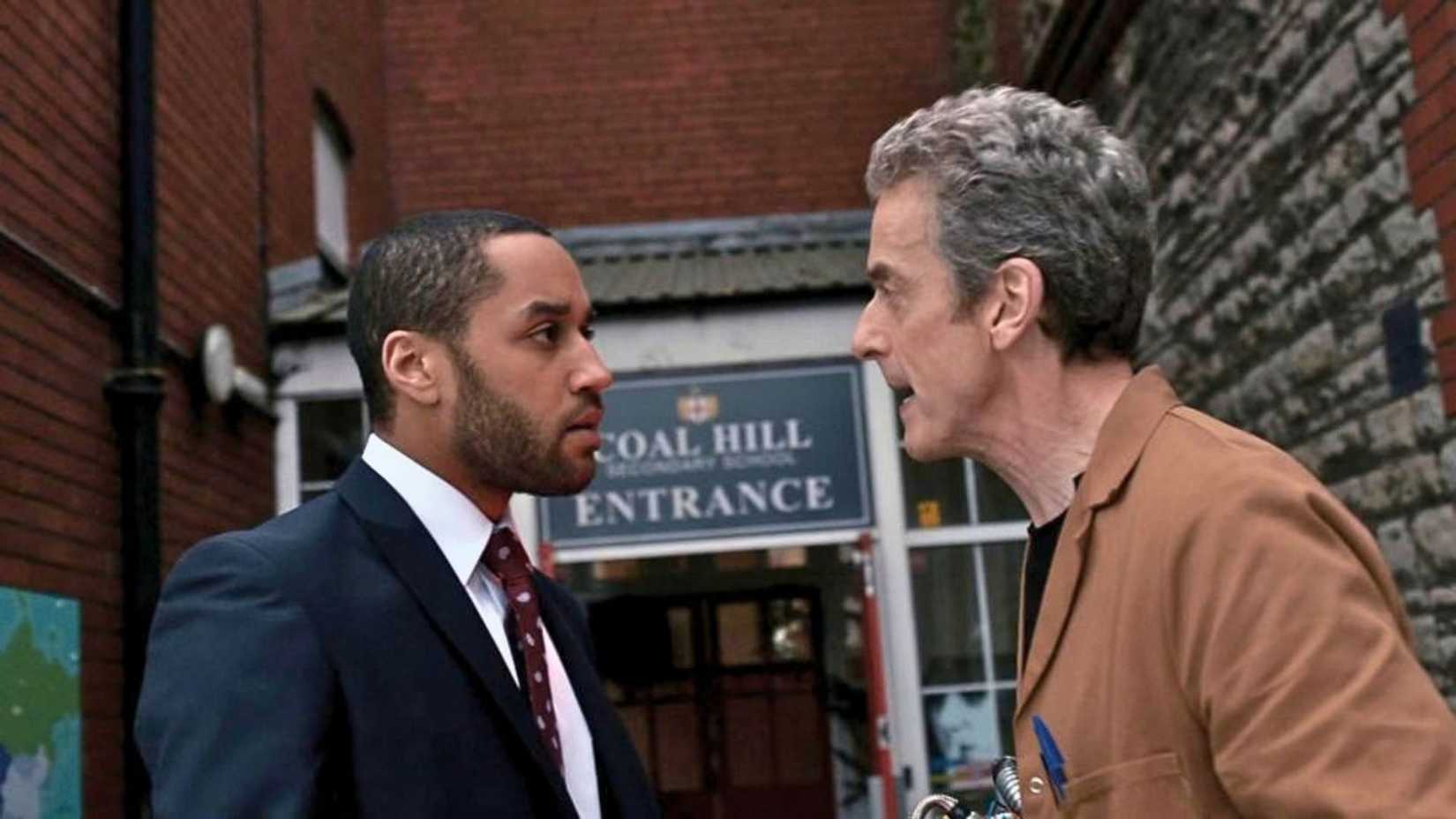
Roberts leaned into this friction for “The Caretaker,” utilizing the comedy of errors between Adrian, Danny, and the Doctor to anchor a deeper thematic exploration. The script does not excuse the Doctor’s snobbery; instead, it lays it bare for the audience to dissect. The Doctor is jealous not merely because Clara has a romantic partner, but because Danny represents an emotional maturity and grounding that the Doctor fundamentally lacks.
Implications for the Character Arc of the Twelfth Doctor
The legacy of “The Caretaker” reverberates far beyond a single monster-of-the-week format. It serves as a crucial turning point in Peter Capaldi’s multi-season evolution, setting up the broader themes of Series 8 regarding morality, identity, and empathy.
- The Death of the "Cool Uncle" Persona: By refusing to soften the Twelfth Doctor’s rough edges, the episode forced viewers to accept a protagonist who could be actively unlikable. This paved the way for Capaldi’s iconic speech in The Zygon Inversion and his ultimate redemption arc in Series 10.
- Re-Evaluating Companion Dynamics: The episode challenged the traditional power dynamic between the Doctor and their companions. Clara was no longer just a wide-eyed audience surrogate; she was an independent woman with a life, a career, and a partner who demanded accountability from the Time Lord.
- The Acceptance of Flaws: Ultimately, “The Caretaker” ends without a neat, tidy reconciliation between the Doctor and Danny. They reach a grudging, fragile truce—bound only by their mutual love for Clara and the hidden, regrettable scars of their respective pasts.
By showing the Doctor at his most petty, jealous, and hypocritical, “The Caretaker” achieved something far more valuable than a standard sci-fi victory: it proved that the Doctor’s greatest battles are often fought not against Daleks or Cybermen, but against their own reflection.
 Layla Zulfa
 Basiran
