

Solo Leveling has cemented its status as a powerhouse within the modern anime and webtoon landscapes. Adapted from Chugong’s globally celebrated web novel and brought to breathtaking visual life by studio A-1 Pictures, the franchise is the ultimate video game-inspired power fantasy. Set in a world plagued by dangerous gates that spawn monstrous beasts, humanity relies on superpowered individuals known as Hunters.
At the center of this sprawling epic is Sung Jin-woo, an E-Rank hunter who is initially regarded as the "Weakest Hunter of All Mankind." Following a near-fatal encounter within a mysterious double dungeon, Jin-woo is chosen by a mysterious, video game-like interface known as the System. This grants him the unprecedented, singular ability to level up infinitely, eventually rising to become the formidable Shadow Monarch.
While Jin-woo’s meteoric ascent provides an adrenaline-fueled narrative that has captivated millions worldwide, the hyper-focus on a singular protagonist inevitably comes at a cost. The series often pushes its expansive supporting cast to the sidelines, cutting short character arcs that held immense potential.
Here is a comprehensive breakdown and journalistic examination of five Solo Leveling characters whose narrative journeys were cut frustratingly short, leaving fans wanting more.
1. Main Facts: The Anatomy of a Singular Power Fantasy
To understand why certain characters feel undercooked, one must first analyze the foundational mechanics of Solo Leveling.
- The Core Premise: The narrative structure is intentionally built around Jin-woo’s solitary growth. Because the "System" is uniquely tied to him, other characters cannot scale in power at the same exponential rate.
- The Specter of Power Creep: As global threats evolve from simple dungeon breaks to ancient Monarchs and cosmic entities, traditional hunters—even those ranked as S-Class—are rendered obsolete.
- The Narrative Sacrifice: Supporting figures frequently exist to highlight Jin-woo’s overwhelming dominance, often sidelined or killed off before their individual lore can be fully explored.
Despite these structural constraints, characters like Esil Radiru, Christopher Reed, and Sung Il-Hwan possessed rich backstories, unique moral alignments, and deep thematic connections to the world that deserved extensive exploration.
2. Chronology: The Trajectory of Marginalized Figures
The mishandling of these characters can be mapped across the timeline of Jin-woo’s development, starting from his early days as a low-rank survivalist to his status as a global entity.
Phase One: The Early Struggles (Lee Joohee)
During the early D-Rank and C-Rank dungeon arcs, Lee Joohee served as a vital emotional anchor. As a B-Rank Healer who befriended Jin-woo when everyone else dismissed him, Joohee’s presence humanized the brutal reality of hunting. However, the psychological trauma she suffered inside the Cartenon Temple (the Double Dungeon) permanently altered her trajectory. Rather than overcoming her fear through a traditional shonen redemption arc, Joohee chose a peaceful life, quietly retiring from the industry. While realistic, her abrupt disappearance removed a crucial human perspective from Jin-woo’s inner circle.
Phase Two: The Mid-Tier Expeditions (Esil Radiru)
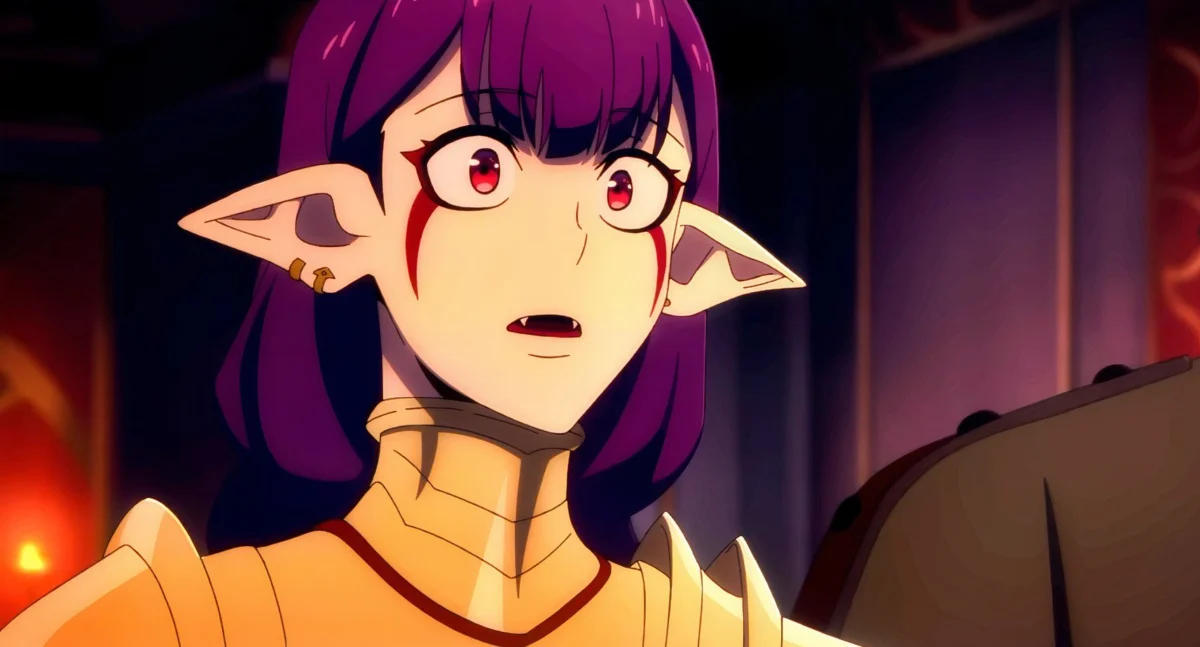
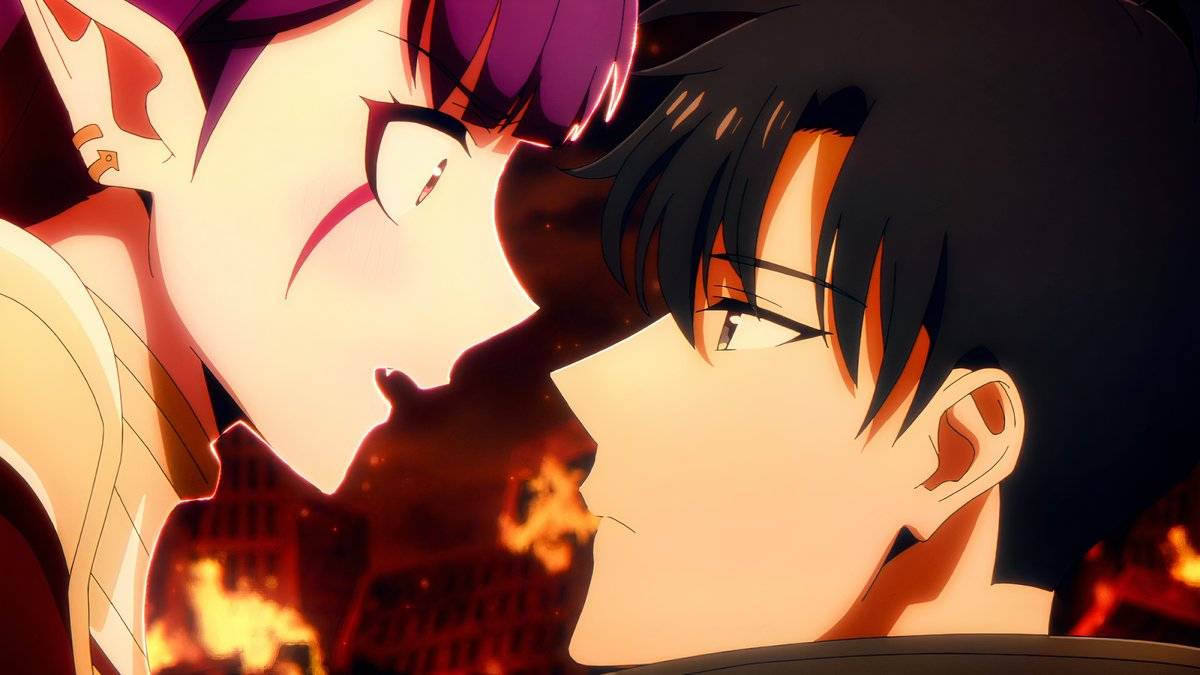
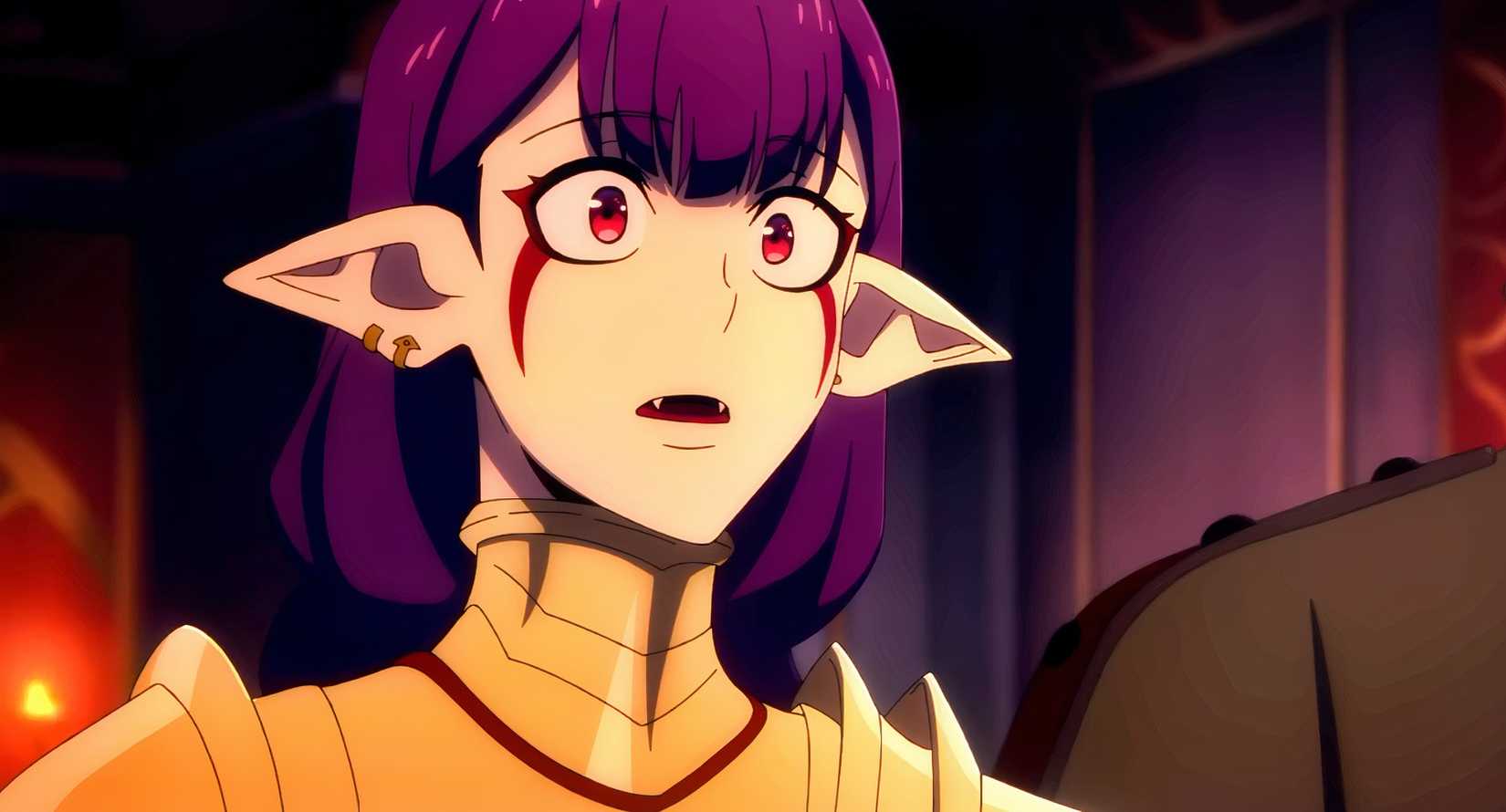
As Jin-woo conquered the Demon Castle—a massive instance tower—he encountered Esil Radiru, an intelligent demon noble and princess of the Radiru Clan. Initially hostile, Esil quickly adapted to her circumstances, aligning with Jin-woo to navigate the treacherous upper floors. Esil brought witty levity and a unique perspective on the demon society. Yet, her arc concluded rapidly once the Demon King Baran was defeated. Fortunately, the spin-off sequel Solo Leveling: Ragnarok (focusing on Jin-woo’s son, Sung Suho) later elevated Esil to the Monarch of Gluttony, rectifying some of the original text’s omissions.
Phase Three: Global Escalation and Tragic Exits (Christopher Reed, Sung Il-Hwan, and Goto Ryuji)
As the narrative expanded globally, the introduction of S-Rank and National Level Hunters promised a wider geopolitical scope. Instead, these titans were deployed largely as narrative stepping stones:

- Goto Ryuji: Japan’s strongest hunter was introduced with high political ambitions and ruthless pragmatism. His hubris during the Jeju Island raid made him a compelling foil to Jin-woo, but he was dispatched instantly by the Ant King, abruptly ending a major international antagonist arc.
- Christopher Reed: One of America’s elite National Level Hunters, Reed commanded devastating fire magic. Yet, his introduction was immediately overshadowed by a pre-ordained death prophecy. Ambushed by three Monarchs, Reed perished in his own mansion, leaving his vast potential as a global protector entirely unexplored.
- Sung Il-Hwan: Jin-woo’s father provided the narrative’s most emotionally resonant missed opportunity. Trapped in a dungeon for a decade and later resurrected as a vessel for the ancient Rulers, Il-Hwan sacrificed himself before he could truly reconnect with his family or provide closure regarding the cosmic war.
3. Supporting Data: The Quantitative Impact of Cast Attrition
While Solo Leveling thrives on brisk pacing and relentless action, fan feedback and textual analysis reveal a distinct pattern regarding narrative depth versus spectacle:
| Character Name | Rank / Title | Initial Narrative Potential | Ultimate Fate | Extended Universe Status (Ragnarok) |
|---|---|---|---|---|
| Esil Radiru | Demon Noble / Princess | High (Demonic lore & diplomacy) | Sidelined post-Demon Castle | Expanded role as Monarch of Gluttony |
| Christopher Reed | US National Level Hunter | High (Elemental magic & global politics) | Killed early by the Monarchs | Perished again in the revised timeline |
| Lee Joohee | B-Rank Healer | Medium (Emotional grounding for Jin-woo) | Retired due to severe PTSD | Absent from active narrative |
| Sung Il-Hwan | S-Rank / Rulers’ Vessel | Very High (Familial reconciliation & lore) | Died after a brief reunion | Remains a tragic historical figure |
| Goto Ryuji | Japanese Guild Master | High (Geopolitical rivalry and foil) | Decapitated by the Ant King | Deceased |
The data highlights a clear creative choice by author Chugong: prioritize the singularity of the Shadow Monarch over the horizontal growth of the world’s power structures.
4. Official Responses and Industry Reception
The adaptation of Solo Leveling by A-1 Pictures has prompted widespread discussions within the anime community regarding the adaptation of "webtoon-style" narratives. Unlike traditional manga, which often undergoes rigorous editorial restructuring for weekly magazine syndication, web novels and webtoons are frequently optimized for vertical scrolling, rapid gratification, and direct narrative focus on the protagonist.
Creator and Studio Intent
Industry analysts note that maintaining the breakneck pacing of Solo Leveling is precisely what drove its international success. Diluting Jin-woo’s screen time to flesh out secondary characters like Christopher Reed or Goto Ryuji risks breaking the momentum of the power fantasy.
However, director and production team interviews surrounding Season 2 indicate an active effort to expand upon background details. Studio A-1 Pictures has selectively integrated anime-original scenes to give minor characters slightly more breathing room, acknowledging that visual animation provides an opportunity to enhance emotional resonance where the original manhwa rushed ahead.
5. Implications: What This Means for the Franchise’s Future
The handling of Solo Leveling’s supporting cast carries significant implications for the broader franchise, particularly as it expands into multi-media projects, video games like Solo Leveling: Arise, and the generational sequel Solo Leveling: Ragnarok.
The Expansion Dilemma
As universes like Solo Leveling grow, fans increasingly demand world-building that extends beyond the primary hero. When major political figures like Christopher Reed or regional powerhouses like Goto Ryuji are killed off without leaving a lasting ideological impact, the world feels smaller and less dangerous in geopolitical terms—it becomes a backdrop rather than a living ecosystem.
Remediation Through Sequels
The positive reception of Esil Radiru’s expanded role in Solo Leveling: Ragnarok proves that audiences crave depth from characters who were previously discarded. By weaving past sidelined figures into the next generation’s struggles, the creators have a second chance to rectify past narrative bottlenecks.
Final Thoughts
Solo Leveling will always be defined by Sung Jin-woo’s solitary rise to godhood. Its core appeal relies on the sheer satisfaction of watching an underdog shatter every ceiling placed before him. Yet, characters like Esil, Joohee, Il-Hwan, Reed, and Goto demonstrate that a power fantasy doesn’t necessarily have to render its supporting players completely disposable. By granting these figures room to breathe, the franchise could have elevated its high-octane spectacle into a truly legendary, multi-dimensional epic.
 Suro Senen
 Nana Muazin
