

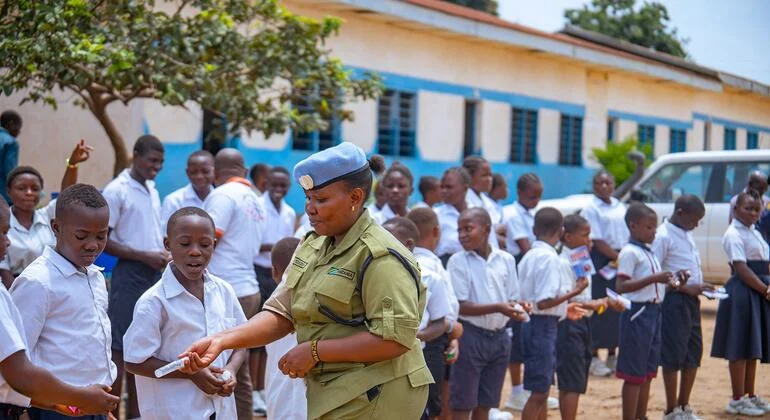
The Democratic Republic of the Congo (DRC) is currently grappling with one of the most complex health emergencies of the decade. As the Ebola virus spreads across vast, volatile territories, the international community is racing to reconcile the immediate medical requirements of containment with the devastating socioeconomic fallout affecting thousands of families. With nearly 10,000 cases recorded and a death toll that has eclipsed 4,700, the situation serves as a stark reminder of the volatility of infectious diseases in regions defined by conflict and systemic fragility.
The Current State of the Outbreak: Key Facts
The Ebola virus disease outbreak, officially declared in mid-May, has transformed from a localized health crisis into a regional emergency. The virus has permeated eight provinces within the DRC, moving from the eastern conflict zones into the remote, hard-to-reach northwest province of Nord-Ubangi.
The scale of the crisis is unprecedented in the modern history of the region. To date, there have been 9,765 confirmed and suspected cases. The mortality rate remains harrowing, with 4,727 lives lost. Beyond the raw numbers, the human logistical burden is immense: health authorities are currently tracking 30,000 individual contacts daily to ensure that potential chains of transmission are broken within the critical 21-day incubation window.
Dr. Catherine Smallwood, the World Health Organization (WHO) incident manager in the DRC, has issued a blunt warning to the global community: “If we lift the foot off the pedal, the virus will resurge very quickly, will continue to spread to newly affected areas and pose a threat for the country, the region and the world at large.”
Chronology of a Spreading Threat
The current epidemic began in the eastern DRC, a region already plagued by civil unrest and humanitarian displacement. The geography of the outbreak has proven to be a significant adversary to medical responders. As the virus has migrated into more remote areas, the logistics of transport have become increasingly strained; many affected communities are inaccessible by plane or vehicle, requiring responders to rely on motorcycles or boats to reach patients, often taking several days to traverse the difficult terrain.
Following the initial outbreak, the virus demonstrated its mobility by crossing borders. While a smaller, separate outbreak in Uganda was successfully declared over in August, the virus has surfaced in Nigeria, France, and Kenya, illustrating the interconnected nature of the modern world. The Kenyan experience, in particular, has become a focal point for international observers studying containment strategies. After a Kenyan national who had been working in the DRC returned home via Uganda and subsequently died, authorities moved quickly to quarantine over 100 individuals who had been in contact with him.
Supporting Data: The Anatomy of the Crisis
The numbers provided by the WHO and the World Food Programme (WFP) paint a picture of a "crisis on top of a crisis." The intersection of disease, bereavement, insecurity, and hunger has created a synergistic effect that makes recovery exceptionally difficult for the average citizen.
Treatment and Infrastructure
- Bed Capacity: The WHO set an ambitious goal of 3,000 beds across affected areas to handle the surge of patients. As of the latest reports, over 2,000 beds are currently operational, representing a significant improvement in regional care capacity.
- Survival Rates: Despite the grim mortality figures, there is cause for hope. Over 2,600 survivors have been recorded in the DRC. New clinics are being established specifically to provide post-Ebola care, monitoring for long-term health complications and offering vital psychosocial support for those who have lost family members.
- Community Detection: A major indicator of success or failure in Ebola containment is the number of deaths occurring outside of official treatment centers. A decline in "community deaths" has been observed over the past week, suggesting that efforts to increase early detection and rapid referral are beginning to take root.
Official Responses and Humanitarian Challenges
The response to the crisis is a multi-agency effort involving the WHO, the WFP, and local government health ministries. However, the operational challenges are immense.
The WFP’s Role: Addressing Food Insecurity
For families in the DRC, Ebola is often a secondary concern to the immediate threat of starvation. The conflict has prevented many farmers from accessing their fields, leaving them with no means of subsistence. David Stevenson, the WFP Representative in the DRC, highlights the case of individuals like Francine Birungi Amoti. Amoti, who lost a child to the virus, is now the primary caregiver for six other children and a newborn. For families in her position, food assistance is the only barrier between survival and total destitution. The WFP has stepped in to provide essential supplies, ensuring that those in quarantine or displaced by the virus do not starve while they are unable to work.
The Challenge of Healthcare Fragmentation
One of the most persistent hurdles identified by the WHO is the fragmentation of the healthcare system. In many parts of eastern DRC, patients are visiting between two and five different health facilities before finally being referred to an Ebola-specific treatment center. This delay is fatal; the earlier a patient receives supportive care, the higher their chances of survival. This "referral bottleneck" remains a high-priority challenge for health officials working to streamline the pathway from symptom onset to specialized care.
Implications for Global Health Security
The containment of Ebola in Kenya provides a template for how nations should respond to cross-border threats, but it also highlights the social stigma that health crises often trigger.
The Stigma of Quarantine
Dr. Neema Rusibamayila Kimambo, the WHO representative in Kenya, has been vocal about the need to protect those in quarantine from social ostracization. The 100-plus individuals who were monitored in Kenya were not necessarily sick; they were simply contacts. As they began completing their 21-day quarantine cycles, Dr. Kimambo emphasized that their sacrifice was a vital public service that prevented the community from facing a wider outbreak. She urges the public to view these individuals with support rather than suspicion.
The "Nobody is Safe" Doctrine
The fundamental takeaway from the current Ebola epidemic is that national borders are porous to pathogens. The message from the WHO is clear: “Africa is very interconnected and nobody is safe until everyone is safe.”
As long as the virus maintains a stronghold in the DRC, the risk of international transmission remains non-zero. The implication for global policy is a mandate for sustained, long-term preparedness. Governments cannot afford to view Ebola as a localized African problem; it is a global health security issue that requires consistent funding, international intelligence sharing, and a robust commitment to strengthening healthcare infrastructure in vulnerable regions.
Conclusion: A Long Road Ahead
The "burden and loss" described by Dr. Smallwood is not merely a statistical reality but a permanent scar on the communities of the DRC. While the infrastructure for treatment is improving and the rate of community deaths is showing signs of slowing, the outbreak is far from over.
The path forward requires a dual approach: a relentless pursuit of medical containment—identifying every contact and ensuring every patient reaches a treatment center—and a deep commitment to the humanitarian needs of those whose livelihoods have been shattered by the crisis. As the international community continues to monitor the situation, the focus must remain on the human element: the families in the DRC who need food, the survivors who need care, and the regional neighbors who must remain vigilant. The crisis in the DRC is a litmus test for global solidarity, and the world is currently standing at a critical juncture. The success of the response will depend on the continued ability of global agencies to adapt, iterate, and stay the course until the threat is truly eradicated.
 Siti Muinah
 Lina Hope
 Asro
