

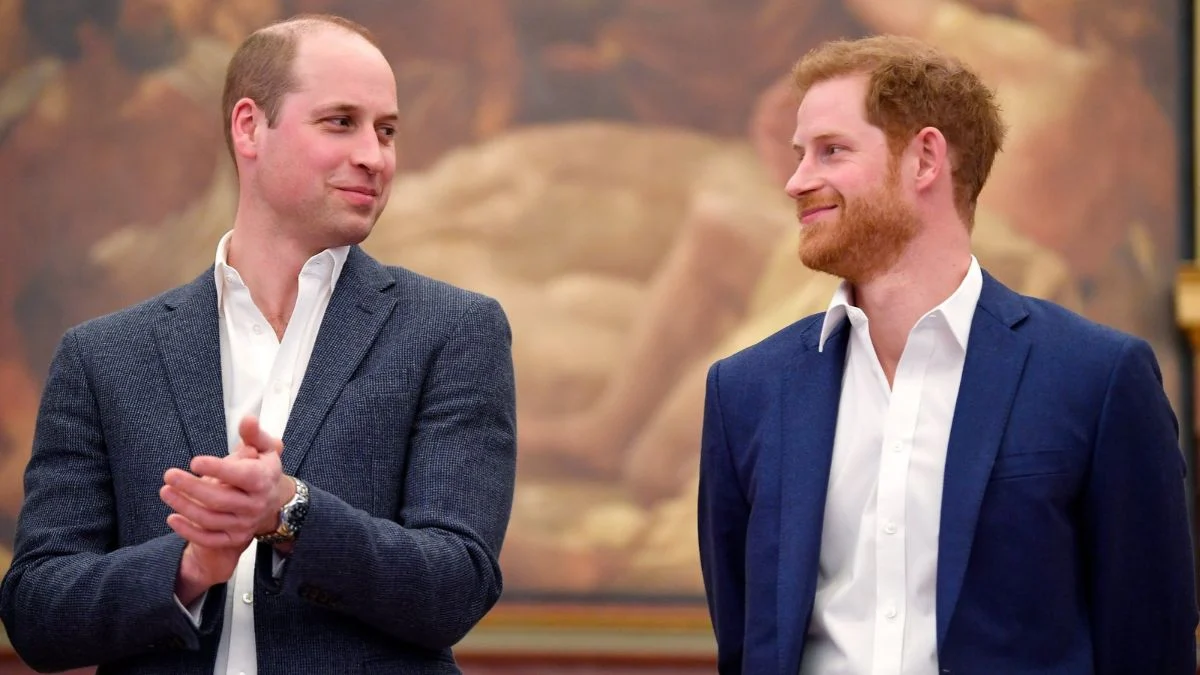
The modern narrative surrounding the British Royal Family is dominated by a singular, persistent tragedy: the profound and seemingly irreparable estrangement between Prince William, the Prince of Wales, and his younger brother, Prince Harry, the Duke of Sussex. To the global public, the brothers are now symbols of a fractured institution, their relationship defined by cold silence, legal disputes, and the heavy weight of “Megxit.”
However, a rare, intimate perspective from a long-serving former staff member has recently emerged, providing a poignant counter-narrative to the current vitriol. By looking back at their formative years at Highgrove House, observers are being reminded of a time when the brothers were not rivals, but a united front—a duo defined by camaraderie, laughter, and an unshakable bond.
The Highgrove Recollections: A Window into a Lost Innocence
Jack Stooks, a former staff member who served at King Charles III’s Highgrove estate for two decades, recently offered a glimpse into the domestic life of the young royals. His testimony serves as a stark reminder that before the pressures of the Crown, the media spotlight, and the fallout of 2020, William and Harry were simply two boys navigating the complexities of their unique upbringing together.
“William and Harry were just good fun and had a sense of humor,” Stooks remarked in an interview with the Daily Express US. “They bounced off each other and were very friendly. The two of them always seemed inseparable as brothers and seemed like best friends.”
This testimony is significant not merely for its nostalgia, but because it challenges the retrospective narrative that the two were always destined for conflict. Stooks’ account suggests that the foundation of their early relationship was built on genuine affection, casting a longer shadow over the bitterness that defines their current interactions.
A Chronology of the Rift: From "The Spare" to Total Estrangement
To understand the gravity of the current situation, one must trace the timeline of the disintegration of their relationship. The shift from "inseparable brothers" to distant antagonists did not happen overnight.
The Foundation of Unity (1984–2010)
For much of their childhood and young adulthood, the brothers were viewed as a singular unit. Following the tragic death of their mother, Diana, Princess of Wales, in 1997, the world watched as the two navigated their grief side-by-side. They served in the military together, supported each other’s charitable endeavors, and appeared as a cohesive team in public engagements.
The Catalyst of Change (2016–2019)
The first public fissures began to appear following Prince Harry’s courtship of Meghan Markle. In 2017, the brothers announced the separation of their households, citing a desire to pursue their own paths. While framed as a natural progression of adulthood, palace insiders later suggested that William had expressed concerns regarding the speed of Harry’s relationship, a move that Harry interpreted as a lack of support.
The Departure and the Escalation (2020–2022)
In January 2020, the Sussexes announced their intention to step back as senior working royals. The fallout was immediate and public. The subsequent 2021 interview with Oprah Winfrey acted as an accelerant, as the couple aired grievances regarding systemic racism and a perceived lack of mental health support within the institution. This was followed by a 2022 Netflix docuseries that provided a highly personal account of their experiences, further widening the gap.
The Memoir and the Point of No Return (2023)
The publication of Harry’s memoir, Spare, in January 2023, is widely considered the point of no return. Within its pages, Harry detailed a physical confrontation with William, alleging that his brother had knocked him to the floor during a heated argument over Meghan. Furthermore, Harry’s criticisms of Queen Camilla and his candid assessment of Princess Kate’s relationship with Meghan left the royal household in a state of deep distress.
Supporting Data: The Cost of the Conflict
The estrangement has had tangible, measurable impacts on the institution of the monarchy and the private lives of the individuals involved.
Public Perception and Polling
Data from various UK-based polling firms, including YouGov, has shown a precipitous decline in Prince Harry’s popularity among the British public following the release of his memoir. Conversely, while Prince William has remained a pillar of stability, the ongoing drama has frequently distracted from his core objectives regarding environmentalism and homelessness, forcing the Royal Family into a defensive PR posture.
The Financial and Security Divide
The debate over security arrangements remains a central sticking point. Harry’s ongoing legal battles with the UK Home Office regarding his security detail highlight the practical difficulties of his "hybrid" status—an issue that continues to complicate any hope of a return to normalcy. The financial independence of the Sussexes, while a stated goal, remains a point of intense public and media scrutiny, further fueling the "wealth and spending" narratives that keep the brothers’ names in the headlines.
Official Responses: The Silence of the Palace
The "never complain, never explain" ethos of the House of Windsor has never been more visible than in the current handling of the Sussex saga.
Following the release of Spare and the subsequent media blitz, Buckingham Palace and Kensington Palace have maintained a strict policy of silence. While the media has reported on "sources close to the Prince of Wales" suggesting that William is "deeply hurt" and "focused on his duty," there have been no official statements addressing the specific allegations made by the Duke of Sussex.
This tactical silence is a deliberate strategy. By refusing to engage in a public "tit-for-tat," the royal institution aims to preserve its dignity and minimize the oxygen provided to the controversy. However, critics argue that this silence has allowed the narrative to be shaped entirely by the Sussexes’ perspective, leaving the Prince of Wales in a vulnerable position where his side of the story remains largely unheard.
Implications: A Monarchy in Transition
The implications of this ongoing divide extend far beyond the personal hurt felt by two brothers.
The Future of the Monarchy
As King Charles III continues his reign, the absence of Prince Harry—once a central, charismatic figure for the institution—leaves a void. The "Fab Four" era, once heralded as the future of the monarchy, is gone. This forces the institution to rely heavily on the Prince and Princess of Wales, placing an immense burden on them to maintain the relevance and popularity of the Crown in an increasingly skeptical climate.
The Loss of a Shared History
Perhaps the most profound implication is the loss of a shared witness to their family’s history. As Jack Stooks noted, the brothers shared a life that only they could truly understand. With the rift, both men have lost their primary link to their childhood, their shared memories, and their common identity as the sons of Diana.
The Possibility of Reconciliation
While the current outlook remains grim, history suggests that family rifts can eventually heal—or at least evolve. However, reconciliation requires a level of vulnerability and compromise that both sides currently seem unable to provide. Until the public grievances are replaced by private dialogue, the "inseparable" brothers of Highgrove remain a memory of a bygone era.
Conclusion
The recollections of Jack Stooks offer more than just a trip down memory lane; they serve as a benchmark for what has been lost. While the political and personal realities of the current situation cannot be ignored, it is essential to acknowledge the humanity behind the headlines.
Prince William and Prince Harry are not merely public figures or subjects of a palace soap opera; they are brothers who once found joy in each other’s company. As the world watches to see how this story unfolds, the contrast between the laughter in the Highgrove kitchen and the silence of the current day serves as a poignant reminder of the high price of duty, ideology, and the unforgiving nature of the public eye. Whether they can ever find their way back to that earlier, simpler friendship remains one of the most compelling questions of the modern royal era.
 Azzam Bilal Chamdy
 Nana
Nana
