

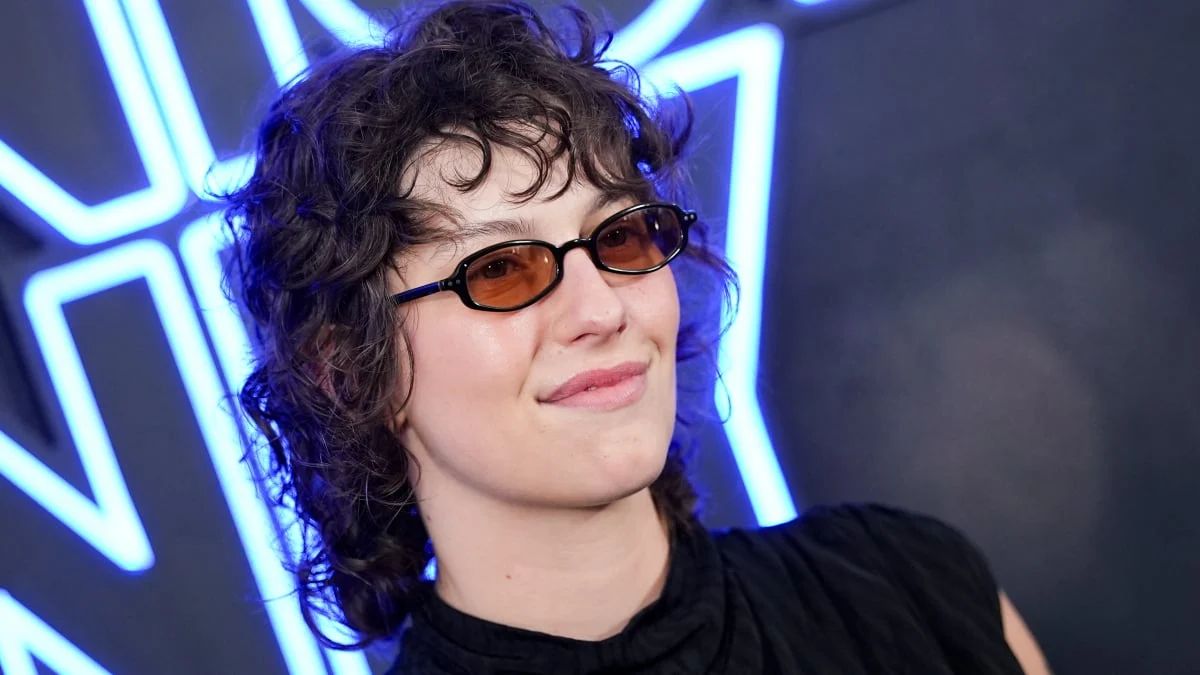
On the final day of Bisexual Visibility Month, a brewing storm on social media once again thrust the intricacies of queer labels, community definitions, and celebrity culture into the spotlight. At the heart of the controversy is a resurfaced podcast clip featuring musician King Princess, whose candid remarks about her sexuality have ignited intense debate across Reddit, X, TikTok, and Instagram.
While the artist insists that her identity is entirely her own to define, the backlash and subsequent discourse have exposed deeper, persistent rifts regarding what it means to be a lesbian, the societal stigma still faced by bisexual individuals, and the policing of queer boundaries in the digital age.
Main Facts
The controversy stems from a November 2024 appearance by musician King Princess—who publicly identifies as a lesbian—on the podcast Celebrity Book Club with Steven & Lily. During the episode, a clip of which resurfaced on social media platforms, the singer-songwriter made remarkably frank remarks about her sexual history with men.
"I’ve taken a lot of dick," King Princess said on the podcast. "Sometimes you get bored, and you’re just like, ‘I’m just gonna ride a cock.’ People get really shook when I say that… I’m not bi, but why would I exclude myself?" She further remarked, "I would fuck a dude if I was bored enough."
These comments triggered immediate and widespread fallout within online sapphic communities. Critics argued that her behavior and statements directly contradicted the foundational definition of lesbianism—specifically, a monosexual attraction exclusively to women and non-men, free from sexual or romantic engagement with men. Conversely, supporters defended her right to self-determination, arguing that sexual histories do not strictly dictate current identities and that policing an artist’s self-applied label is counterproductive.
The situation escalated when King Princess addressed the backlash through a series of now-deleted TikTok videos and social media posts, rejecting the label of bisexual while doubling down on her identity as a lesbian.
Chronology of Events
November 2024: The Podcast Recording
During her guest appearance on Celebrity Book Club with Steven & Lily, King Princess makes the unscripted remarks regarding her sexual encounters with men out of boredom, explicitly stating, "I’m not bi." The comment goes largely unnoticed by the mainstream media at the time but is preserved in the podcast’s audio archives.
September 2025: The Resurgence and Social Media Firestorm
Nearly a year later, the clip is clipped, shared, and amplified across X (formerly Twitter), TikTok, and Instagram. Threads crop up rapidly in dedicated subreddits such as r/lesbiangang and r/lesbianactually. Commentators express confusion and frustration, accusing the musician of diluting the lesbian label. Hashtags and hot takes split the online queer community into two distinct camps: those defending her right to define her own terms, and those accusing her of co-opting lesbian visibility while engaging in heterosexual acts.
Mid-September 2025: King Princess’s Defense and Deletion
In response to the mounting criticism, King Princess takes to TikTok to defend herself. In a series of videos that she would later delete, she clarifies that she has never dated or fallen in love with men, maintaining that her physical encounters with them were casual. She rejects the concept of being a "gold star" lesbian—a colloquial term for someone who has never had sexual contact with a man—and asserts that applying the bisexual label to herself would be inaccurate because her romantic and sexual interest in men is negligible.
In a separate, also-deleted social media comment, she attempts to deflect some of the scrutiny by suggesting that fans should look closer at "pop divas who are actively lying about being gay… in fully committed relationships with men on the DL." This remark sparks an entirely separate wave of online speculation and digital sleuthing regarding other closeted or heteronormatively partnered pop stars.
Official Responses and Community Reactions
The fallout from King Princess’s comments has laid bare profound ideological divisions within the broader LGBTQ+ umbrella.
Within online lesbian spaces, the reaction has been largely critical. Many community members argue that stretching definitions to accommodate sexual activity with men erodes the safe spaces lesbians have historically carved out for themselves. Commentators on social media lamented that "lesbians deserve better," pointing out a trend where high-profile figures publicly experiment with or acknowledge attraction to men while retaining the social capital and community-bestowed label of "lesbian."
On the other side of the discourse, prominent voices within the bisexual community have used the controversy to highlight the systemic discomfort society holds toward bisexuality. Observers noted a recurring hesitation among public figures to claim the bisexual label, often driven by prevailing cultural prejudices.
Furthermore, the discourse has drawn comparisons to other high-profile identity shifts among pop culture icons. Figures such as Jojo Siwa have frequently navigated public scrutiny regarding their shifting relationships and sexual identities. Similarly, Reneé Rapp came out as a lesbian in 2024 after previously identifying as bi, though she later mused publicly about the fluidity of her identity, wondering aloud if her labels might shift again in the future. For many strict monosexuals, this perceived fluidity can feel unsettling, fueling a demand for rigid boundaries that celebrities frequently challenge.
Supporting Data and Sociological Context
To fully understand why King Princess’s rejection of the "bisexual" label struck such a nerve, one must examine the broader sociological data surrounding bisexual identities and societal stigma.
The Stigma of Bisexuality
Bisexual individuals make up the largest demographic within the LGBTQ+ community, particularly among younger generations in the United States, according to recent data from organizations like the Pew Research Center. Yet, they simultaneously face disproportionate rates of mental health struggles, erasure, and discrimination from both heterosexual society and monosexual segments of the queer community.
Polling data underscores how deeply entrenched these biases remain:
- Dating Prejudices: According to YouGov research, approximately two-thirds of straight women (66%) report being unwilling to date a bisexual man.
- The Gender Divide: The same research indicates that roughly one-third of straight men are unwilling to date a bisexual woman, while one in five lesbians express a similar reluctance toward dating bisexual women.
- Underlying Stereotypes: When asked to articulate their reasoning, respondents frequently cited unfounded fears of infidelity—a long-standing and damaging stereotype branding bisexuals as inherently promiscuous or untrustworthy—while others simply fell back on vague personal "preferences."
This cultural environment helps explain why the bisexual label is sometimes avoided. Bisexual people are frequently stereotyped as "greyscale" figures in a black-and-white world, accused of "passing" as straight when in heterosexual-appearing relationships, or dismissed as "not queer enough" when in same-sex relationships.
Broader Implications
The King Princess controversy is ultimately much larger than a single pop star’s podcast appearance. It serves as a case study in the ongoing tension between identity as a personal expression versus identity as a community-bound designation.
- The Weaponization of Labels: As language surrounding gender and sexuality evolves, the boundaries of historical terms like "lesbian," "gay," and "bisexual" are constantly being tested. When public figures stretch these boundaries to fit unconventional lifestyles or personal philosophies, it creates friction with grassroots communities who rely on those words for protection and distinct visibility.
- The Danger of Celebrity Gatekeeping: While individuals retain the ultimate authority over their own internal identities, pop culture figures often function as community representatives whether they want to or not. When a prominent artist dismisses the utility of the bisexual label while exhibiting behaviors traditionally associated with it, it inadvertently reinforces the very stigmas that make the bi community an uncomfortable home for some.
- The Culture of Surveillance: By shifting blame onto other unnamed "pop divas" allegedly lying about their sexualities on the down-low, King Princess inadvertently sparked a digital witch hunt. This highlights a toxic side of modern fandom and internet culture, where online users feel entitled to audit, investigate, and police the private lives and relationship statuses of public figures.
Conclusion
As Bisexual Visibility Month closed out with this fiery debate, the core question remains unresolved: Do labels exist strictly to describe our exact behavioral mechanics, or are they deeply felt political and cultural homes that require shared understandings to maintain their meaning?
While King Princess’s supporters argue for radical autonomy in self-naming, her critics emphasize the necessity of clear definitions to protect vulnerable communities from erasure. Until society moves past its discomfort with the nuanced, gray areas of human attraction, controversies over who is "queer enough"—and who gets to claim which label—will continue to flare up across the digital landscape.
 Lina Hope
 Basiran
 Suro Senen
