

While the roots of storytelling often trace back to childhood nursery rhymes and the classic folklore collected by the Brothers Grimm, Hans Christian Andersen, and Hanna Diyab, the thirst for enchanting, magical narratives does not expire with age. In contemporary fantasy publishing, the dominant trends often lean toward sweeping, multi-perspective epics characterized by grimdark violence, sweeping geopolitical turmoil, and complex, morally gray political scheming.
Yet, a powerful counter-movement is thriving. Readers are increasingly seeking solace, wonder, and profound emotional resonance in modern adult fairy tales—stories that retain the wondrous, rule-breaking logic of classic folklore while tackling the complex emotional landscapes, romantic maturation, and existential queries of adulthood.
To help readers inject a heavy dose of enchantment into their reading lists, here is a detailed look at five exceptional modern adult fairy tale novels, spanning high-concept magical realism, dark folklore adaptations, and whimsical romantic escapades.
1. The Night Circus (2011) by Erin Morgenstern
Main Facts & Chronology
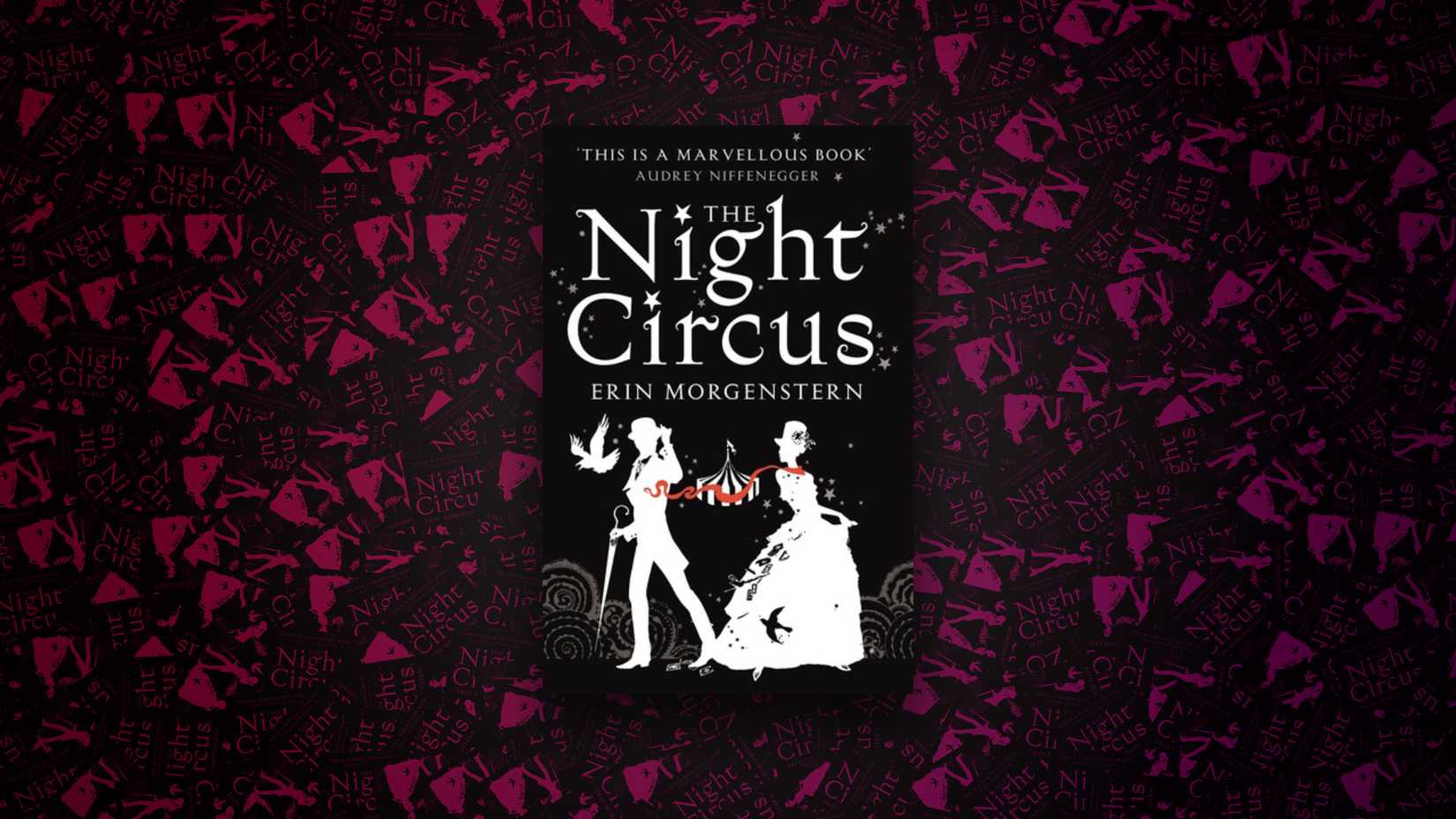
Published in September 2011, Erin Morgenstern’s debut novel, The Night Circus, burst onto the literary scene and instantly captured the imagination of readers worldwide. The narrative centers on Le Cirque des Rêves—The Circus of Dreams—a mysterious traveling enterprise that arrives without warning and opens only at night.
Beneath its dazzling, black-and-white striped tents lies a high-stakes, magical duel. Two illusionists, Celia Bowen and Marco Alisdair, have been trained since childhood by their respective mentors to compete against one another. Bound by a twisted wager, they must push the boundaries of their craft to build the most breathtaking magical exhibits imaginable. The catch? Neither knows the identity of their opponent until they inadvertently fall deeply in love.
Supporting Data & Implications
Morgenstern’s novel spent weeks on The New York Times Best Seller list and was nominated for several awards, signaling a massive market appetite for whimsical, atmospheric fantasy that prioritizes sensory prose over hard magic systems.
The implications of The Night Circus on the fantasy genre were profound. It proved that a novel could function as a commercial blockbuster without relying on massive war sequences or maps in the front pages. Instead, the book’s enduring legacy lies in its meticulous, dreamlike world-building and its exploration of art as a battlefield—and a sanctuary.
2. The Golem and the Jinni (2013) by Helene Wecker
Main Facts & Chronology
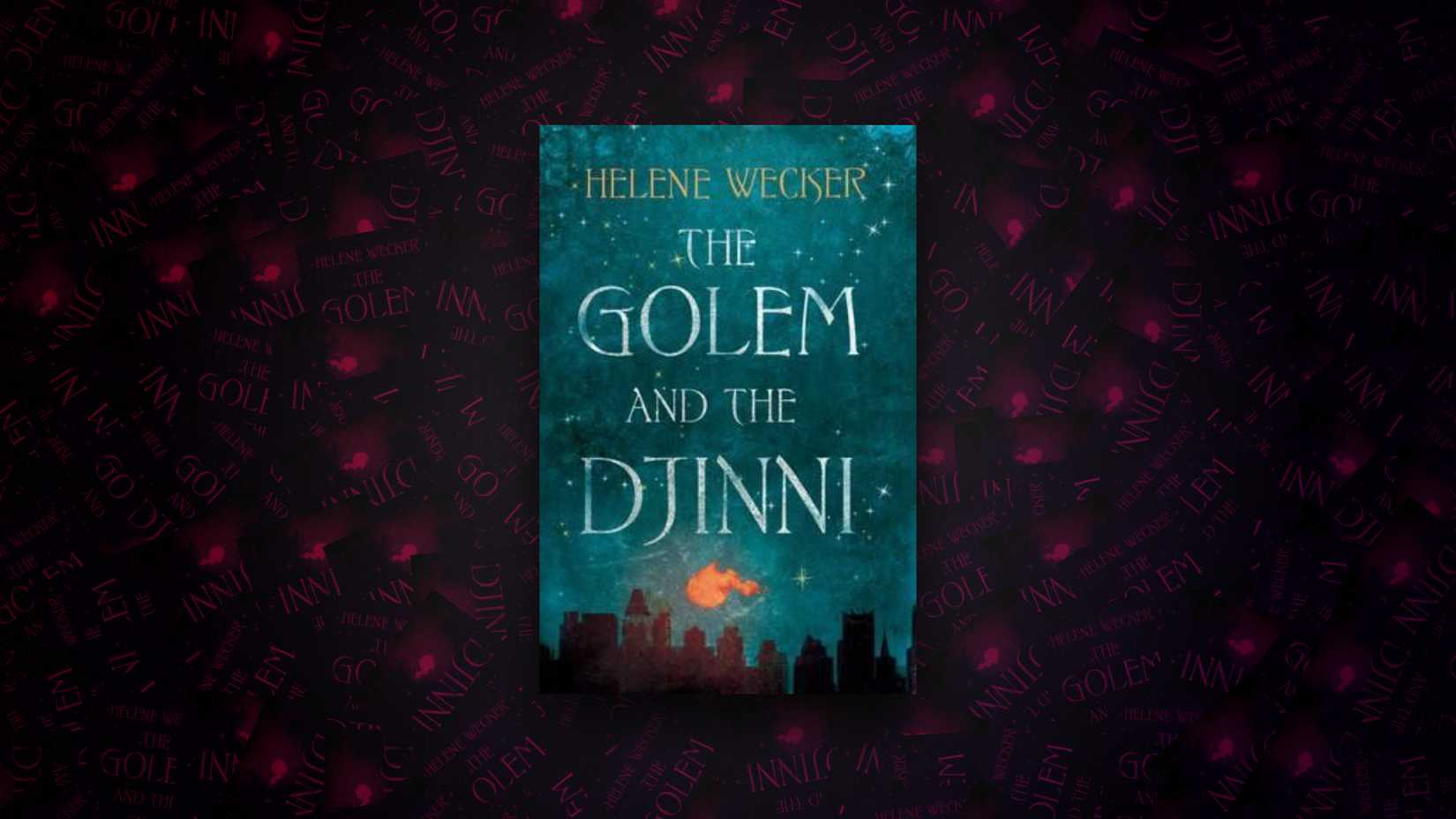
Helene Wecker’s acclaimed 2013 debut novel, The Golem and the Jinni, bridges two distinct cultural mythologies—Jewish and Arabic folklore—against the gritty backdrop of 19th-century immigrant New York City.

The story opens in 1899 with two supernatural entities abruptly dropped into the bustling, noisy melting pot of Manhattan. Chava is a golem, an artificial woman crafted from clay by a disgraced kabbalist to serve an abusive master who dies during the Atlantic crossing. Ahmad is a jinni, a creature of fire newly freed from an ancient copper flask, struggling to adapt to human form and constraints after centuries of confinement.
When their paths cross in the Lower East Side, they form a quiet, profound bond. While the novel features a tense narrative climax involving an ancient evil entity, Wecker dedicates significant narrative space to the mundane, beautiful struggles of her immortals: learning how to bake bread, navigating human grief, and finding warmth during bitter winter nights.
Official Responses & Implications
Critical reception for The Golem and the Jinni was overwhelmingly positive, praised for its lyrical prose and nuanced exploration of immigrant displacement through a fantastical lens. The book was a finalist for the Nebula Award and the World Fantasy Award.
Following the success of the original novel and its long-awaited sequel, The Hidden Palace (2021), the trilogy officially concluded in September 2026 with the release of The Gates of Midnight. Wecker’s work has left an indelible mark on historical fantasy, demonstrating how folklore can be utilized to examine the immigrant experience, cultural integration, and the search for identity.
3. Spinning Silver (2018) by Naomi Novik
Main Facts & Chronology
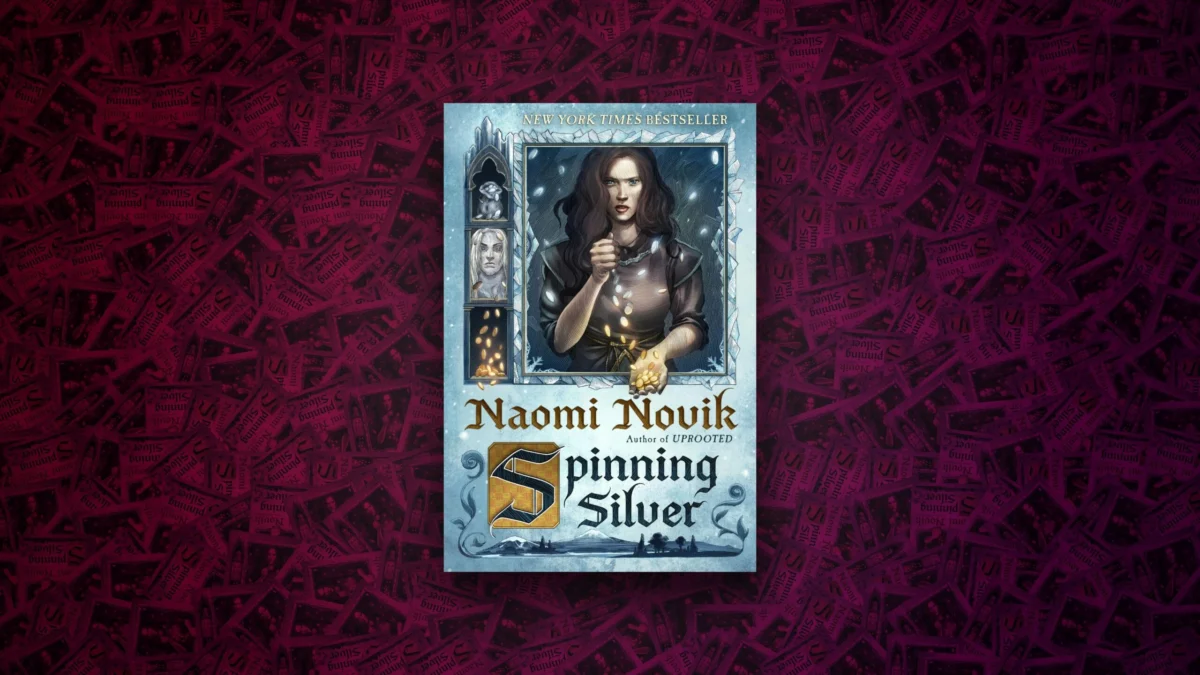
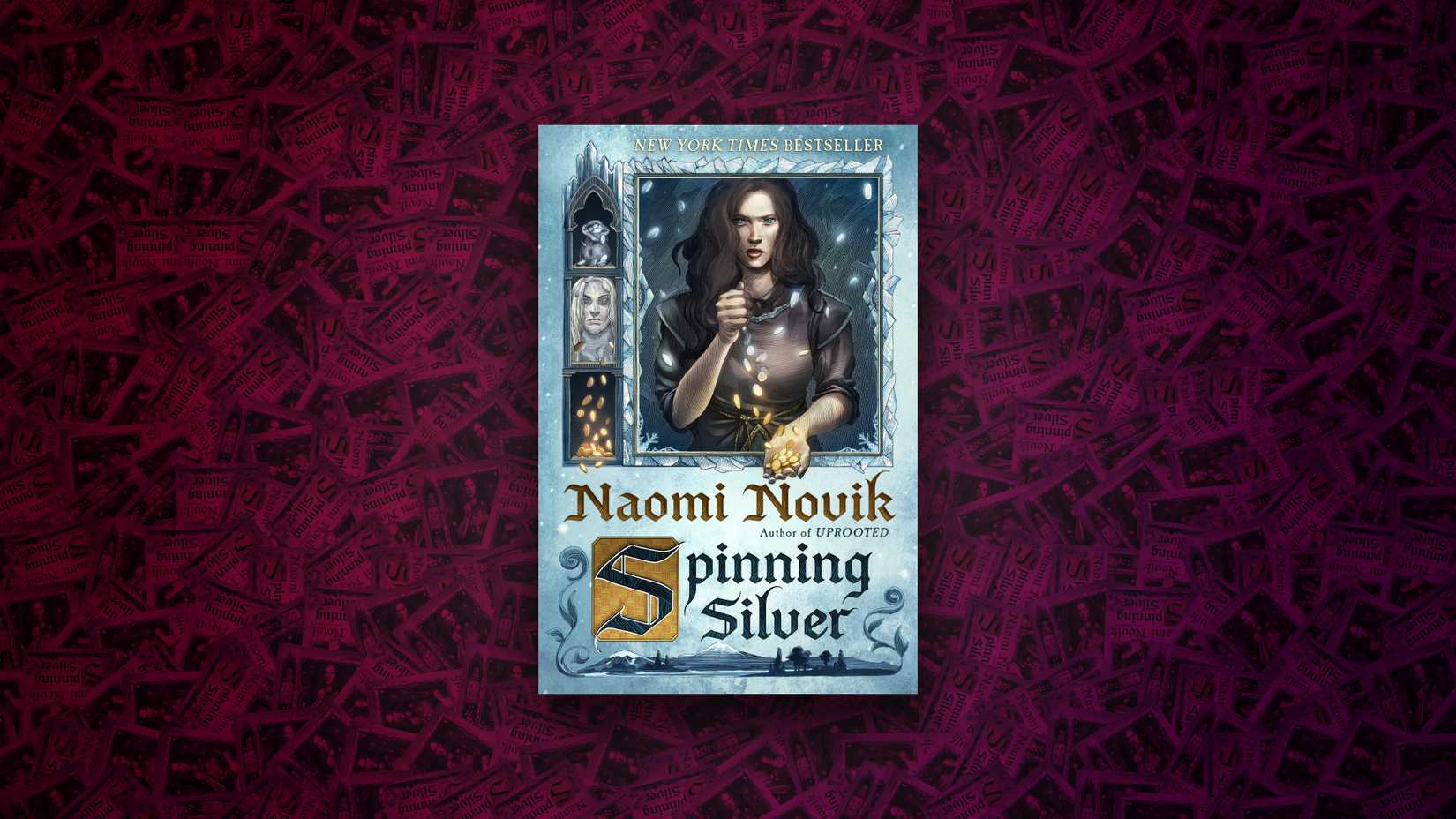
Drawing direct inspiration from the classic Brothers Grimm tale Rumpelstiltskin, Naomi Novik’s 2018 Locus Award-winning novel, Spinning Silver, transports readers to the bitterly cold, fictional Eastern European kingdom of Lithvas.
The narrative follows Miryem Mandelstam, the daughter of a Jewish moneylender whose community is reluctant to pay back debts. Forced to take over the family business, Miryem proves ruthlessly efficient at collecting, eventually boasting that she can "turn silver into gold." This boast attracts the attention of the Staryk—a cruel, winter-dwelling race of fae kings—who kidnap her and demand she perform the impossible feat, drawing her into a dangerous regional conflict involving a malevolent frost demon known as Chernobog.
Supporting Data & Implications
Spinning Silver solidified Novik’s reputation as a master of feminist folklore retellings, following her equally celebrated Polish folklore-inspired novel, Uprooted (2015). The book won the Locus Award for Best Fantasy Novel and was nominated for the Hugo Award.
By centering working-class heroines and weaving complex themes of antisemitism, familial duty, and economic survival into a classic fairy tale structure, Novik elevated the standard tropes of the genre. Spinning Silver showcases how dark, adult fairy tales can address systemic prejudice while retaining the mesmerizing cadence of oral storytelling traditions.
4. The House in the Cerulean Sea (2020) by TJ Klune
Main Facts & Chronology
While many traditional fairy tales follow wide-eyed youths stumbling into magical realms, TJ Klune’s 2020 cozy fantasy romance The House in the Cerulean Sea flips the script, proving that personal transformation and belonging can happen at any stage of life.
Linus Baker is a rigidly by-the-book caseworker for the Department in Charge of Magical Youth (DICOMY). Living a profoundly lonely, monotonous life, his world is upended when Extremely Upper Management assigns him a top-secret, month-long inspection of an orphanage on the remote island of Marsyas. Run by a charming, enigmatic man named Arthur Parnassus, the orphanage houses six classified, highly unusual magical youths—including a gnome, a wyvern, a sprite, and the literal Antichrist.
Initially driven by strict professional detachment, Linus slowly casts aside his bureaucracy-tinted glasses as he falls in love with the island, the children, and Arthur himself, ultimately discovering a true family. Klune expanded on this beloved universe with a sequel, Somewhere Beyond the Sea, released in 2024.
Official Responses & Implications
The House in the Cerulean Sea became a runaway New York Times and USA Today bestseller, striking a massive chord with readers during the height of the COVID-19 pandemic. It won the Mythopoeic Fantasy Award and cemented Klune as a pioneer of the "cozy fantasy" movement.
The book’s broader cultural implication is its gentle, heartwarming approach to heavy themes. While dealing explicitly with systemic prejudice, government surveillance, institutional abuse, and the societal marginalization of "othered" individuals, Klune balances the darkness with profound optimism, teaching readers that standing up against institutional cruelty is an act of fierce, radical love.
5. Tress of the Emerald Sea (2023) by Brandon Sanderson
Main Facts & Chronology
Conceived and written in strict secrecy during the global lockdowns of 2020, Tress of the Emerald Sea was the first of Brandon Sanderson’s historic, crowdfunded "Secret Project" publishing phenomenon. Released to the public in 2023, the novel serves as a whimsical, romantic adventure explicitly reminiscent of classic cinematic and literary fairy tales like The Princess Bride.
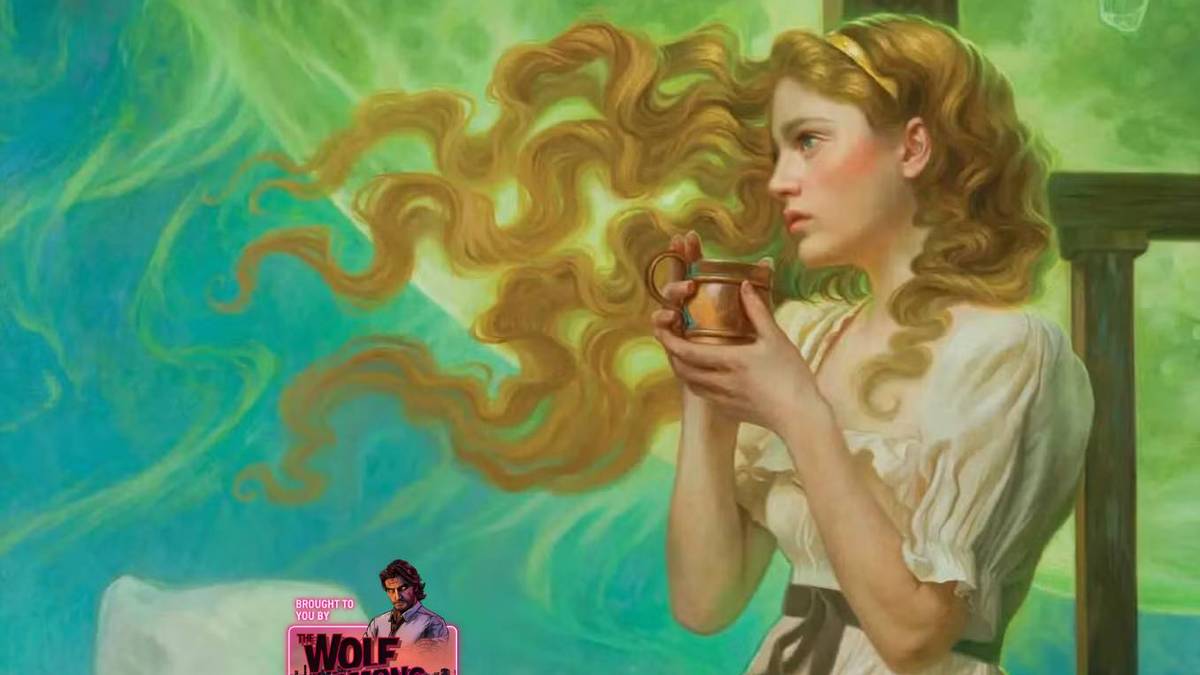
Tress lives a quiet, content life on a remote island in the middle of a deadly, spore-filled ocean. Her contact with the wider world is limited to a modest collection of ceramic cups gathered from passing sailors and the stories told by her best friend, Charlie, the son of the island’s ruling duke. When Charlie is abruptly captured by a cruel Sorceress and his father refuses to pay the ransom, Tress resolves to take her fate into her own hands. She stows away on a pirate sailing ship, navigating lethal spore-seas to rescue the man she loves.
Supporting Data & Implications
Sanderson’s Secret Project Kickstarter campaign raised over $41 million, shattering global crowdfunding records and proving that independent publishing models could rival major traditional houses.

While Tress of the Emerald Sea is officially part of Sanderson’s vast, interconnected Cosmere universe and narrated by the world-hopping storyteller Hoid, it requires zero prior reading. This accessibility has made the novel an invaluable gateway text, introducing millions of readers to Sanderson’s complex world-building through the lens of a lighthearted, witty, and fiercely independent fairy-tale heroine.
Conclusion
Whether you are looking for the atmospheric illusions of The Night Circus, the immigrant struggles of The Golem and the Jinni, the folkloric grit of Spinning Silver, the heartwarming found family of The House in the Cerulean Sea, or the swashbuckling romance of Tress of the Emerald Sea, modern adult fantasy proves that fairy tales do not end at childhood. They simply grow up alongside their readers, offering deeper emotional stakes, richer prose, and a much-needed touch of magic in an increasingly complicated world.
 Suro Senen
 Neng Nana
 Basiran
