

Introduction and Main Facts
For generations, the travel industry has systematically reserved its most romantic, aspirational, and celebratory itineraries for couples. Society has perfected the blueprint for the honeymoon and normalized the babymoon, building an entire ecosystem of resorts, private speedboats, and sunset cruises catered strictly to romantic partnerships. But as demographic shifts reveal a growing population of single women achieving monumental life milestones—from launching businesses and publishing books to earning advanced degrees and securing major promotions—a glaring question remains: When do single women get to celebrate themselves?
Enter the "we-moon."
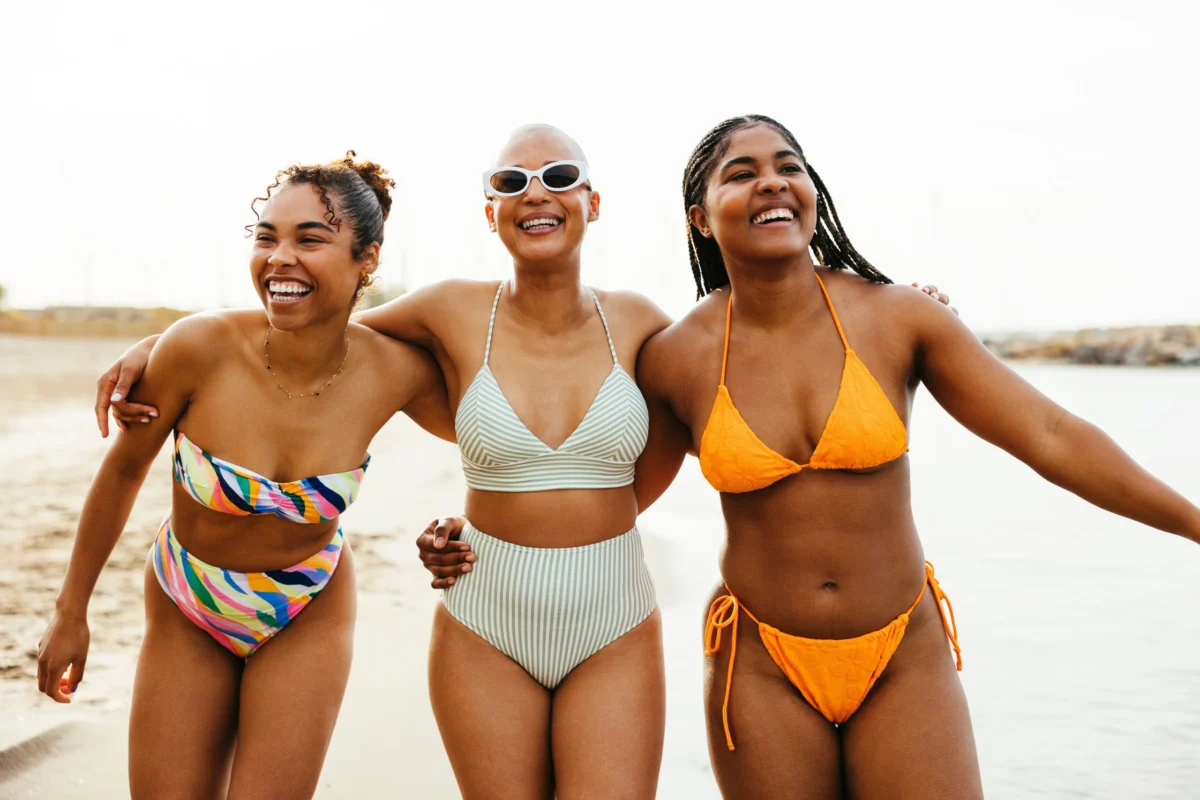
Coining a new term for an evolving cultural phenomenon, single women are increasingly bypassing traditional travel narratives to curate destination celebrations dedicated entirely to their own achievements and friendships. Rather than waiting for a wedding ring or a partner to unlock dream destinations, these travelers are gathering their closest confidantes for luxury getaways designed to honor individual success.
This burgeoning travel trend was recently put into sharp focus during a landmark group trip to the Four Seasons Resort and Residences Anguilla. Accompanied by two close girlfriends, a newly published author embarked on what she defined as a classic "we-moon"—a dedicated trip to celebrate the launch of her debut book. Surrounded by honeymooners, the trio carved out a unique space for single celebration, proving that platonic partnerships and self-actualization deserve just as much fanfare as romantic milestones.
Chronology: The Anatomy of a Modern We-Moon
The journey toward establishing the we-moon as a legitimate travel category follows a specific developmental timeline, moving from individual achievement to collective celebration.
Phase 1: The Milestone Achievement
The genesis of any we-moon begins long before packing a suitcase. It starts in the non-traditional timeline of modern womanhood—an individual achieving a major professional or personal milestone that falls outside the rigid societal roadmap of marriage and children. Whether it is securing a book deal, earning a master’s degree, or landing a C-suite promotion, the achievement acts as the foundational catalyst.
Phase 2: Shifting the Paradigm of "Girl Trips"
Historically, group trips among women have leaned toward casual weekend getaways, bachelorette parties, or birthday celebrations. The we-moon elevates the concept by intentionally mirroring the luxury, financial investment, and emotional significance typically reserved for milestone romantic trips. It requires an explicit invitation: Come travel and celebrate this achievement with me, just as we would for a bridal shower or a baby shower.
Phase 3: Arrival and Immersion in Anguilla
The recent getaway to the Four Seasons Resort and Residences Anguilla serves as a prime chronological case study for executing a successful we-moon. Upon arrival via speedboat—navigating waters heavily populated by couples—the trio settled into a sprawling villa rental.
The itinerary was carefully balanced across a multi-day stay:

- Day One: Arrival, settling into private villa quarters, and an evening of margarita-making classes at the private bar.
- Day Two: Split schedules. While some members of the group opted for rest and sleep-ins, an individual wellness itinerary was pursued, featuring a personalized, one-on-one poolside yoga session tailored to specific physical pain points. This was followed by a collective afternoon at the spa for Anguilla-themed massages.
- Day Three: Island exploration via a Jeep excursion across Anguilla to discover hidden beaches, capped off by an evening of deep conversation, wine, and vulnerability in the villa’s private jacuzzi tub as the sun set over the horizon.
Supporting Data and Expert Insights: Crafting the Drama-Free Trip
Pulling off a high-end destination celebration with friends can occasionally introduce logistical friction. To ensure a harmonious and restorative experience, travel visionaries and mental health experts emphasize the importance of structured planning.
Dr. Joy Harden Bradford, a licensed psychologist and author of Sisterhood Heals, notes that group travel often carries heavy expectations. Because vacations are scarce commodities in busy adult lives, travelers frequently project all their desires for rest, connection, and escape onto a single trip.
To mitigate potential conflict and maximize the benefits of a we-moon, Dr. Bradford and travel practitioners recommend several foundational strategies:
1. Book Separate Rooms for Personal Sanctuary
While romantic getaways emphasize constant togetherness, a successful we-moon strikes a delicate balance between communal bonding and independent solitude.
- The Strategy: If budgets allow, opt for separate sleeping quarters or a multi-room villa rental.
- The Benefit: This configuration accommodates differing biological rhythms. Early risers can quietly read on their balconies at dawn, while late sleepers can comfortably order room service without disrupting the group. Properties like the Four Seasons Villa and Residence Rentals provide an ideal model, offering the privacy of a personal home alongside the luxury amenities and concierge services of a five-star resort.
- Budget Alignment: Dr. Bradford stresses the necessity of aligning on financial expectations long before departure. Discrepancies regarding accommodations—such as whether a group prefers a five-star luxury property or a modest crash pad—must be resolved early to prevent resentment.
2. Schedule Flexible Itineraries and Solo Time
Over-planned itineraries are a primary catalyst for vacation fatigue. On a we-moon, group activities should largely be optional rather than mandatory.
- Allowing members of the travel party to opt out of specific events—such as trading a group yoga class for a nap—ensures that everyone maintains their emotional and physical reserves.
- Intentional alone time prevents social burnout and honors individual wellness needs.
3. Incorporate Novel Experiences
Psychological research consistently indicates that acquiring new skills or sharing unfamiliar experiences bolsters cognitive health and strengthens social bonds.
- Whether it is a mixology class measuring tequila and lime juice, learning pickleball, or participating in a local cooking workshop, shared novelty creates a built-in social experiment.
- When friends navigate unfamiliar tasks together, it flattens hierarchies and generates shared laughter, transforming potential failures into bonding moments.
4. Cultivate Space for Vulnerability
Deepening adult friendships requires deliberate effort and psychological safety. Noisy restaurants or hurried spa appointments rarely provide the right backdrop for transformative conversations.
- Hosts of a we-moon must intentionally set the mood for emotional unravelling.
- By curating quiet, intimate environments—such as a sunset soak in a private jacuzzi or gathering by a fire pit—friends can safely unpack work stressors, dating complications, and personal vulnerabilities that routine daily life rarely accommodates.
Official Responses and Perspectives
The rise of the we-moon reflects a broader cultural shift in how modern consumers view luxury hospitality, independence, and the concept of celebration.
Hospitality executives have quietly taken note of the changing demographics checking into luxury resorts. While traditional marketing has long targeted honeymooners and family units, high-end properties are increasingly tailoring their concierge and villa offerings to multi-generational family groups, corporate retreats, and adult friend gatherings celebrating non-traditional milestones.

Dr. Joy Harden Bradford emphasizes that these trips are not merely indulgent vacations; they are vital acts of self-affirmation and community care.
"If these are people that you’re actually hoping to grow closer to, then it is important to continue to go deeper with those relationships," Dr. Bradford explains. "And that really requires a lot of vulnerability, which is really hard for people. Girls trips really provide a great opportunity and a great backdrop because you are away from your regular routine to maybe get into some of those things that you don’t have time to talk about later."
By carving out space to celebrate professional and personal triumphs, single women are actively dismantling the narrative that major life celebrations must be tethered exclusively to romantic partnerships or biological milestones.
Implications: Changing the Future of Travel and Modern Milestones
The normalization of the we-moon carries wide-ranging implications for the travel industry, cultural norms, and the sociology of adult friendships.
Re-engineering the Travel Industry
For decades, the tourism sector has operated on a "couple-centric" financial model—offering couple’s massages, romantic dining packages, and honeymoon discounts while frequently penalizing solo travelers with single supplements. The ascent of the we-moon challenges this framework. As groups of independent women pool resources to rent luxury villas, private residences, and high-end amenities to celebrate personal achievements, resorts must adapt. Hospitality brands that design flexible, group-friendly packages centered around wellness, milestone recognition, and customized itineraries will capture an increasingly lucrative market segment.
Redefining Adulthood and Success
Culturally, the we-moon challenges the rigid timeline of traditional adulthood. For generations, society dictated that true celebration was reserved for weddings, anniversaries, and baby showers. By establishing rituals around professional triumphs, creative endeavors, and personal resilience, women are rewriting the playbook on what deserves to be honored. A book launch, a career pivot, or a master’s degree graduation is elevated to the same cultural tier as a marriage proposal.
Strengthening Chosen Families
Finally, the we-moon elevates the status of "chosen family" and platonic relationships. In an era marked by rising rates of loneliness and shifting social structures, intentional travel with close friends fosters deep emotional resilience. By investing time, financial resources, and emotional vulnerability into friendships, women are building robust support networks that endure long after the vacation ends.
Ultimately, the we-moon proves that you do not need to wait for a romantic partner to claim your dream destination. Whether zipping across turquoise waters toward an Anguilla villa or sharing stories under a Caribbean sunset, single women are successfully reclaiming the luxury of celebration—on their own terms, in their own time, and with the people who matter most.
 Asro
Asro
 Suro Senen
