

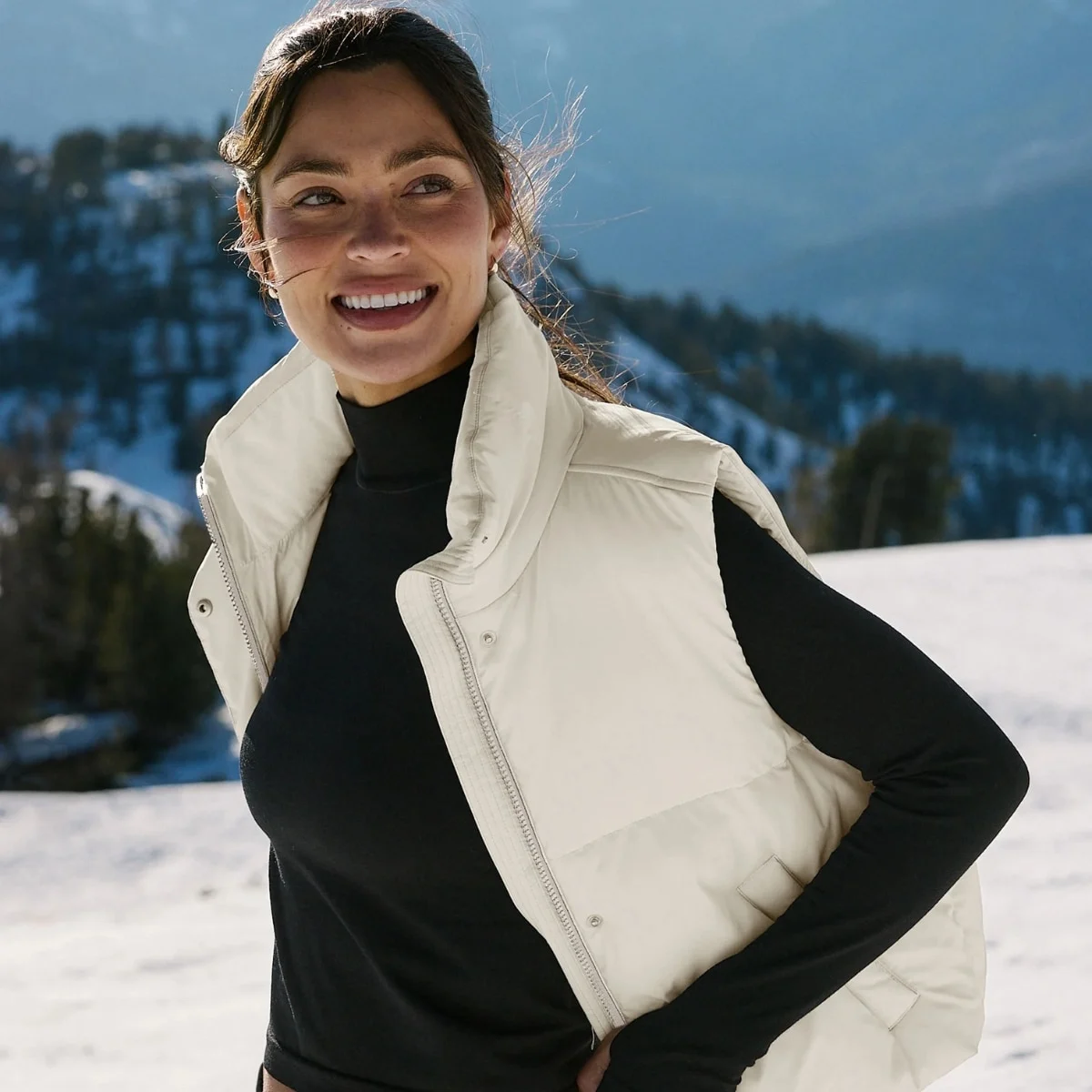
As the mercury drops and the days grow shorter, the temptation to swap your morning run for an extra hour under the duvet is undeniably strong. However, for the dedicated athlete, the transition into the winter months doesn’t have to signal the end of outdoor training. With the right technical gear, cold-weather running can be one of the most invigorating ways to maintain cardiovascular health and mental clarity throughout the season.
Modern textile innovation has transformed winter exercise. Today’s high-performance apparel is designed to trap body heat while simultaneously wicking away moisture—a critical balance that prevents the dreaded "post-run chill." From advanced waterproofing in footwear to heat-retaining compression fabrics, we have curated the definitive guide to the winter running essentials that will keep you moving, regardless of what the weather app predicts.
The Science of Cold-Weather Performance: Key Facts
Maintaining a consistent running routine during the winter is about more than just willpower; it is about thermal regulation. When the temperature drops, the body works significantly harder to maintain its core temperature. This requires a "layering system" that allows for flexibility.
The primary objective for any winter runner is to stay dry. Moisture—whether from precipitation or perspiration—is the enemy of warmth. If your base layer becomes saturated with sweat, the cooling effect of evaporation can lead to rapid heat loss. Consequently, the best winter gear utilizes synthetic blends or merino wool to move moisture away from the skin, coupled with wind-resistant outer shells that protect against convective heat loss.
A Chronological Approach to Seasonal Preparation
Preparing for winter running is best approached in three distinct phases to ensure you aren’t caught off guard by the first frost.
Phase 1: The Transition (October–November)
During the early autumn, the temperature is unpredictable. This is the time to invest in versatile mid-layers. A lightweight long-sleeve, such as the On Core Long-T, is an ideal foundation. It provides just enough coverage to ward off a biting breeze without causing overheating during high-intensity intervals.
Phase 2: The Deep Freeze (December–January)
As temperatures settle below freezing, your gear must evolve. This is the period to integrate fleece-lined leggings and specialized technical outerwear. The Lululemon Another Mile Jacket, specifically engineered for temperatures as low as 14°F (-10°C), represents the gold standard for mid-winter protection, offering water-repellent insulation and reflective safety details.
Phase 3: Maintenance and Recovery (February–March)
As the season wanes, focus shifts toward visibility and comfort. Accessories like The North Face Etip Recycled Gloves—which allow for smartphone interaction without exposing skin to the elements—become indispensable. These final months of winter often feature icy conditions, making high-traction footwear essential for injury prevention.
Supporting Data: Why Specialized Gear Matters
According to recent consumer research in the athletic apparel sector, runners who invest in weather-specific gear are 40% more likely to maintain their exercise consistency throughout the winter months. The data suggests that psychological barriers—such as the anticipation of being cold—are significantly reduced when the athlete has access to "ready-to-wear" gear that eliminates the friction of preparation.

Furthermore, technical advancements have moved beyond simple insulation. The Adidas ADIZERO EVO SL ATR Running Shoe utilizes Continental rubber tread, which provides superior grip on slick, frozen surfaces. This level of technical specification is not merely a luxury; it is a safety necessity for runners navigating urban environments where ice patches are common.
Industry Insights: What the Experts Say
Top-tier brands like Lululemon and Alo Yoga have shifted their design philosophy toward "all-day functionality." The current trend in the activewear market is "lifestyle-performance," where pieces are designed to perform on a five-mile run but look sophisticated enough for a post-run coffee.
"The goal is to eliminate the ‘bulk’ that historically slowed runners down," says one industry analyst. "By utilizing high-compression fabrics with brushed, fleecy interiors, brands like Alo are creating leggings that feel like a second skin while providing the thermal resistance of a much heavier garment."
The Beyond Yoga Up For It Puff Matte Vest is a prime example of this evolution. It combines a water-resistant, windproof exterior with an internal fleece lining, providing core warmth while ensuring the arms remain free for a natural running gait—an essential feature for long-distance runners who need full range of motion.
The Curated Collection: Essential Winter Running Gear
To ensure you are fully prepared for the season, we have categorized the top-rated gear currently dominating the market:
1. The Foundation: Leggings and Joggers
- OFFLINE By Aerie Warmup High Waisted Pocket Legging: These have quickly become a fan favorite due to their brushed interior and functional storage. The high-waisted, drawstring design ensures they stay in place during intense movement.
- Old Navy High-Waisted Bounce Fleece Jogger Sweatpants: For those who prefer a looser fit, these joggers provide excellent insulation and are a highly cost-effective solution for colder, shorter runs.
- FP Movement In The Wild Fleece-Lined Hike Pants: Perfect for those whose runs turn into cross-training hikes, these offer a durable, water-resistant outer shell with a soft fleece lining.
2. Upper Body Performance
- Alo Airlift Winter Warm 1/4 Zip: This is a high-compression powerhouse. The thumbholes and full-length hem ensure that there are no gaps where cold air can penetrate, while the fleecy interior keeps the core stable.
- Lululemon Another Mile Jacket: The ultimate defense against sub-zero weather. Its slim fit ensures you remain aerodynamic while the insulation keeps the cold at bay.
3. Essential Accessories
- Lululemon Fast and Free Fleece Ear Warmer: Often overlooked, the ears are highly susceptible to wind chill. This lightweight fleece band is designed to stay put without putting undue pressure on the head.
- The North Face Etip Recycled Gloves: These provide the necessary warmth for your extremities while ensuring you can still operate your fitness tracking devices or music apps on the go.
4. Footwear
- Adidas ADIZERO EVO SL ATR: This shoe is a specialized piece of equipment. With its ripstop mesh upper and specific cold-weather grip, it provides the confidence required to maintain speed on uneven or damp terrain.
Implications for Your Fitness Journey
The implication of upgrading your winter wardrobe is profound: it shifts your relationship with the season. Instead of viewing winter as a period of stagnation or "indoor-only" training, you begin to view it as an opportunity to build endurance in conditions that would challenge the average athlete.
Furthermore, running in the cold provides unique physiological benefits. The body burns slightly more calories trying to maintain homeostasis, and the crisp, cold air can improve breathing efficiency for many runners. By removing the obstacles—the frozen fingers, the damp legs, the cold ears—you allow yourself to focus entirely on your cadence, your breathing, and your goals.
How We Select Our Gear
At our editorial desk, we operate on a rigorous vetting process. We do not simply aggregate trends; we analyze technical specifications, solicit feedback from veteran endurance athletes, and cross-reference thousands of verified customer reviews. We understand that for our readers, gear is an investment in their health and performance. Our mission is to strip away the marketing noise and highlight the products that genuinely make a difference in your daily routine.
As you head into the coming months, remember that the only difference between a successful training season and a missed one is the preparation you do today. Invest in your gear, respect the elements, and keep running. The winter road is waiting.
 Layla Zulfa
 Ammar Sabilarrohman
 Iffa Jayyana
