

In the high-stakes world of independent filmmaking, the gap between a compelling script and a finished, distributed feature is often a chasm bridged only by luck and personal fortune. For decades, emerging directors have struggled to secure the capital, mentorship, and industry access required to translate their artistic visions into tangible cinema. However, a transformative initiative has emerged as a beacon for the next generation of storytellers: the AT&T Untold Stories Award.
Widely considered the world’s largest and most prestigious filmmaking grant of its kind, the program has become a cornerstone of the Tribeca Festival. Each year, it offers more than just a check; it provides a comprehensive ecosystem of support, including $1.2 million in production funding and an invaluable network of industry mentorship. By focusing on underrepresented voices and nuanced storytelling, the award is not merely funding movies—it is shaping the future of the cinematic landscape.
The Anatomy of an Industry Powerhouse
The AT&T Untold Stories Award operates on a rigorous selection process designed to identify not just the best story, but the most capable storyteller. Every year, hundreds of filmmakers from across the globe submit their projects for consideration. This wide-net approach ensures that the program captures a diverse array of perspectives, genres, and narrative styles.
The selection process is a grueling gauntlet of creative scrutiny. From the initial pool of applicants, the program narrows the field to five finalists. These filmmakers are then invited to the Tribeca Festival to participate in a high-pressure live pitch session. Standing before a packed audience and a panel of esteemed industry judges, they must articulate their vision, defend their creative choices, and prove that their project possesses both artistic merit and commercial viability.
For the winner, the prize is life-changing. Beyond the $1.2 million grant, the program provides the structural support necessary to navigate the complexities of production, post-production, and eventually, the daunting landscape of distribution.
A Legacy of Success: David Fortune’s "Color Book"
To understand the tangible impact of this award, one need look no further than David Fortune, the 2023 recipient. Fortune’s feature film, Color Book (2024), serves as a masterclass in what the program aims to achieve. The film, which explores the poignant, complex dynamic of a Black single father raising his son with Down syndrome, was a project that arguably might have struggled to find traditional studio backing.

Color Book depicts a universal story of love and resilience through a lens that is rarely seen in mainstream cinema—the specific, nuanced experience of Black fatherhood and disability. By providing the resources to bring this story to the screen, the AT&T Untold Stories Award allowed Fortune to bypass the conventional barriers to entry. The result was a critically acclaimed film that is now reaching a global audience via Netflix, proving that there is a vast, hungry market for authentic, human-centric storytelling.
The Art of the Pitch: Preparation as a Philosophy
At the recent IndieWire Future of Filmmaking Summit, presented by AT&T, David Fortune reflected on the psychological and tactical preparation required to secure the award. His advice to future contestants was as practical as it was intense: focus on what you can control.
"You can’t control if you win or lose, but you can control how you prepare," Fortune told the audience. "I knew I was going to be nervous as hell, but even in my nervousness, I wanted to make sure I was able to pitch correctly and present myself in a way that gave me my best chance to win. I just wanted to be the most prepared person in the room."
Fortune’s preparation rituals were unconventional, bordering on the extreme. To ensure that he remained unflappable under the harsh spotlight of the Tribeca stage, he practiced his pitch while subjected to physical discomfort. "I jumped in the shower, and I put it on the most ice-cold level you could put it in," he recalled with a laugh. "I had to pitch with hypothermia! Because if you can’t pitch in a chokehold, how are you going to pitch on stage?"
This anecdote highlights the gravity of the competition. For these filmmakers, the award represents the "big break" that can define an entire career. Consequently, they treat the pitch process with the same level of discipline that a professional athlete would bring to a championship game.
Diverse Voices, Shared Validation: The Case of Lilian T. Mehrel
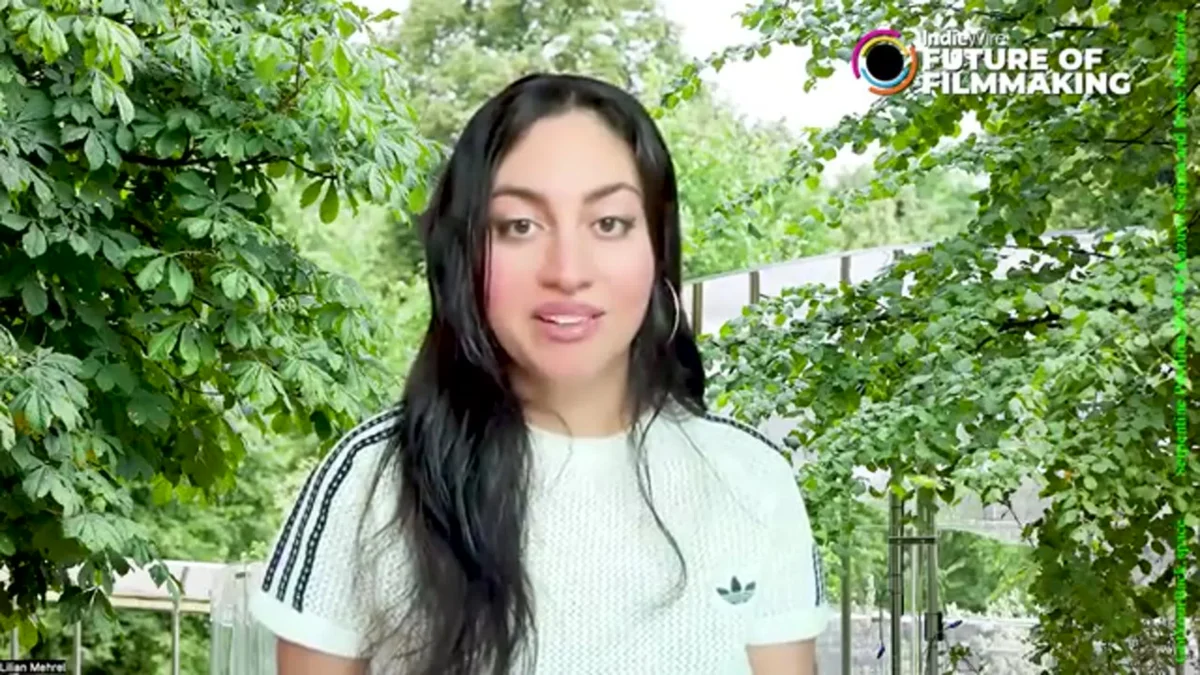
While Fortune’s approach was rooted in physical endurance, the 2024 winner, Lilian T. Mehrel, approached her victory through the lens of emotional resonance. Her debut feature, Honeyjooon, was brought to life through the same rigorous support system.

Mehrel’s perspective highlights the "auteur" quality that the judges seek. "That day that I pitched, I knew if I could make audiences laugh and cry and feel emotional and get a sense of the auteur cinematic comedy stamp that is my voice, then I would win," Mehrel shared.
For Mehrel, the victory wasn’t just the funding; it was the validation of her specific creative voice. The film’s subsequent journey through more than 50 film festivals serves as a testament to the power of the program’s selection process. "Being in the audience, hearing people laugh and get emotional together… it was just this electric experience," she noted. "It gave me the fuel to know that this film needs to be released in theaters."
Implications for the Future of Independent Film
The existence of the AT&T Untold Stories Award has profound implications for the industry at large. In an era where independent film is often squeezed between the demands of blockbuster franchises and the anonymity of algorithm-driven streaming platforms, programs like this provide a vital alternative.
1. Lowering the Barrier to Entry
By providing a massive financial grant, the program effectively eliminates the "funding gap" that causes many independent projects to die in pre-production. This allows directors to focus on the craft of filmmaking rather than the stress of crowdfunding or predatory financing.
2. Cultivating Diversity in Storytelling
The program’s commitment to "untold stories" is not just a marketing slogan; it is an active effort to diversify the industry’s output. By elevating voices like those of Fortune and Mehrel, the award ensures that cinema reflects the actual diversity of the world, rather than a narrow set of tropes that have dominated Hollywood for decades.
3. The Power of Mentorship
Money is only one half of the equation. The mentorship component of the award is perhaps even more critical for long-term career sustainability. Navigating the legal, logistical, and promotional hurdles of a feature film requires a level of institutional knowledge that is rarely taught in film school. The program bridges this gap by connecting winners with industry veterans who can guide them through the lifecycle of a film.

A Call to Action for the Next Generation
As the IndieWire Future of Filmmaking 2026 Summit concluded, the overarching message was one of persistent optimism. The industry is changing, and the platforms for independent voices are growing. The collaboration between AT&T and the Tribeca Festival stands as a blueprint for how corporate entities can meaningfully contribute to the arts.
For the aspiring filmmaker, the path forward is clear: refine your vision, master your craft, and prepare with the intensity of someone who understands that the "untold" nature of their story is its greatest strength.
The success of Color Book and Honeyjooon are not merely isolated incidents; they are indicators of a shift. We are entering an era where the quality of the narrative and the clarity of the director’s voice are once again becoming the primary currencies of success. As long as programs like the AT&T Untold Stories Award continue to provide the necessary infrastructure, the cinematic landscape will continue to evolve, becoming richer, more complex, and more profoundly human with every new project that makes it from the pitch session to the big screen.
The legacy of this initiative is still being written, but for the filmmakers who have already walked across the stage to receive their grants, the future is no longer a dream—it is a reality they are currently filming, editing, and sharing with the world.
 Nila Kartika Wati
 Lina Hope
 Asep Darmawan
