

New York Fashion Week (NYFW) has always existed in a dynamic duality. Inside the tents and venue spaces, designers unveil meticulously curated visions for the upcoming seasons. Outside, the pavement transforms into an equally influential runway where editors, buyers, stylists, and industry insiders test-drive the trends that will actually make it into the consumer zeitgeist.
As the Fall 2026 collections kicked off, the street style outside the venues delivered an immediate, unfiltered masterclass in transitional dressing. Rather than succumbing to a single, monolithic trend or a fleeting micro-aesthetic, the street style arbiters of New York opted for a more nuanced approach. The prevailing ethos of Fall 2026 street style is not about reinvention for the sake of novelty, but rather the strategic subversion of wardrobe classics. By pairing utilitarian workwear with crisp tailoring, mixing tactile textures like leather and pointelle with relaxed footwear, and injecting unexpected pops of color, the fashion crowd provided a comprehensive blueprint for how we will dress in the months ahead.
Below is an in-depth breakdown of the seven defining street style moments that are charting the course for Fall 2026 fashion.
Main Facts: The Fall 2026 Street Style Shift
The streets of Manhattan during Fashion Week serve as an empirical economic and cultural indicator for upcoming retail trends. For Fall 2026, the data gathered from external show attendees points toward a collective fatigue with hyper-formal, rigid dressing, replaced instead by a sophisticated brand of "effortless utility."
Key takeaways from the week include:
- The Death of Monolithic Trends: Attendees rejected total-look branding in favor of high-low, eclectic mix-and-matching.
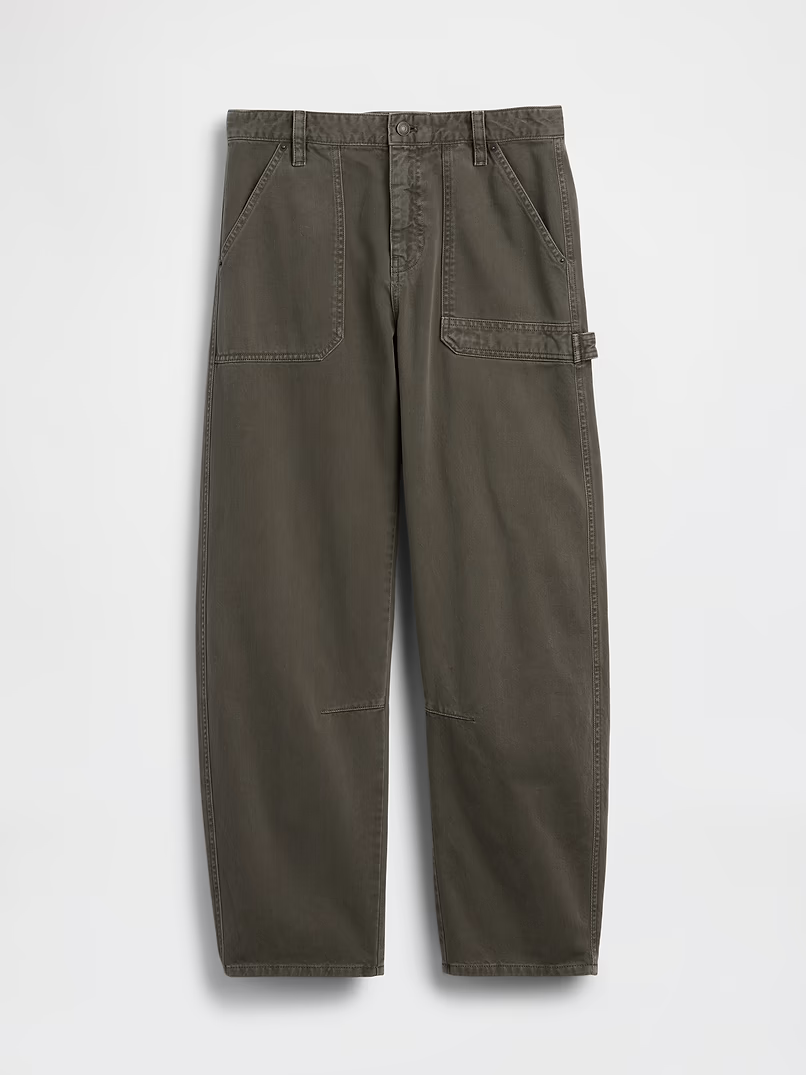
- The Elevation of Workwear: Utilitarian silhouettes—specifically cargo trousers and utility pants—were heavily elevated when anchored by crisp, classic shirting.
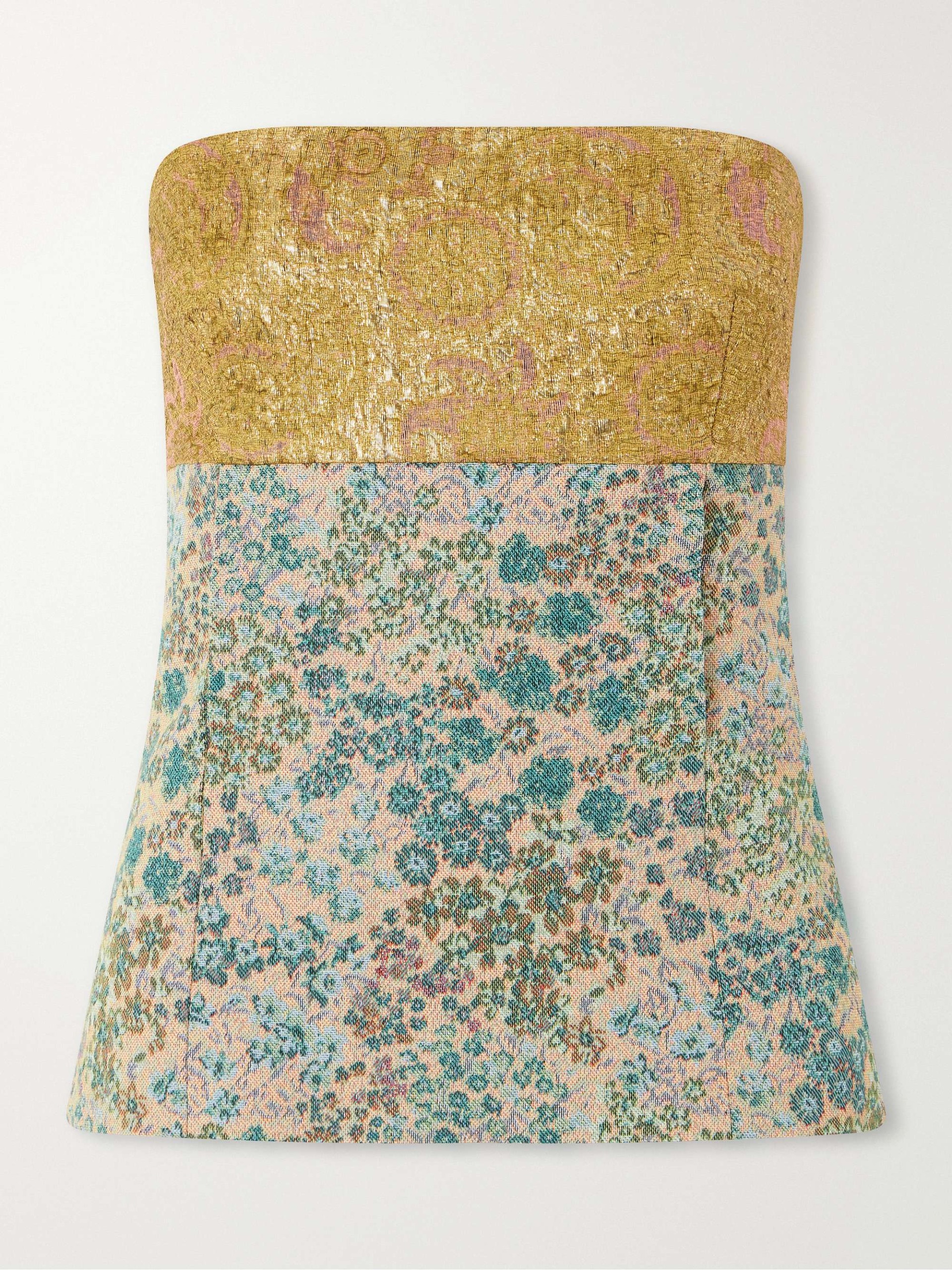
- Maximalist Textures: Heavy use of jacquard, tapestry prints, and high-shine mirror embellishments indicated a desire for tactile, eye-catching garments.
- The Softening of Tailoring: Traditional suiting took a back seat to softer, warmer colorways (such as buttery beige) and unstructured silhouettes finished with tactile accessories like suede and satin.
Chronology: How the Week’s Style Narrative Unfolded
The progression of street style looks over the course of New York Fashion Week revealed a clear narrative arc, moving from practical foundational layers to bold, avant-garde statements as the days progressed.
Phase 1: Grounding in the Classics (Days 1–2)
The opening days of NYFW always rely on dependable foundational pieces, but this season, insiders immediately signaled a twist.
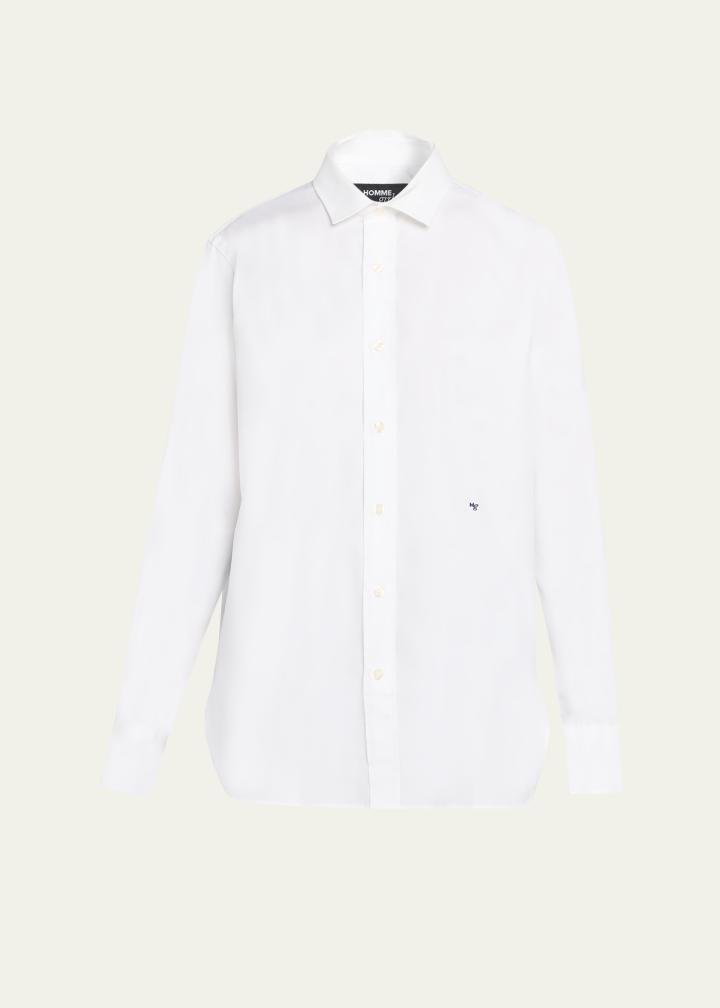
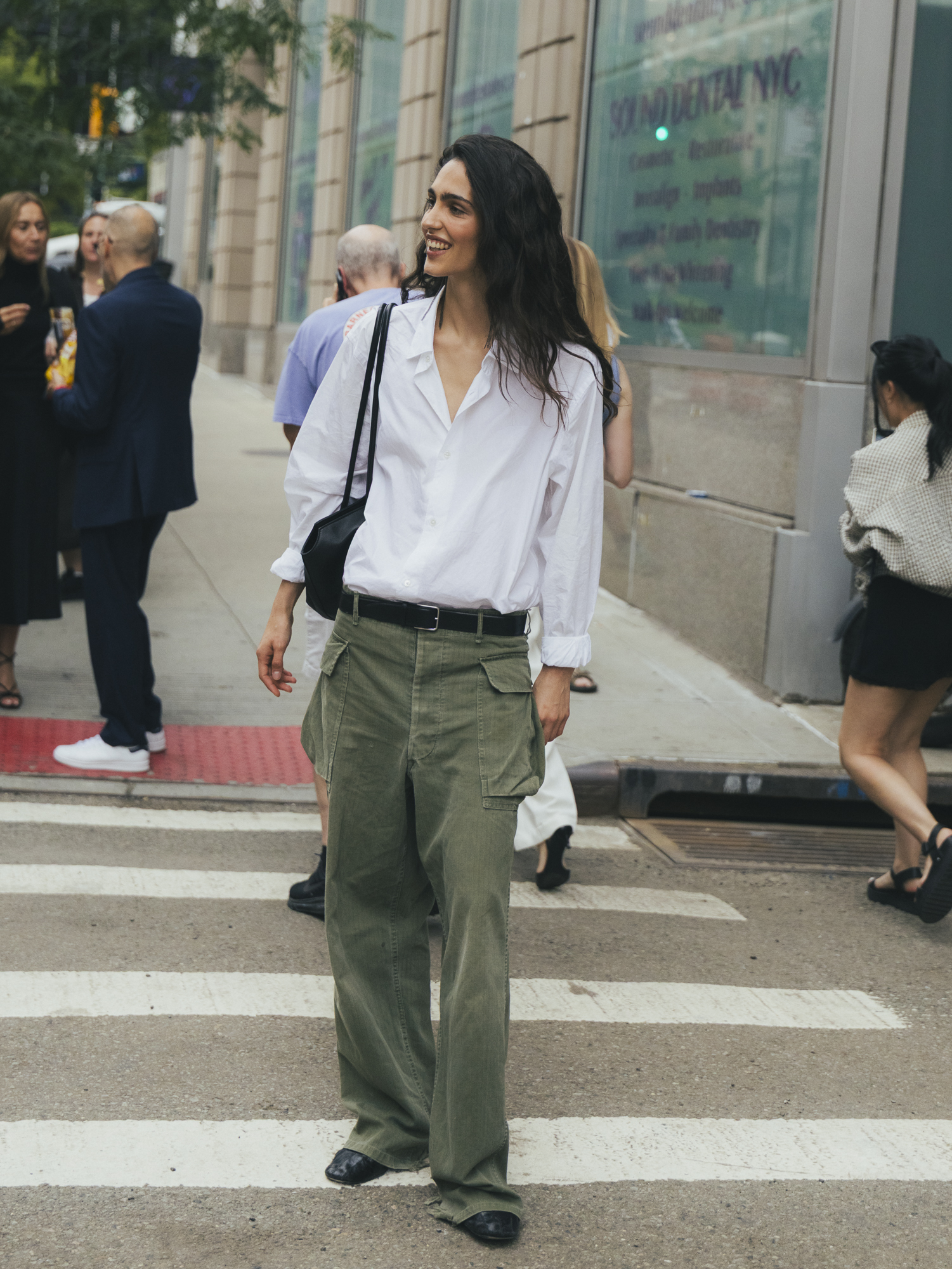
- The Crisp Shirt and Utility Trouser Pairing: Attendees stepped out in classic white button-ups (such as styles by Hommegirls and J.Crew) tucked neatly into army-green utility and barrel pants (courtesy of brands like Gap). This high-low pairing established the week’s overarching theme: marrying rugged functionality with crisp refinement.
- The White Shirt and Leather Pencil Skirt: A perennial classic, the combination of a sharp white shirt and a black leather midi-skirt (such as pieces by A.L.C.) made an early and authoritative appearance, proving that sleek, slightly rebellious leather textures remain a cold-weather staple.
Phase 2: Texture Mixing and Maximalist Experiments (Days 3–4)
As the fashion calendar hit its stride, attendees leaned heavily into unexpected pattern and texture combinations.
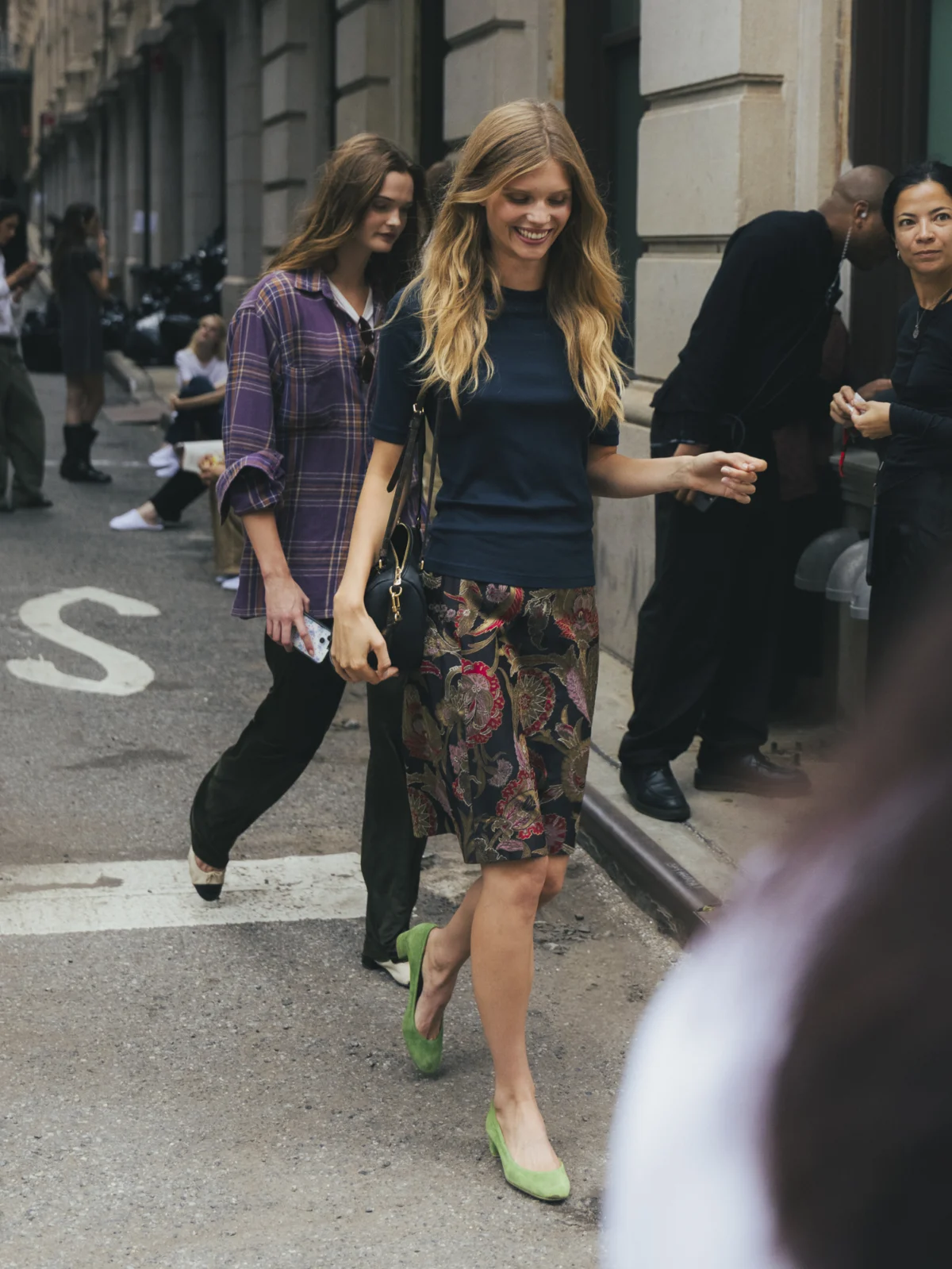
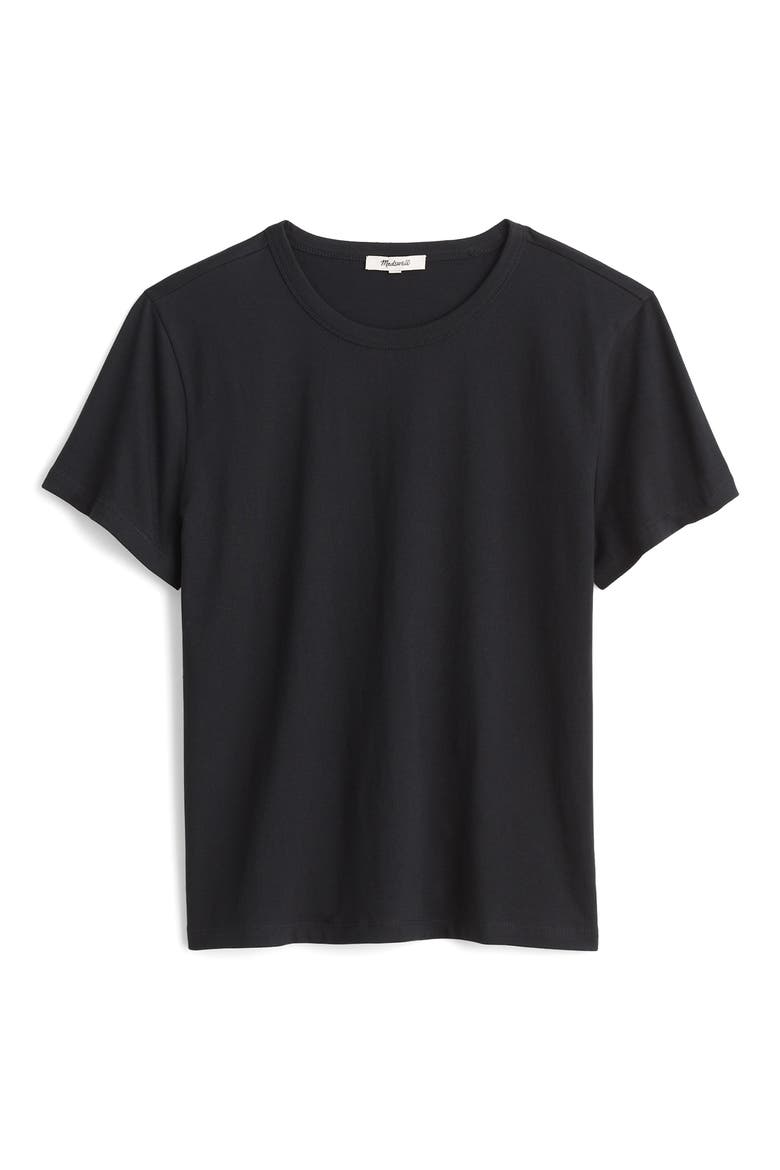
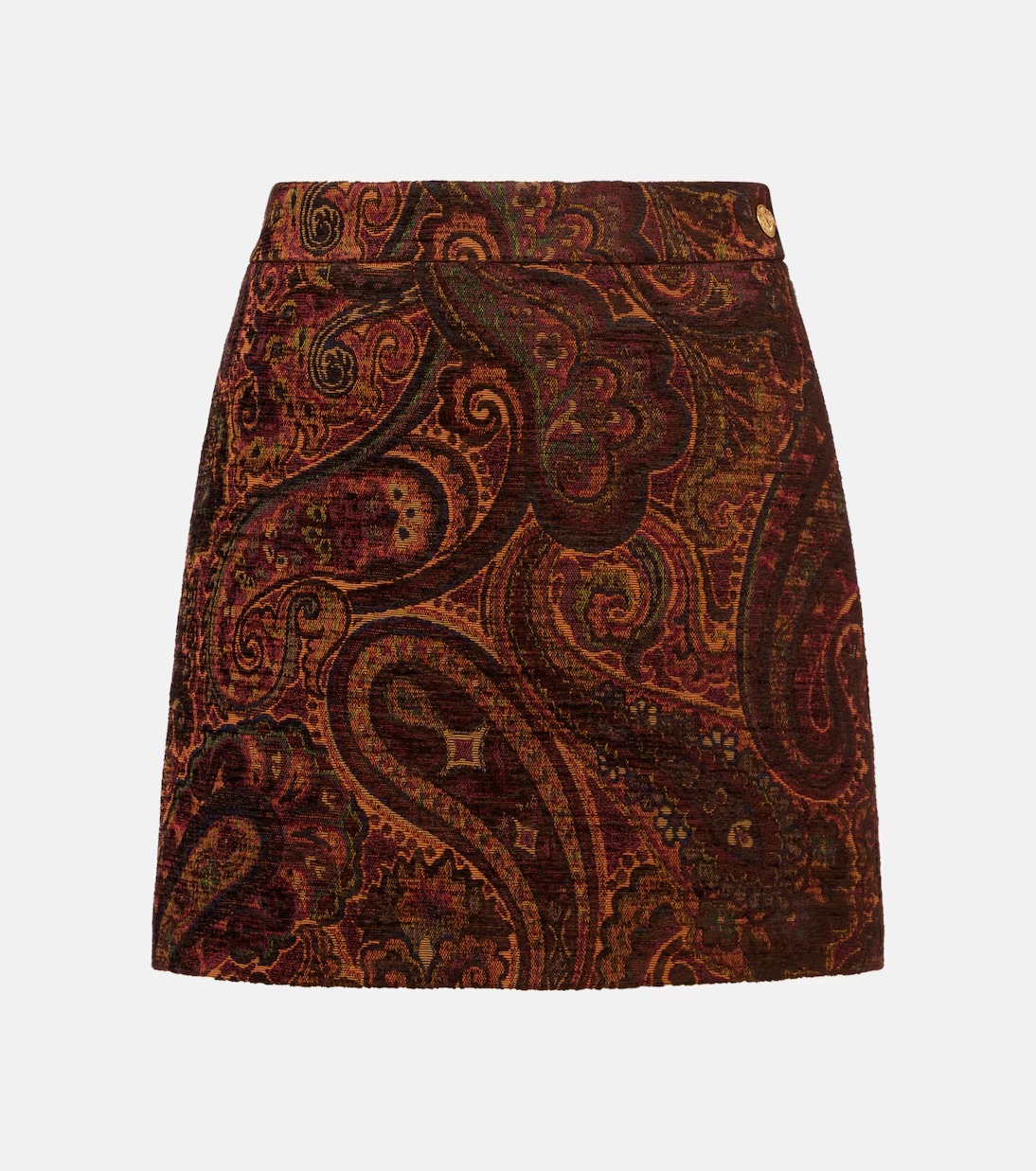
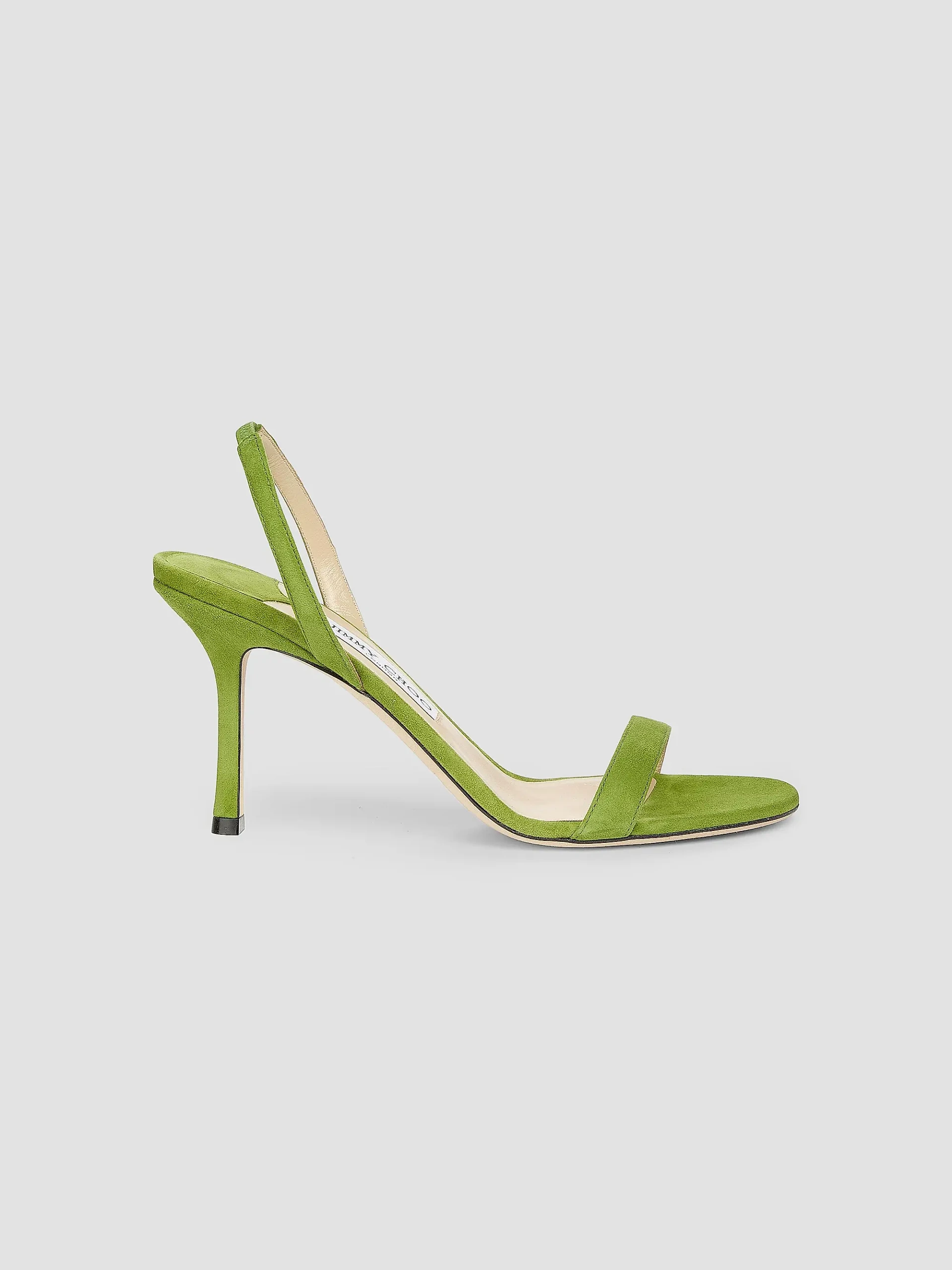
- The Maximalist T-Shirt and Tapestry Skirt: A simple black crewneck T-shirt (like Madewell’s perfect tee) was transformed into an insider canvas when paired with a heavy, patterned Chloé tapestry miniskirt. The look was anchored by vivid green suede slingbacks (such as Jimmy Choo’s Jenn sandals), elevating bohemian elements into high-fashion territory.
- The Mirror-Detail High-Shine Skirt: Pushing past standard daytime wear, attendees introduced high-shine elements into daytime wardrobes. A mirror-embellished linen-blend miniskirt (by Tanya Taylor) paired with an oversized oxford shirt struck an exact balance between understated menswear tailoring and disco-era glamour.
Phase 3: The Deconstruction of Formalwear (Days 5–7)
In the final stretch of the week, the street style narrative turned toward comfort-driven subversion, signaling a broader cultural shift away from overly restrictive apparel.
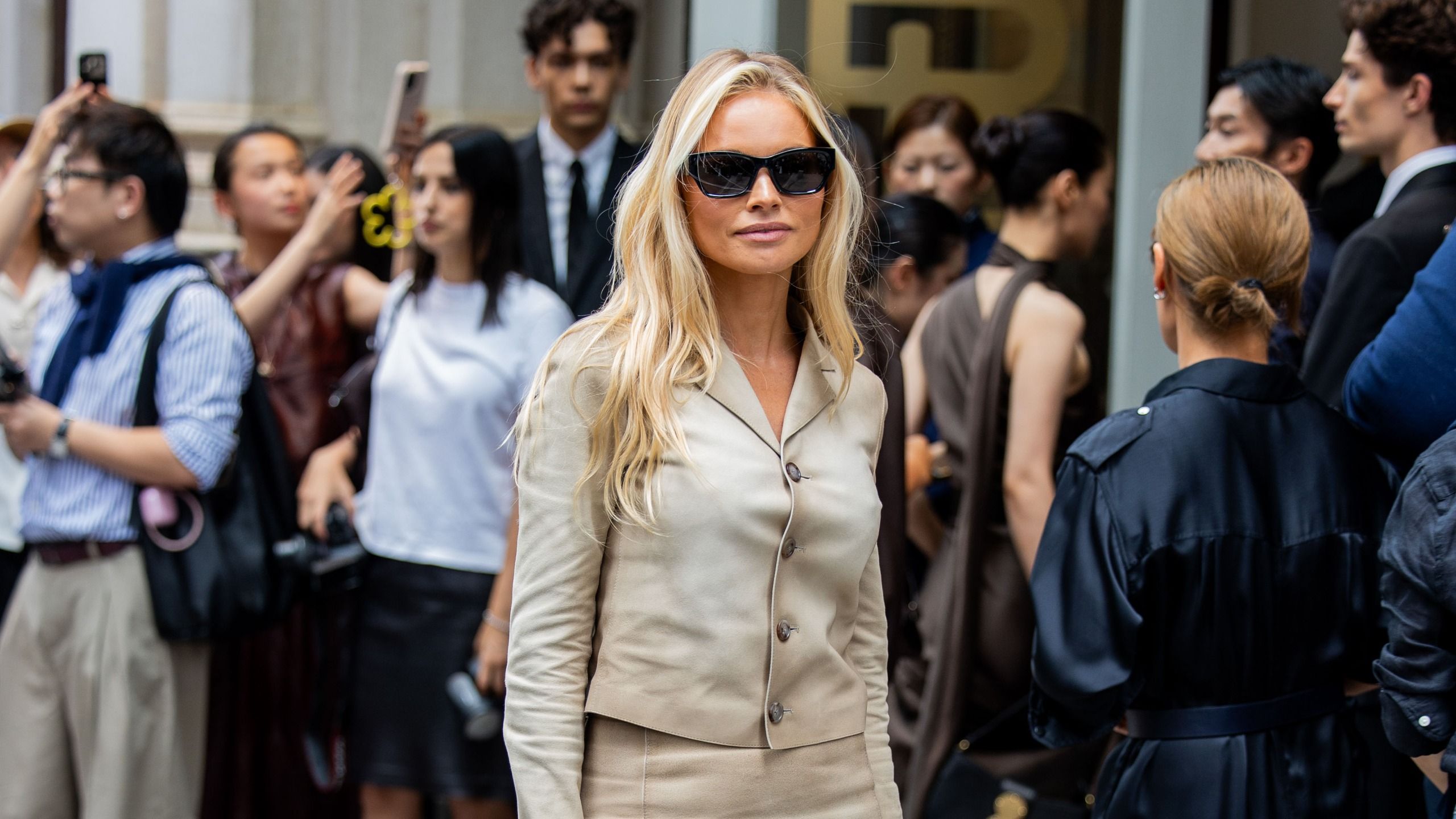
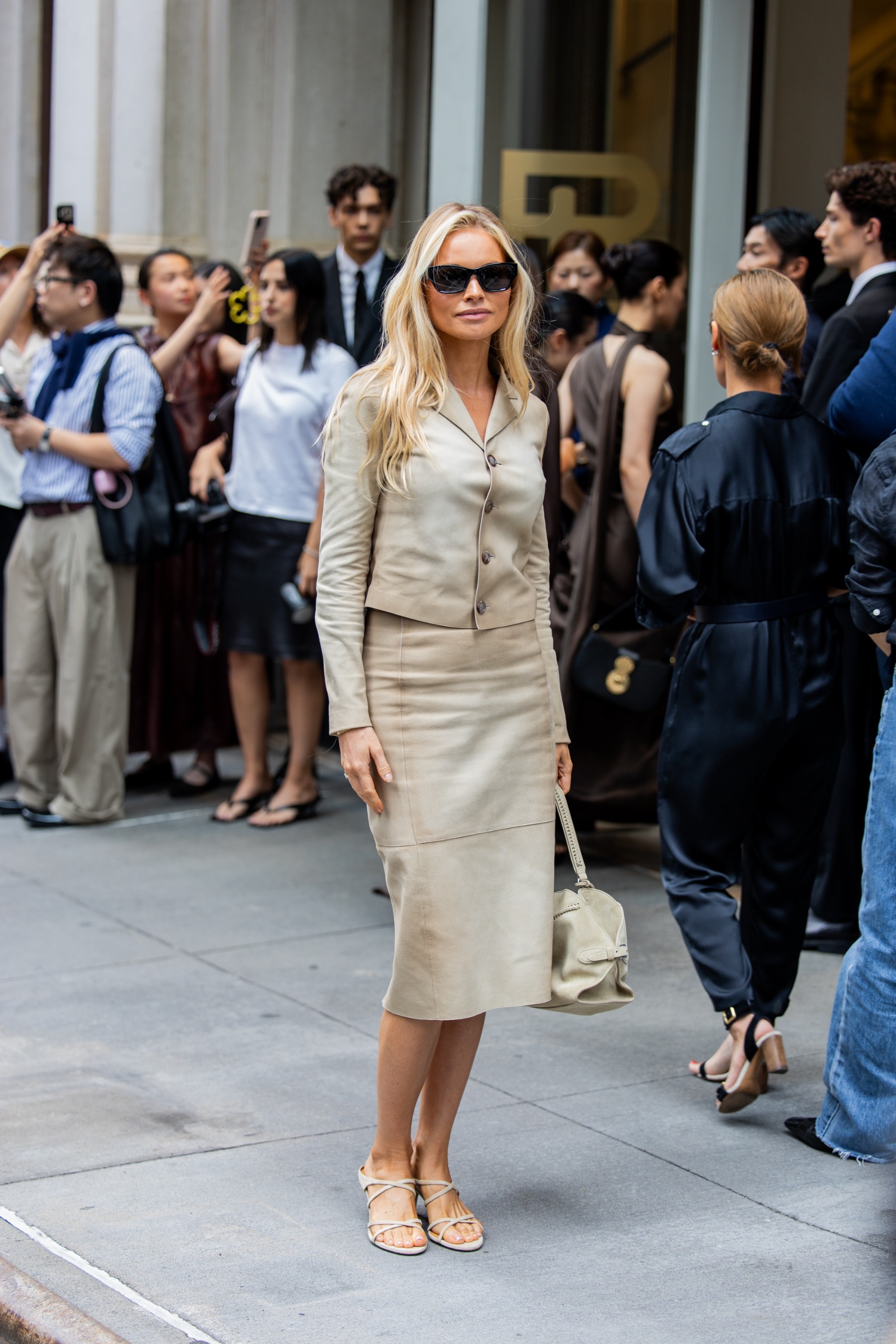
- The Beige Suit and Tactile Accessories: The traditional corporate power suit was softened for Fall 2026. Rendered in a warm beige wool-crepe (featuring pieces by Liberowe), the matching skirt suit was accessorized not with heavy pumps, but with barely-there strappy sandals and soft suede shoulder bags.
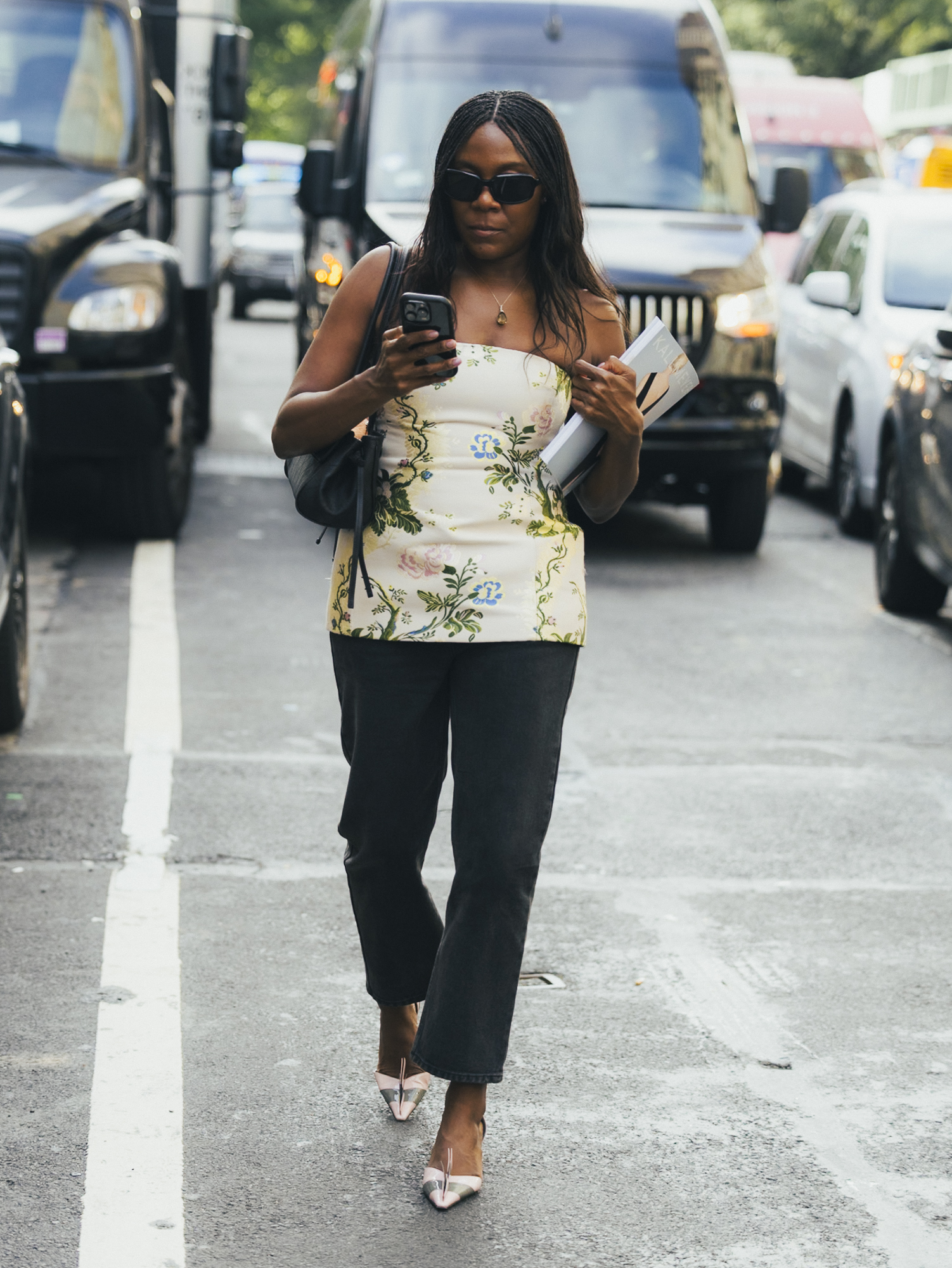
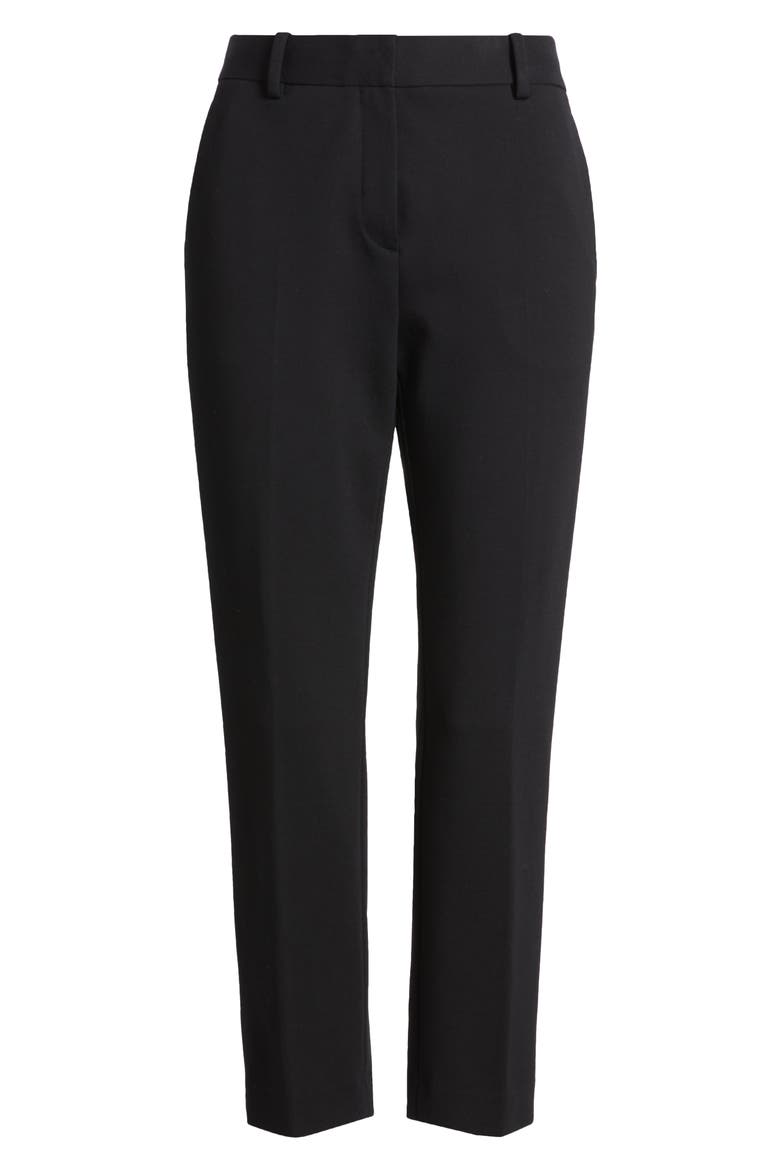
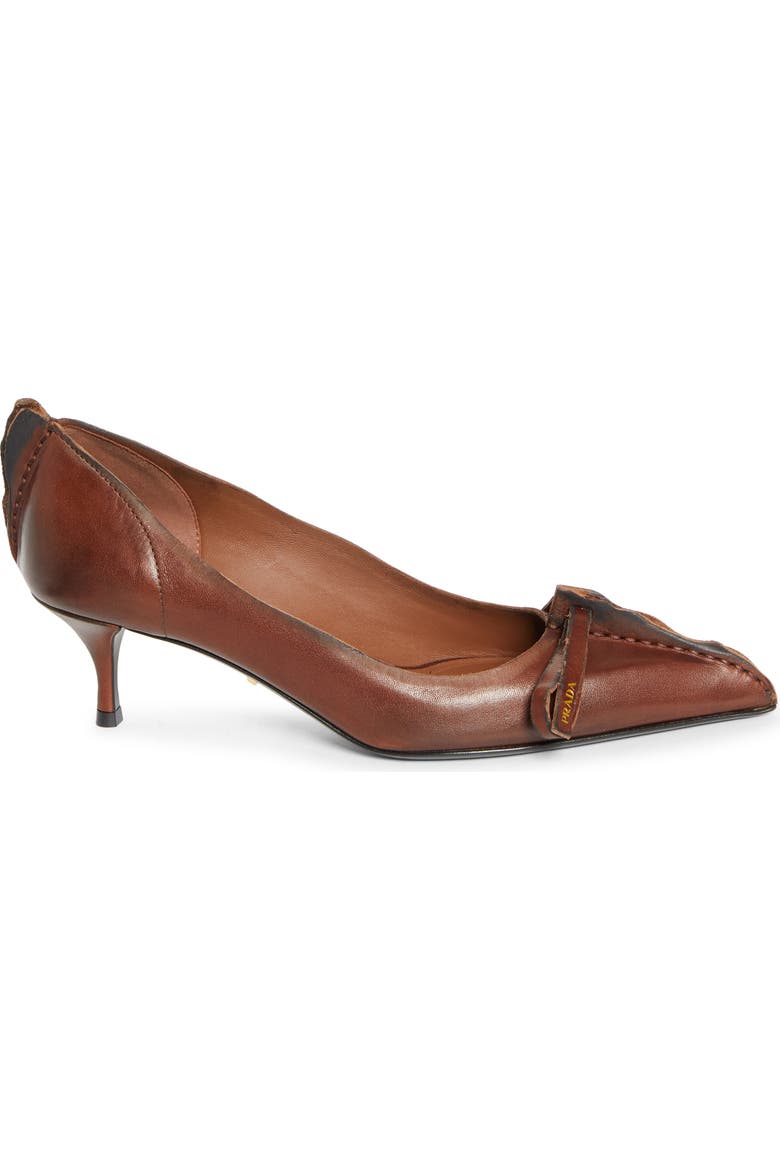
- Grown-Up Florals: Dispensing with the notion that florals are exclusively for spring, attendees wore strapless metallic floral-jacquard tops (notably from Dries Van Noten) paired with cropped tailored trousers and Prada kitten heels, letting the rich print carry the autumnal weight.
- The Pointelle and Flip-Flop Combination: Perhaps the most talked-about look of the week involved a matching white pointelle knit cardigan and skirt set (by Leset) paired unexpectedly with slim rubber flip-flops (Havaianas). This relaxed, downtown-cool pairing served as the ultimate proof that polished dressing is officially loosening its grip.
Supporting Data: Key Designers, Brands, and Retailers
The commercial viability of these street style moments is heavily anchored by specific designer pieces and accessible equivalents currently driving retail conversations. The intersection of runway design and street style implementation heavily featured the following houses:
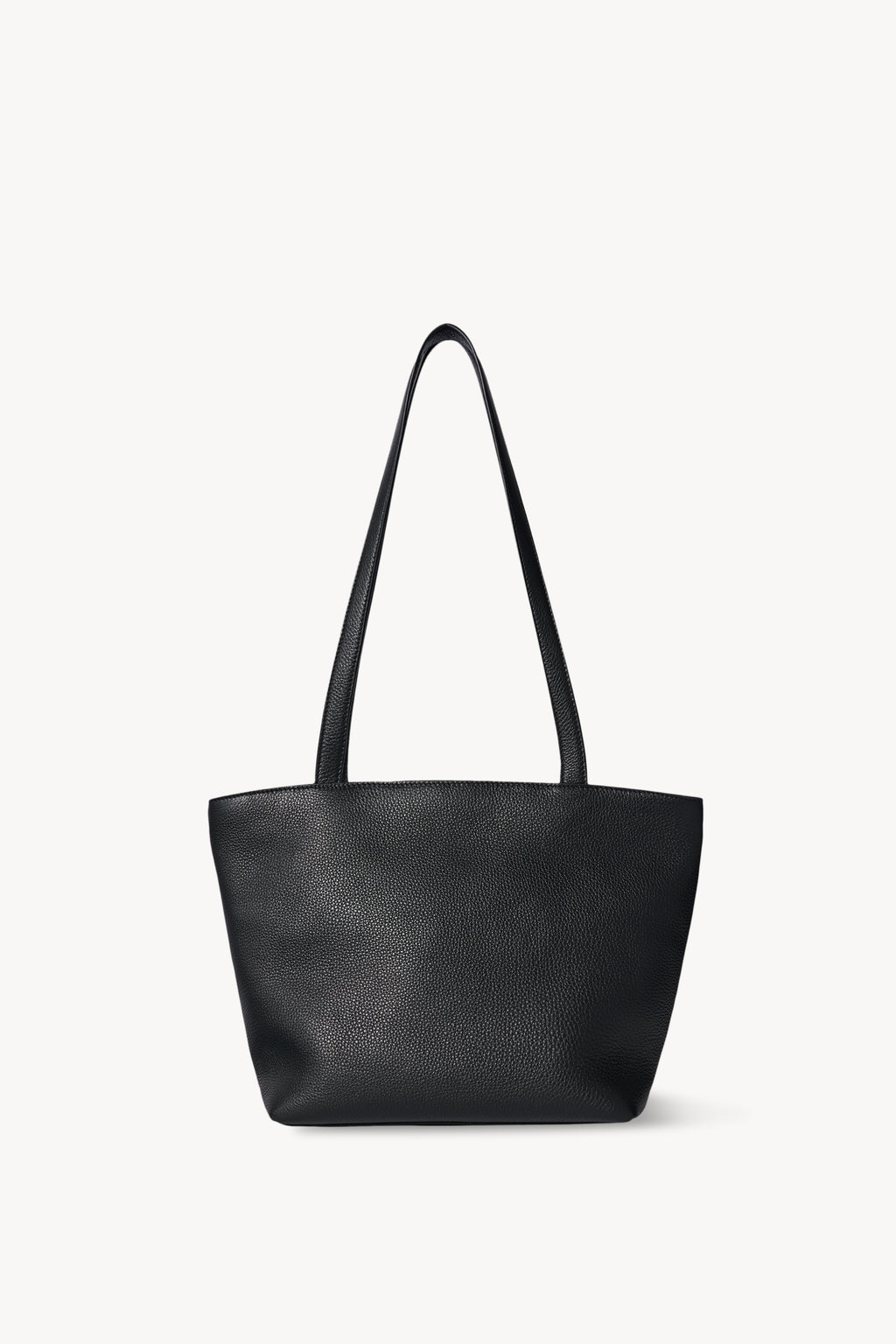
- Footwear & Accessories: Jimmy Choo, Manolo Blahnik, The Row (Agnes and Parker bags), and Prada dominated the footwear and leather goods categories, favoring kitten heels, slingbacks, and unstructured suede totes.
- Contemporary & Luxury Apparel: Dries Van Noten, Chloé, Tanya Taylor, and A.L.C. provided the statement-making statement pieces (tapestry skirts, mirror embellishments, and jacquard tops).
- Accessible Foundations: J.Crew, Madewell, Gap, and Leset served as the backbone for accessible everyday staples, proving that high-end street style relies heavily on perfectly executed basics like crisp poplin shirts and simple crewneck tees.
Official Responses and Industry Commentary
Industry insiders and fashion critics have weighed in heavily on the sociological implications of the Fall 2026 street style shifts.
Speaking on the trend toward relaxed footwear and tactile mixing, prominent stylists noted a collective craving for physical comfort paired with visual stimulation. "We spent years refining the hyper-polished, corporate-core aesthetic," noted one attending fashion editor. "What we are seeing outside the tents this season is a rebellion against that rigidness. People want to look intelligent and put-together, but they refuse to be uncomfortable. Pairing a pointelle knit skirt with a flip-flop or a utility pant with a luxury bag tells a story of modern multi-dimensionality."
Buyers from major luxury department stores echoed these sentiments, highlighting that the street style looks directly influence pre-fall and fall buying budgets. "When we see consumers and influencers styling utility wear with fine silk and crisp cottons in real-time outside the shows, it validates our retail strategy for versatile, cross-functional wardrobes," a senior luxury buyer remarked.
Implications: What Fall 2026 Street Style Means for the Consumer
The ripple effects of New York Fashion Week’s street style translate directly into actionable takeaways for the everyday wardrobe. As the industry transitions toward Fall 2026, consumers can anticipate several shifts in how retail markets approach seasonal dressing:
- The Demise of Seasonal Color Rules: The successful integration of bright greens, warm beiges, and metallic mirrors into autumnal outfits proves that traditional color palettes (like restrictive browns, navys, and blacks) are no longer mandatory for cold-weather dressing.
- Investment in Hybrid Workwear: The marriage of cargo pants with luxury shirting signals that utilitarian comfort is here to stay. Brands will likely continue expanding their offerings of elevated workwear that bridges the gap between casual lounging and professional polish.
- High-Low Footwear Integration: The endorsement of casual slides, flip-flops, and minimalist flats with structured tailoring gives consumers permission to prioritize foot health and ease without sacrificing sartorial credibility.
Ultimately, the Fall 2026 street style at New York Fashion Week delivered a refreshing message: fashion is no longer about strict adherence to rules, but rather the creative confidence to mix the high with the low, the polished with the relaxed, and the classic with the entirely unexpected.
 Raul Delapena Setiawan
 Laily UPN
