

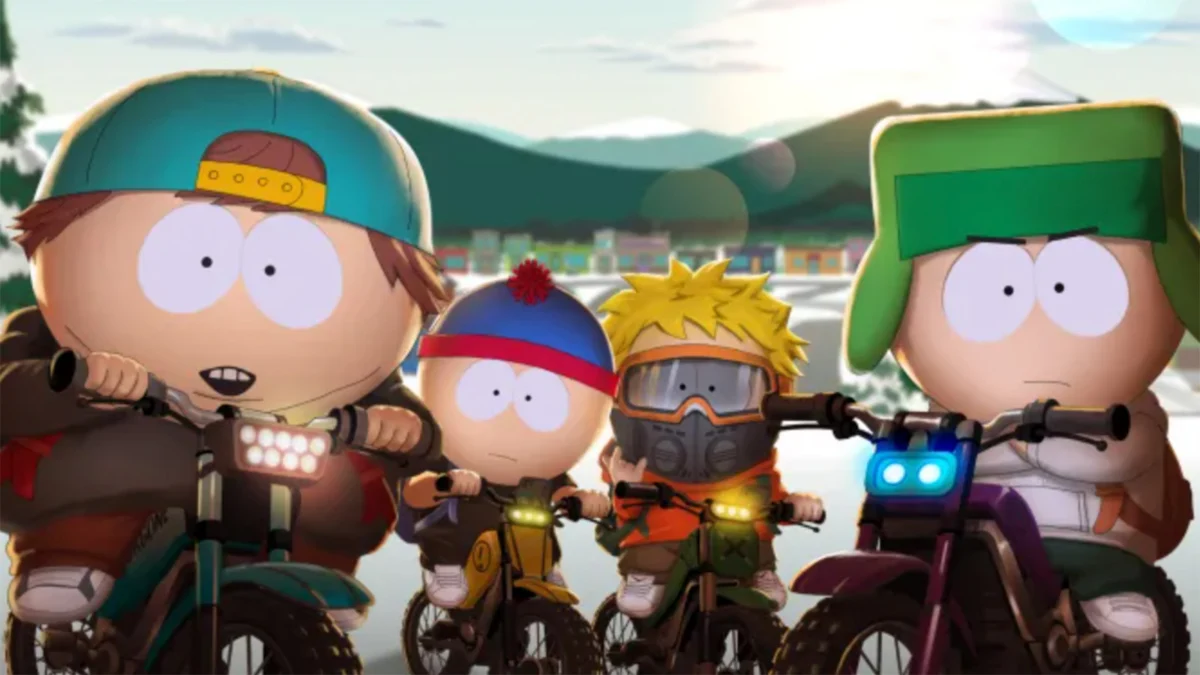
In a move that has sent shockwaves through the television landscape and delighted its long-term fanbase, the iconic animated series South Park has officially kicked off its 29th season with a radical, tongue-in-cheek transformation. Premiering this past Wednesday, the show—now officially rebranded as South America—has signaled a return to the classic, character-driven storytelling that defined the series for three decades, while simultaneously doubling down on the biting political satire that has become its modern trademark.
A Return to Form: The Premiere of ‘South American Biker Gangs’
The season premiere, titled "South American Biker Gangs," marks a departure from the experimental structures of recent years, grounding the narrative once again in the familiar dynamics of Stan, Kyle, Cartman, and Kenny. The episode centers on the boys’ attempts to navigate their rapidly changing town, which has been overrun by a proliferation of e-bikes—a premise that serves as a vehicle for the show’s signature brand of social commentary.
Critics have lauded the episode as a "return to form." Jesse Schedeen of IGN noted, "The focus shifts back to the core quartet. Randy is out there being a solipsistic doofus, and the episode even climaxes with a classic Kenny death, which we haven’t seen in years. It is truly a blast from the past."
This pivot back to the show’s foundational elements provides a necessary anchor for the chaotic, politically charged atmosphere the series has cultivated since Season 27. While the show remains deeply entrenched in the political discourse of the 2026-2027 era, the narrative focus on the children dealing with the absurdity of the adult world reminds viewers exactly why South Park remains one of the most resilient programs in television history.
The Evolution of a Brand: Why ‘South America’?
The rebranding of the show from South Park to South America is far from a random creative choice. It serves as a sharp, satirical jab at the current political climate and, specifically, the naming conventions often associated with the Trump administration’s rhetoric. The title reflects a recurring trend in the show’s satire: mocking the tendency of political figures to rebrand or "reclaim" existing entities under the guise of patriotism.
According to a press statement from co-creators Trey Parker and Matt Stone, the change is presented as a "patriotic" endeavor. "Inspired by the bravery and patriotism of Apple and Google, we are changing the name of South Park to South America," the duo stated on Tuesday. "We especially want to thank our parent company, Paramount—a Skydance Capitulation."

This statement highlights the meta-textual layer of the series, which has increasingly focused on the corporate and political landscape that governs the media industry itself. The reference to the "Skydance Capitulation" underscores the creators’ ongoing friction with their corporate overseers, a theme that has permeated the show’s recent output and earned it critical acclaim for its fearlessness.
Chronology of Political Satire: From 2013 to the Present
To understand the weight of this premiere, one must look at the trajectory of the series over the last decade. Following a long period of varying critical reception, South Park experienced a creative resurgence in recent years by leaning into the volatile political climate.
- 2013–2020: The show navigated the complexities of the mid-2010s, winning several accolades but struggling to find a consistent footing as the world grew increasingly polarized.
- 2023–2025 (Seasons 27-28): These seasons marked a turning point. The series adopted a more aggressive, politics-heavy stance that surprised many, directly addressing the policies and personality of the Trump administration.
- 2026 (The Emmy Win): The strategy paid off when the show won Best Animated Program at the Emmys for the first time since 2013, proving that the audience’s appetite for "sharp, consistent attacks" was higher than ever.
- 2026 (September): The premiere of Season 29 sees the show formalizing its role as a political lightning rod, rebranding as South America to mock the administration’s nationalist branding efforts.
Supporting Data and Critical Analysis
The critical reception of the premiere has been overwhelmingly positive, with many reviewers noting that the show’s "bite" has not dulled. Dominic Patten of Deadline described the premiere as "stars-and-stripes sharp," noting that the show successfully mocks both the hope of the left that the midterms will end current political chaos and the general anxiety surrounding the technological and cultural shifts of the late 2020s.
The Guardian’s Jesse Hassenger observed that the renaming gag reaches a "crescendo" with a new, intentionally grating patriotic theme song. "The children must suffer the whims of hair-trigger, selfish adults," Hassenger wrote, pointing out that the show’s central thesis—that the adults are the true source of dysfunction—remains as relevant as ever.
Furthermore, The Daily Beast’s Michael Boyle pointed out that the premiere takes the "brutal Trump troll to a new level." While the former President does not appear in the flesh, his presence is felt throughout the episode, particularly in the new main title sequence and the thematic preoccupation with nationalist rebranding.
Official Responses and Corporate Friction
The relationship between the show and the political figures it lampoons has become increasingly hostile. In response to the anti-Trump rhetoric featured in the previous two seasons, the Trump administration issued a blistering critique, labeling South Park a "fourth-rate show" that relies on "uninspired ideas in a desperate attempt for attention."

This condemnation has only served to bolster the show’s reputation among its fans. By maintaining a stance of total irreverence, Parker and Stone have turned the show into a cultural battleground. Furthermore, the tension between the creators and their corporate home, Paramount, has become a key element of the show’s lore. The "Skydance Capitulation" comment from the creators suggests that the battle for creative control is ongoing, and that South Park intends to use its platform to continue holding both political figures and corporate media conglomerates accountable.
Future Implications: The Road to the 30th Anniversary
As Season 29 continues, the stakes for the show’s political commentary are expected to rise. Analysts suggest that South America will likely increase its focus on election-cycle politics as the November midterms approach.
The schedule for the remainder of the season is as follows:
- Episode 2: September 30
- Episode 3: October 14
- Episode 4: October 28
- Episode 5: November 11
- Episode 6: November 25
Each of these dates will be critical in determining how the show handles the shifting landscape of American politics. With the show’s 30th anniversary fast approaching on August 13, 2027, the industry is watching closely to see if this new era of South America will be the final evolution of the franchise or merely another chapter in its long, unpredictable history.
Conclusion
The transformation of South Park into South America is more than just a clever joke; it is a declaration of intent. By leaning into its identity as a political lightning rod and returning to its roots of character-driven absurdity, the series has managed to stay vital three decades into its run. As the show prepares for its upcoming episodes, the message to its audience is clear: the town of South Park may have changed its name, but the biting, uncompromising spirit of its creators remains exactly as it has always been—fearless, sharp, and entirely uninterested in playing by the rules of the mainstream.
Whether the rebranding will lead to a new golden age or simply serve as a final, defiant flourish remains to be seen, but for now, South America remains one of the most essential watches on television.
 Ammar Sabilarrohman
 Siti Muinah
 Iffa Jayyana
