


As the brisk winds of autumn begin to sweep through urban streets and rural countrysides alike, a seasonal ritual takes place across vanity tables worldwide. The vibrant, sun-drenched, tropical vacation fragrances characteristic of summer are systematically shelved. In their place emerge the richer, more contemplative scent profiles designed to harmonize with heavy knits, cashmere scarves, and the earthy, spiced flavors of the colder months.
Traditionally, the autumn fragrance market has adhered to a predictable script. Warm amber, smoky vanilla, and heavy doses of woody oud reliably surged in popularity as temperatures dropped. However, the 2026 fall fragrance landscape is rewriting these long-standing rules. Industry leaders and master perfumers are observing a radical departure from monolithic seasonal categories. Instead, this season is defined by unexpected juxtapositions: juicy, dynamic fruits traditionally sequestered to the summer months are turning dark and moody, while complex, floral-woody chypres are undergoing modern overhauls.
While indulgent gourmands are holding their ground, they are evolving into far more adventurous, sophisticated compositions. The core narrative of the 2026 fall fragrance trends centers on hyper-personalization, moving away from prescriptive scent guidelines and toward distinct, idiosyncratic olfactory signatures that communicate profound sophistication.
The Chronology of Modern Scent Evolution: From Monolithic Notes to Hyper-Personalization
To understand how the fragrance market arrived at the intricate trends defining fall 2026, it is essential to examine the historical trajectory of fine perfumery over the past decade.
The Era of Mass-Market Conformity (Late 2010s)
For years, commercial perfumery operated on strict seasonal binaries. Summer dictated light citrus, aquatic, and solar notes; winter mandated thick, heavy orientals and sweet vanillas. Consumers largely purchased perfumes based on broad demographic categories, resulting in saturated markets where single-note dominance—such as the ubiquitous sugary vanilla boom—reigned supreme. Fragrances were designed to be instantly recognizable and widely palatable, minimizing risk for major houses.
The Niche and Indie Revolution (2020–2024)
The proliferation of independent perfume houses and direct-to-consumer digital brands dismantled traditional gatekeeping. Consumers gained access to avant-garde ingredients, complex layering concepts, and unconventional accords, such as mineral, metallic, and savory notes. During this period, the appetite for personal expression overtook the desire to wear what was deemed universally popular.
The Shift Toward Micro-Personalization (2025–2026)
By 2025, the boundary between seasonal scents began to dissolve entirely. Consumers rejected the notion that fruits belong exclusively to summer or that woods are reserved for winter. Entering the fall 2026 season, the industry has reached a tipping point. Perfumers are no longer creating scents for a generic demographic; instead, they are formulating chemical and natural compositions that interact dynamically with individual skin chemistries, micro-environments, and tactile preferences.
Supporting Data and Market Dynamics
The transformation of the autumn fragrance category is heavily supported by shifts in consumer purchasing behavior and formulation innovations within major fragrance houses like DSM-Firmenich. Market research within the fine fragrance sector points toward several key shifts:
- Rise in Niche and Prestige Tier Growth: According to retail data, sales of complex, high-concentration extrait de parfums and multi-faceted artisanal blends have grown exponentially compared to mass-market linear scents.
- Diversification of Fruit Notes: Historically, fruit notes accounted for a significant percentage of youth-market sales, often categorized as transient or overly sweet. However, data from major fragrance houses indicates a 35% year-over-year increase in "dark fruit" development (cassis, black cherry, and damson plum) targeted at luxury and prestige buyers.
- The Multiformat Expansion: Consumer demand is no longer satisfied by the traditional glass spray bottle alone. The market for non-traditional application formats—including high-end hair mists, perfumed dry oils, solid balms, and sophisticated fragranced personal care items—has expanded into a multi-million-dollar category, driven by the desire for customizable longevity and subtle projection.
Official Industry Perspectives
Leading noses and master perfumers at the forefront of contemporary fragrance design offer critical insights into the philosophical and technical shifts shaping the market.
"The biggest shift we’re noticing for fall 2026 is that fragrance is becoming more personal and less prescriptive," explains master perfumer Erwan Raguenes of DSM-Firmenich. Rather than forcing consumers into seasonal boxes, modern formulations are engineered to adapt to the wearer.
Elaborating on the evolution of traditional scent families, Raguenes highlights the transformation of fruit accords: "After the explosion of playful, juicy fruits, we’re moving toward darker, more sensual expressions." Mouthwatering yet deep notes such as plum, cassis, and black cherry are anchoring formulas that previously would have felt out of place in autumn.
Master perfumer Cécile Zarokian emphasizes the changing psychological needs of the consumer. "Consumers are still looking for comfort, but are more adventurous and interested in complexity," Zarokian notes. This desire for comfort married with intellectual intrigue has fueled the rise of spicy gourmands, where sweetness is tempered by dry resins and sharp spices.
Meanwhile, Jacques Cavallier Belletrud, master perfumer at Louis Vuitton, points to the growing intersection between abstract concepts and raw materials. Discussing modern architectural and tactile inspirations, Cavallier Belletrud notes that contemporary formulations are frequently built around "that fascinating tension between introspection and urban effervescence," bringing structural integrity and material depth to modern blends.
The Six Defining Perfume Trends for Fall 2026
1. Moody Fruits
In previous decades, fruit-forward perfumes faced a persistent critique: they were often perceived as juvenile, sugary, or overly ephemeral. However, luxury perfumers have successfully rehabilitated the category by deepening the flavor profile.
For fall 2026, fruit is dark, brooding, and opulent. Instead of bright citrus or airy melon, the focus shifts to the rich, syrupy depth of black cherry, blackberry, cassis, and damson plum. These notes are frequently anchored by patchouli, leather, or dark woods, creating a sophisticated tension between mouthwatering sweetness and gothic elegance.
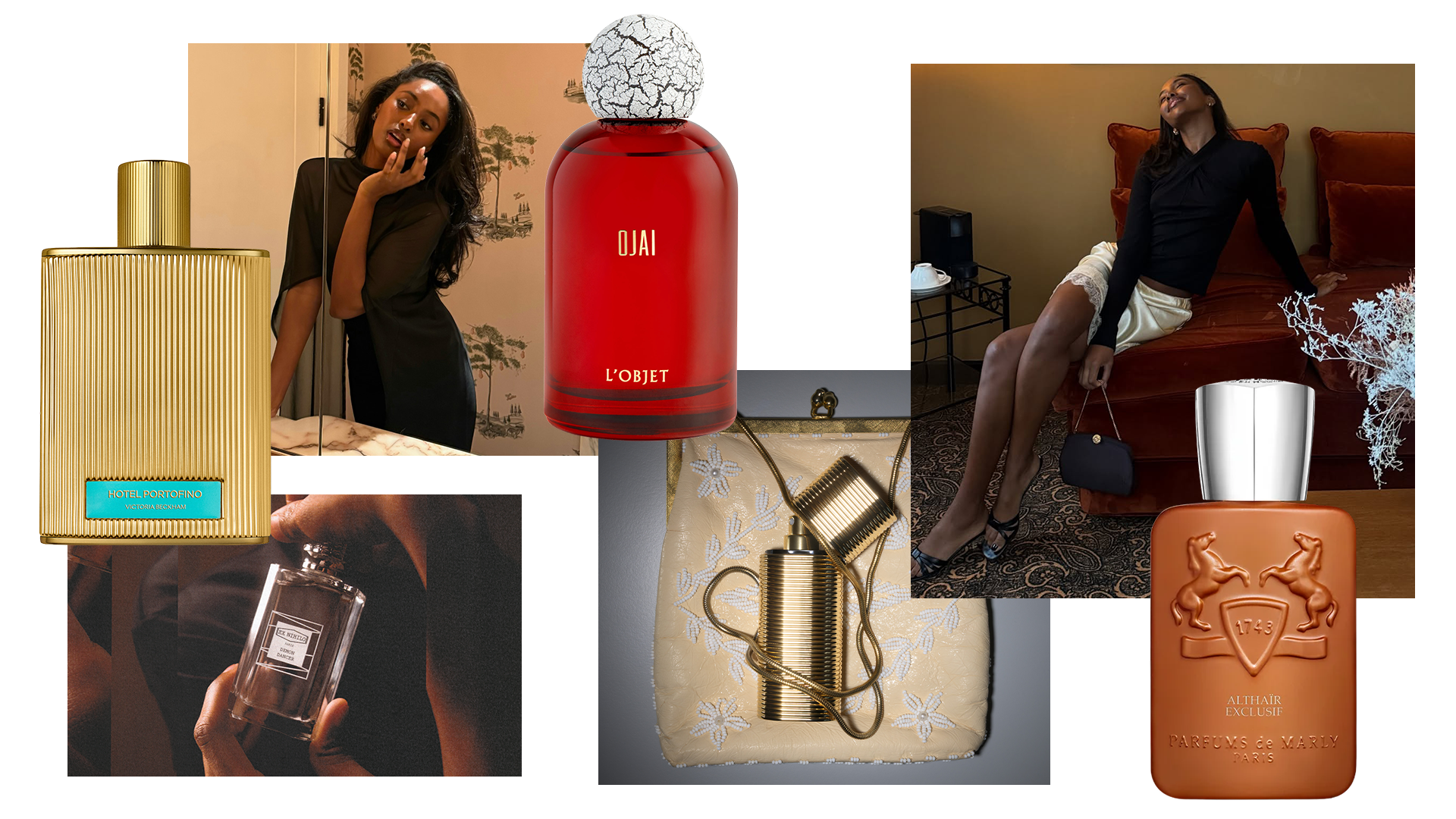
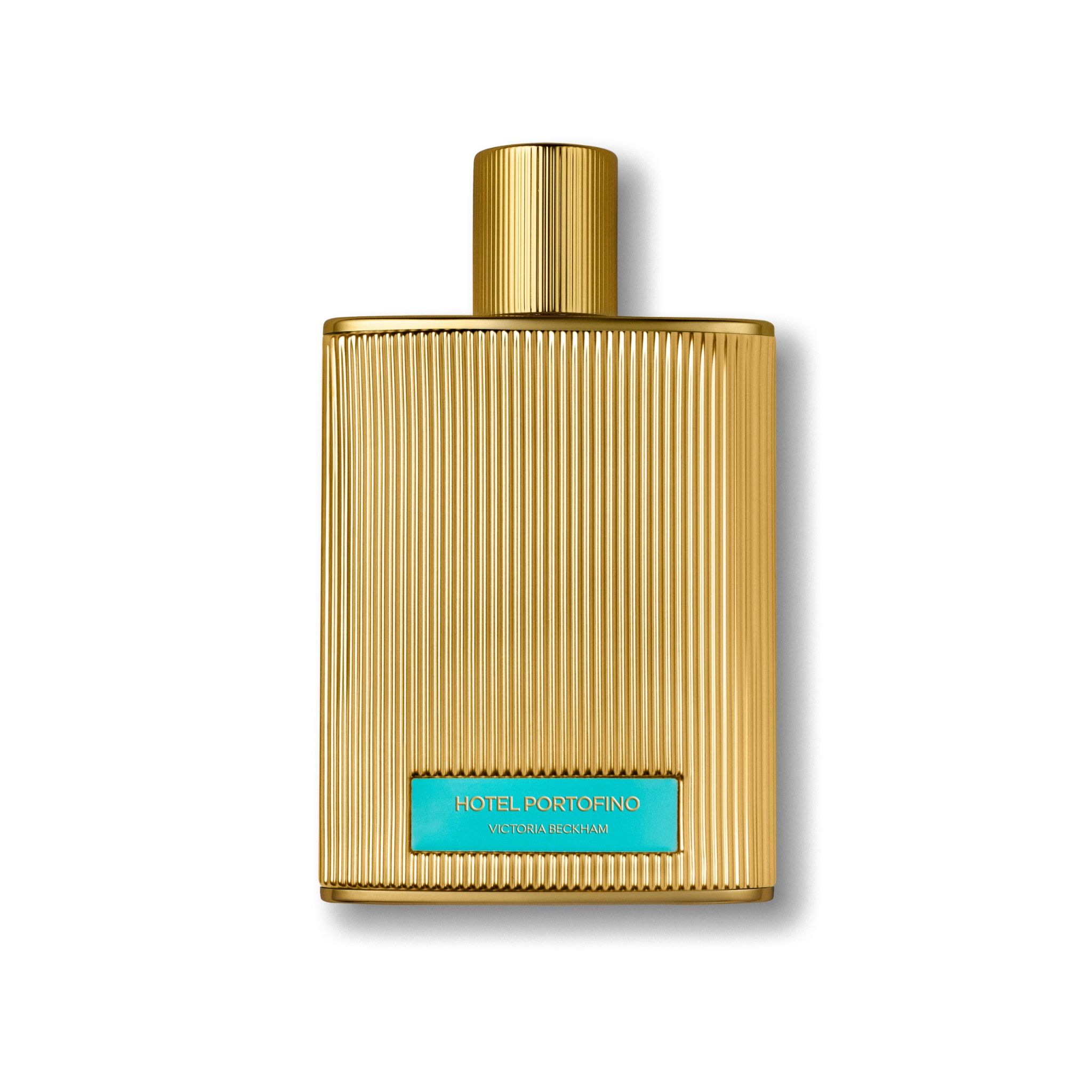
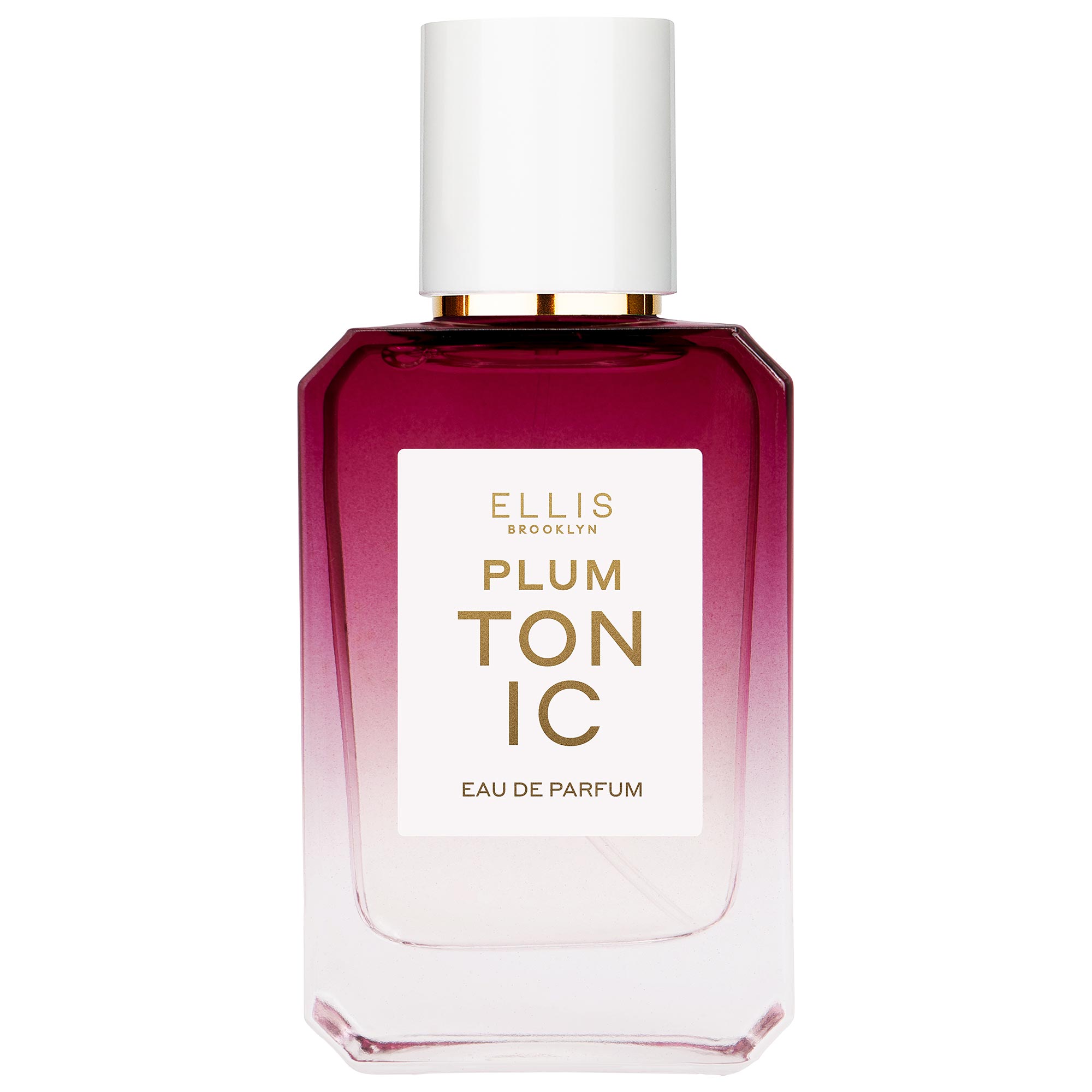
- Key Releases to Watch: Victoria Beckham Beauty Hotel Portofino Extrait de Parfum, Billie Eilish Eilish Intense Eau de Parfum, and Ellis Brooklyn Plum Tonic Eau de Parfum.
2. Modern Chypres
Long considered the ultimate benchmark of perfumery sophistication, classic chypres—characterized by a citrus top note, a floral heart, and an oakmoss-and-labdanum base—have historically been viewed as an acquired taste due to their uncompromising complexity.
The 2026 interpretation introduces modern accessibility without sacrificing structural integrity. By injecting warm amber accords and luminous fruity facets into the traditional chypre architecture, contemporary perfumers have transformed a notoriously rigid category into a versatile, highly wearable option for the modern consumer.
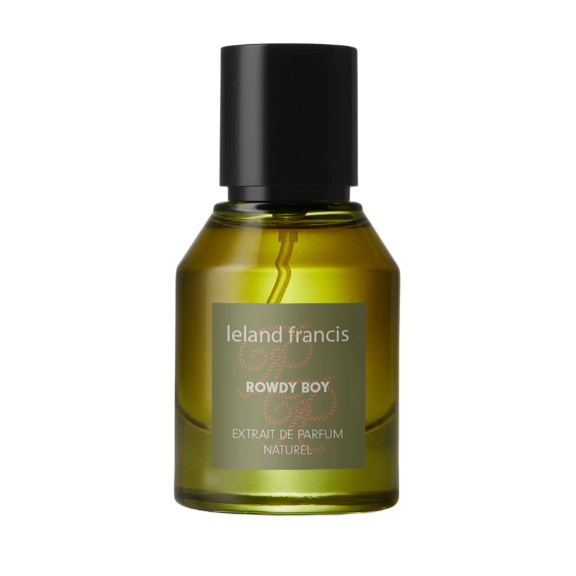
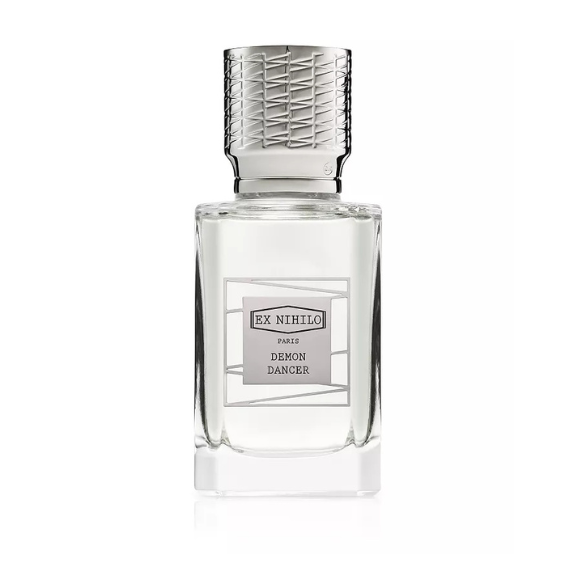
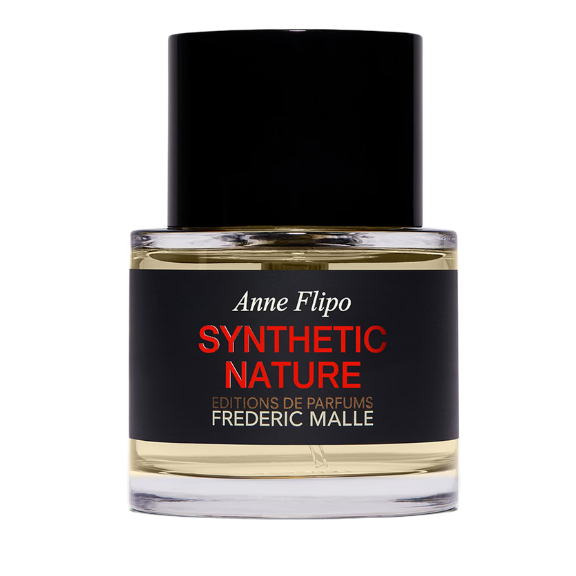
- Key Releases to Watch: Leland Francis Rowdy Boy, Ex Nihilo Demon Dancer Eau de Parfum, and Frederic Malle Synthetic Nature.
3. Spicy Gourmands
While sticky, literal gourmands (such as straight caramel or cotton candy) dominated the post-pandemic comfort-scent cycle, the pendulum has swung toward a more elevated culinary experience.
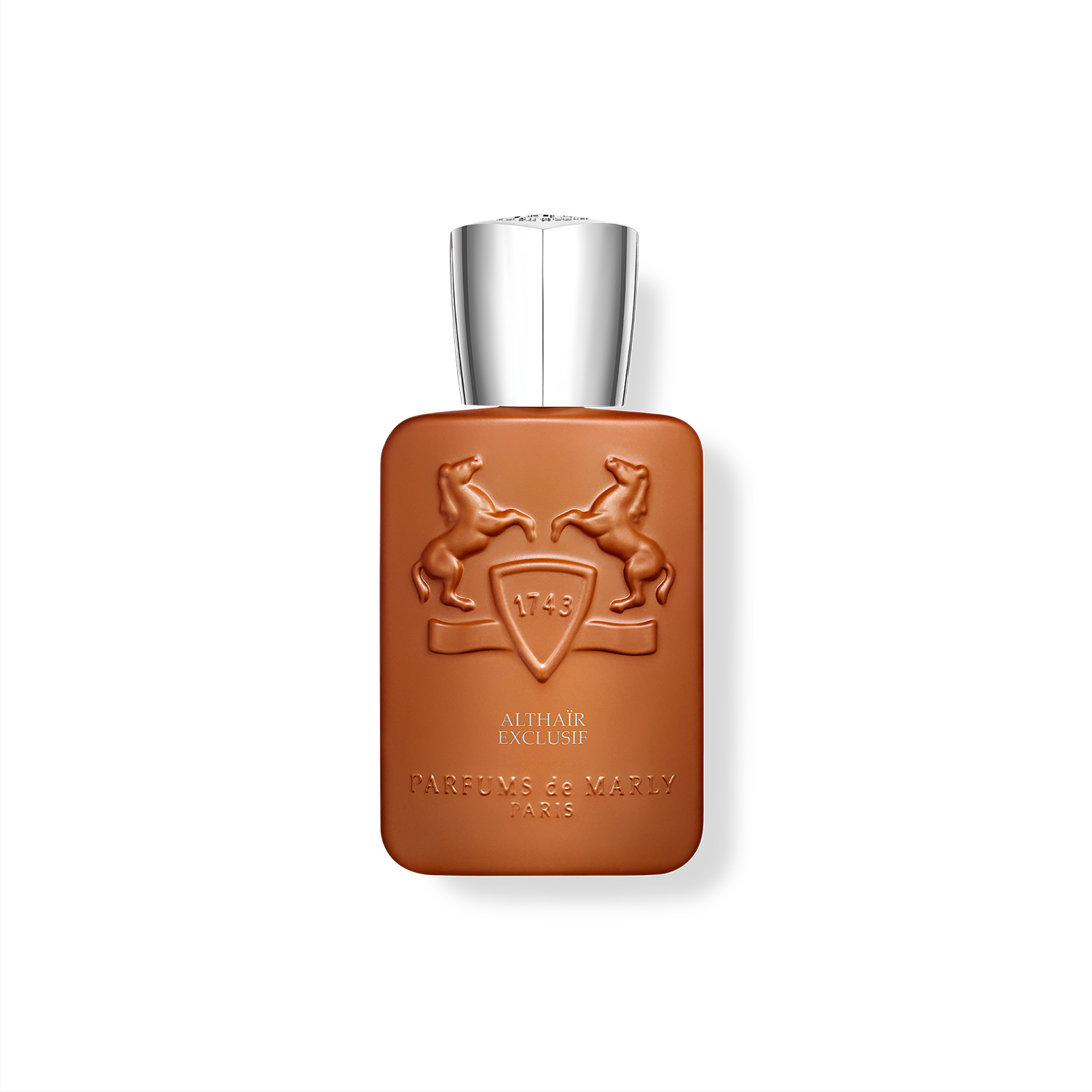
Spicy gourmands marry edible notes with dry, aromatic spices, warm resins, and rich woods. Saffron, cardamom, toasted nuts, and pepper cut through the sweetness, providing texture and sophisticated depth. This category satisfies the human desire for warmth and comfort during cooler weather while avoiding cloying heaviness.
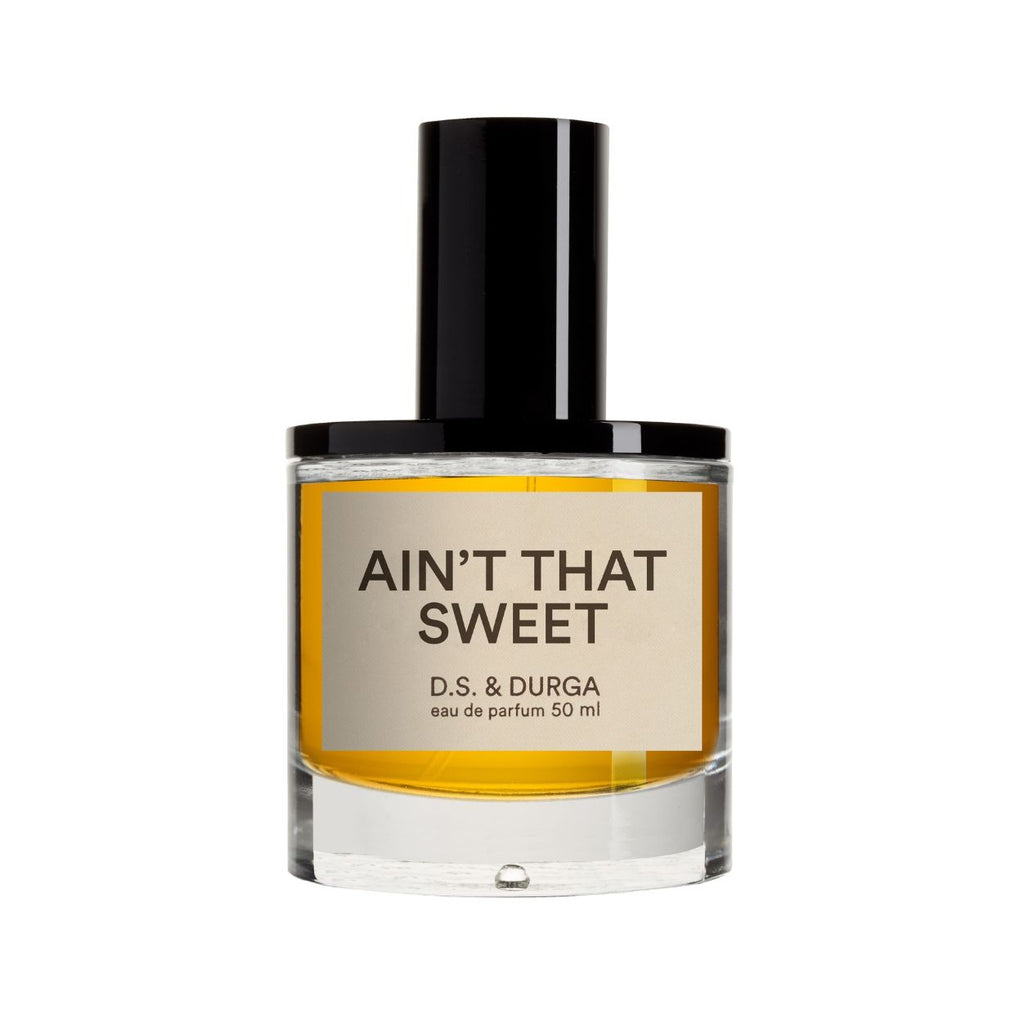
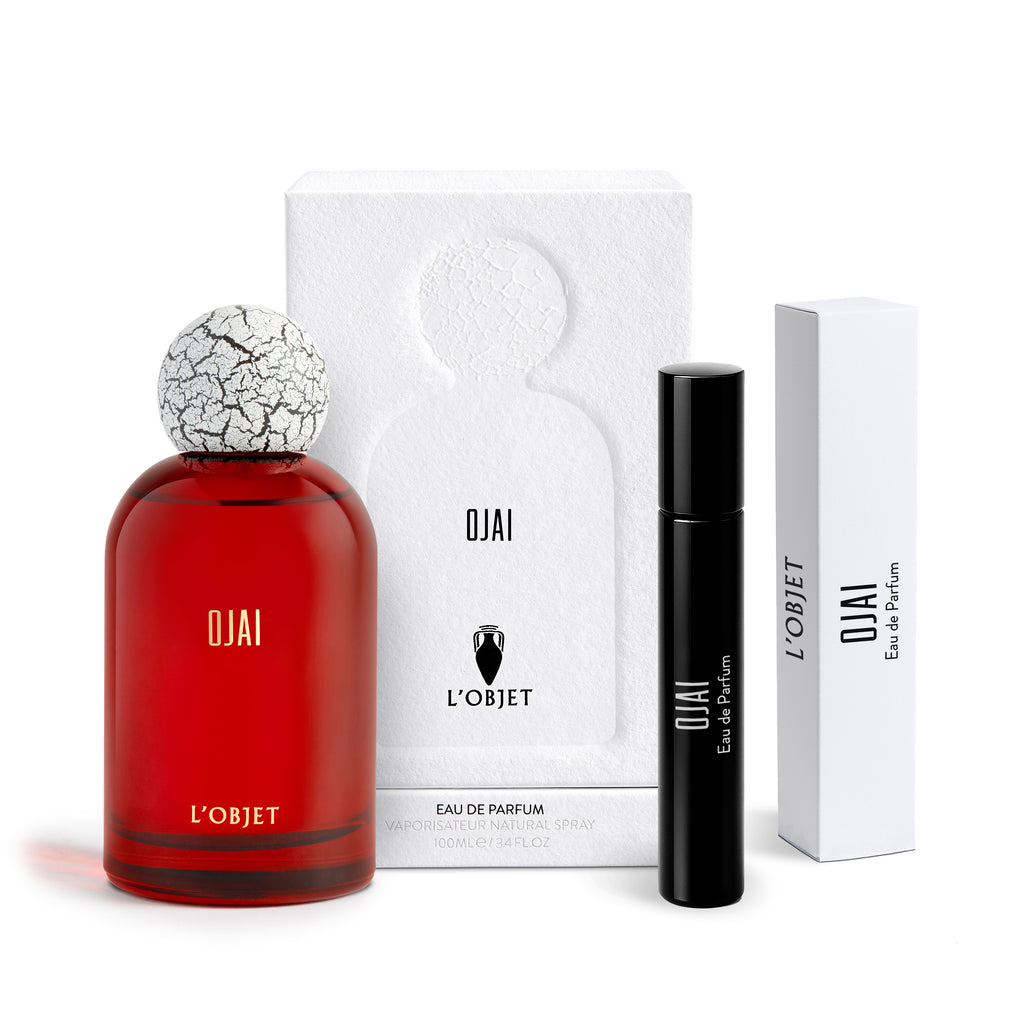
- Key Releases to Watch: D.S. & Durga Ain’t That Sweet Eau de Parfum, Parfums de Marly Althaïr Exclusif, and L’OBJET Ojai Eau de Parfum Duo.
4. Textured Aromas
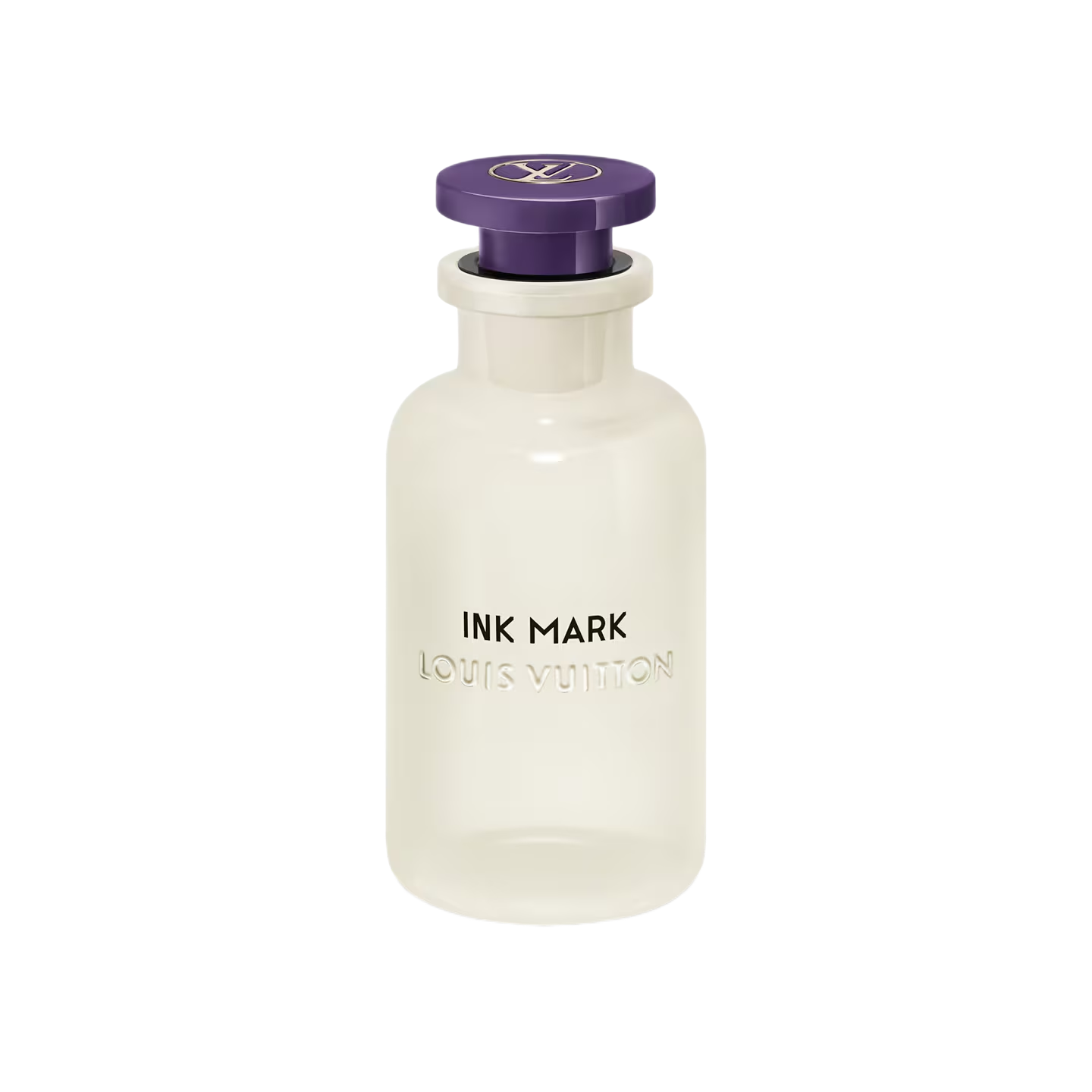
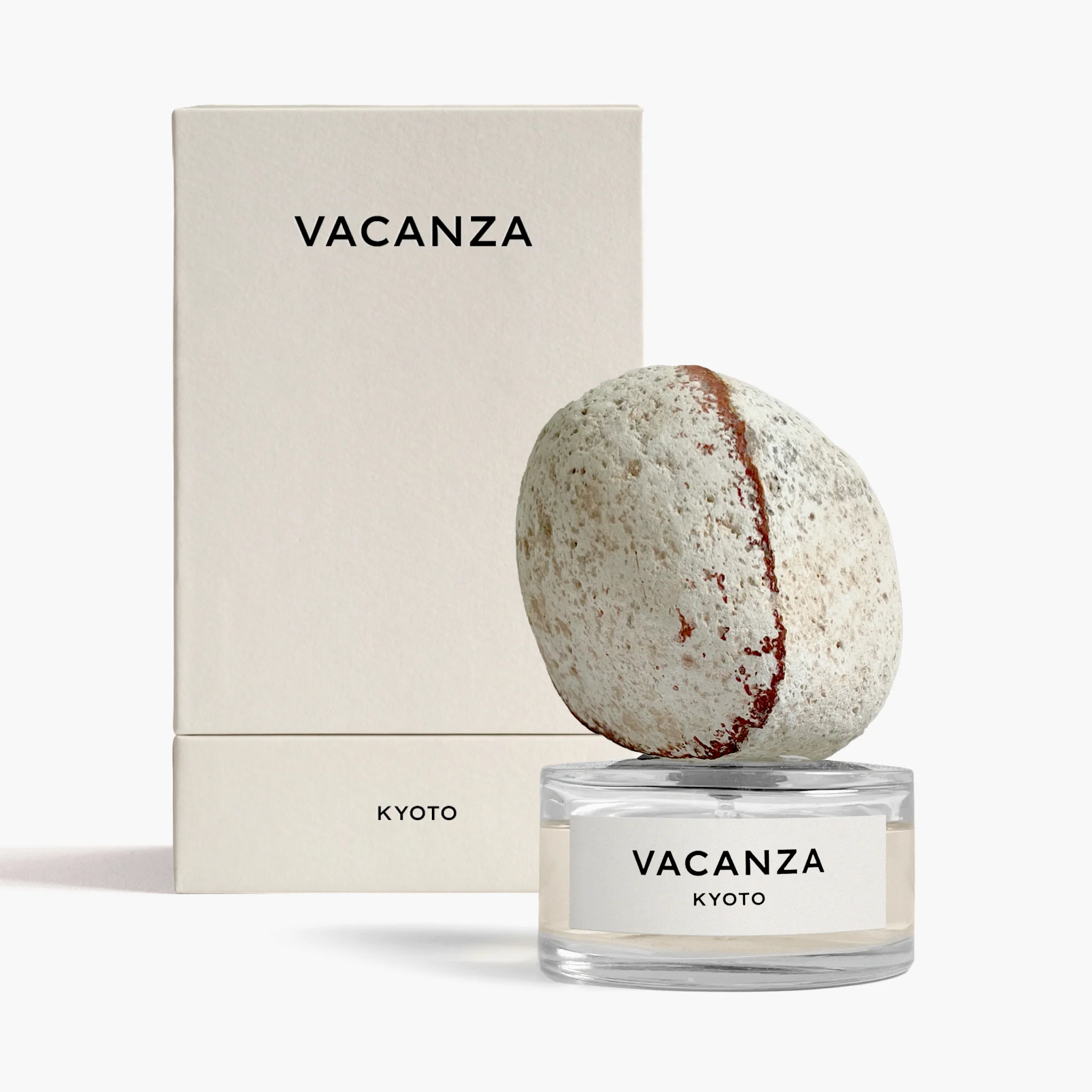
One of the most fascinating developments in recent perfumery is the translation of physical, industrial, and artistic textures into scent profiles. Perfumers are increasingly utilizing raw material concepts—such as cold metal, dry paper, architectural stone, and heavy calligraphy ink—to evoke physical environments and tactile memories.
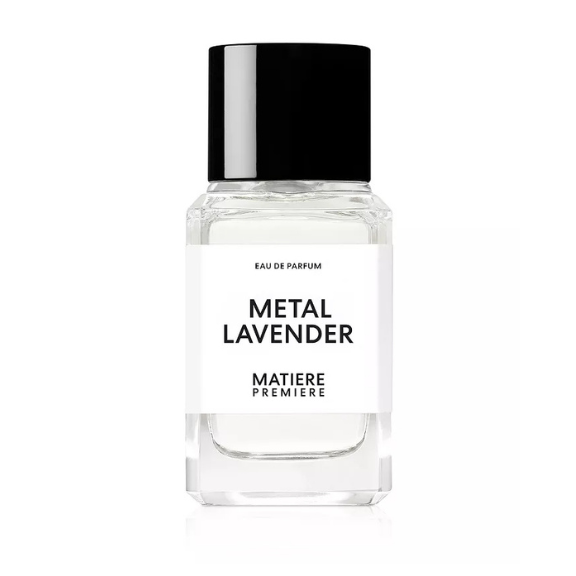
These formulations often rely on synthetic innovations and master extractions to recreate the sharp edge of steel, the powdery whisper of parchment, or the mineral scent of damp stone, bridging the gap between fine art and personal fragrance.
- Key Releases to Watch: Matiere Premiere Metal Lavender Eau de Parfum, Louis Vuitton Ink Mark, and Vacanza’s stone-capped fragrance line.
5. Layered Formats
The democratization of scent layering has graduated from simply wearing two different perfumes to utilizing an entire ecosystem of fragranced body care.
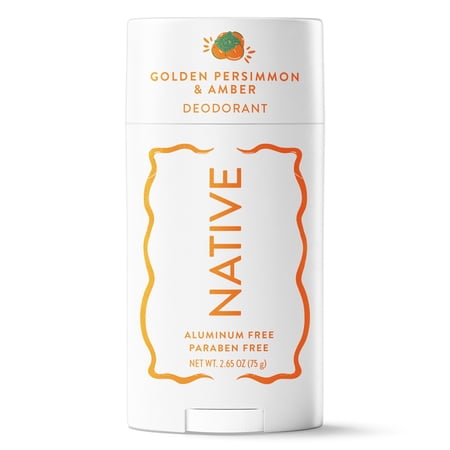
Consumers are curating their signature aromas using a multi-step routine that incorporates high-end hair mists, satin body and hair oils, solid balms, and even luxury deodorants. This approach allows for micro-adjustments in projection and longevity, empowering the wearer to build a complex, multidimensional sillage without relying exclusively on traditional alcohol-based eau de parfums.
- Key Releases to Watch: Native Golden Persimmon & Amber Deodorant, Emi Jay Aura Hair & Body Mist in Toasted Sugar, and Diptyque Perfecting Satin Oil for Body and Hair.
6. "Your Skin, But Better"
While minimalist, intimate skin scents are not a brand-new concept—having roots in iconic ’90s preferences—the category is experiencing unprecedented expansion.
Rather than masking the body’s natural odor with heavy sillage, these formulations utilize biotechnology, biomimetic musks, sheer ambers, and milky woods to meld seamlessly with the wearer’s skin chemistry. Brands are increasingly exploring microbe-friendly formulations that interact with individual biology to create a scent that is entirely unique to the individual, offering an intimate, whisper-soft aura perfectly suited for the quiet introspection of autumn.
- Key Releases to Watch: Future Society Base Scent, SIDIA The Strike in Braless, and Max Mara Le Parfum.
Implications for the Global Beauty Market
The evolution of the fall 2026 fragrance market signals a broader philosophical shift within the luxury and beauty sectors. As consumers become more sophisticated and educated regarding raw materials, formulation science, and olfactory families, the demand for generic, mass-appeal products is steadily contracting.
1. The Death of the Monolithic Season
Brands can no longer rely on simplistic seasonal pivots. The success of dark, moody fruits and spicy gourmands in autumn demonstrates that consumers expect year-round continuity paired with nuanced seasonal adaptation. Perfumery is increasingly treated as a dynamic wardrobe rather than a static signature.
2. Technological and Biological Innovation
The rapid growth of skin-reactive formulas, such as those that interact with skin microbes or utilize tactile materials, points toward a future where customization is built directly into the bottle. Technology and biotechnology will continue to play a pivotal role in how perfume houses capture abstract concepts like "metal" or "paper."
3. Sustainability and Multi-Use Formats
The popularity of multi-format layering—such as hair mists and dual-purpose body oils—reflects a consumer base that values utility, sustainability, and longevity. Products that serve multiple functions while maintaining high luxury standards will continue to dominate retail spaces, forcing legacy beauty houses to innovate beyond the traditional glass flacon.
Ultimately, the fall 2026 fragrance trends establish a clear mandate for the future of personal care: scent is no longer merely an accessory worn to impress others; it is an intimate, highly individualized extension of personal identity, architectural memory, and sensory expression.
 Raul Delapena Setiawan
 Nana Muazin
 Laily UPN
