

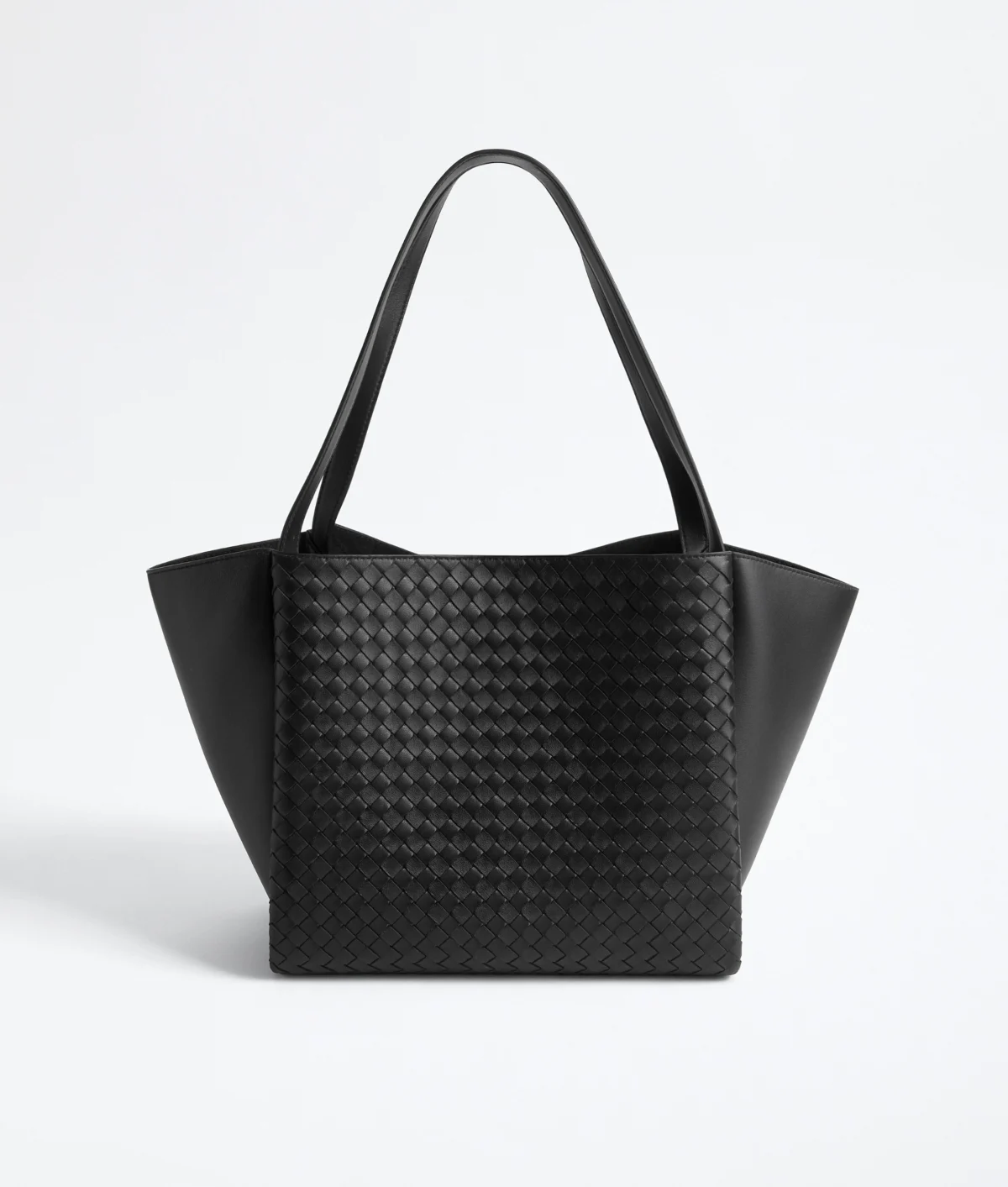
While the tenets of "quiet luxury" have spent the last few seasons firmly establishing their place as a foundational pillar of modern dressing, winter remains the true proving ground for this understated aesthetic. There is a distinct, undeniable synergy between the season’s heavier textiles—sumptuous suede, buttery leather, tactile cashmere, structured wool coats, and razor-sharp tailoring—and the sophisticated, unpretentious silhouettes of modern luxury accessories.
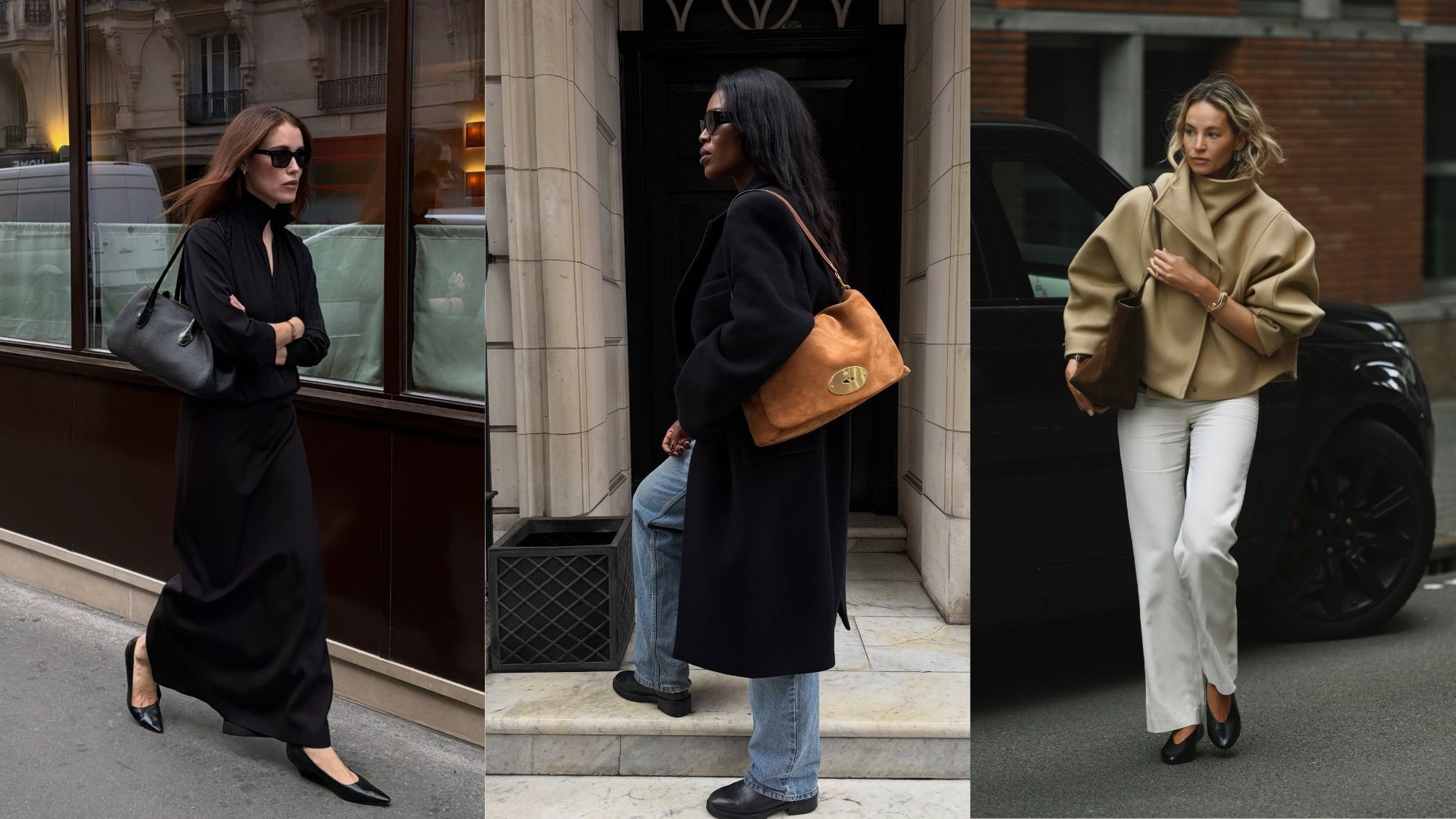
As the fashion industry navigates its evolution into 2026, the handbag landscape has shifted away from overt logo-mania and hyper-defined, singular shapes. Instead, the focus has pivoted toward minute, highly intentional details that elevate a bag from a functional utility item to an exceptional work of artisanal craftsmanship. Supple finishes, meticulously considered proportions, and barely-there hardware are taking center stage, offering a masterclass in subtlety.
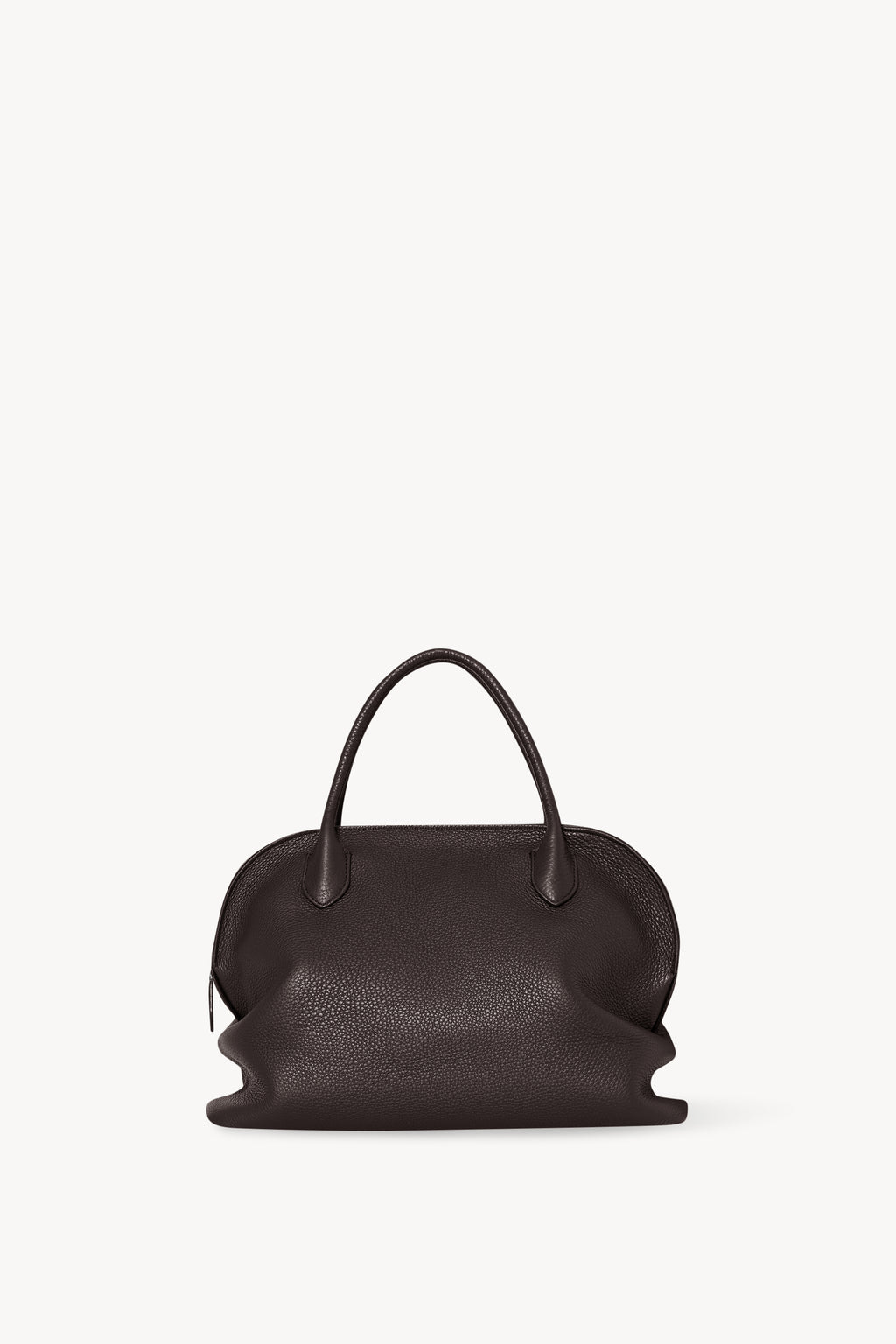
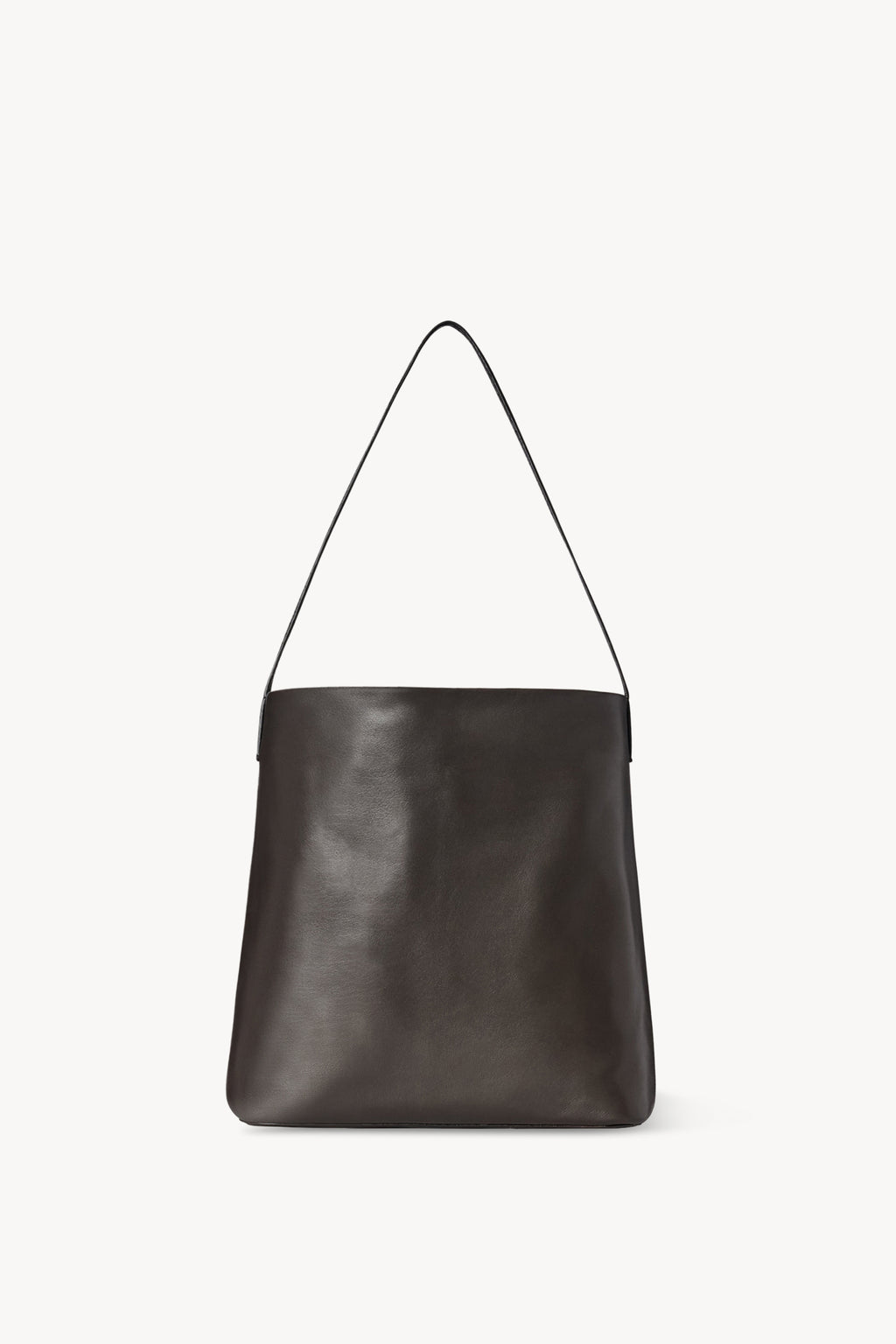
Industry heavyweights such as The Row, Bottega Veneta, and Loewe continue to set the benchmark for this aesthetic, anchoring the luxury market with investment-grade pieces. However, a significant retail shift is underway for winter 2026. Some of the season’s most compelling designs bypass the prohibitive four-figure price tags typically associated with elite leather goods, delivering the same elusive, expensive-looking quality at a more accessible tier. The common thread uniting these pieces is an effortless versatility: they are accessories designed to quietly elevate an entire outfit without ever demanding to be the center of attention.
Chronology of a Trend: From Pandemic Excess to Understated Elegance
To understand the dominance of quiet luxury in the winter 2026 accessory market, it is necessary to trace the trajectory of consumer psychology over the past half-decade.
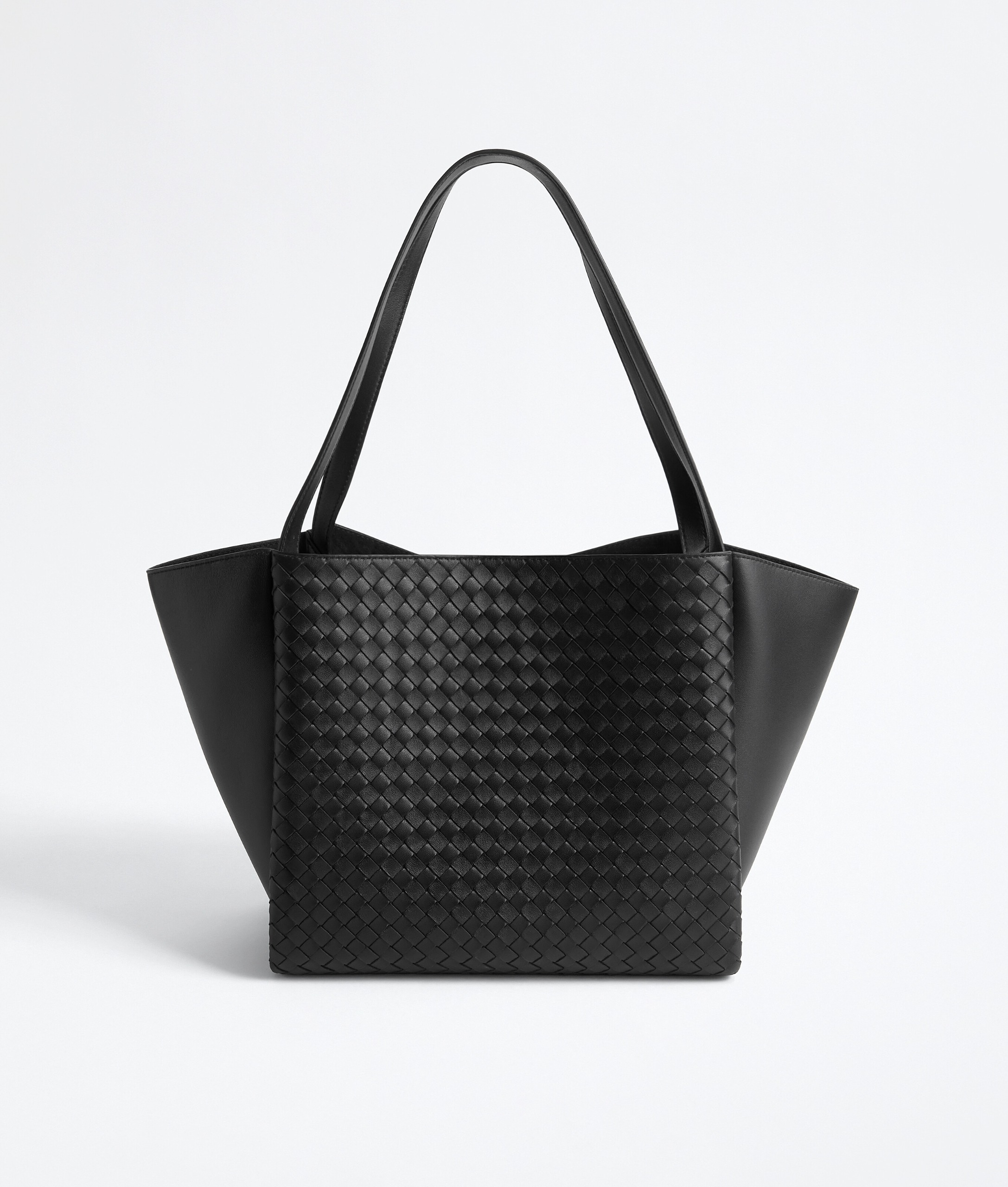
2021–2022: The Post-Pandemic Rebound and Logo Fatigue
In the immediate aftermath of global lockdowns, the luxury market experienced a surge in "revenge dressing." Runways and high streets were flooded with maximalist designs, explosive logomarks, and fluorescent neons. Bags were loud, architectural, and instantly recognizable from across a room.
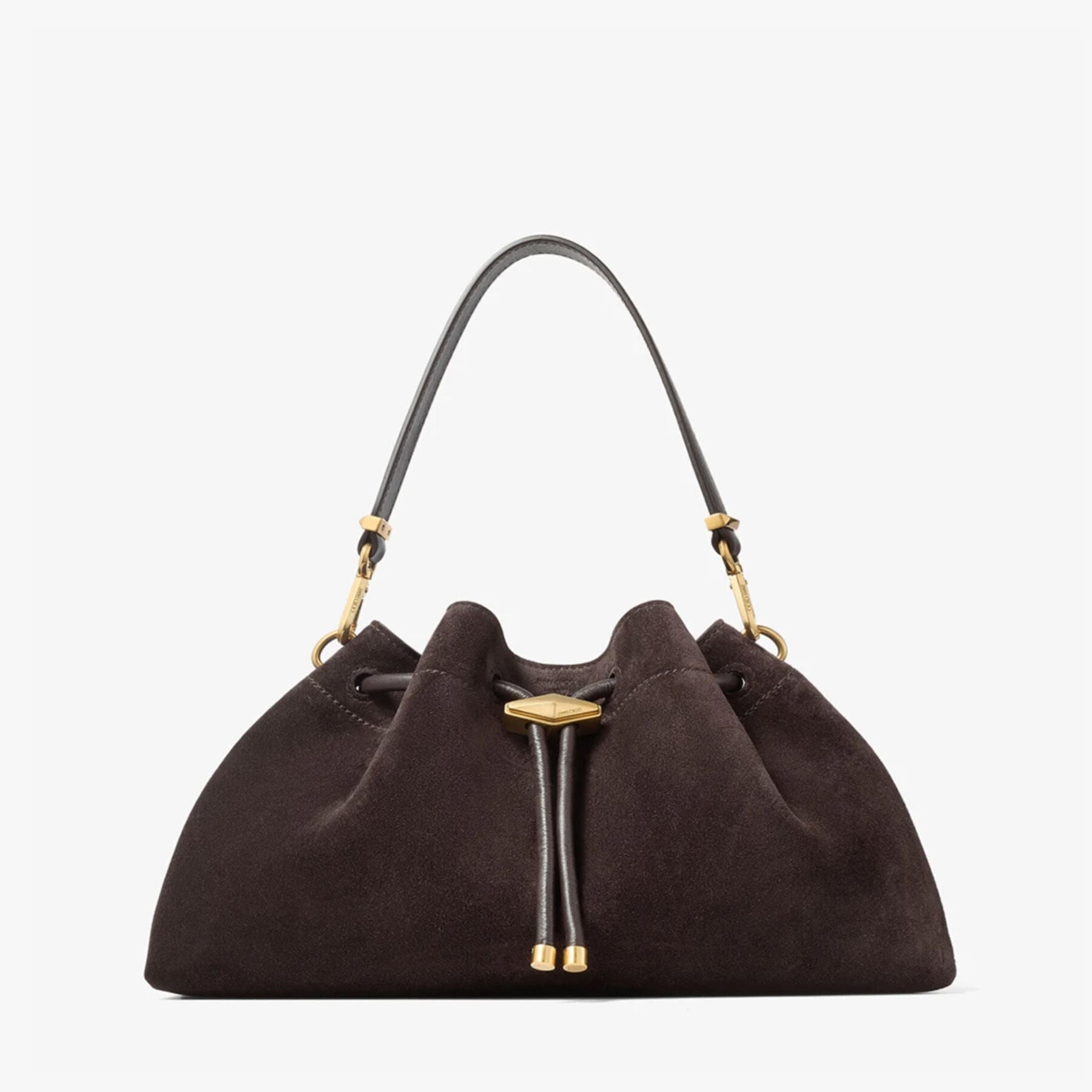
2023–2024: The Macroeconomic Shift and the Rise of Stealth Wealth
As global economic uncertainties took hold and inflation rates climbed, consumer preferences underwent a seismic psychological shift. Flashy logos began to read as performative or gauche. Terms like "stealth wealth" and "quiet luxury" entered the mainstream lexicon. Shoppers prioritized longevity, heritage craftsmanship, and pieces capable of transcending seasonal trends. Brands like The Row and Toteme saw unprecedented demand for unbranded leather goods.
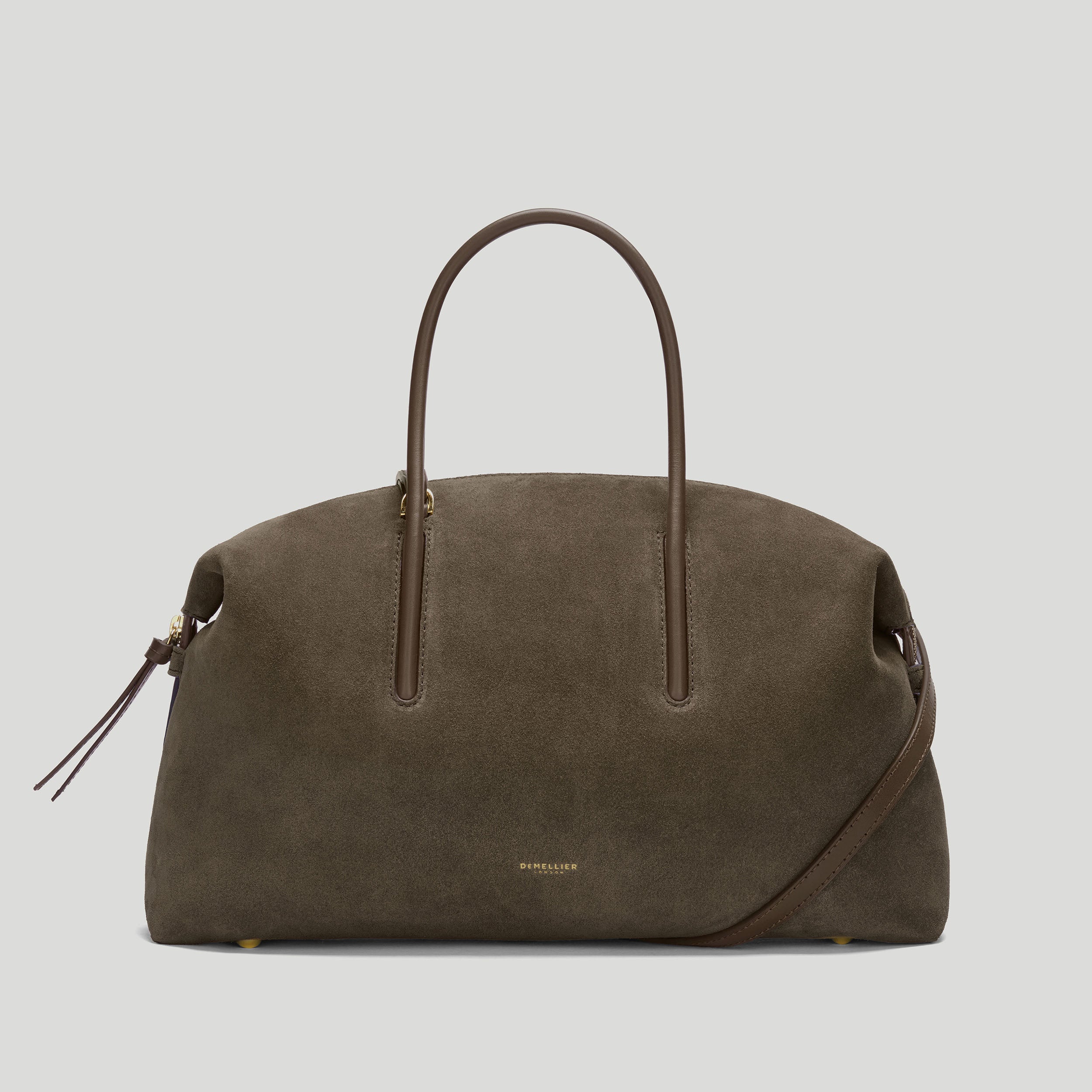
2025–2026: The Democratization of the Aesthetic
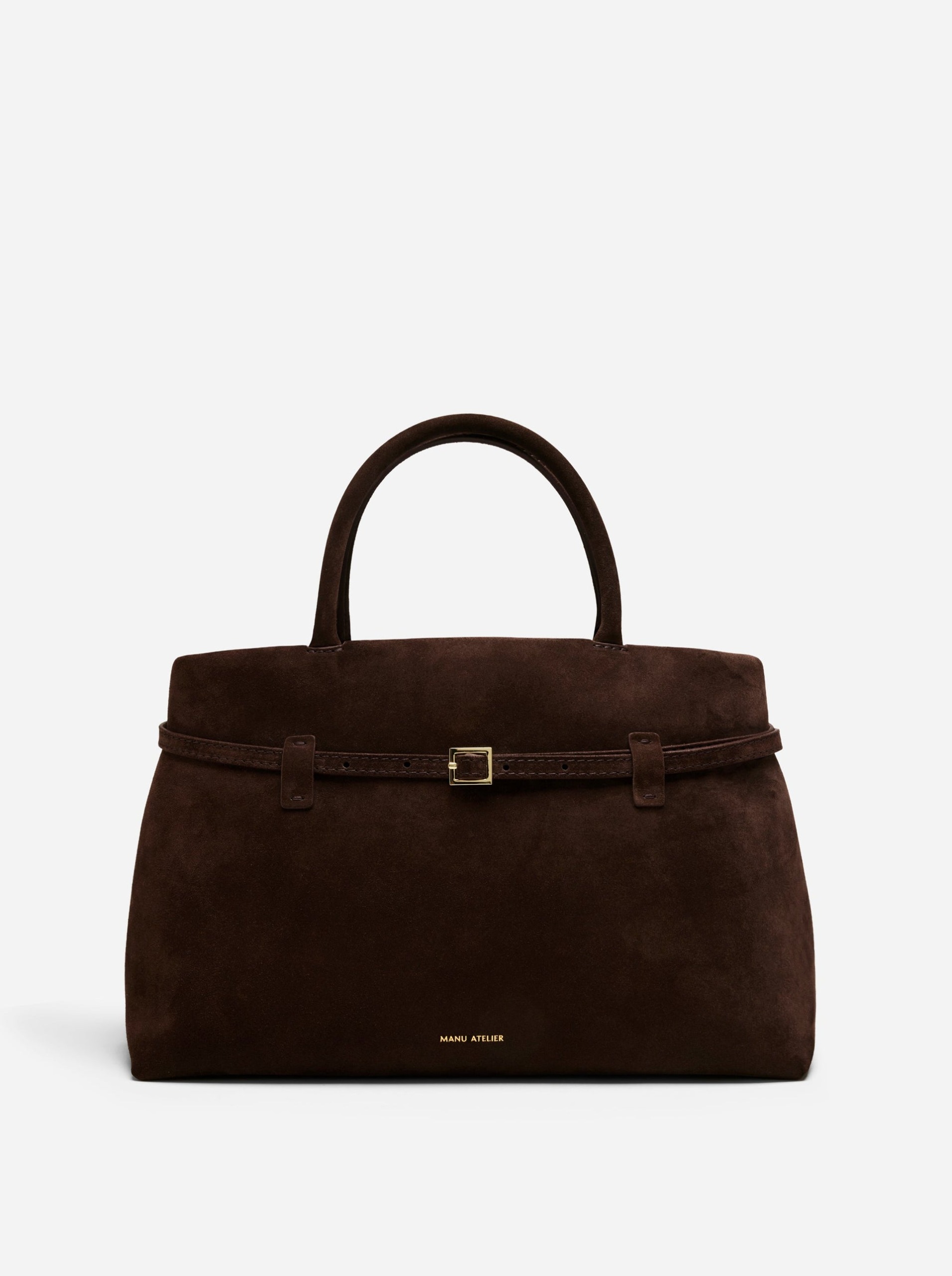
Entering 2026, the quiet luxury movement has matured from a passing internet micro-trend into a permanent consumer ethos. Crucially, high-street and contemporary bridge brands have mastered the codes of the aesthetic. Premium tactile surfaces—specifically rich chocolate suedes, deep merlot leathers, and warm taupes—are no longer restricted to legacy luxury houses. The market now offers meticulously constructed pieces that democratize sophisticated winter accessorizing.
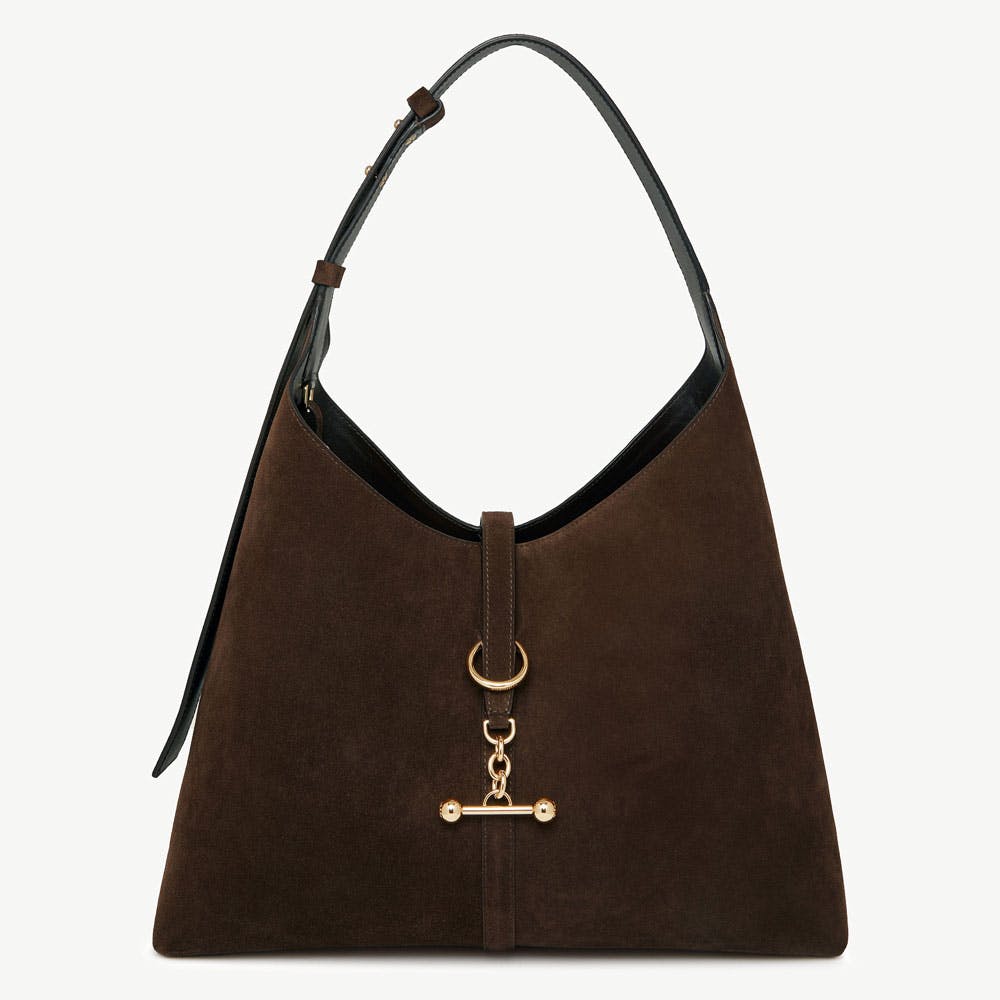
Supporting Data and Market Insights: The Winter 2026 Handbag Landscape
Market analytics within the luxury and contemporary retail sectors point to clear consumer preferences driving winter 2026 purchasing decisions:
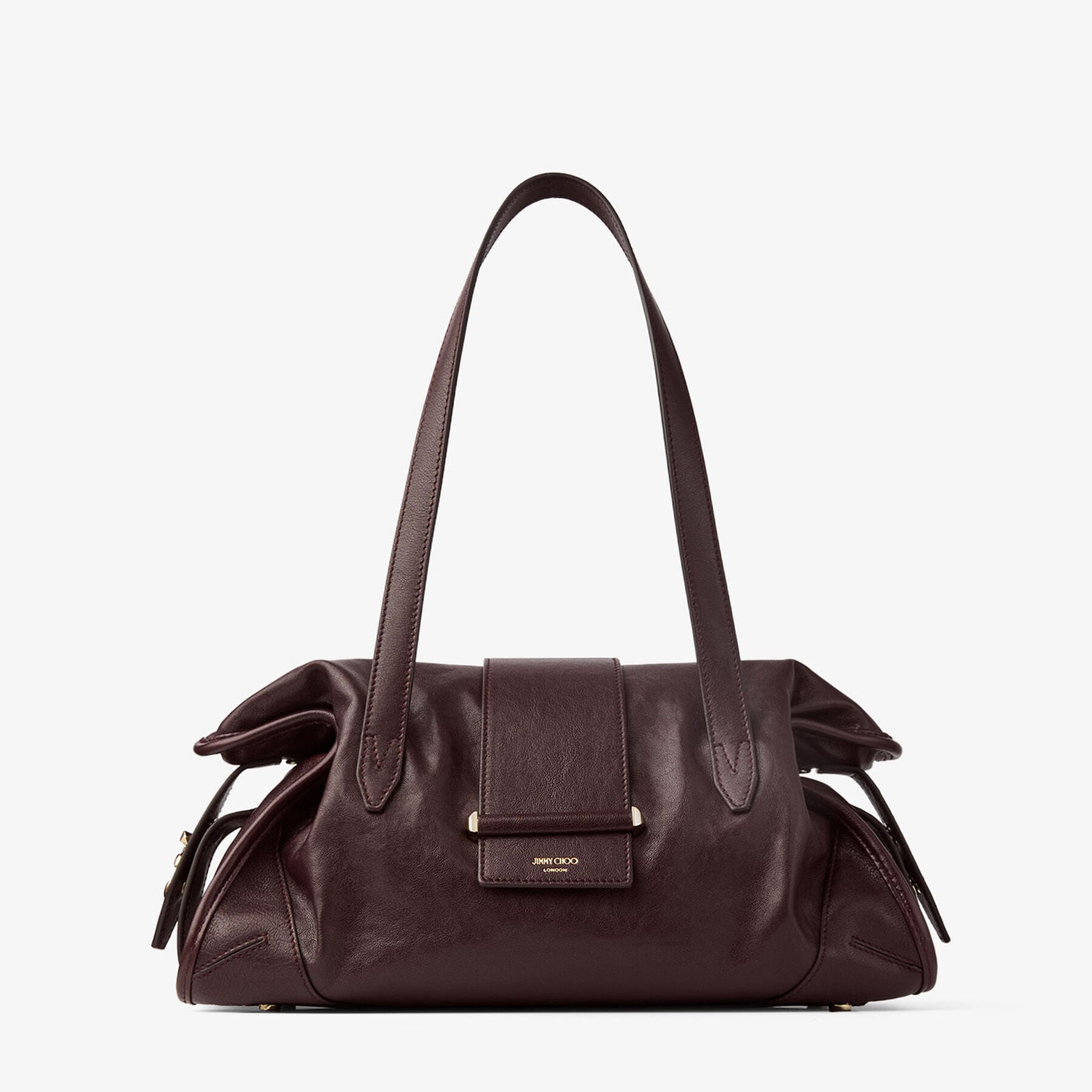
- Color Palettes: Sales data for cold-weather accessories indicate a 35% year-on-year increase in demand for rich earth tones over stark black. Deep coffee browns, warm hazelnut suedes, and rich merlot are dominating the color spectrum, offering the versatility of traditional neutrals while adding textural warmth to winter wools.
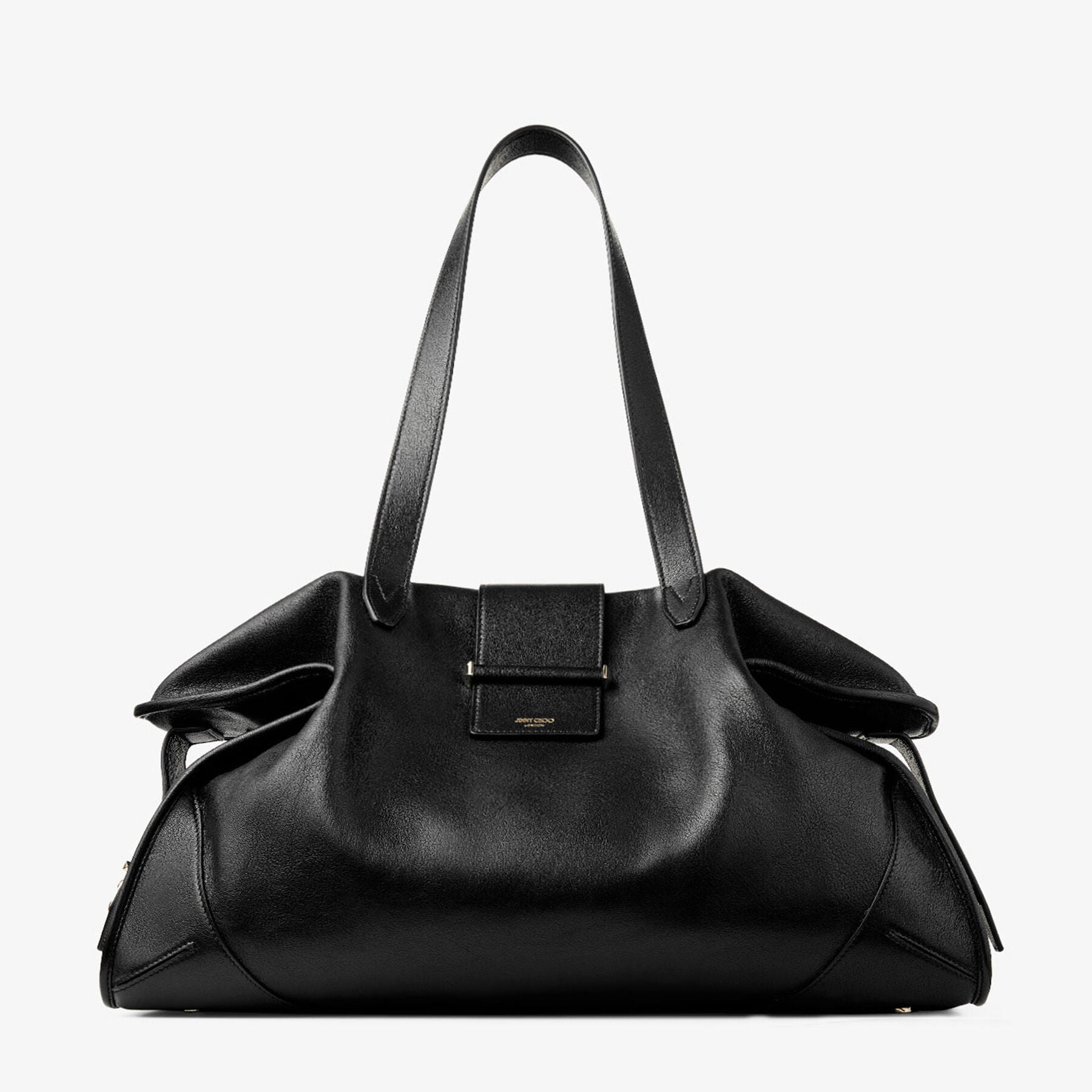
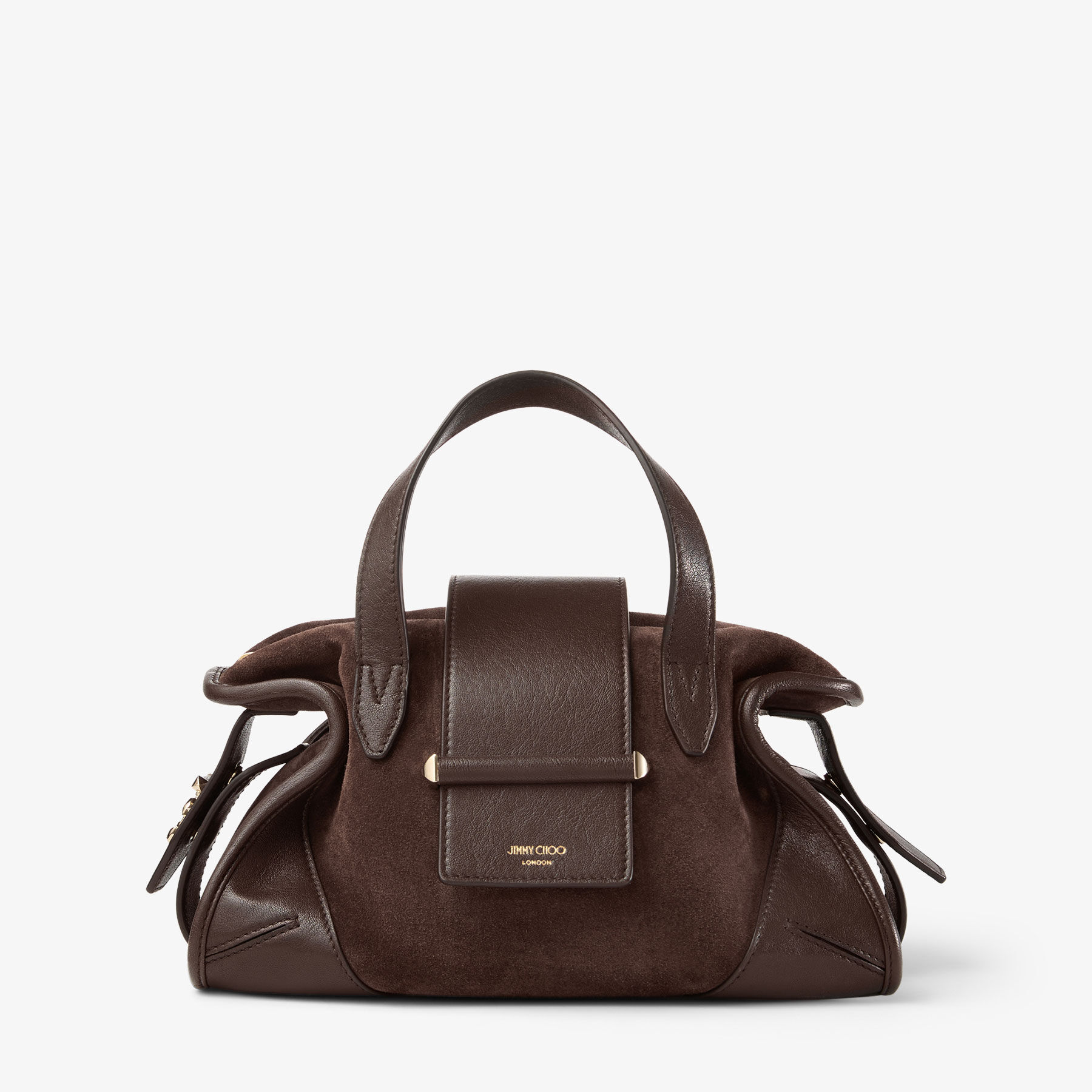
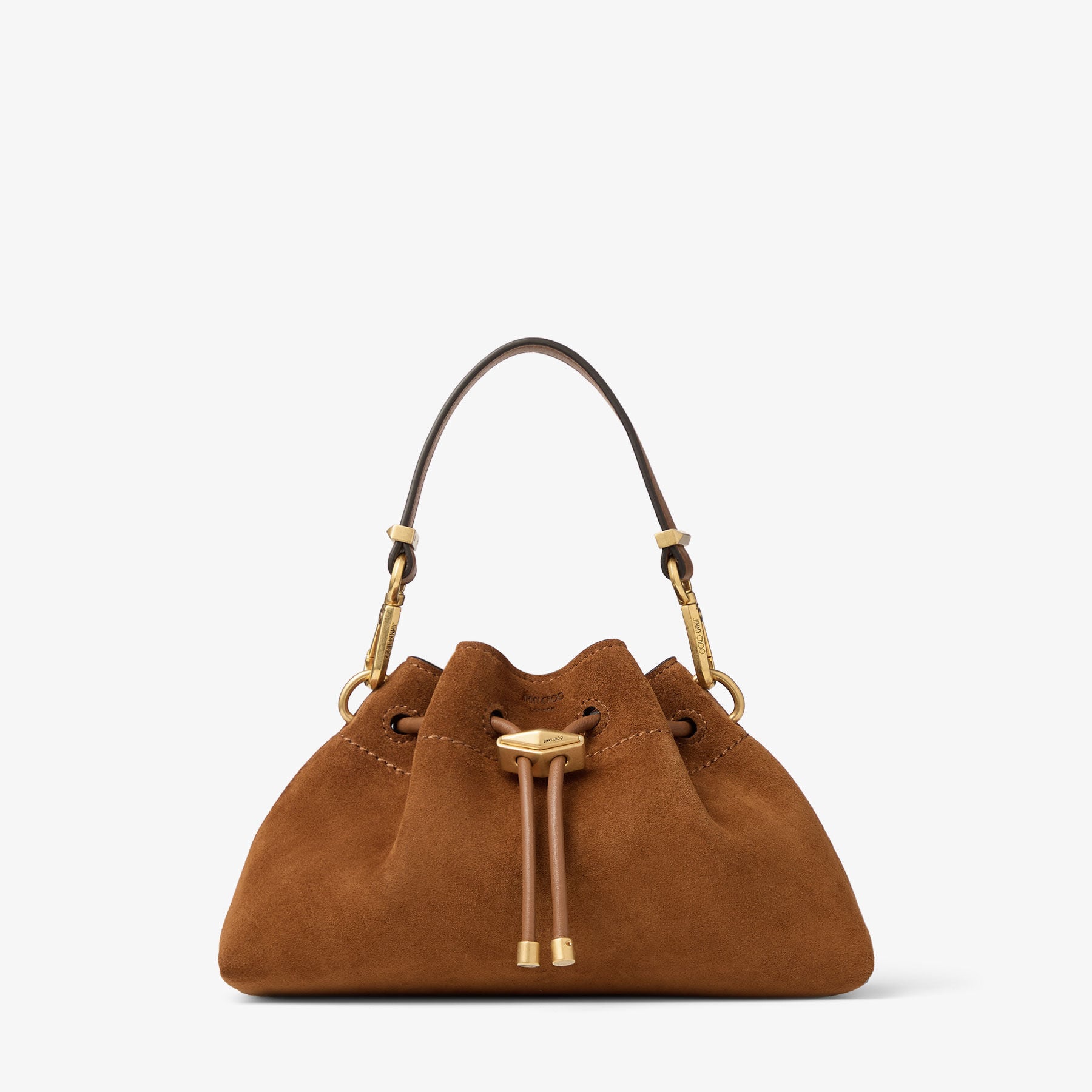
- Silhouette Shifts: Structured, rigid top-handle bags have yielded ground to slouchy, tactile forms. Hobos, oversized totes, and soft bucket shapes—such as the Jimmy Choo Bar Holdall and Strathberry Kite Hobo—account for nearly 60% of high-end bag searches for the winter season.
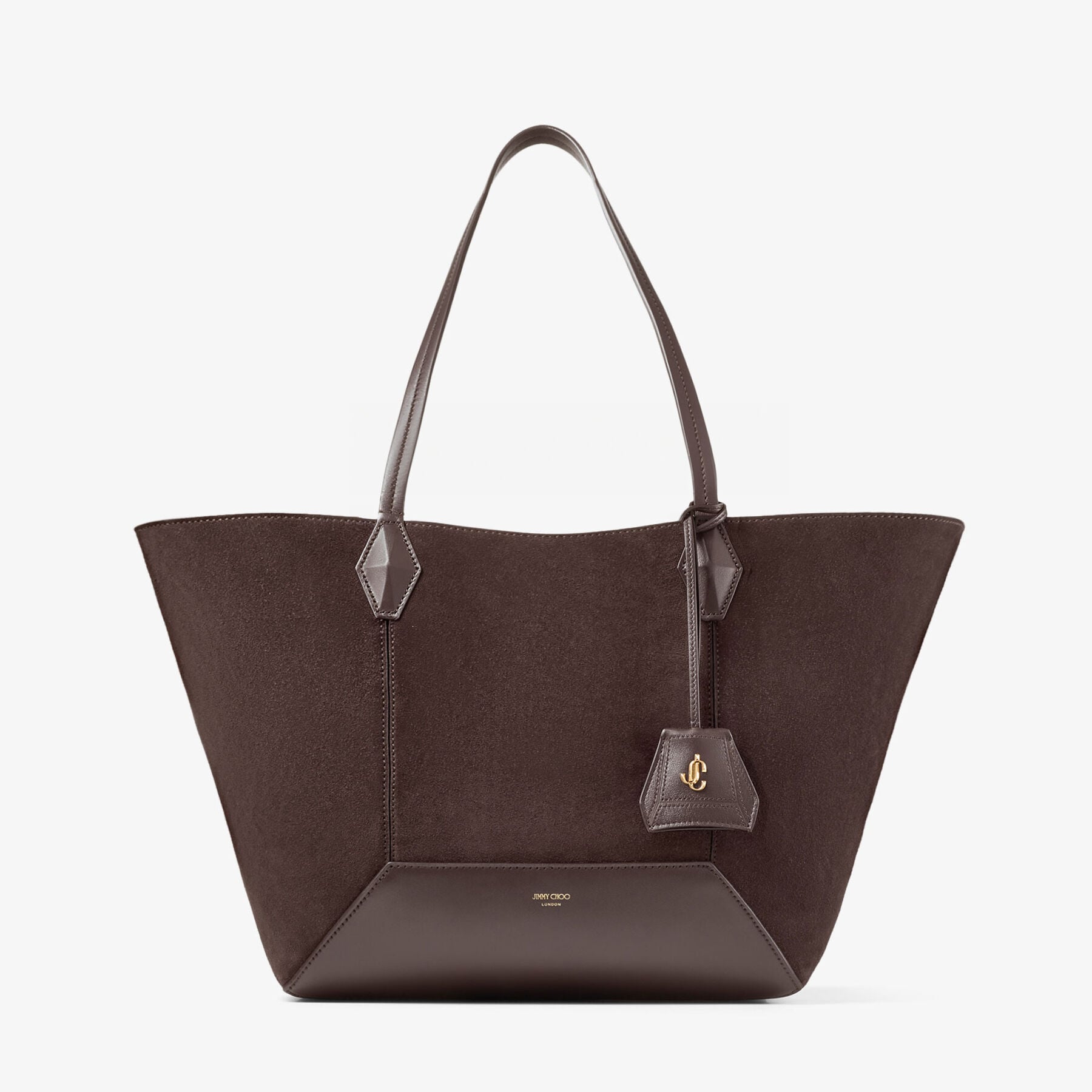
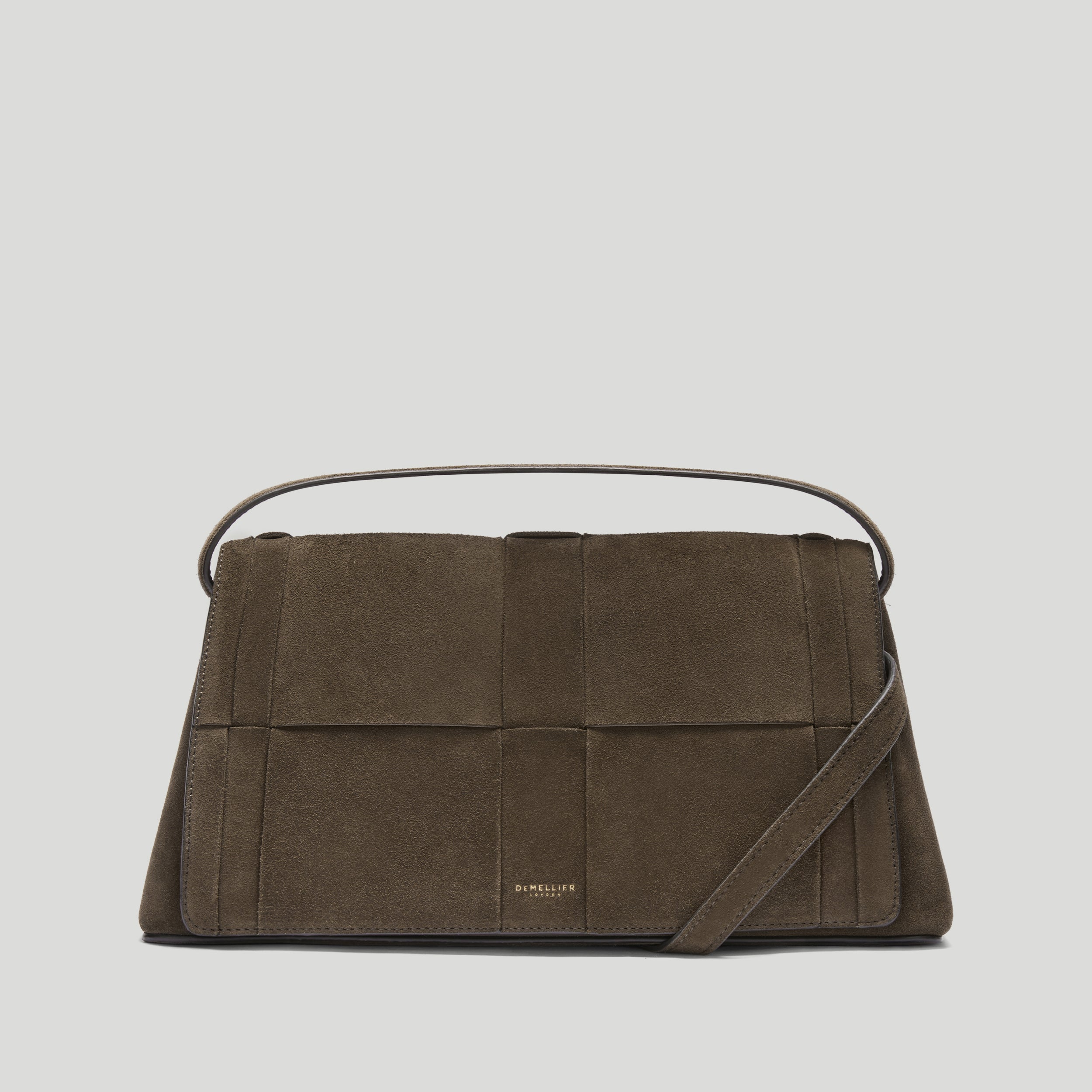
- Materiality: Suede has solidified its status as a winter staple. Despite its weather-sensitivity, consumers are increasingly willing to invest in treated suedes and mixed-media designs (such as suede-and-leather panelling) to introduce sensory contrast against heavy winter outerwear.
Official Responses and Industry Perspectives
Leading voices in design and retail curation have weighed in on why the quiet luxury movement continues to tighten its grip on the winter market.
"Winter dressing inherently calls for a tactile approach," notes a prominent trend forecaster based in London. "When you are wrapped in layers of wool, cashmere, and shearling, a stiff, high-shine patent leather bag with massive hardware simply doesn’t harmonize. You need accessories that echo the softness and depth of your clothing. That is why buttery leathers and plush suedes are dominating 2026."
Retail buyers echo this sentiment, pointing out that today’s consumer is smarter, more deliberate, and hyper-focused on cost-per-wear metrics.
"Our clients are no longer buying bags for a single season or a fleeting Instagram moment," explains a senior accessories buyer for a major European luxury platform. "Even at the contemporary price point, the expectation is longevity. A well-proportioned, unbranded tote in deep chocolate suede isn’t just a winter trend—it’s a ten-year wardrobe anchor."
Implications for the Consumer and the Future of Fashion
The entrenchment of quiet luxury as the defining aesthetic of winter 2026 carries several broad implications for both shoppers and the broader retail ecosystem.
For the Consumer: Quality Over Quantity
The prevailing attitude toward consumption has shifted decisively toward mindful curation. Shoppers are investing in fewer, higher-quality items that offer maximum versatility across multiple seasons. The rise of accessible luxury brands producing investment-grade silhouettes means that achieving an elevated winter wardrobe no longer requires an unlimited budget.
For the Retail Industry: The Death of the Billboard Bag
Legacy fashion houses and emerging labels alike are being forced to rethink their branding strategies. The reliance on oversized hardware, bold monogramming, and seasonal novelty shapes is rapidly diminishing. Brands that fail to invest in superior leather sourcing, clean lines, and architectural restraint risk alienating the modern consumer, who increasingly views subtlety as the ultimate status symbol.
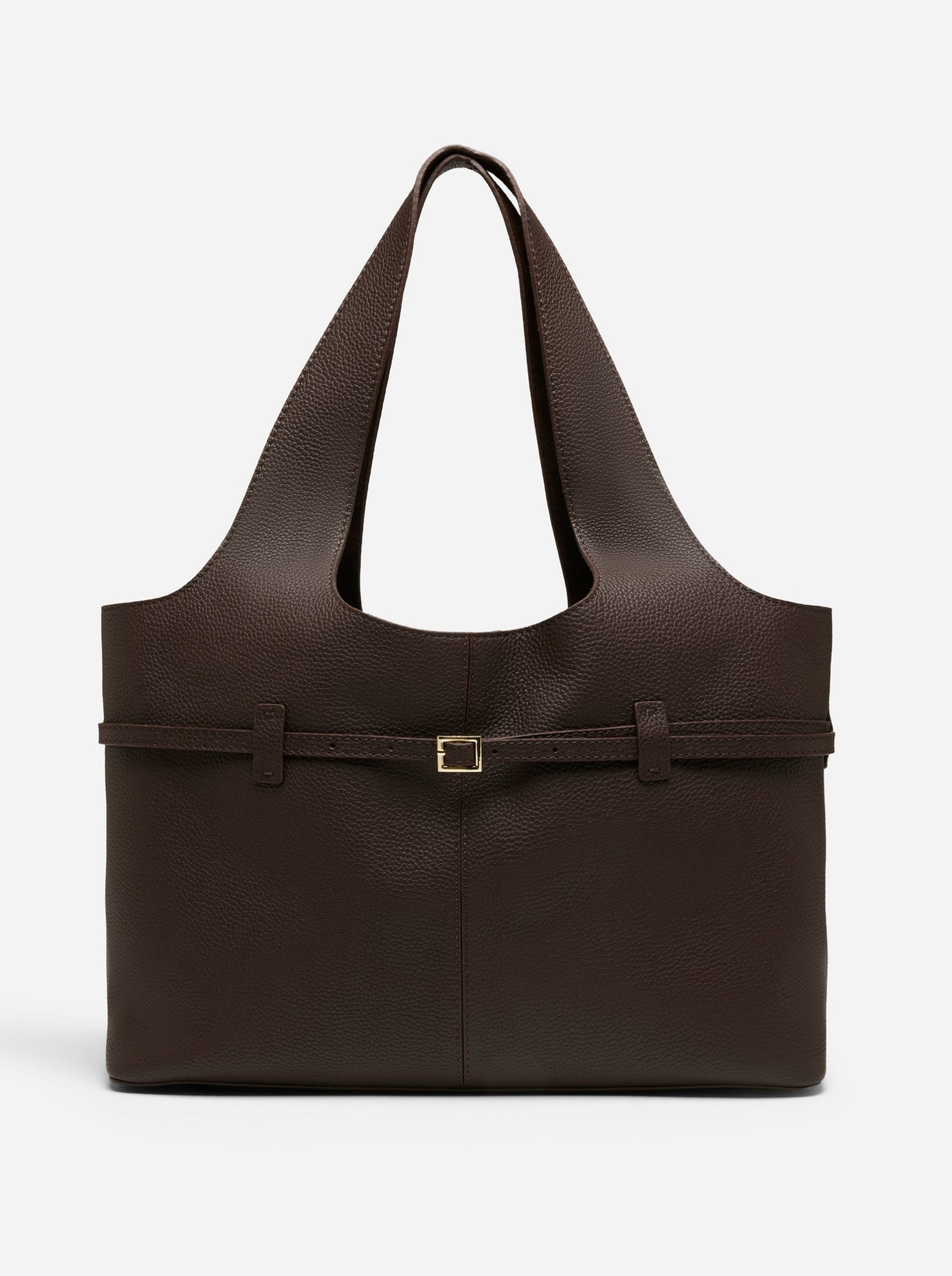
As winter 2026 unfolds, the message from the fashion capitals is unequivocal: true style doesn’t need to shout to be heard. Whether opting for a masterclass in minimalism from legacy institutions like The Row and Bottega Veneta, or discovering the exceptional craftsmanship of contemporary labels like DeMellier, Strathberry, and Manu Atelier, the right winter bag should feel like an organic extension of the wearer—understated, enduring, and effortlessly luxurious.
 Raul Delapena Setiawan
 Nana Muazin
 Laily UPN
