

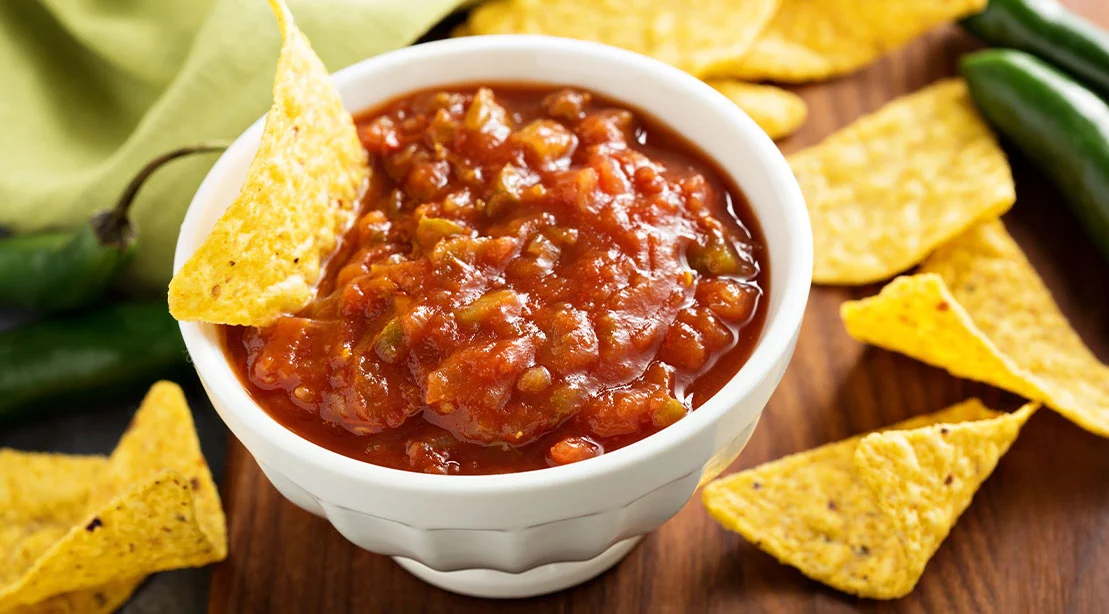
Salsa is far more than a mere companion to a bag of tortilla chips. For the home cook or the time-strapped athlete, it is perhaps the most potent weapon in the culinary arsenal—an instant, low-calorie bridge between a "bland diet" and a vibrant, flavorful lifestyle. Whether you are looking to rescue a dry, overcooked chicken breast or add a zesty, nutritional kick to your morning eggs, salsa serves as a versatile, nutrient-dense vehicle for health.
Yet, as the popularity of this classic condiment has surged since its introduction to the American mainstream in the 1970s, the supermarket landscape has become a minefield. What was once a simple combination of tomatoes, onions, and chilies has, in some instances, been transformed into a processed product laden with hidden sugars, excessive sodium, and chemical preservatives. To navigate this, we must shift our perspective: salsa isn’t just a dip; it is a nutritional tool that requires a discerning eye.
The Evolution of a Pantry Staple: A Brief Chronology
The rise of salsa in the American diet is a testament to the country’s evolving palate.
- The 1970s & 80s: Salsa began its steady climb from regional specialty to national phenomenon. As consumers became more adventurous, the market shifted from simple taco sauces to chunky, fresh-tasting varieties.
- The 1990s: The "Salsa Boom" saw the condiment overtake ketchup in total sales in the United States, signaling a major cultural shift toward bolder, plant-forward flavors.
- The 2000s to Present: The market has segmented into premium, organic, and artisanal categories. However, this growth has come at a cost; as demand increased, many large-scale manufacturers began prioritizing shelf-stability and mass-market flavor profiles, often at the expense of ingredient purity.
Today, we stand at a crossroads where the convenience of the supermarket aisle must be balanced with the nutritional rigor of a clean-label diet.
The Science of Flavor: Why Salsa Wins
From a nutritional standpoint, salsa is a masterclass in efficiency. Unlike heavy, fat-laden dressings or high-calorie dips, salsa relies on the inherent water content and fiber of fresh vegetables. Tomatoes, the primary ingredient, are rich in lycopene—a powerful antioxidant linked to cardiovascular health and protection against oxidative stress.
Furthermore, the ingredients that define salsa—onions, jalapeños, cilantro, and lime—carry their own medicinal pedigree. Onions are packed with quercetin, while lime juice provides a necessary hit of Vitamin C. By choosing a high-quality salsa, you are essentially topping your meals with a concentrated dose of vitamins and minerals without adding significant calories.
The Nutritionist’s Vetting Process: 5 Rules for Selection
When walking through the condiment aisle, it is easy to become overwhelmed by the sheer variety of labels. To cut through the noise, we have established five non-negotiable rules for selecting a salsa that supports, rather than sabotages, your health goals.
1. The "Kitchen Cabinet" Rule (Ingredients)
If you cannot explain an ingredient to a child, it probably shouldn’t be in your salsa. A high-quality product should mirror a recipe you would make in your own kitchen. Look for tomatoes, onions, peppers, cilantro, lime juice, vinegar, and salt. If the label contains ingredients like sodium benzoate, potassium sorbate, or xanthan gum, you are looking at a highly processed product designed for shelf life, not for nutritional density.
2. The Sodium Threshold
Sodium is the silent saboteur of many store-bought condiments. While a manufacturer might list a "serving" as two tablespoons, most consumers exceed this amount significantly. For those monitoring heart health, high sodium intake can lead to water retention and blood pressure spikes. Aim for brands that provide under 160mg of sodium per serving; the elite products often drop this number below 100mg.
3. The Zero-Sugar Mandate
There is absolutely no nutritional reason for sugar, corn syrup, or high-fructose corn syrup to be in your salsa. While tomatoes contain natural fructose, added sugars are often used to mask the metallic taste of inferior, canned, or low-acid ingredients. By avoiding added sugars, you maintain better blood glucose control and reduce your total caloric intake throughout the day.
4. The Heat-Health Correlation
The heat level of your salsa—mild, medium, or hot—has negligible impact on your macronutrient profile. However, there is a distinct advantage to choosing spicier varieties if your palate allows. Capsaicin, the compound responsible for the heat in chili peppers, has been shown in various studies to increase metabolic rate and improve satiety. Furthermore, emerging research suggests that capsaicin may play a beneficial role in modulating the gut microbiome, making your spicy salsa a potential probiotic-adjacent health booster.
5. Understanding the "Organic" Label
While "Organic" implies that the produce was grown without synthetic pesticides, it is not a catch-all for health. An organic label does not excuse high sodium or added sugar content. Use the organic seal as a secondary verification, but always prioritize the ingredient list above all else.
Implications for Your Daily Diet
Integrating the right salsa into your diet has significant implications for long-term health. By replacing heavy, calorie-dense sauces with a vibrant, nutrient-dense salsa, you are naturally reducing your intake of saturated fats and processed additives. This "crowding out" effect—where you replace low-quality calories with high-nutrient ones—is the most sustainable way to manage weight and energy levels.
Consider the "Tex-Mex Flatbread Pizza" as a prime example of this philosophy. By using a whole-grain base, lean protein, and a high-quality, low-sodium salsa, you transform a typically "cheat meal" into a balanced, high-protein, fiber-rich dinner that keeps you full and fueled for your next training session.
The Verdict: A Shopping Strategy
To successfully source the best salsas, treat the nutrition label as the most important part of the packaging. Do not be distracted by flashy branding or "natural" claims on the front of the jar. Flip the jar, read the ingredient list, and check the sodium per serving.
If you find a brand that adheres to these five rules, stick with it. Having a jar of high-quality salsa in your pantry is the ultimate insurance policy against the monotony of a strict diet. It provides the flavor needed to keep your food exciting, ensuring that your healthy habits stay consistent over the long term.
As you prepare for your next grocery haul, remember: your condiment choices are a reflection of your commitment to your health. A small, informed change in what you put on your plate—a simple swap from a sodium-heavy, sugary dip to a clean, vegetable-forward salsa—can have a profound ripple effect on your overall wellness. Whether you are a professional athlete or simply someone trying to eat a little cleaner, let this be the beginning of your flavor revolution. Your health, and your taste buds, will thank you.
 rifanmuazin
 Laily UPN
 Nana Wu
