

October 26, 2026 – As the podcasting landscape matures, the industry finds itself at a critical crossroads. From the technical infrastructure underpinning our favorite shows to the increasingly sophisticated data analytics driving the market, the sector is currently undergoing a period of intense reflection. This week, we examine the shifting tides of podcast technology, the power of niche content, and a provocative debate regarding the longevity of the medium’s foundational technology: RSS.
(Note: The editor of Podnews serves as an advisor to RSS.com, which is mentioned in this report.)
The Tech Landscape: Is RSS Losing Its Grip?
The defining feature of podcasting since its inception has been RSS (Really Simple Syndication). This open-standard technology allowed for the decentralization of audio, giving creators autonomy over their distribution. However, in the Podnews Weekly Review this week, veteran industry strategist Steven Goldstein offered a sobering perspective that has sent ripples through the creator community.
Goldstein suggests that the industry is leaning too heavily on a protocol that may have reached its structural ceiling. "RSS isn’t podcasting’s future," Goldstein argued. "It won’t stand the test of time. That’s not so great for us, but let’s be realistic about where things are going."

The Argument for Evolution
The primary critique against RSS is its limitations in handling modern, interactive, and high-fidelity media requirements. As platforms demand more dynamic insertion, real-time analytics, and seamless integration with proprietary ecosystems, the static nature of RSS feeds has become a point of friction.
For many developers and platforms—like RSS.com—the challenge lies in balancing the "open" ethos of the medium with the "walled-garden" demands of modern technology giants. If the industry moves toward a post-RSS environment, it risks losing the very thing that made podcasting unique: its accessibility. Conversely, if it refuses to evolve, it may find itself unable to compete with the rapid innovation seen in video streaming and social media.

Chronology: A Week of Industry Movement
The week of October 26, 2026, has been characterized by a blend of high-level discourse and granular content development:
- Early Week: Industry reports highlight a surge in "mission-driven" podcasting, with educational content seeing a 15% increase in listener engagement across North American markets.
- Wednesday: PodBiz releases an episode featuring Richard Fawal, CEO of Voxtopica, discussing the financial viability of professional podcasting in specialized sectors.
- Thursday: The Podnews Weekly Review sparks widespread debate regarding the sustainability of RSS protocols.
- Friday: New data releases confirm that The Daily remains the top-performing podcast on Apple Podcasts in the United States, while The Joe Rogan Experience continues to dominate the Spotify charts.
- Saturday: Niche releases, such as the Hyperfixed investigation into the science of microwave popcorn buttons, gain traction, illustrating the enduring popularity of "hyper-specific" storytelling.
Supporting Data: Charting the Listeners
The metrics for the week provide a clear window into current audience preferences. While mainstream giants maintain their dominance, there is a clear trend toward high-quality, long-form investigative content.

Apple Podcasts (United States)
- #1 Overall: The Daily – Consistent dominance in news-focused audio.
- Highest New Entry: Get Familiar with Clinton Sparks – A strong showing in the "Games" category, signaling a pivot in interest toward gaming-culture audio.
Spotify (United States)
- #1 Overall: The Joe Rogan Experience – Maintaining its foothold as the most significant influence on podcast discovery and consumption.
International Insights
- Ireland: Indo Sport has claimed the top spot in the Sports category, proving that regionalized, high-quality sports reporting remains a cornerstone of the podcasting economy.
- Australia: Casefile True Crime continues to lead the True Crime category, a genre that shows no signs of fatigue despite market saturation.
Official Responses and Industry Sentiment
The debate regarding the future of podcasting technology has elicited varying responses from industry stakeholders.
The Traditionalist View: Many independent creators view any move away from RSS as a betrayal of the medium’s democratic roots. They argue that as long as listeners have the ability to choose their own app, the creator retains power. Any shift toward proprietary platforms, they fear, will lead to the "enshittification" of the medium, where creators are forced to prioritize algorithmic favor over content quality.

The Pragmatic View: Platform architects and enterprise podcasters argue that the current infrastructure is, in fact, a bottleneck. "We are trying to deliver 2026 experiences using a protocol designed for the early 2000s," noted one developer. The push for better "in-podcast" engagement—such as direct commerce, interactive polls, and real-time show notes—is fueling the demand for a more flexible, perhaps hybrid, distribution model.
Implications: Where Does This Leave the Creator?
The implications of these shifts are profound for those currently building businesses around audio.

1. The Rise of "Hyper-Specific" Content
Shows like Hyperfixed represent a growing trend: the "deep dive" into the mundane. By taking a simple, almost universally recognized object (a microwave button) and interviewing industry insiders, the show achieves a level of engagement that broad-topic podcasts struggle to replicate. This suggests that the future of audience growth is not in wider casting, but in deeper, more focused storytelling.
2. The Professionalization of Niche Spaces
As discussed on PodBiz, professional podcasting is increasingly finding a home in "mission-driven" and educational spaces. For independent creators, the message is clear: if you can identify a professional niche, you can monetize it through sponsorship and listener support far more effectively than by trying to compete in the general interest category.
3. Political Discourse and Personal Toll
The Take It From Us series featuring former New Zealand politicians Grant Robertson and Todd Muller highlights a vital shift in political podcasting. By moving away from the "campaign noise" and focusing on the human toll of public service, these shows attract listeners who are otherwise fatigued by the polarized nature of modern political coverage. This confirms that listeners are seeking "authentic human connection" as a primary value proposition.
The "String Theory" of Podcasting
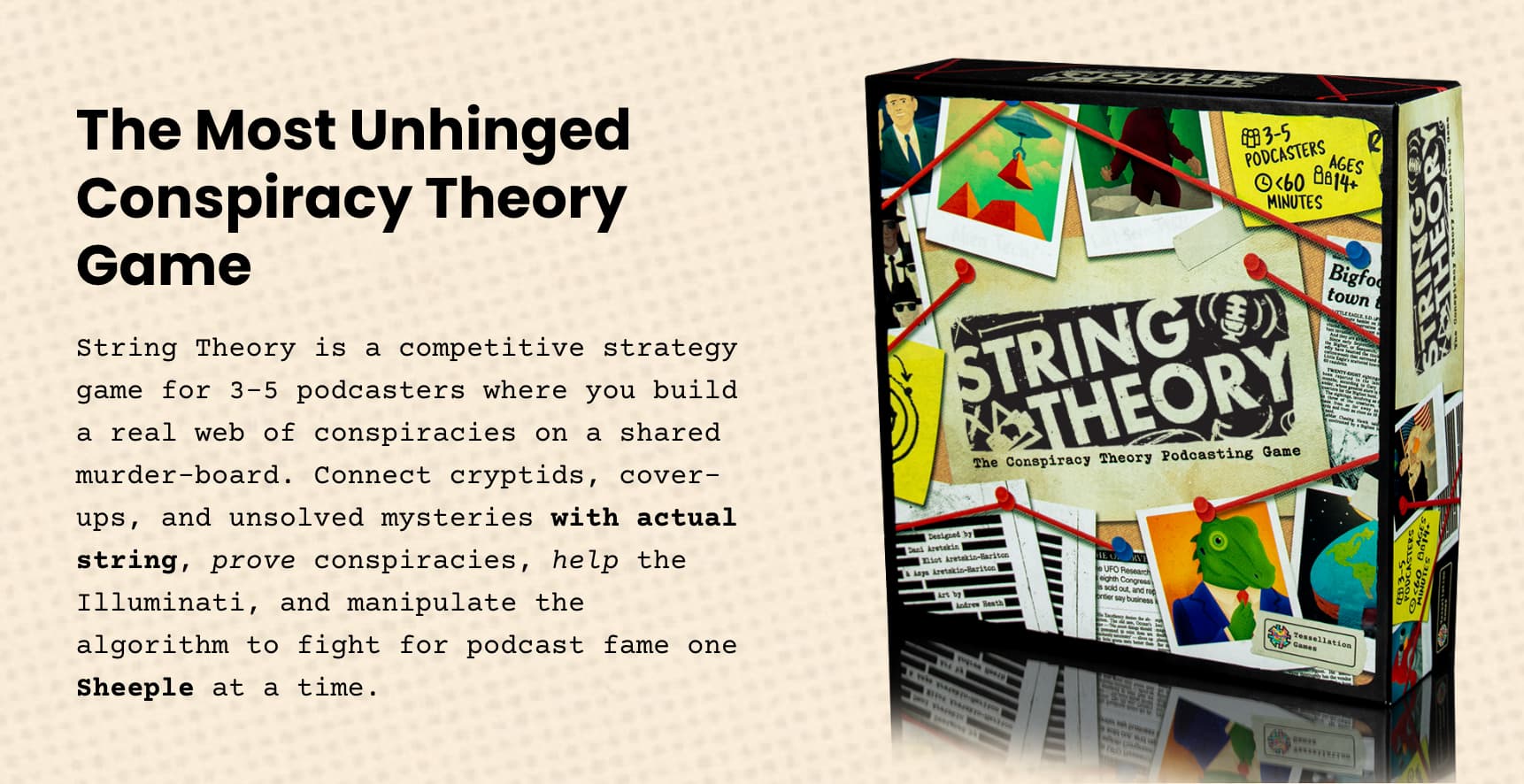
In a lighter, yet strangely revealing moment this week, a "conspiracy theory podcasting game" was spotted by readers. Designed for 3-5 players, the game serves as a meta-commentary on the current state of the industry. It reflects a reality where podcasting has become so ubiquitous that it is now a subject of parody and play.

However, beneath the humor lies a truth: the medium is being "gamified." From the way platforms rank shows to the way creators track their "highest new entries," the industry is obsessed with metrics. Whether this obsession will lead to a better listener experience or simply a more crowded marketplace remains to be seen.
Conclusion: Adapting to the Next Era
As we look toward the remainder of 2026, the podcasting industry is clearly moving toward a period of consolidation and refinement. The challenge for creators, platform owners, and technologists is to maintain the openness that allowed the industry to explode in popularity while adopting the innovations necessary to ensure its long-term survival.

If RSS is truly reaching its sunset, the transition will be the most significant event in the medium’s history. It will require a collective decision: do we value the convenience of a modern, closed ecosystem, or do we prioritize the messy, decentralized, and truly free nature of the RSS-based internet?
For now, the microphones remain on, the data continues to flow, and the conversations—whether about the politics of New Zealand or the technology of microwave popcorn—continue to resonate with millions of listeners worldwide. The medium is far from dying; it is simply growing up.
 Raul Delapena Setiawan
 Neng Nana
 Asro
