

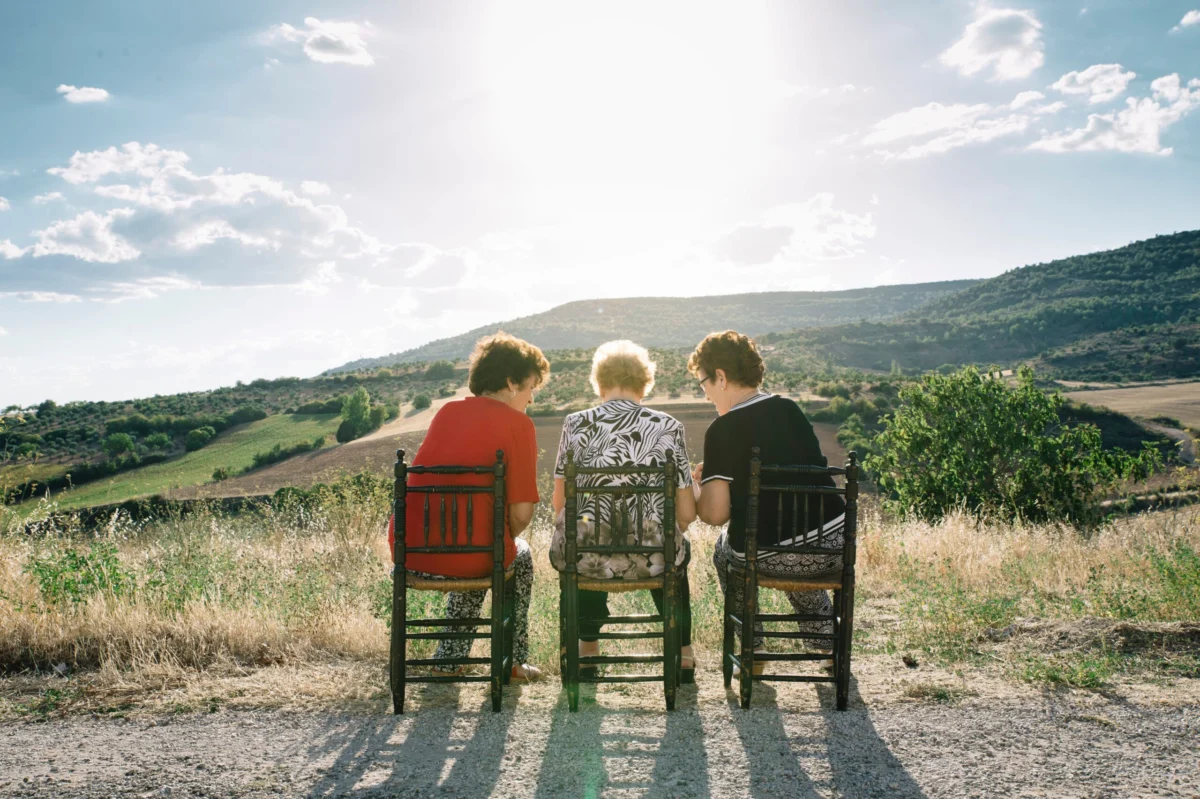
In the quiet, cobblestone piazzas of Italy, a quiet revolution is taking place, one that has little to do with high-tech biohacking or the latest pharmaceutical breakthroughs. Instead, it is a return to the fundamentals of human existence, embodied by the nonne—the Italian grandmothers who serve as the nation’s unofficial health ambassadors.
As of 2024, Italy remains a world leader in life expectancy, boasting an ever-growing population of centenarians. While social media users have recently dubbed this lifestyle "Nonnamaxxing"—a trend suggesting that the path to a longer life lies in the daily habits of these women—the reality is far more grounded than a mere viral aesthetic. For the nonna, health is not a project to be managed; it is a way of being.
The Core Philosophy: Aging as an Art, Not an Ailment
The most striking observation for any newcomer to Italy is the unapologetic visibility of aging. Unlike cultures that prioritize the erasure of time through cosmetic intervention, Italian women often treat their age as a badge of experience. You will find them at local beaches and pools, wearing bikinis and vibrant colors, moving through the world with a confidence that suggests they have nothing to hide.
Licia Fertz, a 96-year-old icon from Viterbo, Italy, encapsulates this philosophy perfectly. "I put on my makeup and dress in cheerful colors, even if I’m not leaving the house, because presenting yourself well is an act of self-love," Fertz explains. Her advice to the younger generation is simple yet profound: "Never think of yourself as old. You are born young."
This psychological framework is backed by science. A recent study underscores a clear association between an individual’s perception of aging and the actual biological pace at which they age. Sonja Lyubomirsky, a distinguished professor of psychology at the University of California, Riverside, notes that one’s mindset acts as a filter for reality. "Is aging a gift? Is it about wisdom, maturity, and the richness of life, or is it about deterioration and loss?" Lyubomirsky asks. "Both can be true, but you can choose."
The Chronology of Care: A Lifetime of Connection
The Italian social fabric is held together by the unpaid, yet invaluable, labor of its grandmothers. In many Italian households, the nonna is the primary caregiver for grandchildren, managing school runs, homework, and meals. While this is often discussed in local parenting groups as a necessity of the modern Italian economy, it is also a powerful driver of health.
Research published in the Journal of Aging and Health indicates that caregiving can act as a significant buffer against cognitive decline. Grandparents who engage in regular childcare—ranging from logistical support like driving to school to emotional support—consistently score higher on memory and verbal fluency tests than their counterparts who do not.
Fertz, who lives with her grandson, views this intergenerational interaction as a life-giving force. "Every day spent with my great-granddaughter is a gift that never ceases to amaze me," she says. This benefit extends beyond blood relations; studies in the American Journal of Preventive Medicine reveal that individuals who commit at least 100 hours a year to volunteering report lower mortality risks and higher levels of life satisfaction.
Physical Activity: The Unconscious Exercise
In Italy, the "gym" is often the city itself. Because many Italian villages and urban centers are built on narrow, historic footprints, walking is not a deliberate workout session; it is the fundamental mechanism of transportation.
Daniel Lieberman, a professor of Human Evolutionary Biology at Harvard University, confirms that this lifestyle choice is evolutionary. "Walking is the most fundamental form of human physical activity," he notes. "Many hundreds of studies confirm that walking helps people age slower and better."
Paola Mariotti, a pediatrician based in Florence, exemplifies this transition from tradition to modern tracking. While her own grandparents walked out of necessity, Mariotti now tracks her steps with technology, aiming for a minimum of 5,000 steps, though she often pushes for 10,000. Her routine is supported by 2025 research in the American Journal of Preventive Medicine, which concluded that even 15 minutes of brisk walking per day significantly reduces the risk of premature death.
The Counter-Movement: Escaping Hustle Culture
Perhaps the most radical aspect of the "Nonnamaxxing" trend is the cultural pivot away from hyper-productivity. At any local café, one can observe an Italian grandmother sipping an espresso, watching the world pass by, and completely disengaged from the digital noise of emails or social media. This is the embodiment of dolce far niente—the sweetness of doing nothing.
Jonathan Alpert, a New York-based psychotherapist, suggests that the current fascination with this lifestyle among Gen Z is a direct response to the burnout of "hustle culture." "The appeal here is the fantasy of a life that feels grounded, warm, and unhurried," Alpert says. "Younger people are tired of the pressure to constantly optimize themselves and turn their lives into content."
Science supports this slow-down. Multitasking, long touted as a hallmark of efficiency, has been shown by various studies to increase stress and degrade cognitive performance. By contrast, remaining in the present moment—a state of mindful existence—is linked to greater resilience and healthier aging.
Nutritional Wisdom: Eating for the Season
The Italian relationship with food is governed by the calendar. Markets and local grocers prioritize seasonal produce, which means residents eat what is available during specific windows of time. Antonino De Lorenzo, professor emeritus of human nutrition at the University of Rome Tor Vergata, emphasizes that the true value of this diet lies in the absence of industrial processing.
"Freshness, variety, ripeness, and preparation methods exert a significant influence on a food’s nutritional profile," De Lorenzo explains. "A high-quality diet, maintained over time, promotes healthier aging, characterized by better preservation of physical and cognitive functions."
The Mediterranean diet—a cornerstone of Italian life—is not a restrictive regimen but a cultural heritage centered on olive oil, legumes, whole grains, and fresh vegetables. It remains one of the most studied and validated approaches to longevity in the world.
Implications for a Global Society
As we look at the secrets of the nonne, the implications are clear: we are suffering from a crisis of isolation and over-optimization. The Italian approach offers a blueprint for structural and personal change:
- Community Integration: The nonna is never isolated. Whether through family or neighborhood engagement, she remains a pillar of her community. As Fertz warns, "The one thing that truly makes you old is boredom."
- Purpose-Driven Aging: By staying involved in the lives of others, older individuals maintain a sense of purpose, which studies show is a critical factor in preserving cognitive health and preventing depression.
- The Built Environment: While not every city can be converted into a medieval walking village, the data suggests that urban planning should prioritize pedestrian-friendly zones to encourage natural, daily movement.
- Mindful Consumption: Moving away from "content-first" living toward a life of presence is not just a trend—it is a physiological necessity for managing the stress of the 21st century.
The "Nonnamaxxing" trend may have started as a social media hashtag, but it points to a deeper, more profound truth. We don’t need to chase the latest longevity supplements or extreme lifestyle interventions. We need to walk more, eat better, stay connected, and most importantly, stop viewing aging as a decline. As the Italian grandmothers have known for generations, aging is not a race to be won, but a long, slow, and beautiful journey to be savored.
 Asro
Asro
 Suro Senen
