

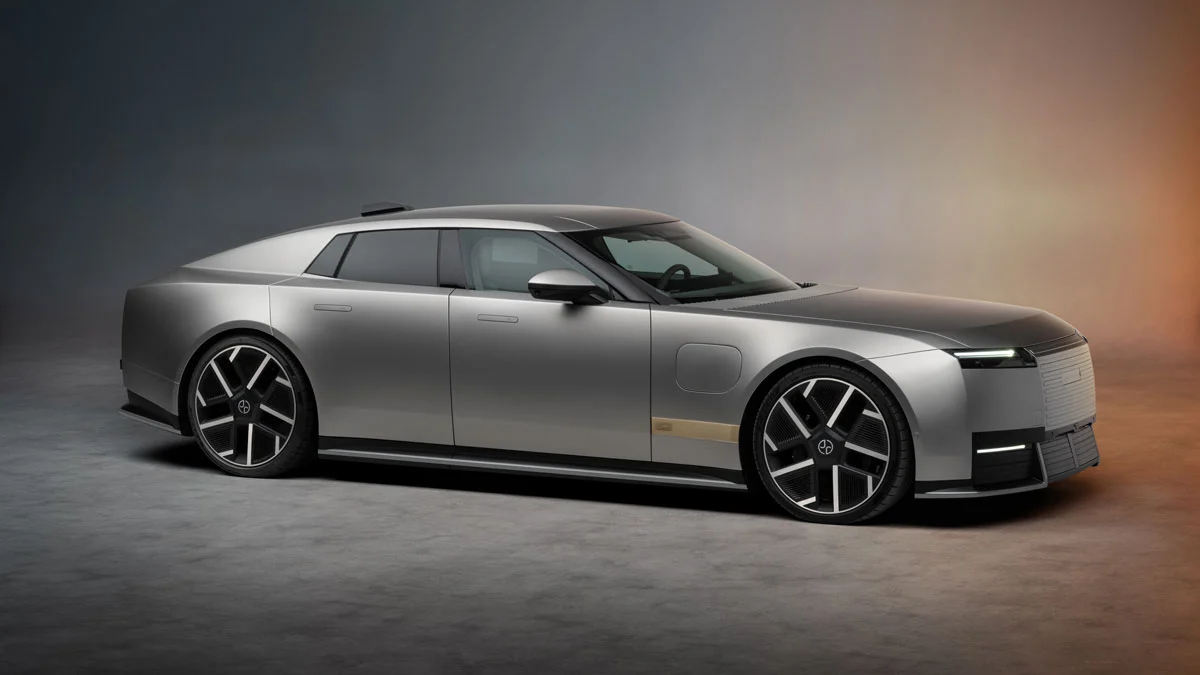
In the annals of automotive history, few brands possess a heritage as storied—or as turbulent—as Jaguar. When the E-Type debuted in 1961, it didn’t just turn heads; it redefined the aesthetics of performance, leaving the world collectively breathless. When the XJS followed in 1975, the reaction was more fractious, sparking fierce debates among purists and critics alike. Today, as Jaguar pulls the silk veil off the Type 01 in New York City, the brand finds itself at a similar crossroads. This is not merely a new model launch; it is the most significant pivot for the marque since its inception in 1935. With the Type 01, Jaguar is betting its entire future on a high-stakes, all-electric vision, daring the world to judge it by the standards of its most iconic predecessors.
The Engineering of a New Era
The Type 01 is more than a flagship; it is the physical embodiment of "Project Renaissance." As the first production vehicle to emerge from the brand’s top-to-bottom reinvention, it represents the most powerful, aerodynamically refined, and technologically sophisticated machine to ever wear the Jaguar leaper.

Underpinned by a proprietary electric architecture, the four-door grand tourer delivers a staggering 1,000-plus horsepower. This immense output is channeled through a tri-motor configuration—two units situated at the rear and one at the front—allowing the vehicle to sprint from zero to 60 mph in a blistering 3.1 seconds. Perhaps more impressive than its raw speed is its stamina. The car utilizes an 850-volt electrical system designed for high-efficiency endurance, promising a range of up to 400 miles on a single charge. When the battery eventually depletes, the system’s rapid-charging capability can recover 200 miles of range in just 13 minutes, effectively neutralizing one of the primary "range anxiety" arguments against luxury EVs.
A Chronology of Reinvention
The path to the Type 01 was far from linear. The project began in the shadow of a global pandemic, a period when the brand’s leadership faced the stark reality that their existing portfolio was failing to capture the imagination of a new, younger demographic.

- The Conceptualization (2022–2023): Jaguar launched "Project Renaissance," an internal competition that saw 18 full-size models developed and evaluated. The goal was simple yet terrifying: abandon the incremental updates of the past and start from a blank sheet.
- The Design Evolution (2024): A small, elite team of designers and engineers, led by chief designer Tom Holden, spent a year holding weekly, hours-long "paper sessions," where full-scale sections of the car were printed and scrutinized with marker pens, refining every contour for maximum visual and aerodynamic impact.
- The Boardroom Validation (2025): Chief engineer Jon Darlington presented a full-scale prototype to the board. The reception was visceral, marked by a rare moment of emotional triumph that confirmed the project’s direction was not just viable, but visionary.
- The Global Unveiling (October 2026): The Type 01 makes its world debut in New York, signaling the official start of the brand’s new era.
- The Launch (2027): With orders opening in early 2027, the company expects first customer deliveries to commence in the second half of the year.
Challenging the Status Quo: Design and Architecture
The Type 01’s silhouette is defined by long, low, and aggressive proportions that are fundamentally incompatible with the existing platforms of the automotive industry. According to Rawdon Glover, Jaguar’s managing director, the design team tested their concepts against every available architecture from competitors and found them all wanting.
"We realized it actually didn’t work on any of our architectures," Glover explained. "We looked at everybody else’s architectures, and it didn’t work on theirs either."

This led to the creation of a bespoke Jaguar Electric Architecture. This foundation provides a near-perfect 50/50 weight distribution and creates the stiffest structural integrity in the company’s history. The aesthetic language of the car, as described by design lead Andy Wheel, was intentionally chosen to polarize. Eschewing the "vanilla" designs often born from trying to satisfy every regulatory and consumer requirement, Jaguar opted for a bold, singular vision. They drew inspiration from a German idiom regarding the "wooly egg-laying milk pig"—a mythical creature designed to do everything that ultimately fails to exist. Jaguar refused to build that pig, opting instead for a car that demands desire rather than mere utility.
The Luxury Experience: A New Pricing Paradigm
The move toward an ultra-premium market segment is reflected in the price tag. With a starting MSRP of $130,500, the Type 01 represents a massive leap from the brand’s traditional $60,000–$70,000 transaction average.

This price point is not just a reflection of the technology; it is a mandate for a higher tier of customer service. Recognizing that such an investment demands a concierge-level experience, Jaguar has pledged to bring the car directly to the customer—whether at their home or their country club—for test drives. This "white glove" approach is designed to foster a relationship that begins the moment a prospect expresses interest. And the interest is significant: over 50,000 individuals have already registered for the vehicle, with a staggering 78 percent of those leads being new to the Jaguar brand.
Inside the Cabin: Tech-Forward Serenity
The interior of the Type 01 is a masterclass in modern minimalism. Capped by a sweeping panoramic glass roof, the cabin is designed to feel like a high-end lounge rather than a cockpit. The driver is greeted by a massive 24-inch OLED display, supplemented by a 7-inch portrait-oriented screen in the center console.

While the official press materials lean into poetic descriptions of "layered tones of travertine stone," the reality is a space filled with advanced, sustainable, and tech-forward fabrics. Mary Crisp, the chief materiality designer, noted that the atmosphere inside the Type 01 is meant to be a departure from the traditional "wood and leather" trope, signaling a brand that is looking toward the future of luxury rather than clinging to the ghosts of the past.
Implications: A Do-or-Die Moment
The risks inherent in this strategy are not lost on the leadership team. By polarising their audience, Jaguar is betting that the people who love the Type 01 will love it enough to overlook the lack of mass-market appeal. As Rawdon Glover candidly stated, "We’re not interested in sixes, sevens, and eights. We are looking for the nines and tens."

For engineers like Jon Darlington, who has dedicated 31 years to the company, the Type 01 is a vindication of his career. "This was a true, true clean sheet of paper," he said. "In 31 years, that’s the first time that’s ever truly been the case."
The implications for the brand are existential. By moving upmarket and embracing an all-electric future, Jaguar is effectively cutting ties with its previous identity to compete with the top tier of the luxury market. Whether this succeeds will be determined by the 50,000 people who have registered their interest, and whether they are willing to translate that interest into a signature on a purchase agreement.

The automotive world is watching. The arguments have already begun, and the polarizing nature of the design ensures they will continue for some time. But for a brand that has spent decades in a state of flux, the message from the leadership is clear: Jaguar is no longer interested in waiting for the future to happen. They have decided to build it themselves, and they are staking the legacy of a century on the success of the Type 01. As the company stated during the New York launch, "This was the biggest moment since the Jaguar name was born in 1935. Jaguar is back."
 Sagoh
Sagoh
 Nana Wu
 Asep Darmawan
