As the sweltering heat of August gradually yields to the crisp, deliberate mornings of autumn, a familiar yet deeply satisfying ritual returns to the forefront of the fashion conversation: the art of getting dressed. After months dominated by barely-there layers, lightweight linens, and an overarching philosophy of summer ease, the upcoming seasonal transition invites a recalibration of personal style. For fall, the wardrobe blueprint is moving away from predictable micro-trends. Instead, the focus has shifted toward building a deeply personal, narrative-driven closet defined by strong textures, structured silhouettes, and an unapologetic study in contrasts.
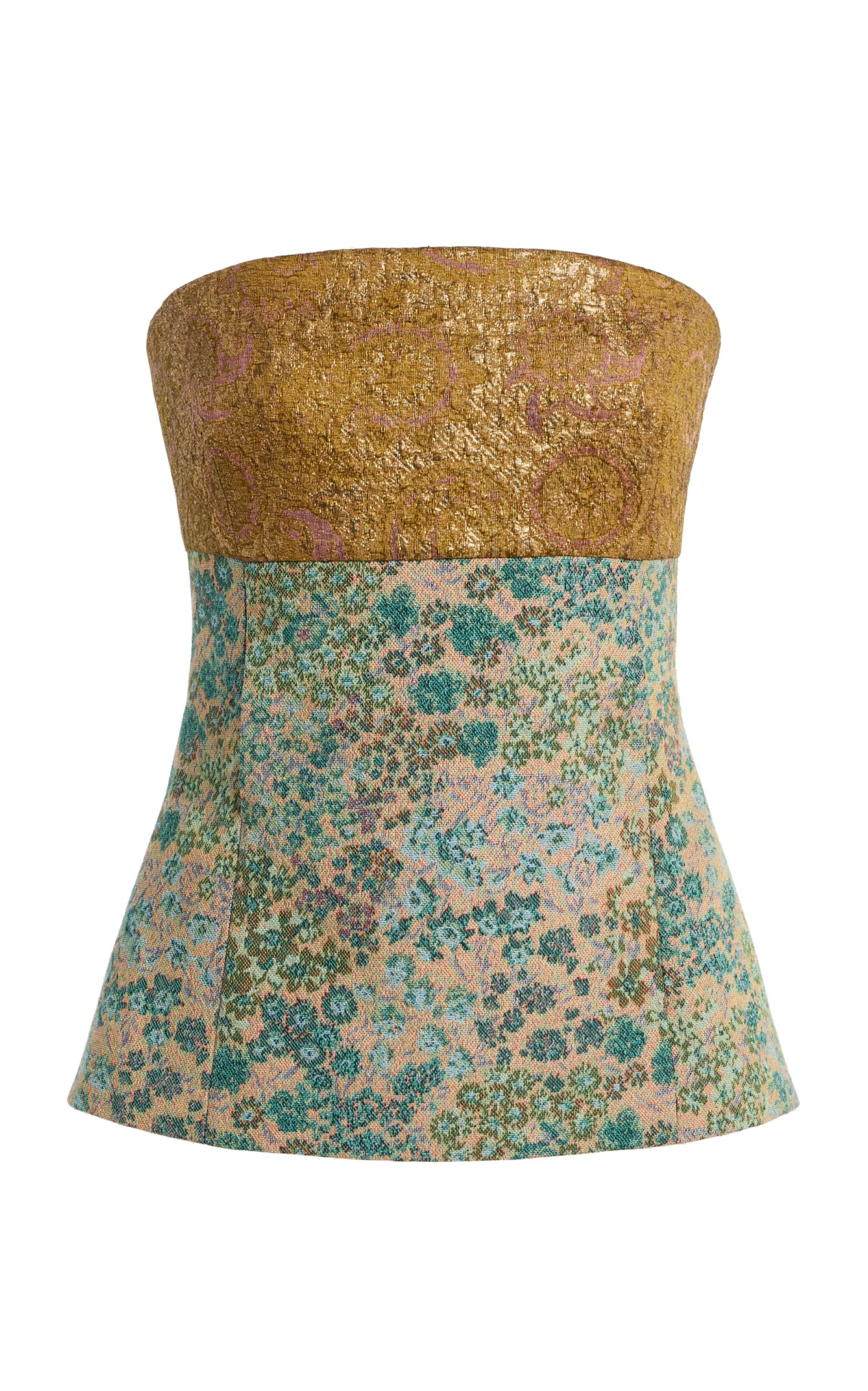
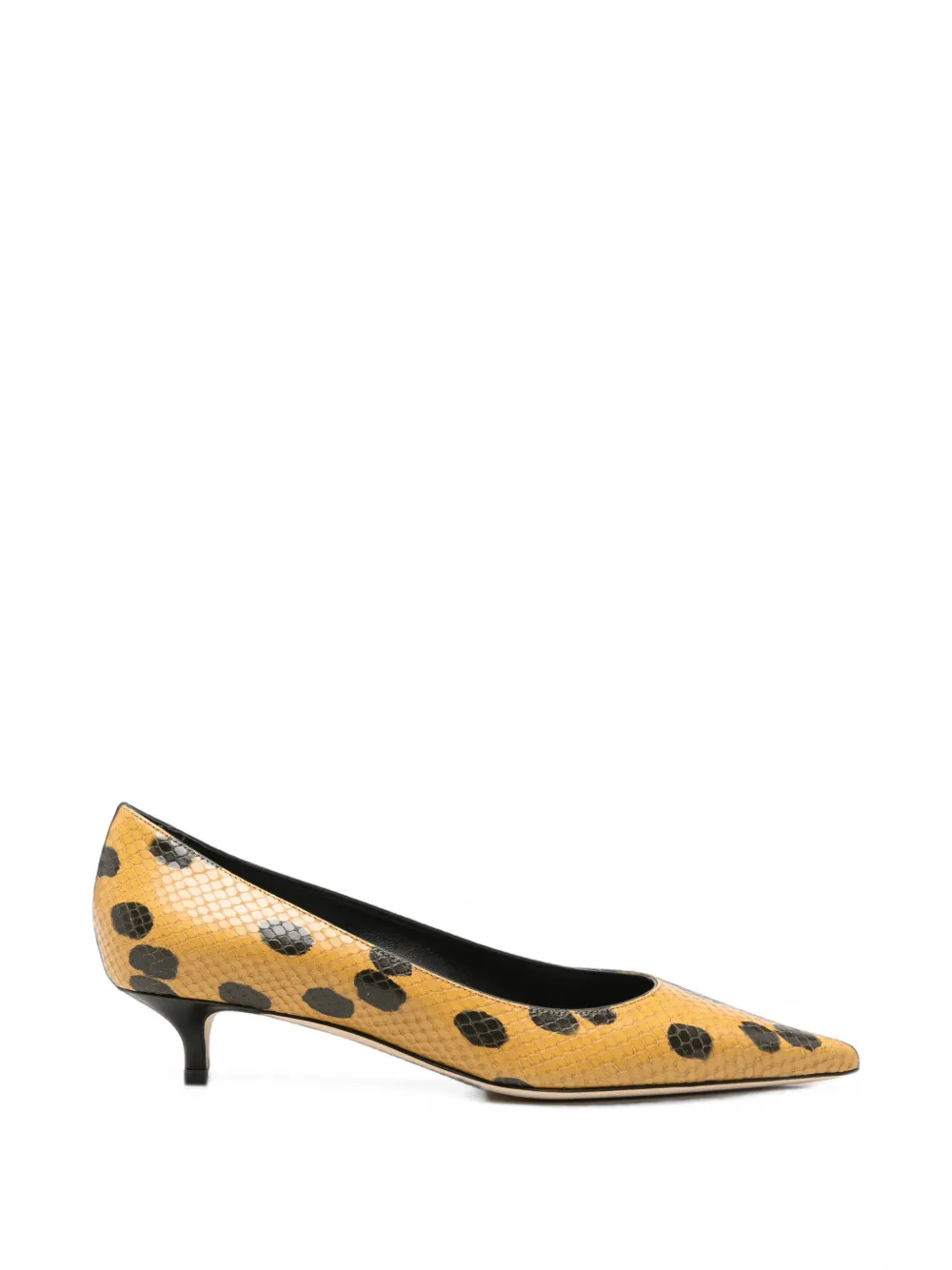
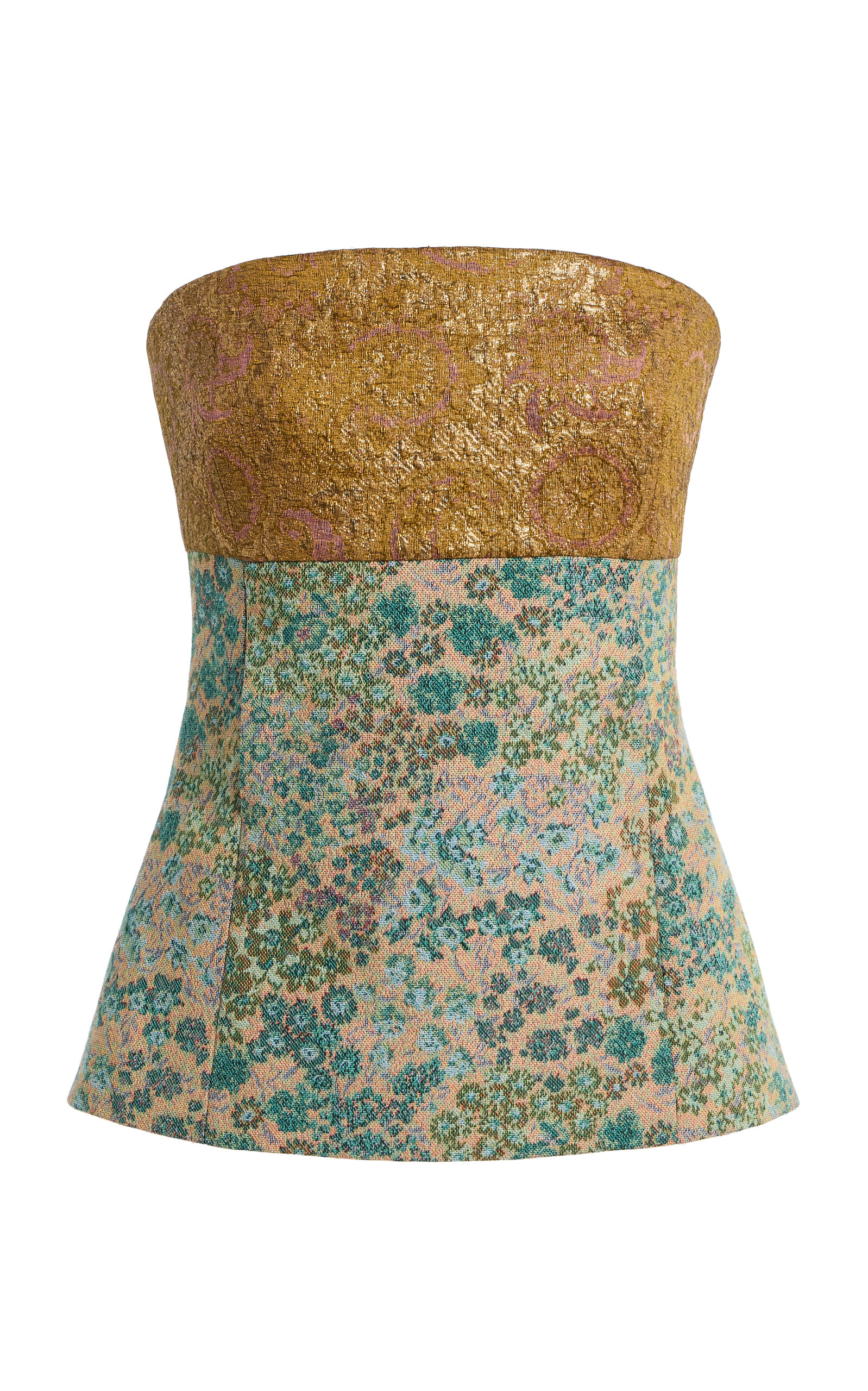
The contemporary approach to autumn style relies on the tension between timeless foundations and disruptive, statement-making accents. Think of it as a dialogue between heritage classics—such as impeccably tailored wool-blend skirts, heritage-inspired tortoiseshell eyewear, and perfectly worn-in, straight-leg denim—and high-impact pieces designed entirely to alter the energy of an outfit. Whether it is a structured black leather top-handle bag, a sculptural bustier meant to be layered under sharp tailoring, or pumps finished with a striking snakeskin-and-polka-dot effect, the modern fall wardrobe is less about blending in and much more about sartorial character.
The Evolution of Autumn Silhouettes: A Chronology of Seasonal Dressing
To understand how the modern fall wardrobe achieved its current equilibrium between heritage and high-octane luxury, it is helpful to examine the evolution of seasonal dressing over recent years.
Early 2020s: The Rise of Comfort and Minimalism
In the wake of global lifestyle shifts, the early years of the decade prioritized hyper-comfort. Loungewear dominated runways and street style alike, with oversized silhouettes and minimalist aesthetics taking center stage. Consumers sought solace in clothing that felt effortless, often sacrificing structure and tailoring in favor of knit sets and relaxed loungewear trousers.
Mid-2020s: The Return of Structure and Practical Tailoring
As society fully reopened, a palpable fatigue with extreme casualness set in. By mid-decade, consumers began craving the ritual of dressing up once more. Designers responded by reintroducing foundational tailoring: crisp poplin shirts, structured blazers, and classic footwear. However, rather than reverting strictly to corporate conservatism, this era fused office-ready staples with off-duty ease—such as pairing pencil skirts with casual knits or wearing structured outerwear over relaxed denim.
Fall 2026 and Beyond: The Era of Contrast and Personality
Today, the pendulum has swung into a fascinating middle ground. The modern consumer no longer wants to choose between utilitarian comfort and avant-garde statement pieces. Instead, Fall 2026 champions the juxtaposition of both. Heritage brands and contemporary designers alike are leaning heavily into tactile contrasts: buttery leathers paired with soft wools, sleek satin charmeuse balanced against rugged textures, and sculptural accessories that anchor the wearer in a statement of intentional design.
Core Pillars of the Fall Wardrobe: Key Pieces and Supporting Data
Building a cohesive seasonal wardrobe requires a deliberate curation of investment pieces and versatile staples. Industry data and consumer tracking reports highlight several standout categories dominating retail demand for the upcoming season.
1. Tailored Foundations and Knitwear
The backbone of any effective autumn wardrobe lies in its layering pieces. Rather than bulky, formless sweaters, this season favors refined textures that offer warmth without sacrificing silhouette.
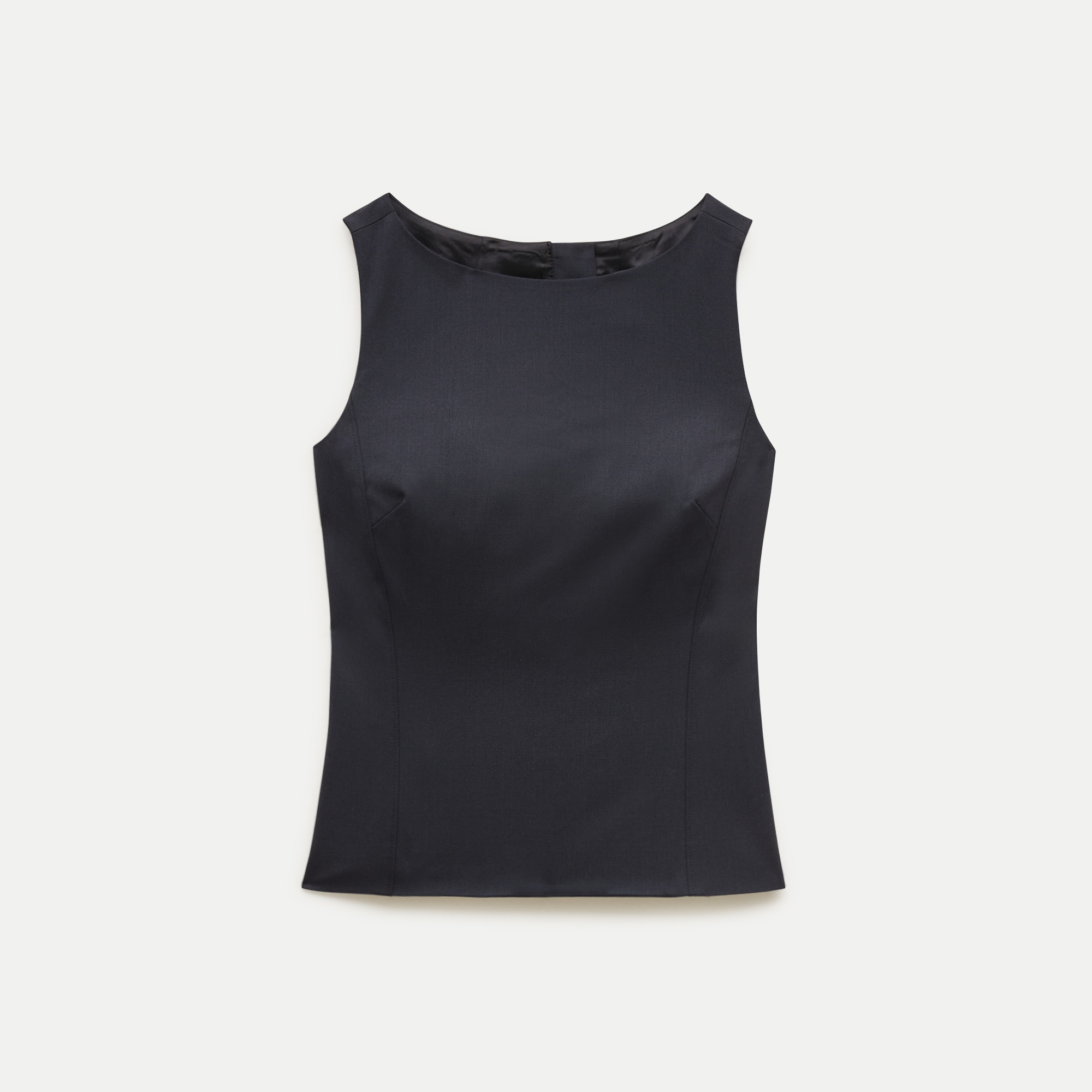
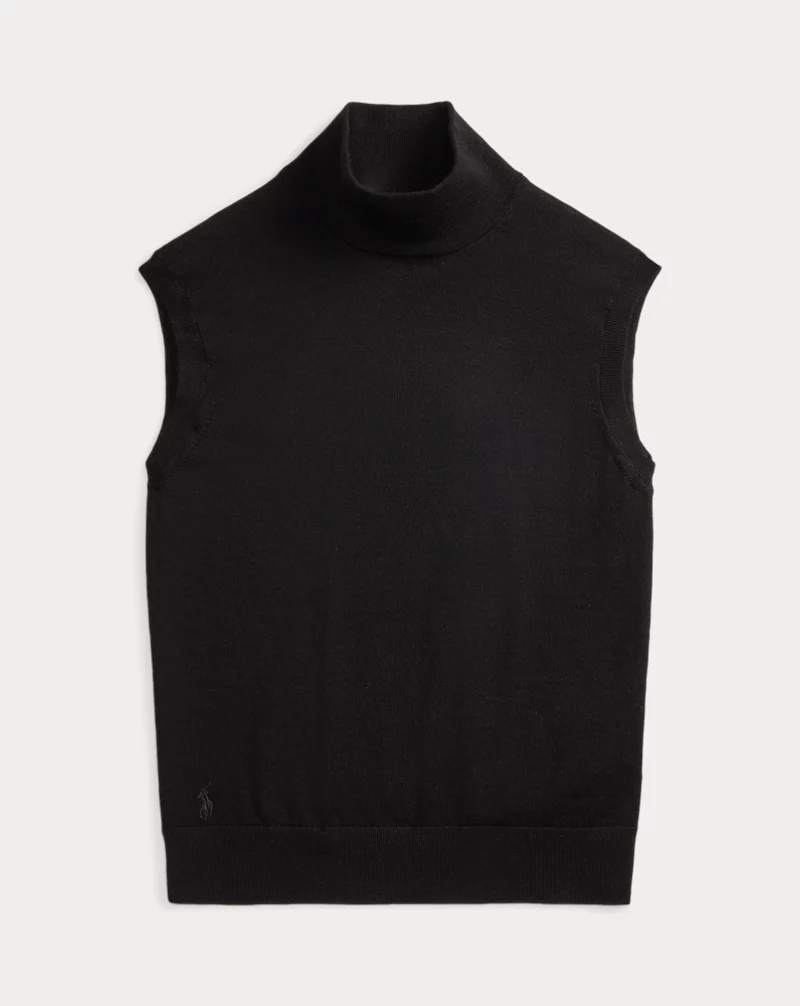
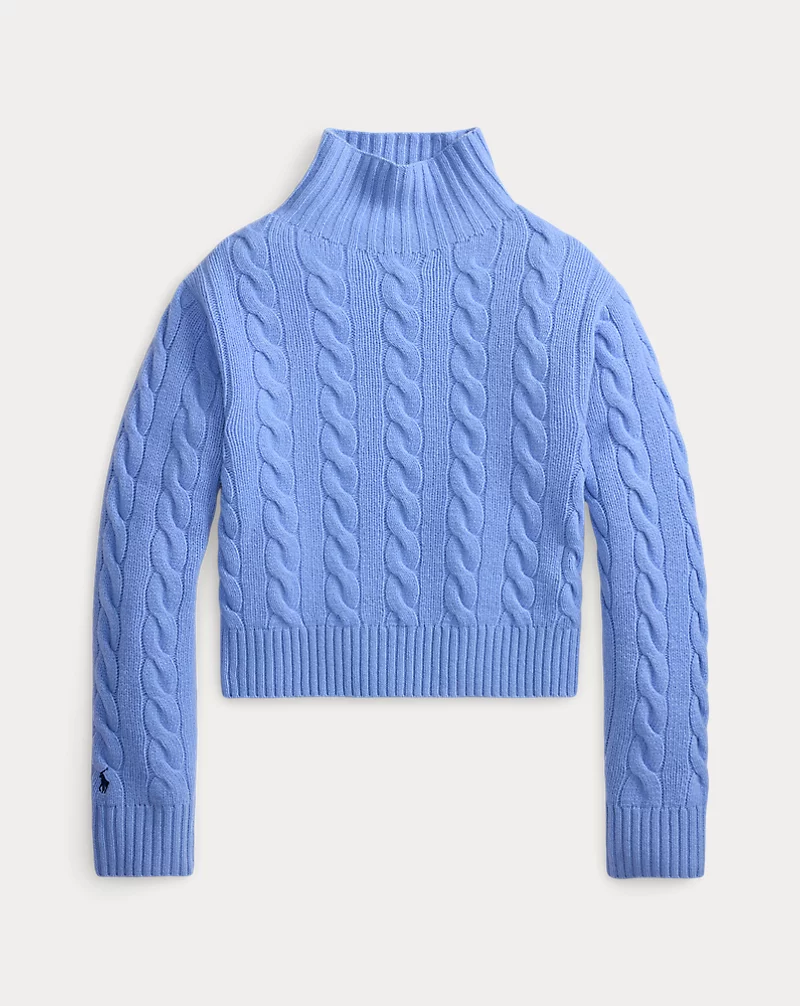
The Turtleneck Evolution: From sleeveless wool-blend options by Polo Ralph Lauren to heavy-gauge cable-knit cashmere, turtlenecks remain the quintessential cold-weather anchor. They provide a sleek, elongated silhouette whether worn independently or layered beneath structured blazers.
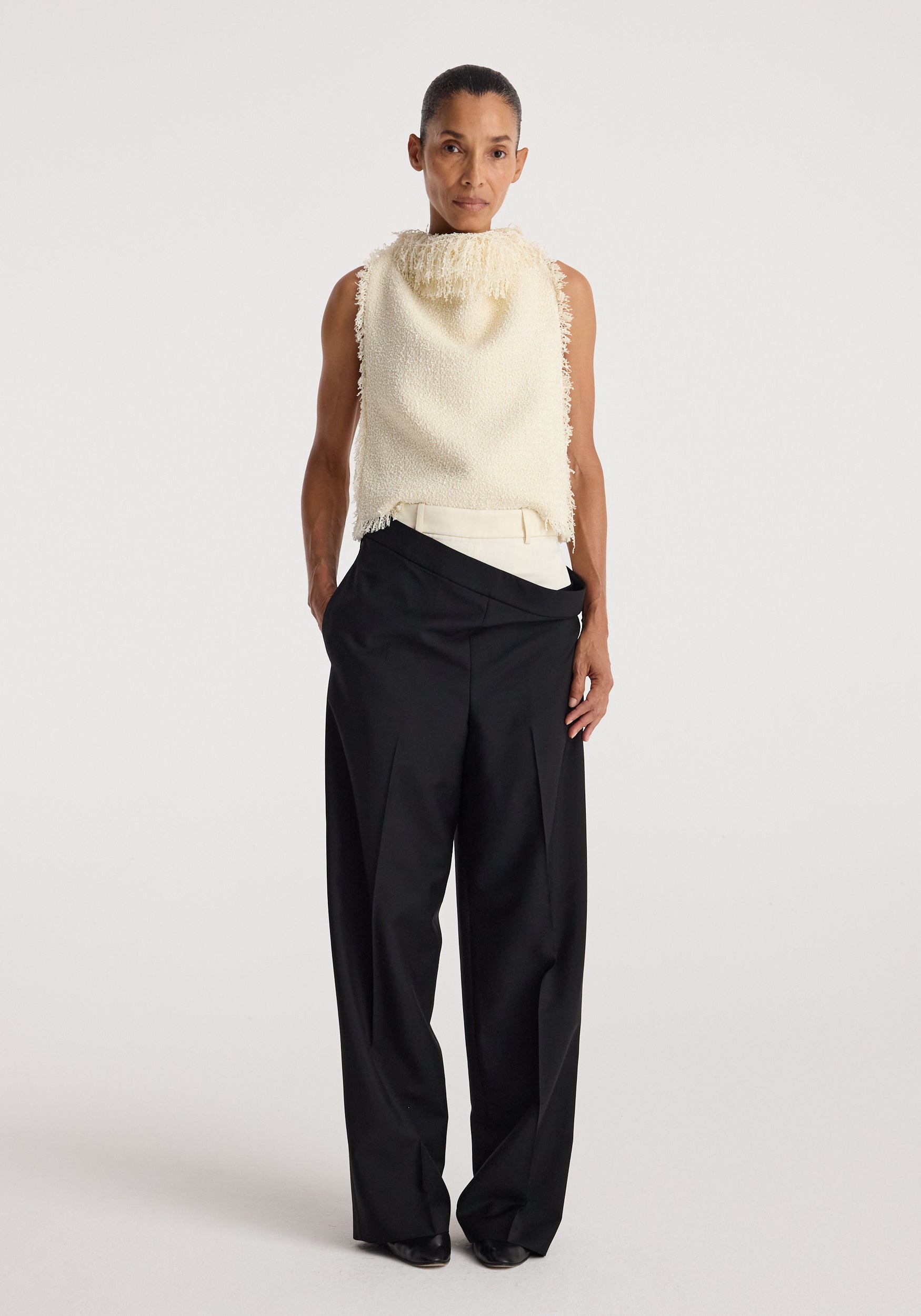
Textured and Pointelle Knits: Brands like Leset and Róhe are leading the charge with pointelle cardigans and fringe-accented bouclé tops. These pieces introduce delicate, tactile dimension to otherwise straightforward outfits.
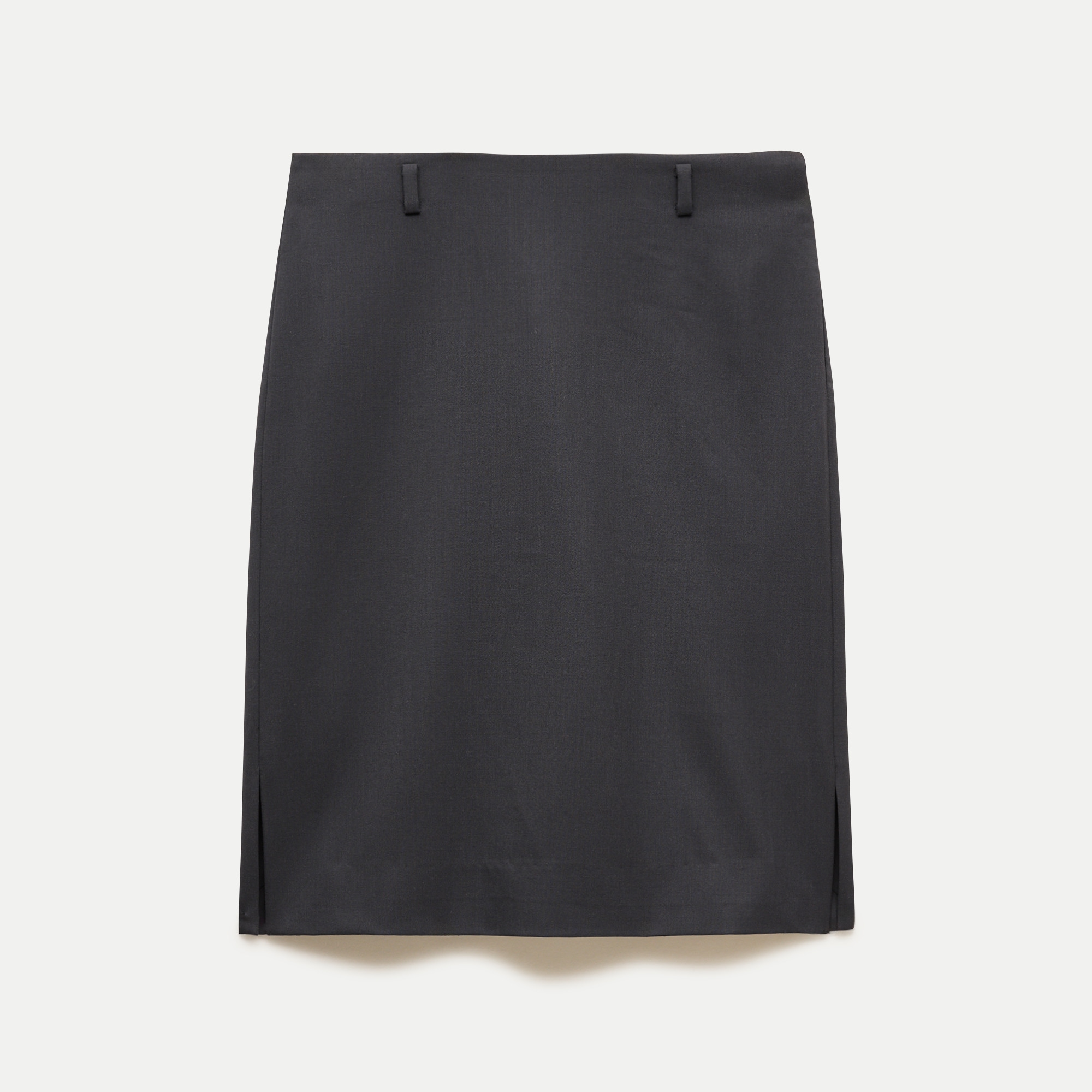
The Modern Pencil Skirt: Moving away from rigid corporate uniforms, updated silhouettes like J.Cyc’s Lightspun wool-blend pencil skirt and Shushu/Tong’s back-slit straight skirts offer mobility, comfort, and sharp lines.
2. Statement Outerwear and Tailored Bottoms
Outerwear and trousers dictate the overarching shape of a cold-weather look. For autumn, proportion is everything.
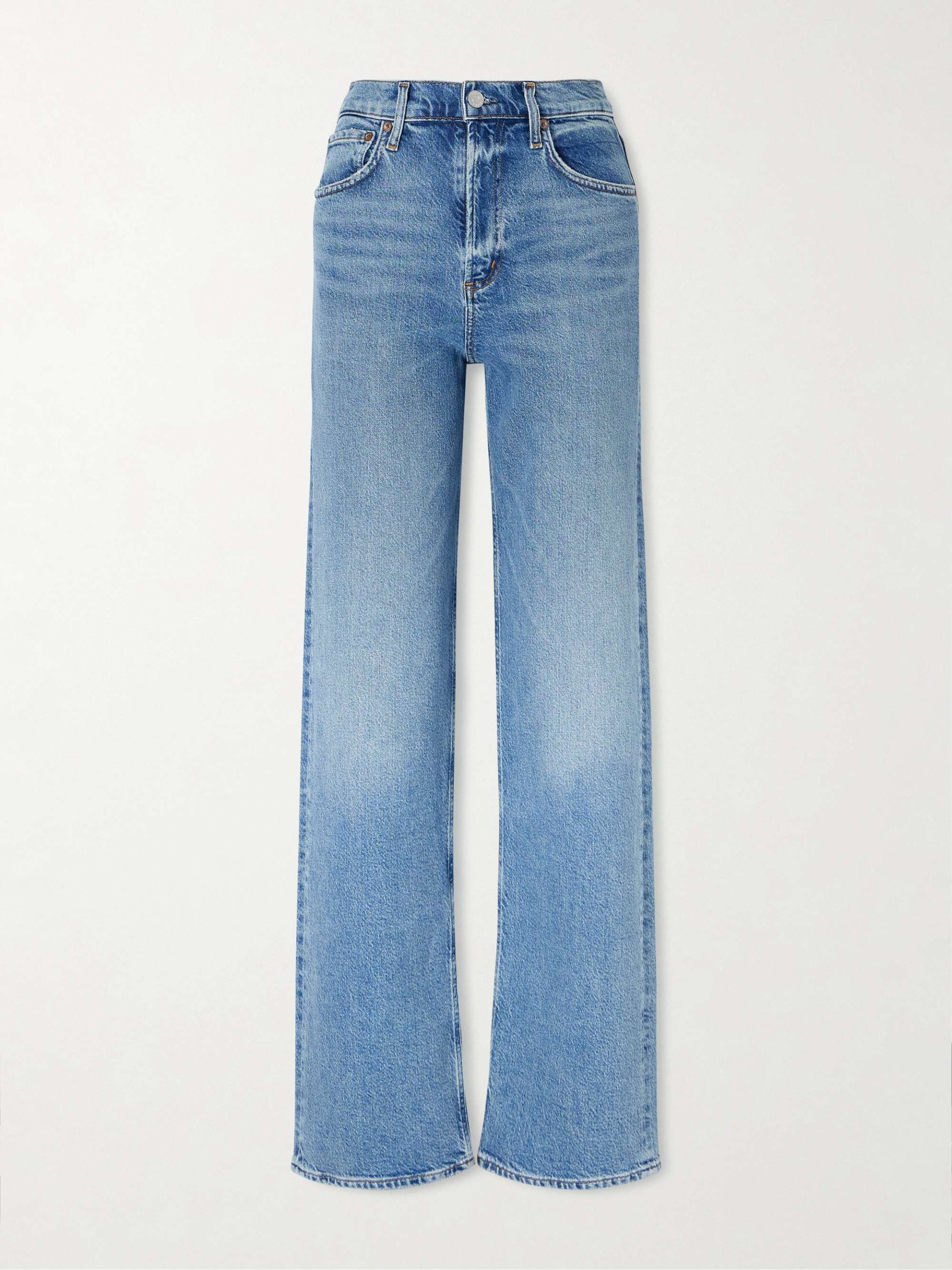
Denim as a Daily Uniform: High-rise, long-inseam straight-leg jeans—such as AGOLDE’s Ren Jean—continue to dominate casual wear, acting as the ultimate neutral baseline that can be dressed up with heels or dressed down with loafers.
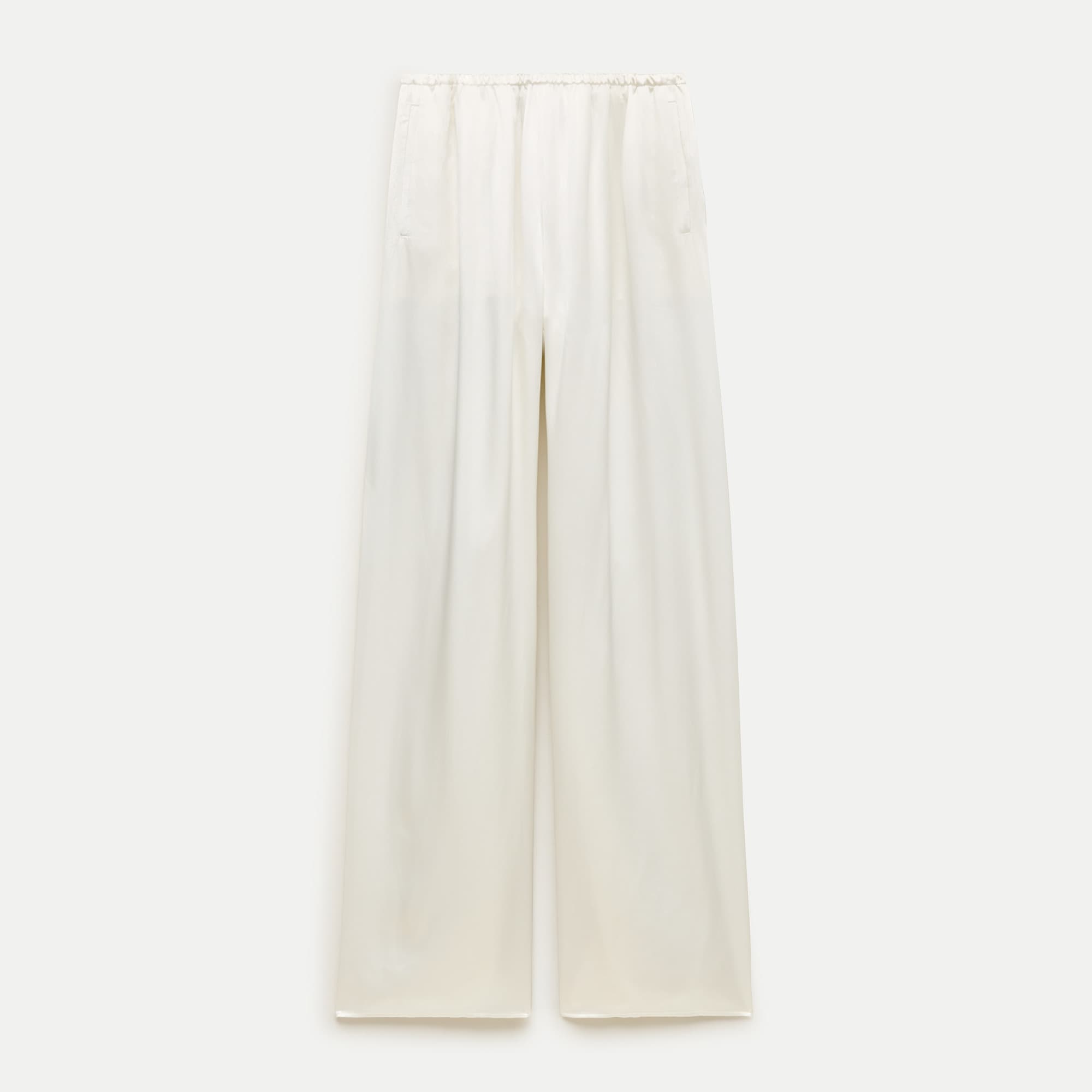
Fluid Tailoring: For moments requiring movement and softness, fluid alternatives like J.Crew’s Cosmo pants in luster charmeuse provide an effortless, pajama-inspired elegance that pairs seamlessly with structured outerwear.
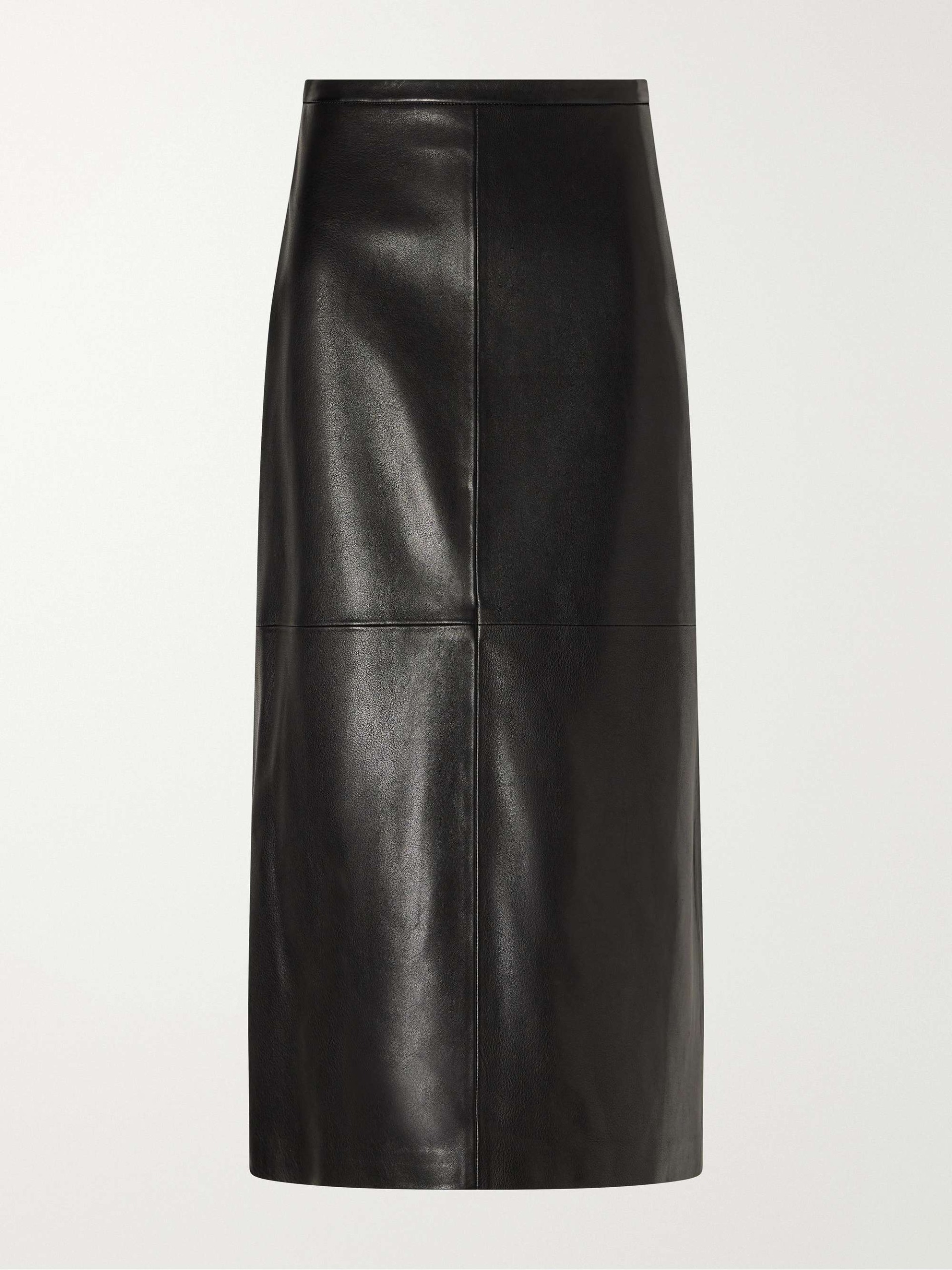
Leather and Suede: Statement skirts, such as Nour Hammour’s paneled leather midi skirt, anchor outfits in rich, tactile luxury that improves with age.
3. Impactful Accessories: Bags, Shoes, and Eyewear
Accessories are no longer treated as mere afterthoughts; they are the focal points that define an ensemble’s aesthetic direction.
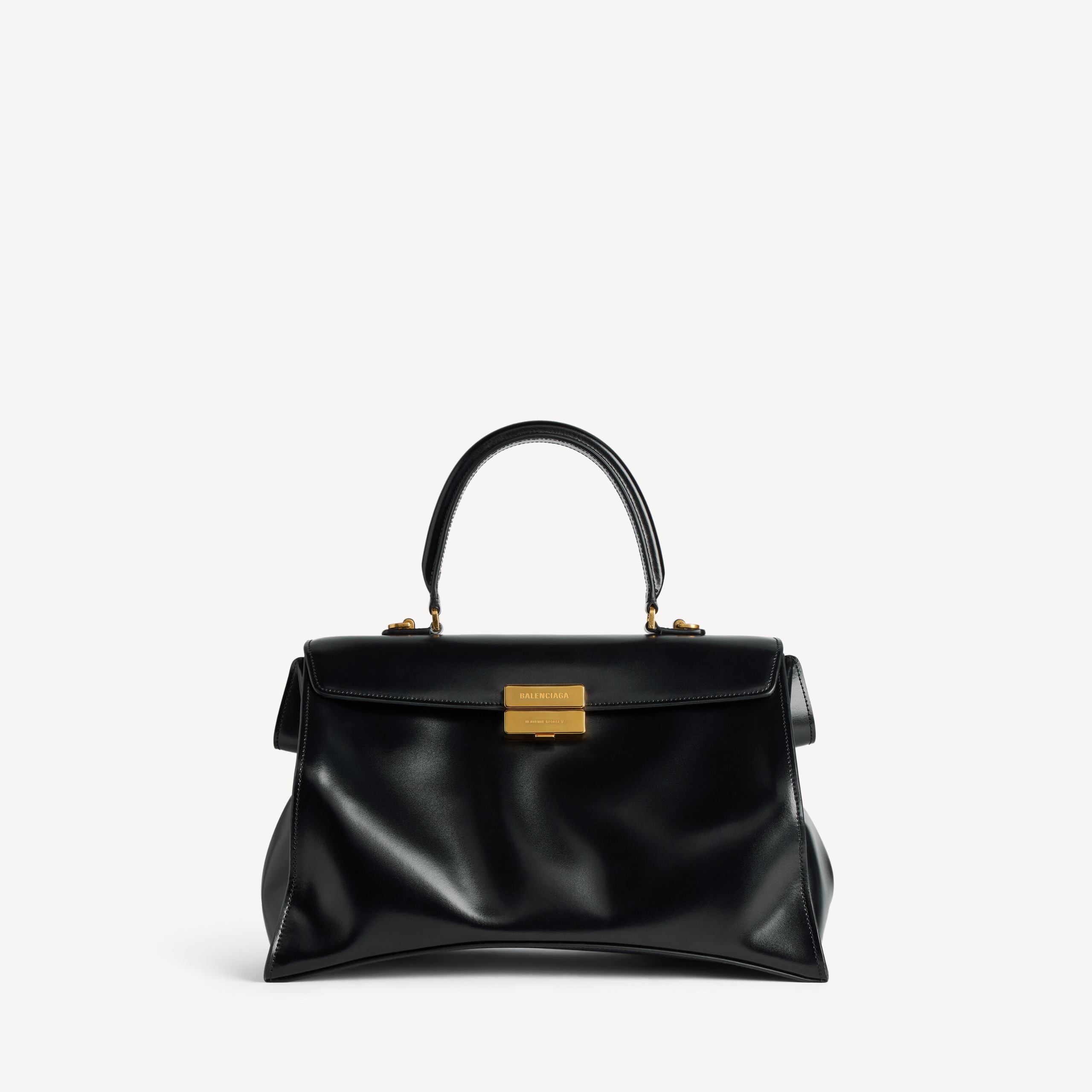
Structured Top-Handle Bags: The season’s most coveted arm candy favors architectural rigidity. Balenciaga’s Hourglass Avenue and Gucci’s large Boston bag with bamboo hardware offer timeless polish with an unmistakable edge.
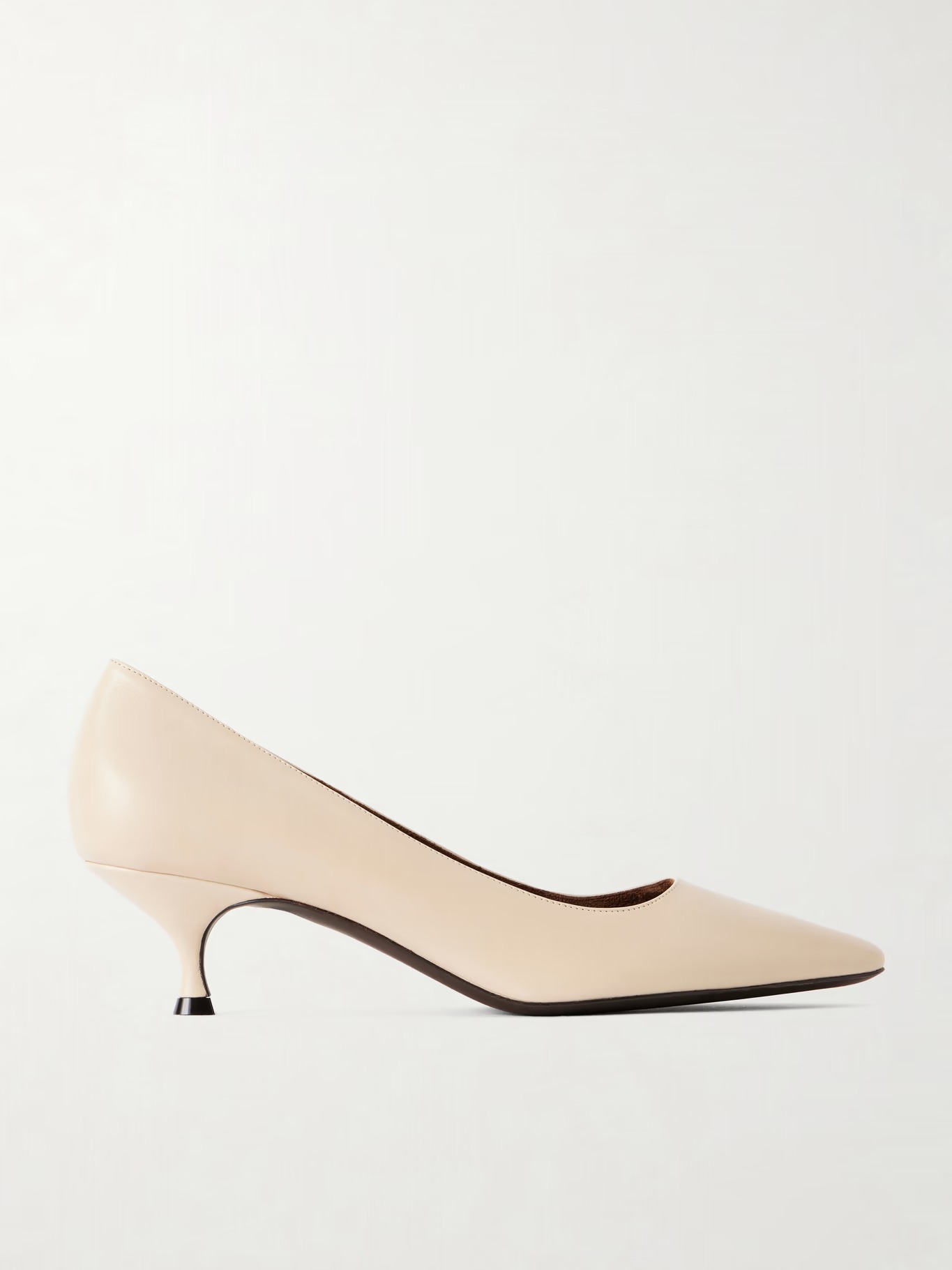
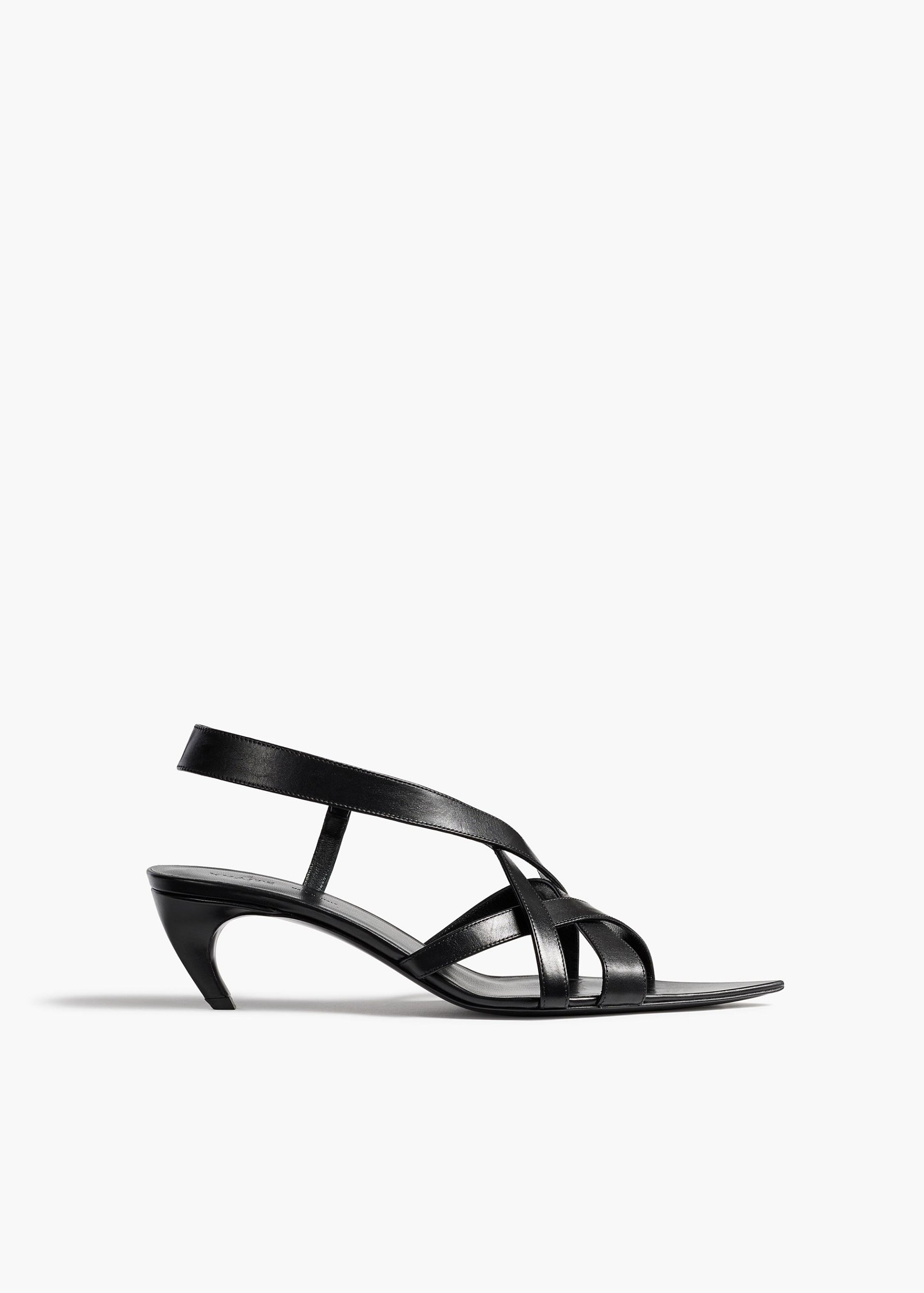
Imapctful Footwear: Footwear runs the gamut from sensible yet chic kitten heels (such as Khaite’s Sadie sandals and Herbert Levine’s leather pumps) to rule-breaking hybrids like Jimmy Choo’s polka-dot snakeskin-effect pumps and the unexpected Celine/Reebok Freestyle Lo collaboration.
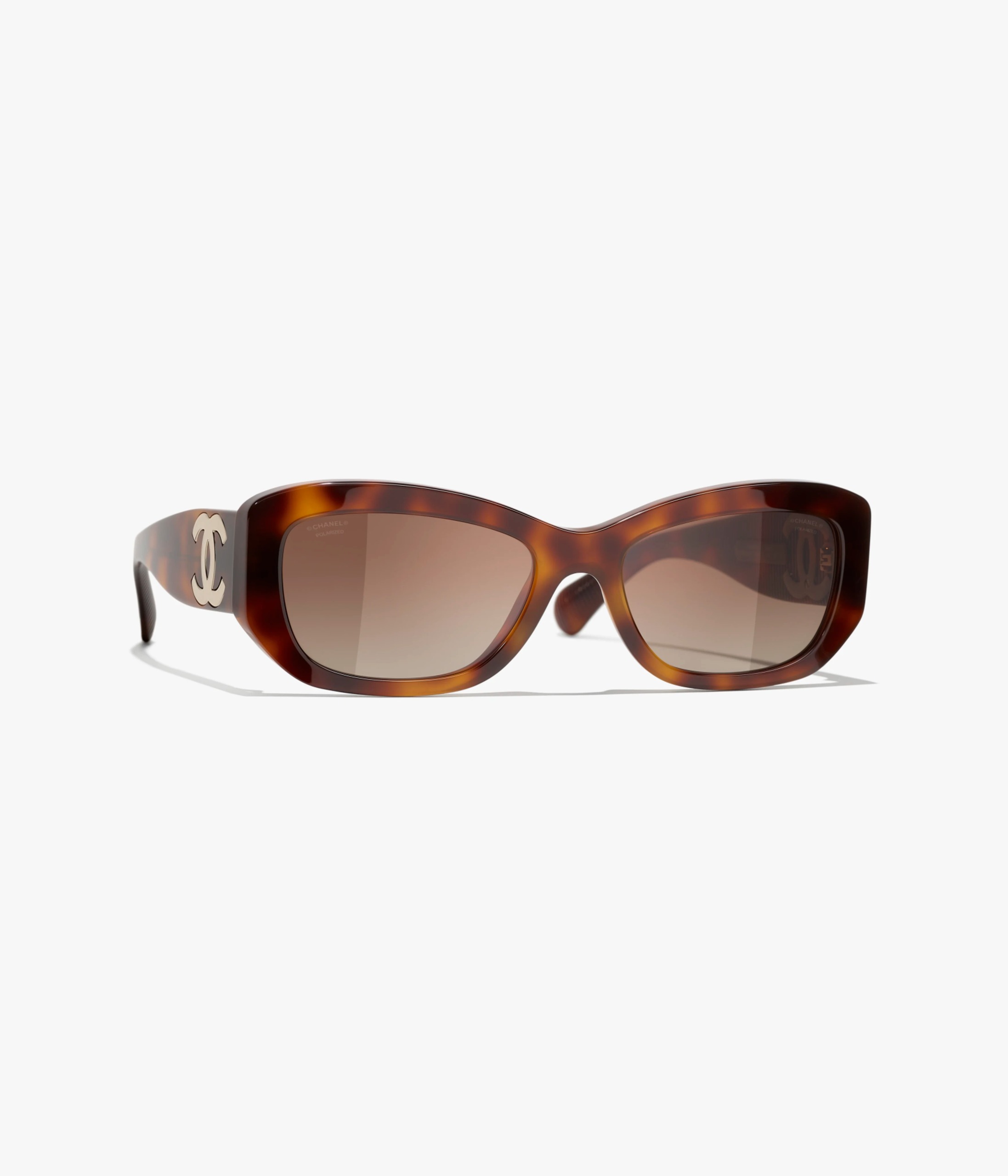
Graphic Eyewear: Tortoiseshell frames, exemplified by classic rectangular offerings from Chanel, serve as the ultimate finishing touch, offering an air of inherited heritage and understated cool.
Industry Insights and Official Perspectives
Leading voices in the global fashion space have noted a distinct shift in consumer psychology as the industry enters the autumn buying cycle. Rather than purchasing wholesale into fleeting internet aesthetics, shoppers are curating long-term capsules punctuated by high-personality anchor items.
According to retail analysts specializing in luxury goods, the demand for high-end accessories and tactile fabrics has risen significantly compared to previous years.
"Consumers are seeking an emotional connection to their clothing," notes a leading retail strategist. "The appetite for fast-moving micro-trends has cooled. Instead, buyers are investing in pieces that tell a story—an exquisite leather bag, a meticulously tailored skirt, or a pair of shoes that completely alters the posture and attitude of an outfit."
Furthermore, heritage fashion houses have leaned heavily into archival revivals mixed with modern functionality. By combining classic silhouettes—such as structured top-handle bags and traditional cable-knits—with unexpected materials and prints, brands are successfully bridging the gap between timeless elegance and contemporary streetwear influence.
Economic and Cultural Implications of the New Autumn Aesthetic
The transition toward thoughtful, contrast-driven autumn dressing carries broader economic and cultural implications for the retail sector.
1. The Longevity Economy and "Cost-Per-Wear"
With macroeconomic pressures influencing consumer spending habits, shoppers are increasingly demanding durability and versatility from their wardrobes. The focus on classic straight-leg denim, high-grade wools, and structured leather accessories reflects a broader pivot toward the "cost-per-wear" metric. Consumers are willing to allocate a higher budget to foundational items that seamlessly transition from professional environments to evening settings.
2. The Cultural Rejection of Uniformity
Culturally, the Fall 2026 aesthetic is a direct pushback against algorithmic dressing. While digital platforms frequently push uniform trends, style-conscious consumers are utilizing high-contrast styling—pairing delicate pointelle knits with rugged leather, or hyper-formal bustiers with casual denim—to express individuality. It is an assertion that personal style is found in the unexpected pairing rather than the complete adherence to a single prescribed "look."
Conclusion: Crafting Your Seasonal Narrative
As autumn arrives, the invitation is clear: step away from the passive ease of summer and embrace the deliberate pleasure of getting dressed. By investing in a balanced mix of architectural accessories, tactile layering pieces, and reliable tailoring, the modern wardrobe transforms into a canvas of self-expression. Whether anchoring your look with heritage-inspired eyewear, stepping out in statement footwear, or wrapping yourself in luxurious cashmere, this season proves that true style lies not in following every trend, but in curating a collection of pieces with undeniable personality.


 Raul Delapena Setiawan
 Nana Muazin
 Laily UPN
