

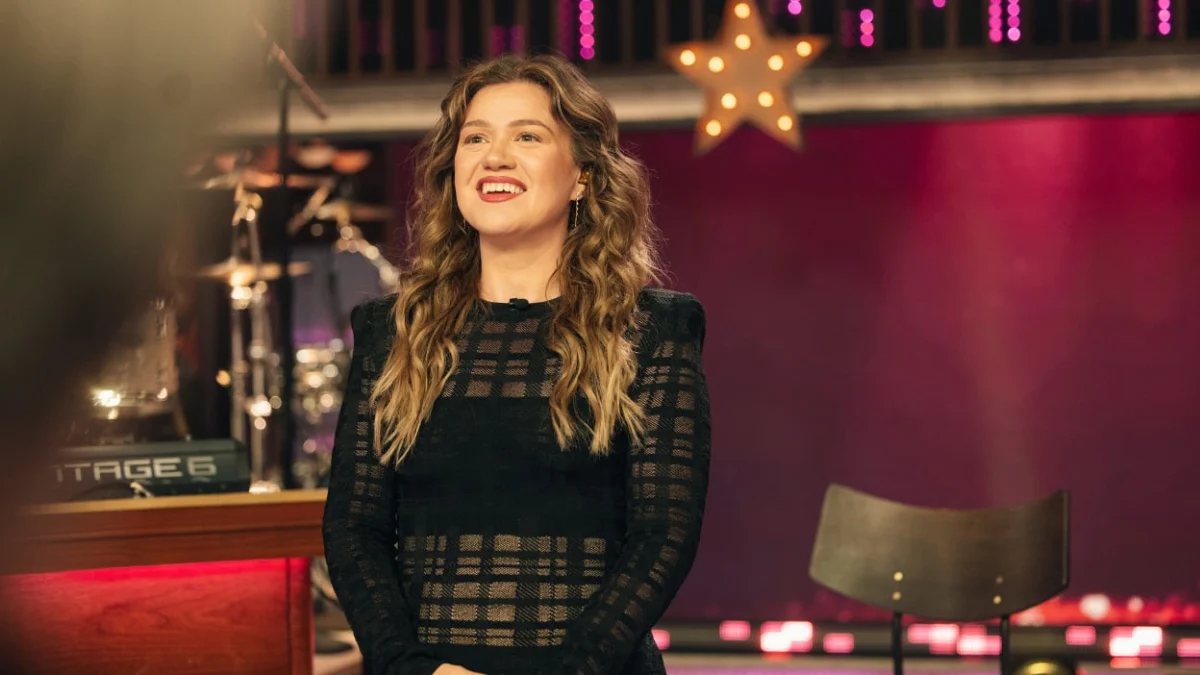
A routine weekend shopping excursion in New York City can quickly spiral into a full-blown digital culture war. This October, multi-platinum-selling singer and television personality Kelly Clarkson found herself at the center of an unexpected internet firestorm after a visit to a specialty brick-and-mortar shop in Brooklyn Heights. What began as a frustrated tweet about allegedly poor customer service rapidly escalated into a multi-sided public relations battle involving viral social media statements, conflicting accounts of a $15,000 mechanical bird, accusations of condescension, and a heated debate over the ethics of celebrity influence versus the protection of small businesses.
As the dust begins to settle on a controversy that dominated digital platforms for days, the incident serves as a modern case study in how minor consumer grievances are magnified in the era of social media, pitting a beloved celebrity’s massive platform against a niche, independent storefront.
Main Facts: The Clash at Art of Play
The epicenter of the dispute is Art of Play, a quirky, highly stylized boutique located in Brooklyn Heights, New York. Founded in 2013 by twin magicians Dan and Dave Buck alongside author Adam Rubin, the shop is well-known among locals and tourists alike for curating a whimsical inventory of artisanal playing cards, intricate puzzles, unique board games, books, and eccentric home goods.
The crux of the controversy revolves around a specific item: a singing and dancing mechanical bird named Molly. According to Clarkson, she visited the shop with specific items in mind to purchase, only to be met with dismissive treatment from a staff member who allegedly looked her up and down "like an elevator" and assumed she could not afford the merchandise. Clarkson walked away empty-handed and took to X (formerly Twitter) to air her grievances, comparing the experience to the iconic luxury boutique scene in the movie Pretty Woman, where Julia Roberts’ character is shunned by snobbish salespeople.
Conversely, the proprietors and staff of Art of Play maintained a vastly different perspective. They asserted that Molly the bird was never actually for sale—pointing out that the mechanical creature is permanently mounted to the shop’s wall as a fixture for in-store magic tricks. However, the store stated that an employee had informed Clarkson that Molly’s creator, Seattle-based artist Bliss Kolb, owned a nearly identical twin version that could be purchased for $15,000, and further offered to show her a different, readily available mechanical singing bird crafted by a German clockmaker priced at roughly $2,000.
Clarkson countered these claims by publishing a photograph of a $15,000 price tag labeled "Singing Bird," accusing the establishment of dishonesty and defending her right to speak out against rude service, regardless of whether a business is locally owned.

Chronology of Events
To fully understand how a localized retail interaction blossomed into a national talking point, it is necessary to examine the timeline of the feud:
- October 10: Kelly Clarkson visits Art of Play in Brooklyn Heights. Later that day, she posts her first viral critique on X, writing, "Just drove all the way to Brooklyn to check out this store… literally was looked at as if I couldn’t afford it and was told he could find something comparable for me. Wow, dude. You’re an idiot and just lost a huge sale." She adds a reference to Pretty Woman, urging her followers to check out the store if they enjoy being treated poorly.
- October 11: Art of Play responds via an official Instagram post. The boutique clarifies that Molly the bird is permanently attached to the wall and not for sale, while expressing shock at being targeted by millions of social media users who had never previously visited the physical location. The statement closes with a tongue-in-cheek nod to Clarkson’s hit song: "As a talented popular singer once said, ‘What doesn’t kill you makes you stronger.’"
- October 11 (Later): Unfazed by the shop’s initial response, Clarkson fires back on X. She shares visual evidence of a $15,000 price tag bearing the words "Singing Bird," doubles down on her accusation that the employee acted condescendingly, and rejects the notion that small businesses should receive a "free pass" to treat customers poorly.
- October 11–12: Art of Play issues a detailed follow-up explanation. The owners clarify the distinction between the wall-mounted Molly and her $15,000 artist-owned twin, while also mentioning the alternative $2,000 German-crafted singing bird that Clarkson allegedly declined to wait around to see.
- Mid-October: The fallout spills over into Google Reviews, Yelp, and TikTok. Observers note a wave of polarized reviews—some appearing to be review-bombing from Clarkson fans, and others fiercely condemning the pop star for leveraging her immense celebrity influence against an independent mom-and-pop-style store.
Supporting Data and Digital Aftermath
The quantifiable impact of the Clarkson-Art of Play dispute highlights the sheer velocity of modern internet outrage. Within 48 hours of Clarkson’s initial post, Art of Play—a local destination shop—found itself thrust into the global spotlight.
While exact financial figures or customer metrics remain undisclosed by the boutique, the digital footprint of the conflict was immense. Across X, Instagram, and TikTok, millions of users engaged with threads debating the ethics of the encounter. Business Insider and other cultural outlets reported a surge in erratic online reviews for the Brooklyn storefront, prompting platforms to monitor and filter out unverified review-bombing.
Reviewers on Yelp and Google split sharply into two camps. One side argued that poor customer service deserves public accountability, pointing out that wealth or fame should not dictate baseline human decency. The other side—particularly local residents and supporters of independent retail—criticized Clarkson for utilizing her massive megaphone to potentially harm a small brick-and-mortar business over what they categorized as a simple miscommunication regarding a piece of fine art or a display-only installation.
Parallel to this retail drama, cultural commentators noted that October 2026 had been a complex month for Clarkson’s public relations. Just days prior to the Brooklyn incident, Clarkson faced minor backlash from fans on the Las Culturistas podcast regarding her enthusiastic commentary on artificial intelligence—a reminder that public figures navigating shifting media landscapes are subject to intense scrutiny across multiple fronts.
Official Responses and Statements
Both parties utilized their preferred communication channels to state their cases, leaving little room for ambiguity regarding their respective stances.
Kelly Clarkson’s Position:
Clarkson’s statements emphasized the emotional reality of feeling unwelcome in a retail space. By invoking the cinematic metaphor of Pretty Woman, she highlighted the universal humiliation of being judged based on appearance. In her secondary statement, she clarified that her critique was not an attack on the concept of small business itself, but rather a commentary on basic manners:

"I love small businesses and know they are important, and I always support them, but you don’t get a free pass to treat people less than in your store just because you are a small business. It’s not that hard to be kind."
Art of Play’s Position:
The owners of Art of Play—Dan Buck, Dave Buck, and Adam Rubin—attempted to balance humor with a defense of their staff. While acknowledging that the initial interaction clearly left the Grammy-winning artist unsatisfied, they maintained that the misunderstanding stemmed from the unique, non-commercial nature of their gallery-like displays. In a subsequent public olive branch, the shop noted that they had reached out to Clarkson directly to clear the air:
"We’ve reached out to Kelly directly to try and clear the air. We really do wish her the best and hope that someday we can all laugh about this misunderstanding."
Broader Implications: Celebrity Influence vs. Local Commerce
The confrontation between Kelly Clarkson and Art of Play transcends a simple disagreement over a mechanical bird; it touches on several broader cultural and economic implications for the modern digital age:
- The Asymmetry of Power: When a celebrity with millions of followers names a specific, independent local business, the power dynamic is inherently lopsided. Even if a business owner believes they were in the right, a single social media post can instantly mobilize an army of digital loyalists, resulting in review-bombing, targeted harassment, and operational disruption. Conversely, supporters of the celebrity argue that public figures have every right to share genuine consumer feedback about poor treatment, as corporations and boutiques are rarely held accountable otherwise.
- The Shift in Retail Experience: Specialty boutiques like Art of Play rely on an immersive, curated, and sometimes eccentric in-store atmosphere to draw foot traffic in an era dominated by e-commerce. Items that function as art installations or conversation pieces—such as custom-built mechanical birds—frequently blur the line between museum display and retail merchandise, increasing the potential for customer confusion and friction.
- The Public Appetite for Micro-Dramas: In an increasingly heavy news cycle, internet users frequently gravitate toward low-stakes celebrity feuds that allow them to project their own values onto public figures. Whether a consumer views Clarkson as an entitled celebrity throwing her weight around or an everyday shopper subjected to quintessential New York snobbery reveals more about the observer’s own worldview than the objective reality of what transpired inside the Brooklyn shop.
As the situation cools down, it remains to be seen whether Clarkson and the creators of Art of Play will resolve their differences privately. However, the incident serves as a lasting reminder that in the twenty-first century, a casual afternoon of window shopping can instantly transform into a headline-making cultural event.
 Asro
Asro
 Basiran
 Azzam Bilal Chamdy
