

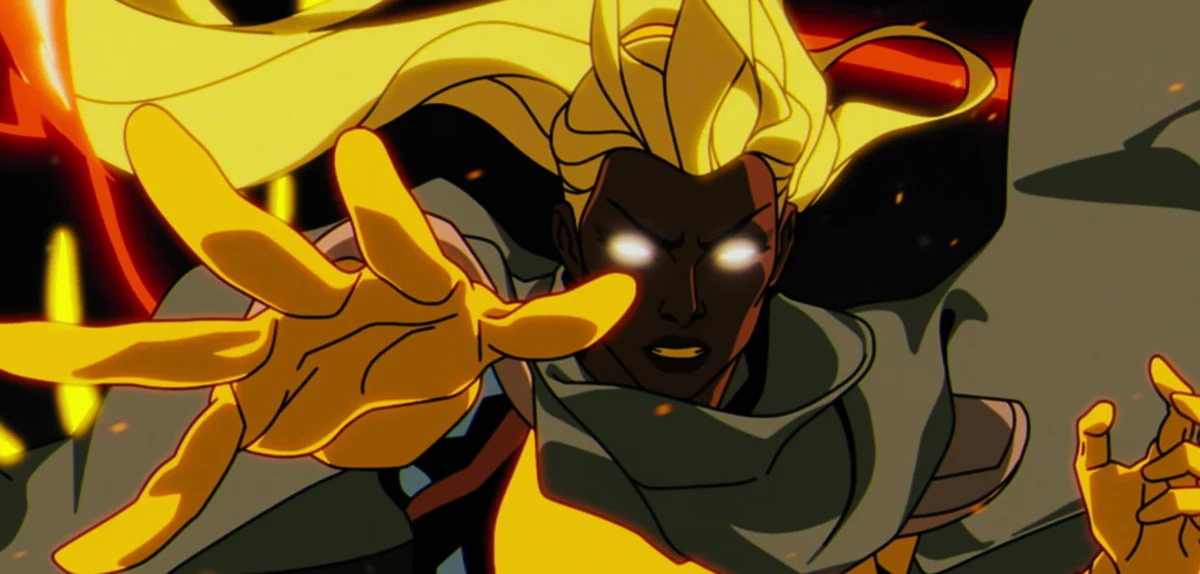
The landscape of superhero media is currently dominated by the massive, multi-studio gears of the Marvel Cinematic Universe, but for millions of fans, the most compelling story in the Marvel multiverse isn’t playing out in live-action—it’s unfolding in the vibrant, high-stakes animation of X-Men ’97. After a two-year hiatus following the explosive, reality-bending conclusion of its debut season, the acclaimed Disney+ series is officially returning on July 1.
With the X-Men poised to make an even larger impact on the cinematic horizon—specifically in the upcoming Avengers: Doomsday this December—the return of X-Men ’97 serves as a critical bridge. Whether you are a long-time devotee of the 1990s animated classic or a newer convert who discovered the show during its 2024 revival, the stakes have never been higher for Marvel’s merry mutants.
The Return of the Icon: Context and Expectations
X-Men ’97 did not simply revive a childhood memory; it elevated the source material, blending the nostalgic aesthetic of the original X-Men: The Animated Series with sophisticated, modern storytelling. The series, which garnered critical acclaim for its willingness to tackle complex themes of prejudice, identity, and the heavy burden of power, set a new bar for Marvel television.
As we approach the July 1 premiere, the narrative tension is palpable. The showrunners have promised that the "wild cliffhanger" of season one was merely the opening act. With trailers teasing a darker, more desperate struggle, the series is leaning into the most experimental eras of the comic books—spanning deep-space epics and chronal instability. For those needing a refresher on how the world came to this precipice, the events of season one provide a masterclass in serialized chaos.
A Chronology of Chaos: What Happened in Season 1?
The inaugural season of X-Men ’97 was characterized by its rapid pacing and emotional brutality. To understand where the X-Men are headed, one must look at the wreckage they left behind.
The Power Vacuum
The story began with the X-Men reeling from the departure of Professor Charles Xavier, who, after being mortally wounded, was taken to deep space by the Shi’ar Empress Lilandra. In a twist that defied expectations, Xavier’s final will named his greatest adversary, Magneto, as the new headmaster of the school. This arc forced the X-Men to grapple with the uncomfortable reality of redemption. Magneto, seeking to honor his old friend, pivoted toward diplomacy, successfully securing the UN’s recognition of Genosha—a sovereign island nation intended to be a sanctuary for mutantkind.
The Tragedy of the Clone and the Virus
Simultaneously, the personal lives of the team suffered irreparable damage. Cyclops and Jean Grey welcomed a son, Nathan, only for the world to learn that the "Jean" who gave birth was a clone manufactured by the nefarious Mister Sinister. The reveal was not merely emotional; it was a tactical strike. Sinister infected the infant Nathan with a techno-organic virus. Desperate to save his son, the time-traveler Bishop intervened, transporting Nathan to the future in hopes of finding a cure, leaving a massive void in the lives of his parents.
The Fall of Genosha
The season’s pivot point arrived during the Genoshan gala. As the world looked on at a new era of peace, the island was decimated by a massive Sentinel attack. Despite a warning from a time-traveling, adult version of Nathan—now known as Cable—the devastation was absolute. Gambit, a fan-favorite member of the team, gave his life to destroy the Master Mold, a sacrifice that cemented the emotional stakes of the series.
Magneto, presumed lost, was revealed to be a prisoner of Bastion, a human-machine hybrid architect of a global nightmare. Bastion weaponized Sinister’s virus to convert the human population into "Prime Sentinels," while simultaneously leveling the X-Mansion.
The Shattering of Reality
The finale saw a desperate confrontation at the North Pole, where a liberated Magneto unleashed an electromagnetic pulse, plunging the world into a blackout. The climax was visceral: Wolverine, pushed to his limits, engaged Magneto in combat, leading to the iconic, terrifying moment where Magneto ripped the adamantium from Wolverine’s skeleton.
The ultimate resolution—if it can be called that—was a departure into the unknown. Xavier and Magneto succeeded in sending the asteroid home base, Asteroid M, into deep space to prevent it from crashing into Earth. The team was scattered across time, and the present-day remnants were left to face the chilling reappearance of Apocalypse in the ruins of Genosha, clutching one of Gambit’s playing cards.
Supporting Data: Why This Series Matters for the MCU
The significance of X-Men ’97 extends far beyond its own runtime. It serves as a narrative anchor for the broader Marvel Cinematic Universe.

- The Multiversal Connection: With the MCU preparing for Avengers: Doomsday and the subsequent Secret Wars, the concept of "variants" and "scattered timelines" is the primary engine of the franchise. X-Men ’97 provides the perfect testing ground for these complex narratives.
- Character Continuity: By reintroducing audiences to the classic iterations of Cyclops (James Marsden-adjacent in cultural spirit), Professor X, and Magneto, Marvel is acclimating the general public to these specific portrayals before they appear in live-action crossovers.
- The "Prestige" Animation Model: The success of X-Men ’97 has signaled to Disney and Marvel Studios that high-budget, mature-leaning animation is a viable, and perhaps preferred, format for long-form superhero storytelling.
Official Responses and Behind-the-Scenes Shifts
The production of X-Men ’97 has not been without its own internal drama. Following the high-profile departure of showrunner Beau DeMayo, the reins have been handed to Matthew Chauncey, a writer known for his work on Marvel’s What If…?.
Despite the change in leadership, the production remains on an aggressive, high-quality trajectory. Season 3 is already deep in development, indicating that Disney has full confidence in the brand’s longevity. Marvel Studios has made it clear that while they intend to eventually reboot the X-Men for the live-action cinema circuit—likely following the release of Avengers: Secret Wars in December 2027—the animated branch is intended to coexist as a premier destination for long-term character development.
Implications for the Future
The implications of the season two premiere are vast. By scattering the X-Men through time, the writers have effectively removed the "safety net" of the mansion and the status quo. Characters like Rogue, Nightcrawler, and Beast are now forced to navigate ancient history, while Cyclops and Jean are trapped in a future war against Apocalypse.
For the viewers, this represents a shift in genre. The show is moving from a "school-based" drama to a sprawling, epic odyssey. The inclusion of Apocalypse in the present day also suggests that the threat to mutantkind is no longer just technological (Sentinels) or political (Bastion), but existential and ancient.
As we look toward July 1, the question is not just how the X-Men will return home, but what kind of heroes they will be when they do. The trauma of losing their home, the physical toll of their battles, and the psychological weight of their time-displaced experiences will undoubtedly reshape the team dynamic.
The X-Men have always been a metaphor for the outsider, but in X-Men ’97, they have become something more: they are the architects of a shifting multiverse. Whether they are battling against the shadow of Doctor Doom in the MCU or confronting the ancient nihilism of Apocalypse in their own series, the message is clear—the mutant revolution is far from over. It is only just beginning.
 Nana Muazin
 Layla Zulfa
 Basiran
