

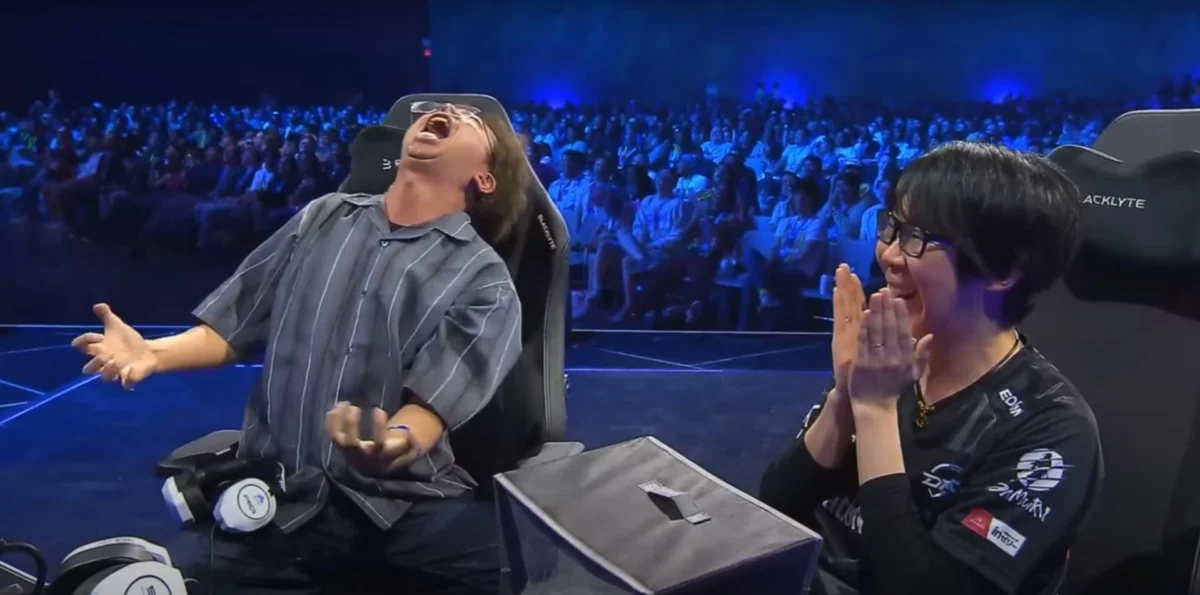
The Evolution Championship Series (Evo), long considered the undisputed "Olympics of Fighting Games," has long served as the industry’s most accurate barometer for the health of the competitive scene. For decades, the pilgrimage to Las Vegas has been a non-negotiable event for professional players and casual enthusiasts alike. However, the release of the final registration numbers for Evo 2026 has sent a ripple of concern through the community, as the data reveals a marked decline in participation across nearly every major title compared to the 2025 event.
As the dust settles on the registration portal, the numbers present a complex picture of a tournament ecosystem undergoing rapid, and perhaps painful, evolution.
The Raw Data: A Notable Downward Trend
The figures released by Evo organizers on June 12, 2026, provide the cold, hard reality of the current climate. Street Fighter 6, which serves as the premier headliner for the event, saw its registration count drop to 2,414—a significant regression from the 4,228 entrants who flocked to the tournament in 2025. This nearly 43% decrease in the game’s primary competitive circuit is echoed across other marquee titles.
Tekken 8, Guilty Gear Strive, Granblue Fantasy Versus: Rising, and the highly anticipated Fatal Fury: City of the Wolves have all experienced similar attrition in their registration pools. While Rivals of Aether 2 bucked the trend by posting higher numbers than the previous year, it stands as an outlier in a sea of shrinking brackets.
For a tournament that relies on sheer volume to generate the electric atmosphere of its Top 8 Sunday finals, these numbers are not merely statistics; they represent a fundamental shift in how the community is interacting with the premier event.
Chronology of a Transition
To understand why 2026 feels like a turning point, one must look at the recent timeline of the Evo brand.
- 2025: The "Year of Stability." Evo 2025 saw record-breaking attendance, cementing the post-COVID recovery of live events. The energy was palpable, and the growth of titles like Street Fighter 6 suggested a golden age for the genre.
- Early 2026: The acquisition of the organization behind Evo by the Saudi Arabian group RTS was finalized. This move was met with immediate, vocal, and polarizing reactions across social media platforms, including X, Reddit, and Bluesky.
- May 2026: Evo Japan took place, marking the beginning of a more aggressive, globalized event calendar.
- June 2026: The final registration numbers for the Las Vegas event were posted, revealing the sharp decline.
- June 26–28, 2026: The scheduled dates for the live tournament.
The compression of the event calendar—shifting the Las Vegas tournament from its traditional August slot to June—has been cited by many as a primary logistical factor. The closer proximity to other international events, including the recent Evo Japan, may have created a "tournament fatigue" effect, forcing players to choose which events to prioritize based on travel costs and time commitments.
Supporting Data and Economic Realities
The decline in numbers cannot be attributed to a single cause; rather, it is a confluence of economic, political, and strategic factors.
Economic Pressures
Traveling to Las Vegas is a significant financial burden. Between airfare, hotel accommodations, and tournament entry fees, the cost of attending Evo has ballooned over the last three years. In a global economy where discretionary spending is tightening, many amateur and semi-professional players are finding it increasingly difficult to justify the expense of a trip to Nevada.
Geopolitical Considerations
The discourse on platforms like Reddit and Bluesky suggests that political sentiment is playing a larger role than in previous years. There is anecdotal evidence suggesting that international players are wary of current U.S. travel policies and administrative hurdles. Conversely, domestic players are citing the rising cost of living as a barrier that precludes the "luxury" of attending a multi-day convention.

The Dilution of the "Evo Experience"
With the expansion of the Evo brand to include more global events—such as the upcoming Evo France in October—the singular, "must-attend" status of the Las Vegas event is arguably being diluted. When the "Evo experience" is available in regional flavors, the necessity of the annual trek to the Las Vegas Convention Center diminishes.
Official Responses and Industry Silence
As of this writing, the official channels for Evo have remained largely tight-lipped regarding the specific reasons for the decline. The organization’s public messaging has focused on the excitement of the upcoming matches and the caliber of the talent participating, rather than the raw registration data.
This silence has been interpreted by many in the FGC (Fighting Game Community) as a strategic choice to avoid amplifying the negative sentiment. However, the lack of a formal acknowledgment regarding the registration dip has fueled further speculation on community forums. Industry analysts suggest that the organizers are likely viewing this as a "correction year" rather than a permanent decline, pinning their hopes on high viewership numbers to offset the drop in individual physical participants.
The Implications: Is the Fighting Game Bubble Bursting?
The implications of these numbers are far-reaching. If the world’s biggest fighting game tournament cannot draw the crowds it once did, what does that mean for the longevity of the genre?
The Viewership Test
While physical attendance is down, the true test of the tournament’s health will come during the live stream. If viewership records are broken during the final rounds of Street Fighter 6 and Tekken 8, it suggests that the "sport" of fighting games is shifting from a participatory hobby to a spectator-first industry. The spectacle remains, even if the "grassroots" participation is waning.
Developer Strategy
For companies like Capcom and Bandai Namco, the drop in participants at Evo is a warning sign. These developers use Evo as a launchpad for DLC characters and future game announcements. If the event’s reach is shrinking, these companies may begin to pivot their marketing budgets toward their own dedicated showcases or digital-first announcements, further reducing the cultural relevance of the traditional convention model.
The Future of the "Global" Model
The shift toward a more globalized Evo brand is a double-edged sword. While it brings the tournament to more people, it may ultimately cannibalize the flagship event. The next twelve months will be critical in determining whether the community can sustain multiple high-tier "Evo" events, or if the brand is spreading itself too thin.
Conclusion: A Pivot Point for the FGC
The decline in Evo 2026 registration is not necessarily a death knell for competitive fighting games, but it is undoubtedly a wake-up call. The community is evolving, and the factors of economic feasibility, brand saturation, and political climate are playing larger roles than at any time in the event’s history.
As we look toward the final weekend of June, all eyes will be on the stage in Las Vegas. The winners will be crowned, the matches will be analyzed, and the crowd will cheer. But beneath the spectacle, the organizers, developers, and fans will be watching the numbers—not just of the participants, but of the viewers—to see if the heart of the fighting game community is still beating as strongly as it did in the glory days of 2025. The challenge for Evo moving forward will be to re-establish the magic that makes the journey to Las Vegas an essential experience, or to accept a new, more fragmented reality in the global gaming landscape.
 Nana Muazin
 Layla Zulfa
 Basiran
