

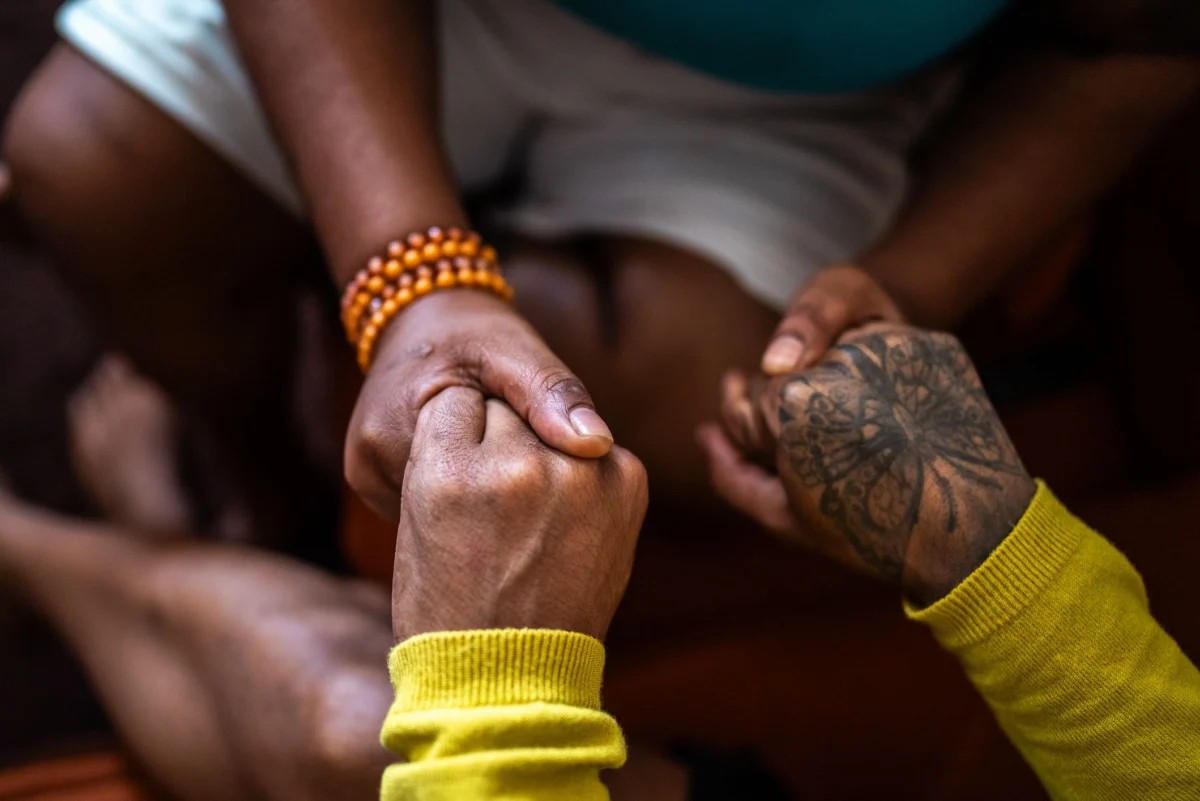
When it comes to the breast health of Black women, the statistics are not merely sobering—they are a clarion call for systemic change. The numbers tell a story of profound disparity: Black women are diagnosed with breast cancer at a younger median age (60) compared to their white counterparts (62). More devastatingly, they face a 38% higher mortality rate and consistently suffer the lowest survival rates across every clinical stage of the disease. Perhaps most concerning is the prevalence of triple-negative breast cancer (TNBC), an aggressive, difficult-to-treat subtype that disproportionately affects Black women, who are diagnosed with it at a rate of roughly one in five—the highest of any racial or ethnic demographic.
Yet, these metrics fail to capture the human reality of the crisis. They do not account for the 3 a.m. phone calls, the collective grief of head-shaving parties, the therapy sessions that dismantle trauma, or the quiet, fierce resolve of a mother looking at her children and deciding they are reason enough to survive. Black women have never been mere data points; they are individuals with careers, faith, and families who are now rewriting the blueprint for what it means to face, survive, and thrive after a breast cancer diagnosis.

The Chronology of Disparity and Resilience
The journeys of the 13 women highlighted here serve as a microcosm of the broader struggle. For many, the path to diagnosis was marked by an initial dismissal of symptoms.
Take, for instance, Marylande Regis, a 38-year-old registered nurse who found a lump shortly after breastfeeding. Despite her medical background, she was initially told by an on-call provider that it was likely a clogged milk duct and that she was "too young" for it to be serious. Her persistence—demanding a follow-up appointment—led to a diagnosis of aggressive stage 2B, BRCA1-positive breast cancer.

Similarly, Taylor Johnson, a 30-year-old content creator, was initially denied a mammogram due to her age. Like Regis, she advocated for herself, insisting on a biopsy that confirmed stage 2 triple-negative breast cancer. These stories form a recurring chronology: early warning signs met with systemic skepticism, followed by a pivot toward aggressive, life-saving treatment. For Monique Bass, the journey began with a lump that was biopsied three times as "benign" over three years. Her refusal to accept the status quo ultimately led to the discovery of invasive ductal carcinoma.
Supporting Data: The Anatomy of Inequality
The clinical reality for Black women is complicated by a intersection of biological and socioeconomic factors. According to the National Breast Cancer Foundation, the higher incidence of TNBC in Black women is a significant driver of the survival gap. TNBC does not respond to common hormone-based therapies, leaving patients with fewer treatment options.
.jpg)
Furthermore, these clinical outcomes are compounded by what sociologists call "the weathering effect"—the cumulative impact of chronic stress and systemic inequality on the body. Ricki Fairley, who was diagnosed with stage 3A TNBC at 55, believes that the stress of her professional life contributed to her illness. "I had to learn that my peace is nonnegotiable," she reflects. After surviving metastatic breast cancer, Fairley went on to co-found the Black Breast Cancer Alliance to bridge the gap in clinical resources and patient advocacy.
The Role of Advocacy and Community
Across these stories, a common theme emerges: the transition from patient to advocate. These women have built networks of support that the medical system often lacks.

- Monique Bass launched What’s Behind the Bra?, a nonprofit distributing comfort care packages and hosting a weekly podcast for survivors.
- Annita White, having earned her PhD following her recovery, now works as an administrator and mentor within the African American Breast Cancer Alliance.
- Annette Colden transformed her own experience with stage 0 breast cancer into a mission of service, providing 3 a.m. emotional support to women currently in treatment, honoring the legacy of her late sister who passed away from the disease.
These grassroots efforts are essential. As Jessica Ncube, a licensed clinical social worker, notes, "As a Black woman, there is a resilience that is almost ingrained in us. I had to learn how to balance that resilience with softness." This "softness"—the ability to accept help, to prioritize rest, and to demand quality care—is becoming a vital tool for survival.
Official Responses and Clinical Implications
The medical community is slowly acknowledging the need for culturally competent care. The experiences of these women highlight the urgent need for:

- Lowering Screening Ages: Given the younger median age of diagnosis for Black women, current guidelines that rely on age-based thresholds often miss early-stage cancers.
- Addressing Bias in Pain Management and Diagnosis: The pattern of Black women being told they are "too young" or that their symptoms are "likely benign" points to a systemic bias that requires rigorous clinical training to overcome.
- Holistic Support Systems: Clinical outcomes are significantly improved when patients have access to mental health resources. Patricia Fox, who utilized therapy to cope with her diagnosis at 26, emphasizes that in the Black community, where therapy is often stigmatized, normalizing mental health support is a critical component of physical recovery.
A New Blueprint for Survival
The stories of these 13 women—including Jaqueline Beale, who used humor as a clinical buffer; Judy Fambrough-Billingsley, who drew on her Civil Rights activism to fight her diagnosis; and Ameiko Newman, who designed scarves specifically for chemo patients—serve as a testament to the power of agency.
They are no longer waiting for the healthcare system to define their outcomes. They are defining them for themselves. By sharing their experiences, they are creating a legacy for the next generation of Black women. As Annita White poignantly puts it, "What once felt like the end became the beginning of something greater."

Key Takeaways for Patients and Providers
- Trust Your Intuition: If you feel something is wrong, advocate for a second opinion, even if a mammogram or ultrasound appears clear.
- The Power of Community: Survivors who plug into networks like the African American Breast Cancer Alliance often report better mental health outcomes and access to navigation resources.
- Redefining Strength: Strength is not just "holding it together." It is the courage to seek therapy, the willingness to ask for help, and the commitment to prioritizing one’s own life over professional or societal expectations.
As the medical field continues to study the biological underpinnings of why breast cancer hits Black women harder and younger, these women are proving that clinical data is only half the story. The other half is written in the lives they are actively reclaiming, the communities they are building, and the voices they are raising to ensure that no Black woman has to navigate the darkness of a diagnosis alone.
In the end, the most powerful intervention may not be a new drug or a novel screening technique—though those are necessary—but the collective refusal to be reduced to a statistic. By centering the lived experience of these survivors, the medical community and the public at large can begin to dismantle the barriers that have for too long stood between Black women and their long-term health.
 Asro
Asro
 Suro Senen
 Azzam Bilal Chamdy
