

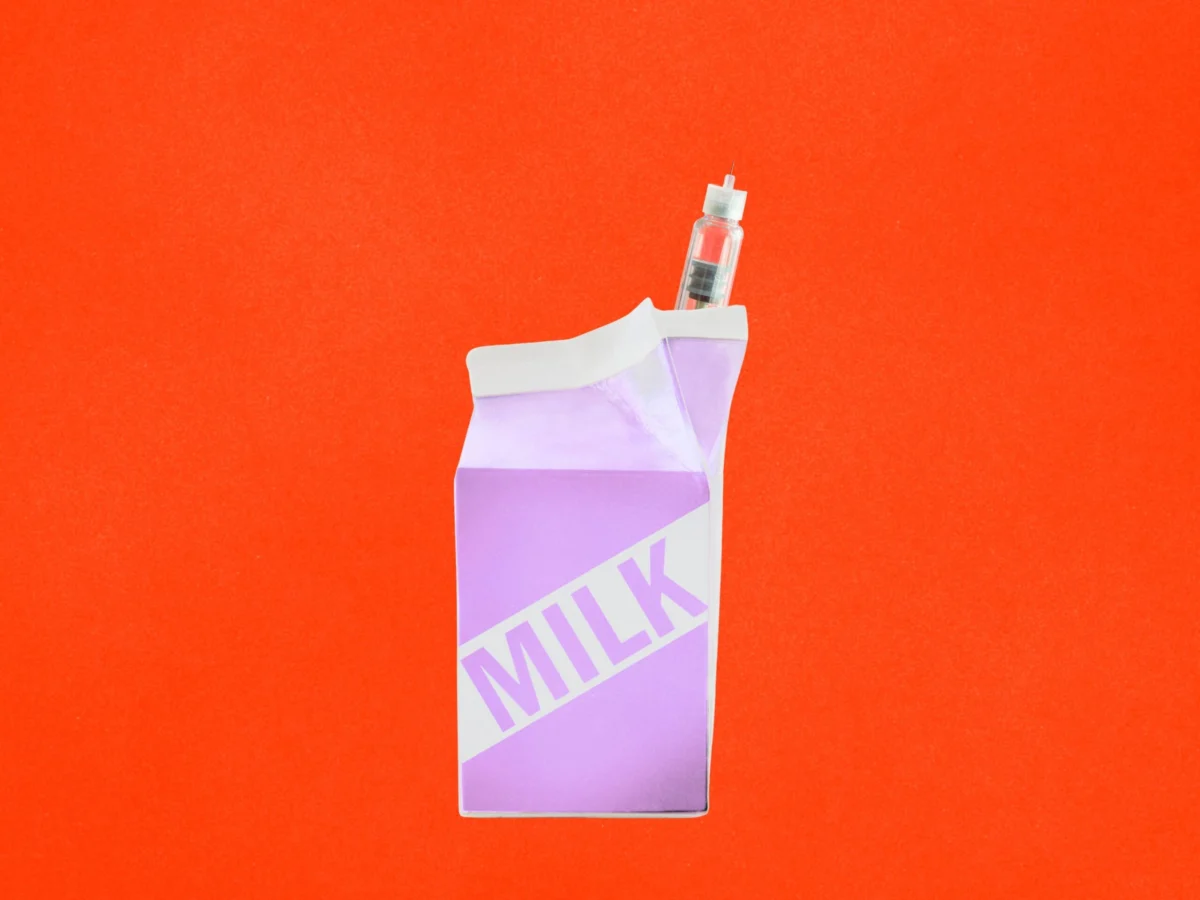
In the quiet corners of refrigerators across the country, tucked behind jars of pickles, boxes of baking soda, and empty containers of store-brand probiotics, a modern medical phenomenon is hiding in plain sight. For thousands of women, the journey toward weight loss via GLP-1 receptor agonists—like Wegovy and Ozempic—is no longer a shared health endeavor. It has become a clandestine operation, marked by complex ruses, stashed supplies, and a pervasive, lingering silence.
As these medications have surged in popularity, so too has the cultural stigma surrounding them. While the medical community celebrates the efficacy of these drugs in treating obesity and metabolic dysfunction, the social reality for many patients is far more fraught. For many, the choice to medicate is private, and the fear of judgment from partners, family, and even primary care physicians has turned these life-changing treatments into "closeted" medical interventions.
The Anatomy of Secrecy: A Case Study
For 34-year-old Caroline, a resident of Montreal, the initial decision to use Wegovy was transparent. When she first began the treatment, she was open with her mother, her close friends, and her boyfriend. Over a six-month period, she successfully shed 30 pounds, returning to her "original" weight of 100 pounds. Despite her satisfaction, her inner circle grew concerned, worried that the rapid transformation might be taking a toll on her health.
"I had tried every way under the sun to lose weight," Caroline told SELF. "I was really tired of trying."
When she discontinued the medication, the reality of the drug’s metabolic mechanism hit her hard: she regained 10 pounds in just four weeks. Realizing that the medication was a maintenance requirement rather than a quick fix, Caroline opted to restart her regimen. This time, however, she chose a different path: total secrecy.
Living with her boyfriend has necessitated a high-stakes game of hide-and-seek. Because Wegovy requires refrigeration, she is forced to stash her pens in the back of the fridge, often hidden behind innocuous items. Even when traveling, the anxiety persists—she must find ways to transport and store the medication in hotel mini-fridges or the homes of her in-laws without detection. "I’m hiding stuff in my parents-in-law’s fridge, hoping they won’t see them," she admits. "It’s super awkward."
A Growing Trend: The "GLP-1 Underground"
Caroline’s experience is far from isolated. On digital forums like the r/GLP1microdosing subreddit, the "how-to" of hiding medical supplies has become a common topic of discussion. Women share inventive camouflage tactics: concealing vials inside tomato paste boxes, play-food containers from children’s toy kitchens, opaque feta cheese tubs, and even empty supplement bottles.
This isn’t merely a hobby for the anxious; it is a calculated response to a social climate that often views weight-loss medication as a "shortcut" or a moral failure rather than a medical intervention.
Dr. Kia Mitchell, a physician specializing in family and obesity medicine in Jacksonville, Florida, notes that this pattern is increasingly common in her practice. "There’s this loss of control with the gaining of the weight, but being able to control the narrative around weight loss has been empowering," Dr. Mitchell explains. "By keeping it secret, they regain a sense of agency. They can choose when and how to reveal their progress—or not reveal it at all."
The Telehealth Revolution and the Doctor-Patient Gap
The rise of telemedicine platforms like Hims & Hers and Ro has undeniably lowered the barrier to entry for weight-loss medications, but it has also created a dangerous information vacuum. These platforms offer convenience, yet they often bypass the long-term, holistic relationship typically formed with a primary care physician.
For patients like Caroline, this convenience is a double-edged sword. She currently uses ChatGPT to cross-reference her weight-loss medication with other prescriptions she takes, such as Accutane and Ritalin, because she is too anxious to disclose her GLP-1 use to her actual doctor. "I use ChatGPT as my doctor at this point," she confesses. "I say, ‘Hey, this is my actual weight, what type of dosage is okay to take with other drugs?’"
Dr. Craig Primack, the head of weight loss at Hers, acknowledges the complexity of the situation. While the company encourages patients to consult their primary care doctors, he admits that the platform’s primary draw is the removal of the bias and stigma often encountered in traditional clinical settings. "One reason we are here is because people are uncomfortable going to talk to their primary care doctor about it," Primack notes.
The Psychological and Physical Implications
The secrecy surrounding GLP-1 use carries significant risks, both psychological and physiological.
The Medical Risks
From a medical standpoint, hiding medication from a primary physician can be dangerous. GLP-1s can interact with other drugs, alter the absorption rates of oral medications, and present risks during pregnancy. Furthermore, as Dr. Mitchell points out, the chronic stress of maintaining a secret can be counterproductive to the very health goals the patient is trying to achieve. "When someone is trying to lose weight, we want their stress hormones to be as low as possible," she says. "If you’re living in a state of hyper-vigilance, you’re fighting an uphill battle."
The Relationship Dynamic
When secrets are kept from partners, the impact on the relationship can be profound. Dr. Primack observes that weight and physical appearance are inextricably linked to the "persona" a person holds within a couple. When that dynamic shifts rapidly due to weight loss, it can trigger jealousy, insecurity, or confusion in a partner. For some, the secrecy is a defensive shield against these inevitable shifts in the relationship power structure.
Strategies for Transparency
Despite the fears, experts suggest that the "secret-keeping" approach is ultimately unsustainable. Dr. Rachel Goldman, a clinical psychologist specializing in weight management, emphasizes that the goal should eventually be an open, honest dialogue.
"Framing it around their own experience and needs can make the conversation feel more manageable," Dr. Goldman advises. She suggests that patients "lead with their own personal experience" using "I" statements, focusing on their health goals rather than the specific medication.
Key steps for those considering "coming out" about their treatment include:
- Define the "Why": Understand your personal motivations for taking the medication to communicate them with confidence.
- Scripting: Practice how to explain your journey before engaging in the conversation.
- Set Boundaries: Define what you need from your partner—whether it is active support, simple acknowledgment, or space to handle the journey independently.
- Anticipate Reactions: Recognize that a partner’s initial shock or skepticism may be a reflection of their own biases and that they may require time to process the information.
Conclusion: The Path Forward
The trend of hiding GLP-1 medications reflects a broader cultural failure to treat obesity with the same empathy and scientific rigor as other chronic conditions. While the convenience of telemedicine has allowed many to bypass the initial hurdles of seeking care, it has also highlighted a growing need for better education and less stigmatization.
As for Caroline, she remains in a state of conflict. She does not like the idea of relying on medication indefinitely, yet she fears the return of the weight she worked so hard to lose. She is left to navigate the tension between her desire for bodily autonomy and the societal pressures that make her health journey a source of shame. Until the medical and social discourse around obesity medication shifts from judgment to understanding, the "hidden habit" will likely continue to thrive behind the closed doors of our kitchens.
 Asro
Asro
 Suro Senen
 Azzam Bilal Chamdy
