

In the volatile landscape of the global spirits industry, few brands have navigated as complex a journey as Louisiana’s Bayou Rum. Born in the heart of sugarcane country, the brand has spent the last decade carving out a niche for itself as a premium American craft spirit. However, the current chapter of its history is being written against the backdrop of significant corporate instability. Following a tumultuous 2024 that saw its parent company, Stoli Group USA, file for Chapter 11 bankruptcy, Bayou Rum has emerged this week with a definitive statement of intent: a comprehensive brand relaunch, a overhauled distillation process, and a strategic pivot aimed at securing its future in an increasingly crowded and cost-conscious market.
The Chronology of a Corporate Crisis
The story of Bayou Rum’s current transition cannot be decoupled from the financial woes of its parent entity. Established in 2013 in Lacassine, Louisiana, the distillery quickly garnered acclaim for its authentic, terroir-driven approach to rum production. Stoli Group USA recognized the potential of this craft gem, acquiring the brand in 2015 to bolster its diverse spirits portfolio.
The relationship expanded further when Stoli acquired the prestige whiskey brand Kentucky Owl in 2017. For several years, the synergy between these brands seemed promising. However, the economic headwinds of the post-pandemic era, combined with aggressive expansion, culminated in a sobering reality in the fall of 2024, when Stoli Group USA filed for Chapter 11 bankruptcy.
The legal drama intensified in January 2025. Stoli Group filed a motion for Chapter 7 liquidation—a move that would have effectively shuttered the brands and sold off their assets to satisfy creditors. In a pivotal ruling, a federal judge denied the bid, instead appointing Chapter 11 trustees to oversee the operations and financial restructuring of both the distillery and the whiskey arm. This judicial intervention signaled that, while the corporate structure was in distress, the underlying businesses were viewed as viable assets worth salvaging.
Adding to the legal complexities, the parent company found itself embroiled in a high-profile trademark dispute. In early 2025, the McIlhenny Company—the legendary family-owned house behind Tabasco hot sauce—filed a lawsuit against Stoli. The litigation centers on Stoli’s "Halapeño" flavored vodka, which McIlhenny claims infringes upon their long-standing trademark protections. This ongoing legal battle has cast a long shadow over the Stoli Group’s marketing efforts, forcing the organization to focus heavily on legal defense even as its core brands attempt to pivot toward growth.
The Relaunch: A Shift in Distillate Philosophy
Despite the turmoil at the corporate level, the boots-on-the-ground reality at the Bayou Rum distillery has remained remarkably focused. According to reports surfacing from The Spirits Business, the brand is initiating a significant technical shift starting this month.
The primary change concerns the brand’s flagship expressions: Bayou White and Bayou Spiced. For the first time since the distillery’s inception, the liquid inside the bottle is changing. Reiniel Vicente Diaz, the second-generation master distiller at Bayou, noted that the distillery has moved away from a strictly 100-percent pot still distillate.
Historically, Bayou Rum was celebrated for its heavy, oily, and intensely flavorful profile—a hallmark of the pot still method. While cherished by rum purists and connoisseurs, this profile can be polarizing for the casual consumer or the home bartender looking for a versatile base for cocktails. The new recipe introduces a blend of column-still and pot-still distillate. By integrating column-still rum, the brand aims to create a lighter, cleaner, and more mixable spirit.
This transition represents a fundamental shift in the distillery’s identity. While the brand has historically marketed itself on the robustness of its pot-still heritage, the new strategy acknowledges the market’s demand for accessibility. By blending the two styles, Bayou hopes to lower the barrier to entry for consumers who find pure pot-still rums too aggressive for standard mixed drinks like the Mojito or the Daiquiri.

Market Implications and Competitive Positioning
The spirits market in 2025 is a far cry from the environment of 2013. Consumers are facing increased price sensitivity, and the "premiumization" trend that defined the previous decade is being tempered by a demand for "attainable luxury." Bayou Rum’s decision to lower the price point for its White and Spiced expressions is a calculated move to capture market share from larger, mass-produced rum brands that dominate the mid-tier shelf space.
By streamlining the production process to include column-still output—which is generally more efficient and cost-effective to produce at scale—Bayou is positioning itself to be more competitive in retail settings. This is a critical move, as the brand must prove its profitability to the Chapter 11 trustees overseeing its restructuring. A brand that can maintain its craft "soul" while offering a more affordable, versatile product is more likely to survive the current bankruptcy proceedings and emerge as an attractive asset for potential future buyers.
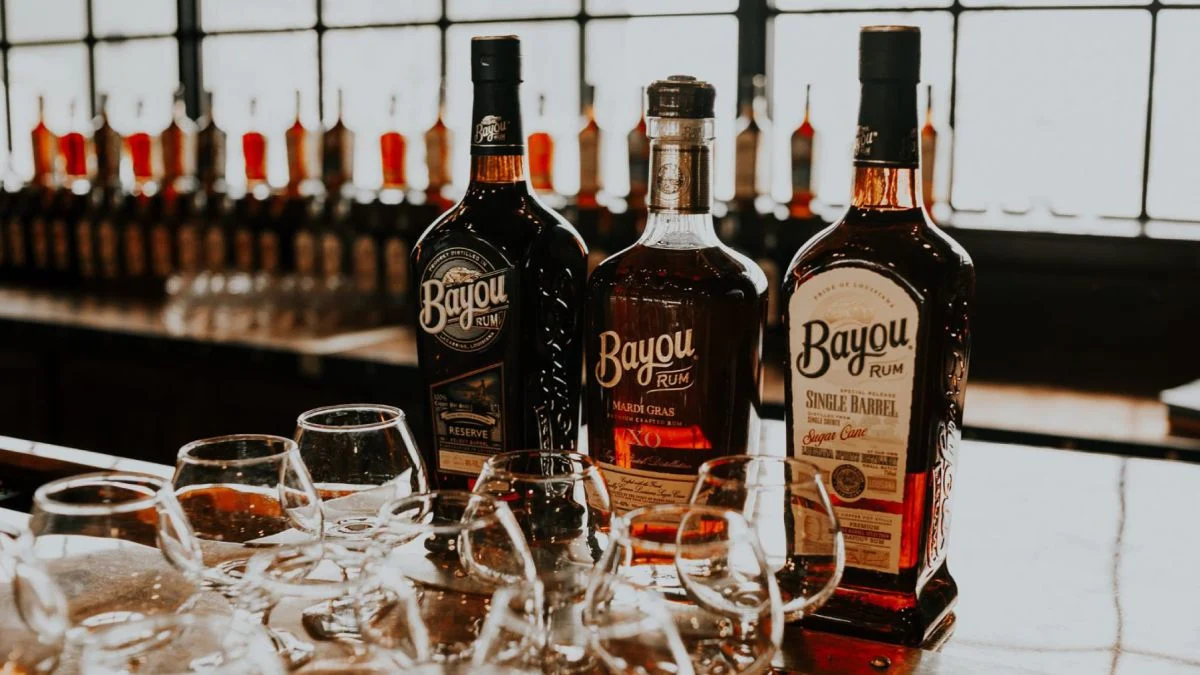
Interestingly, the more premium tiers of the Bayou portfolio—the Reserve, which undergoes a four-year aging process in bourbon barrels, and the XO Mardi Gras, finished in PX sherry casks—appear to be immune to this recipe change. By leaving these expressions untouched, the distillery is signaling that it intends to maintain its reputation among enthusiasts while simultaneously casting a wider net with its core products.
Official Responses and Lingering Questions
While the distillery has been transparent about the change in recipe, several questions remain regarding the production logistics. The brand’s official literature continues to emphasize the presence of pot stills on-site in Louisiana. However, the introduction of column-still rum raises questions about whether this spirit is being distilled at the Lacassine facility or sourced from elsewhere.
When contacted for comment, representatives for the distillery provided limited insight into the origin of the column-still components. This ambiguity is common during periods of corporate restructuring, where supply chain logistics are often in flux. Industry analysts suggest that if the column-still spirit is indeed sourced, it would be a significant departure from the brand’s "estate-grown" narrative, which has long been a pillar of its marketing.
For the consumers, the proof will be in the glass. The transition from a heavy, oily pot-still rum to a blended, lighter expression is a risky maneuver. It risks alienating the loyal base that helped the brand survive its first decade, even as it seeks to capture a larger audience of cocktail enthusiasts.
Conclusion: A Turning Point
The relaunch of Bayou Rum is more than a change in recipe; it is a microcosm of the current state of the American craft spirits industry. As the craft bubble matures, brands are finding that having a "great product" is no longer enough to insulate them from macroeconomic pressures and corporate mismanagement.
For Bayou Rum, the goal is clear: survive the bankruptcy process by proving it can adapt to the modern palate and compete on price. If the new, lighter recipe succeeds in bars and home kitchens across the country, the brand may find itself on a path to stabilization. If, however, the brand loses its identity in the process of becoming "more mixable," the relaunch could backfire, leaving it without its original supporters and unable to gain the mass-market traction it requires.
As the industry watches the ongoing saga of Stoli Group and its subsidiaries, Bayou Rum stands at a crossroads. Its ability to navigate this transition will serve as a bellwether for other craft distilleries facing similar financial headwinds. Whether this is a brilliant pivot or a dilution of a once-great spirit remains to be seen, but one thing is certain: the next few months will be the most critical in the brand’s ten-year history. The distillery, much like the rum itself, is being put to the test, and the outcome will dictate the future of one of Louisiana’s most ambitious spirits ventures.
 Evan Lee Salim
 Asep Darmawan
 Laily UPN
