

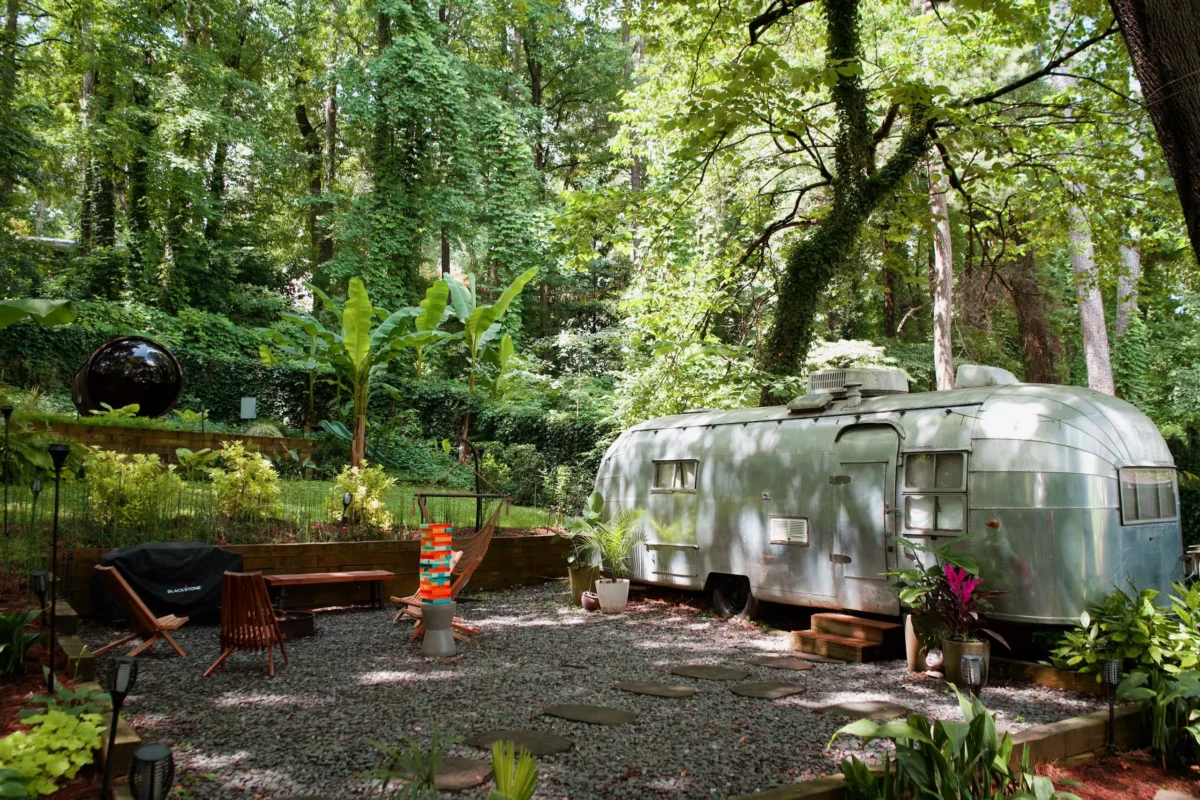
After a long winter spent tethered to the relentless glow of digital screens and the rigid architecture of urban schedules, a collective wanderlust is beginning to stir. As the nation approaches its 250th anniversary, there is a palpable pivot toward rediscovering the foundational pleasures of the American landscape. For travelers seeking a departure from the sterile predictability of standard hotel chains, the answer has arrived in the form of a polished, aerodynamic relic of the 1930s: the Airstream trailer.
No longer relegated to the realm of dusty highway curiosities, these "silver bullets" have been reclaimed, restored, and repositioned as the premier choice for the modern, design-conscious traveler. From the sun-drenched, boulder-strewn vistas of Joshua Tree to the verdant, mist-covered hollows of upstate New York, the Airstream rental has emerged as the ultimate vehicle for slow travel.
The Main Facts: A Return to Iconic Freedom
The resurgence of the Airstream is not merely a trend of nostalgia; it is a fundamental shift in how we perceive luxury travel. While high-thread-count sheets and marble bathrooms remain the standard for luxury, a new demographic of travelers is redefining "high-end" to include autonomy, immersion in nature, and the aesthetic integrity of mid-century design.
These are not the cramped, leaky campers of the past. Today’s top-tier Airstream rentals are meticulously curated experiences. Owners have transformed these compact, aluminum-clad shells into masterclasses in efficiency and style. Guests are increasingly trading the hotel lobby experience for private, outdoor soaking tubs, vintage vinyl collections, artisanal kitchenettes, and panoramic decks that bring the wild—safely and comfortably—to their doorstep.
The appeal is binary: it is simultaneously an homage to the "Roadside Americana" ethos that defined mid-20th-century exploration and a response to the modern burnout that demands a digital detox. By choosing a stationary Airstream Airbnb, guests are opting for a curated aesthetic experience that honors the craft of the original design while providing the creature comforts of a boutique hotel.
A Chronological Evolution: From Highway Nomad to Boutique Icon
The 1930s–1950s: The Birth of a Legend
The Airstream’s history is rooted in the ingenuity of Wally Byam, who sought to create a trailer that would glide through the wind like a stream of air. By the 1950s, the silver trailer became a symbol of post-war prosperity and the democratization of the American road trip. It represented the freedom to take one’s home into the heart of the national park system.
The 1970s–1990s: The Period of Decline and Restoration
As the 20th century closed, many vintage Airstreams fell into disrepair, becoming permanent fixtures in rural backyards or abandoned in desert lots. However, the early 2010s saw the rise of the "Van Life" movement, which prioritized minimalist living and mobility. This cultural shift laid the groundwork for the current "Airstream Renaissance."
2020–Present: The Airbnb Era
The pandemic served as the final catalyst. With travel restrictions and a heightened desire for secluded, private accommodations, the demand for unique, self-contained travel units skyrocketed. Savvy entrepreneurs began purchasing, gutting, and custom-restoring these vintage units. They didn’t just renovate them; they redesigned them with an eye for "Instagrammable" minimalism—blending blonde wood interiors, Moroccan tiles, and high-end textiles into the iconic aluminum frame.
Supporting Data: The Economics of the Silver Escape
The rise of the Airstream as a rental asset is backed by strong market signals. According to recent hospitality data, short-term rentals that offer "unique architecture" or "nature-integrated living" command a 20% to 35% premium over standard residential listings.
- Occupancy Rates: Airstream-specific rentals consistently report higher occupancy rates during shoulder seasons (spring and fall) compared to traditional vacation homes, largely due to their "experience-first" nature.
- The "Superhost" Factor: On platforms like Airbnb, trailers with design-forward restorations are significantly more likely to achieve "Guest Favorite" or "Superhost" status. This is attributed to the "novelty effect"—guests are more likely to leave detailed, enthusiastic reviews for a memorable, unique space than a generic apartment.
- Sustainability: There is an inherent sustainability narrative. By repurposing 50-year-old shells rather than constructing new buildings, these rentals appeal to the environmentally conscious traveler who prefers adaptive reuse over new development.
Official Responses and Industry Sentiment
Hospitality experts suggest that the Airstream trend is not a bubble, but rather a reflection of the "Experience Economy."
"We are seeing a move away from ‘service-heavy’ luxury toward ‘autonomy-heavy’ luxury," says Marcus Thorne, a travel industry analyst. "People are tired of being processed by large hospitality corporations. An Airstream offers a sense of ownership, even if just for three days. You aren’t a guest in a room; you are a resident of a landscape."
In an official statement regarding the growth of niche travel experiences, a spokesperson for a leading short-term rental platform noted: "Travelers are increasingly seeking accommodations that serve as the destination itself. The Airstream is the perfect intersection of architecture, history, and adventure. It allows us to provide a sense of place that a standard hotel room simply cannot replicate."
Implications: The Future of Roadside Tourism
The shift toward Airstream-centric travel has significant implications for both the tourism industry and the broader American landscape.
1. The Revitalization of Rural Economies
Many of the most popular Airstream sites are located in under-served rural communities or on the fringes of national parks. This shift redirects tourism dollars away from centralized city hubs and into smaller towns, supporting local businesses, farmers’ markets, and artisan shops that would otherwise be bypassed by travelers staying in suburban hotel corridors.
2. A New Standard for Design
The success of these rentals is forcing boutique hotels to rethink their own design strategies. The "Airstream aesthetic"—characterized by light-filled spaces, multi-functional furniture, and seamless indoor-outdoor transitions—is now appearing in the architectural briefs for new glamping resorts and cabin retreats. The "trailer" has essentially taught the hospitality industry how to maximize luxury in a smaller footprint.
3. The Digital Detox Mandate
Perhaps the most profound implication is the social one. Airstreams are rarely equipped with large televisions or complex home automation systems. Instead, they are equipped with firepits, hammocks, and silence. This creates a de facto "digital detox" environment. By booking an Airstream, travelers are subconsciously opting out of the "always-on" culture, effectively reclaiming their downtime.
Conclusion: Why Now?
As we look toward the summer of 2026, the appeal of the Airstream is clear. It is a bridge between our collective past and our need for a more intentional future. In an era where everything is mass-produced and optimized for efficiency, the vintage Airstream stands as a defiant, gleaming reminder that the journey is just as important as the arrival.
Whether you are seeking the stark, meditative silence of the Joshua Tree desert or the lush, canopy-covered quietude of a Catskills forest, these trailers provide more than just a bed for the night. They provide a frame through which to view the world—one window, one sunset, and one mile at a time. The silver trailers have returned to the road, and they are taking the soul of American travel with them.
 Sagoh
Sagoh
 Asro
Asro
