

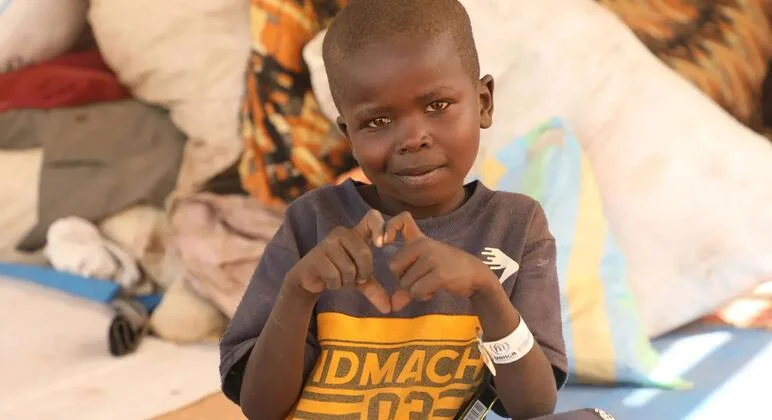
As the world marks World Refugee Day on June 20, the United Nations has issued a clarion call for a fundamental shift in how the international community approaches the rights, dignity, and long-term futures of the millions of people forced to flee their homes. Amidst a landscape of deepening global divisions and escalating, protracted conflicts, the UN is urging world leaders to move beyond temporary humanitarian band-aids and toward sustainable solutions that empower refugees to rebuild their lives.
The Human Face of Displacement: Main Facts
At the heart of the UN’s message is a reminder of the human cost of global instability. Barham Salih, speaking ahead of the observance, emphasized that refugees are not merely subjects of humanitarian statistics; they are neighbors, students, artists, entrepreneurs, and leaders. "Given the opportunity, they rebuild their lives and help strengthen the societies around them," Salih noted, highlighting the transformative potential of refugees when integrated into their host communities.
The 2024 observation of World Refugee Day is particularly significant, as it coincides with the 75th anniversary of the 1951 Refugee Convention. This landmark treaty, born from the ashes of the Second World War, established the fundamental legal framework for the right to seek safety from persecution and conflict. Today, however, that right is being tested by a world characterized by what UN Secretary-General António Guterres describes as "turbulent times." With millions of women, children, and men seeking sanctuary far from home, the international consensus that once underpinned the protection of refugees is facing unprecedented strain.
A Legacy of Protection: Chronology of the Refugee Convention
The 1951 Refugee Convention remains the cornerstone of international refugee law. Its inception followed the catastrophic displacement caused by World War II, marking a global recognition that sovereignty cannot supersede the basic human right to life and safety.
- 1951: The Convention Relating to the Status of Refugees is adopted, defining who is a refugee and the legal obligations of states to protect them.
- 1967: The Protocol Relating to the Status of Refugees is added, removing the time and geographical restrictions of the 1951 Convention, making it a universal instrument.
- The Decades of Growth: Throughout the late 20th century, the mandate evolved to address the complexities of post-colonial conflicts, ethnic cleansing, and civil wars.
- 2024: The 75th anniversary serves as a critical juncture. The UN is using this milestone not just for reflection, but as a pivot point for a more ambitious, modernized strategy aimed at long-term integration rather than perpetual encampment.
The "50 by 35" Vision: Supporting Data and Strategic Goals
One of the most significant announcements tied to this year’s commemoration is the UNHCR’s ambitious goal to reduce by half, within the next decade, the number of refugees living in protracted displacement and reliant on humanitarian aid.
Currently, millions of refugees are trapped in a cycle of dependency. While humanitarian aid is indispensable during the initial stages of a crisis, it is rarely a long-term solution. The UNHCR’s 50 by 35 vision—an objective aimed at achieving a 50% reduction in long-term dependency by 2035—focuses on:
- Economic Integration: Expanding access to labor markets so that refugees can become self-reliant.
- Systemic Inclusion: Integrating refugees into national health, education, and social protection systems in host countries, rather than maintaining parallel, aid-dependent structures.
- Support for Host Nations: Redirecting resources to support low- and middle-income countries that host the vast majority of the world’s displaced population.
Data from the latest Global Trends Report underscores the urgency of this strategy. With the average length of displacement reaching record highs, the "temporary" nature of refugee status has, for many, become a lifelong struggle. By shifting the focus from aid management to structural resolution, the UN hopes to restore agency to those who have been stripped of it.
Official Responses: Voices of Experience and Authority
The call to action is underscored by deeply personal reflections from leadership. Barham Salih, who experienced the trauma of fleeing repression in Iraq as a young man, speaks with the authority of someone who knows the difficulty of the choice to leave everything behind.
"Fleeing home to seek safety is one of the hardest choices anyone can make," Salih stated. He argued that the international community must ensure that the label "refugee" does not become a permanent identity. "While a person may, for a time, be defined as a refugee, becoming a refugee should not define a person’s life."
UN Secretary-General António Guterres echoed these sentiments, emphasizing that in a world where divisions are deepening, the responsibility to protect is a shared global duty. "These turbulent times call for renewed solidarity and robust action," Guterres said. He stressed that the right to seek safety is not just a legal obligation but a moral imperative that defines the character of the international community.
Beyond Borders: Implications for the Future
The implications of the current crisis are far-reaching. The theme of this year’s campaign, "Until Everyone is Safe," serves as a stark warning: the safety of the international order is inextricably linked to the protection of the most vulnerable.
The Challenge of Stereotypes
The UNHCR’s campaign is explicitly designed to dismantle the toxic narratives that often surround migration and displacement. By focusing on the contributions of refugees, the agency hopes to foster a culture of empathy. This is not merely an exercise in public relations; it is a pragmatic necessity. As host societies face their own economic and social pressures, the narrative that refugees are a burden must be replaced with the reality that, when supported, they are a vital human resource.
The Shift Toward Sustainability
The shift toward the 50 by 35 vision implies a major change in diplomatic and financial priorities. It requires:
- Political Will: Governments must prioritize the inclusion of refugees in national development plans.
- Financial Innovation: Development funding must be blended with humanitarian aid to build infrastructure that benefits both refugees and host communities.
- Legal Protections: Strengthening the commitment to the 1951 Convention in an era where some nations are moving toward isolationist policies.
A Call to Action for the Next Generation
A key component of the UN’s strategy is the mobilization of youth. Recognizing that the future of global cooperation rests with the next generation, the UNHCR is actively engaging young people to stand up for the rights of refugees. This involves education, social media advocacy, and grassroots efforts to challenge xenophobia and defend asylum rights.
As the world reflects on the 75th anniversary of the Refugee Convention, the message is clear: the promise of safety is not a relic of the past; it is an active requirement of the present. The goal of cutting long-term displacement by half is an ambitious, necessary, and achievable target—provided that the international community is willing to move from the management of crises to the resolution of causes.
"Until everyone is safe, none of us are safe," Salih concluded. This statement captures the essence of the global challenge. In an interconnected world, the failure to protect the displaced is a failure to protect the integrity of human rights for all. The coming decade will determine whether the international community can rise to meet this challenge or whether it will allow the promise of 1951 to fade into historical irrelevance. The path forward demands not just rhetoric, but a radical, renewed commitment to solidarity and action.
 Lina Hope
 Asro
Asro
 Layla Zulfa
