

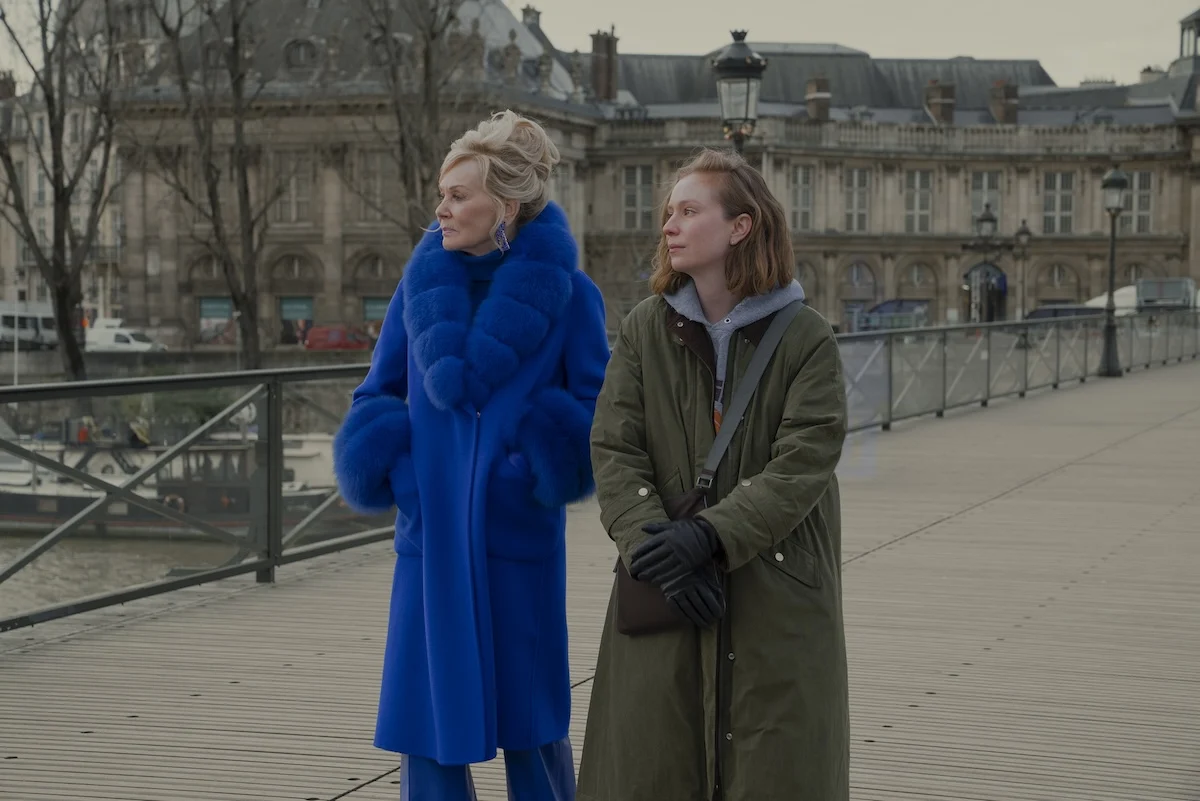
The conclusion of a critically acclaimed television series is often described as a high-wire act performed in a hurricane. For creators, the opportunity to "stick the landing" is the ultimate professional privilege, yet it carries a weight of expectation that can be paralyzing. While many shows vanish into the ether of cancellation before they can pen a proper goodbye, those that reach the finish line face a fan base whose scrutiny is as intense as their loyalty.
Recently, Jon Philpot, the veteran editor of the hit Max original series Hacks, pulled back the curtain on this high-pressure environment. During an appearance on IndieWire’s Craft Roundtables, Philpot detailed the palpable anxiety that permeated the production as the team approached what many considered the show’s most pivotal narrative juncture. His insights provide a rare look into the writers’ room and the editing suite, where the legacy of Jean Smart’s Deborah Vance and Hannah Einbinder’s Ava Daniels was meticulously—and stressfully—crafted.
Main Facts: Navigating the Pressure of a Prestige Finale
The core of the discussion centered on the immense difficulty of concluding a narrative that has become a cultural touchstone. Hacks, which follows the complicated mentorship and partnership between a legendary Las Vegas comedian and a young, outcast comedy writer, has been lauded for its sharp wit and emotional depth. According to Philpot, the creative team felt the gravity of this reputation as they worked on the Season 3 finale, which functioned with the weight and finality of a series-ending event.
"This was a huge plane to land, and it wasn’t exactly easy," Philpot remarked during the roundtable. He highlighted that the tension wasn’t limited to the post-production phase; it began in the writers’ room. The architects of the show—Lucia Aniello, Paul W. Downs, and Jen Statsky—were reportedly under significant stress to ensure the character arcs felt earned.
The challenge lay in balancing the "intergenerational" friction that defines the show with a sense of growth. Philpot noted that the editorial goal was to capture the "love-hate" oscillation of the lead duo without losing the comedic spark that keeps the show from becoming a pure drama. The final episodes required a delicate touch to show that while the characters could still "pick at one another," the underlying malice had evolved into something more profound and mutually respectful.
Chronology: The Evolution of a Complicated Partnership
To understand the anxiety surrounding the finale, one must look at the turbulent history of Deborah Vance and Ava Daniels. The show’s three-season trajectory has been defined by a cycle of betrayal and reconciliation.
Season 1: The Collision
The series began with a forced alliance. Deborah Vance, facing the loss of her Las Vegas residency, was paired with Ava, a "canceled" Gen Z writer who had nowhere else to go. This era was defined by "biting" humor and genuine animosity, as two different eras of comedy clashed. The season ended with a shocking betrayal: Ava, in a drunken rage, sent a defamatory email to British producers detailing Deborah’s flaws.
Season 2: The Road Trip and the Lawsuit
The second season saw the duo on the road, testing new material while a legal sword hung over their heads. Deborah eventually sued Ava for defamation, yet they continued to work together. This season explored the concept of professional "tough love," culminating in Deborah firing Ava—not out of spite, but to allow the younger woman to find her own success. It was a heartbreaking "breakup" that set a high bar for any future reunion.
Season 3: The Quest for Late Night
The most recent season focused on Deborah’s pursuit of a late-night hosting gig—the "one that got away" decades earlier. The reunion of Deborah and Ava was the season’s driving force, leading to a finale that saw Deborah finally ascending to the late-night throne. However, the "landing" Philpot referred to involved a massive narrative pivot: Ava blackmailing Deborah to secure her spot as head writer. This twist reconfigured their "love" into a complex power dynamic, satisfying the "intergenerational duo" trope while subverting expectations of a traditional happy ending.
Supporting Data: The Critical and Commercial Weight
The pressure Philpot described is backed by the staggering success Hacks has achieved since its 2021 debut. The show is not merely a comedy; it is a flagship for the Max streaming platform and a perennial awards contender.
- Award Dominance: Jean Smart has secured back-to-back Emmy Awards for Outstanding Lead Actress in a Comedy Series. The show itself has won multiple Emmys for writing and directing, raising the "prestige" bar for every subsequent episode.
- Critical Acclaim: Season 3 holds a rare 100% "Certified Fresh" rating on Rotten Tomatoes. When a show maintains a perfect critical score, the fear of a "subpar" finale becomes a primary concern for the creative team.
- Demographic Reach: Data indicates that Hacks successfully bridges the gap between older viewers (who identify with Deborah’s career struggles) and younger audiences (who resonate with Ava’s social anxieties). This dual-demographic appeal means the finale had to satisfy two very different sets of fan expectations.
Philpot’s role as an editor is crucial here. In comedy, the difference between a joke that "picks" and a joke that "bites" is often a matter of frames. The "supporting data" of the show’s success is built on this precision, which explains the high-stress environment Philpot described.
Official Responses: Insights from the Craft Roundtable
During the IndieWire panel, Philpot was joined by other industry leaders to discuss the technicalities of their work. His comments served as an "official response" to the fan curiosity regarding how the show’s tone is maintained.
Philpot emphasized the "beautiful thing" about seeing the characters back together in the final stretch of the season. He noted that the chemistry between Smart and Einbinder had reached a point where the humor no longer felt like they were "going after each other" in a destructive way.
"The two of them are this intergenerational duo, and it varies from season to season," Philpot explained. "They were pitted against each other and then they fell in love and then they fell out of love and now they’re back in love… It’s funny because you don’t feel like they’re going after each other."
This "back in love" sentiment, however, was tested by the finale’s darker turn. The creative team’s response to this was to ensure that the comedy remained grounded in character truth. Philpot’s editorial philosophy was to allow the "comedic moments" to breathe, ensuring that even when the characters were at odds, the audience remained invested in their bond.
Implications: The Future of ‘Hacks’ and the Prestige Comedy Landscape
The successful "landing" of the Season 3 finale—and the anxiety that preceded it—has significant implications for the future of the series and the television industry at large.
The Renewal of the Cycle
Shortly after the finale aired, Max officially renewed Hacks for a fourth season. The anxiety Philpot described was, in many ways, the fuel that allowed the show to reinvent itself. By ending the season on a note of professional blackmail and mutual respect, the creators have avoided the "stale" trap that many comedies fall into in their later years.
The "Dramedy" Standard
Hacks continues to set the standard for the modern "dramedy." Philpot’s discussion of the writers’ room stress highlights a shift in television: comedies are no longer expected to just be funny; they are expected to have the narrative complexity of a prestige drama. The "huge plane" Philpot mentioned isn’t just about jokes; it’s about the emotional resolution of a three-year character study on ambition and aging.
The Legacy of Mentorship
The show’s exploration of the "intergenerational duo" has broader cultural implications. It challenges the "Queen Bee" trope (where successful older women are seen as threats to younger women) and replaces it with a nuanced, albeit toxic, mentorship. The finale’s success proves that audiences are hungry for stories about women’s professional lives that are as cutthroat and complex as any corporate thriller.
In conclusion, Jon Philpot’s candid reflections on the Hacks finale serve as a reminder that the "magic" of television is often the result of intense, high-stakes labor. The "stress" of the writers’ room and the precision of the editing suite are what allowed Hacks to land its most difficult season yet, ensuring that Deborah Vance and Ava Daniels remain one of the most compelling—and funniest—duos in television history. As the show moves toward Season 4, the "plane" has landed safely, but the creative team has already cleared the runway for its next ambitious takeoff.
 Jia Lissa
 Lina Irawan
 Iffa Jayyana
