

The podcast medium has long been touted as the "holy grail" of intimate audience connection. Unlike the ephemeral nature of a social media scroll or the passive consumption of broadcast television, podcasting offers a unique, long-form engagement that fosters deep trust. Yet, for years, the industry has wrestled with a fundamental paradox: while listeners report high levels of brand affinity, advertisers frequently struggle to quantify the precise mechanics of how those listeners transition from "passive audience" to "active consumer."
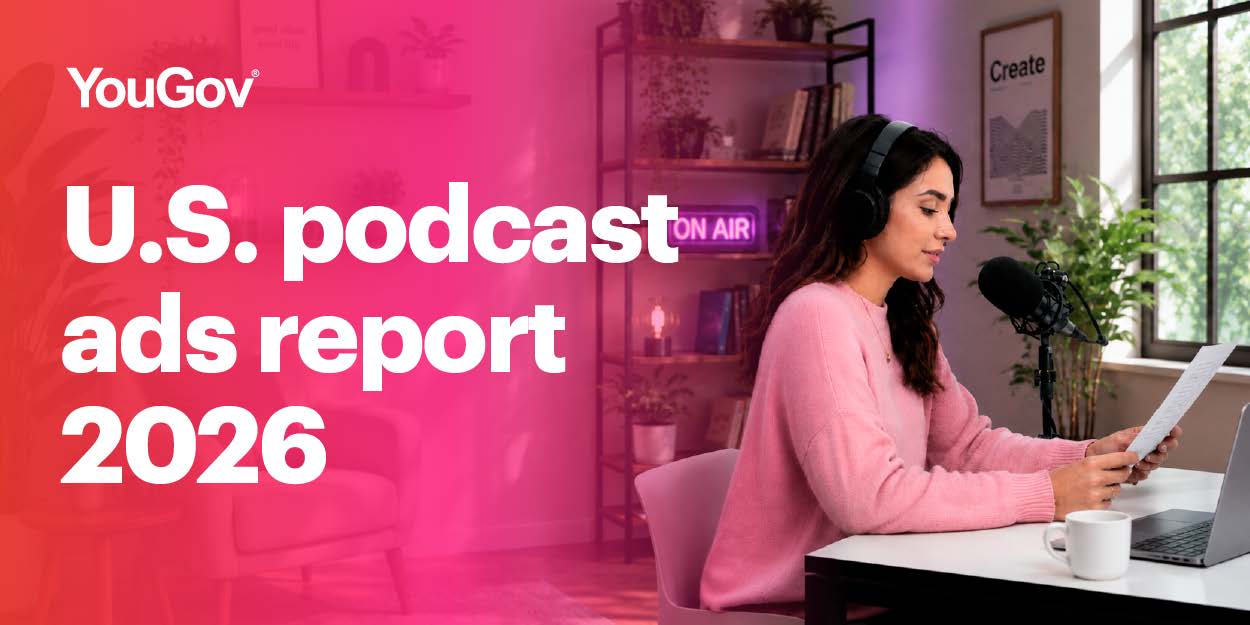
A new comprehensive study, the U.S. Podcast Ads Report 2026 from YouGov, seeks to dismantle these measurement hurdles, providing a granular look at the friction points—and the catalysts—that define the modern advertising experience.
Main Facts: The Measurement Conundrum
For years, the podcast advertising industry has relied on proxy metrics: download numbers, estimated reach, and, occasionally, vanity "vanity" URLs. However, these metrics fail to capture the reality of the listener experience. Listeners do not consume podcasts in a vacuum; they multitask, they skip through dynamic ad insertions, and they often listen while commuting, exercising, or performing household chores.
The YouGov report, based on a survey of over 1,300 U.S. adults—including a core cohort of 800+ dedicated podcast listeners—confirms that the "skip button" is merely the tip of the iceberg. The real challenge for brands is not just whether an ad is heard, but how the format, host-read versus pre-recorded nature, and context affect the listener’s cognitive processing of the brand message.
The data suggests that the "danger zone" for advertisers is no longer just the ad-break itself, but the lack of alignment between the ad creative and the listener’s intent.
Chronology of an Ad Impression: From Passive to Active
To understand the efficacy of an ad, one must track the psychological journey of the listener.

- The Intake Phase: The listener begins an episode. Depending on the platform (Apple Podcasts, Spotify, etc.), they are met with either pre-roll ads or mid-roll interruptions.
- The Decision Point: Within the first three seconds of an ad, the listener makes a subconscious decision: Does this feel like part of the show, or an intrusion?
- The Retention/Skip Phase: If the ad lacks relevance or is poorly placed, the "skip" action is deployed. If the ad is host-read or fits the tone, the listener often persists.
- The Conversion Catalyst: This is the most critical phase. The listener is moved to take action. Whether it is a search query, a website visit, or a purchase, this action often happens minutes or even hours after the initial exposure.
The 2026 report emphasizes that "real-world action" is rarely immediate. It is a lagged response, making traditional real-time attribution models increasingly obsolete.
Supporting Data: What the Numbers Say
The YouGov study reveals several striking trends that should cause marketers to rethink their 2026 strategies:

- Trust Dynamics: Host-read advertisements continue to outperform scripted spots by a significant margin. Listeners view the host as a trusted curator; when that host recommends a product, it is perceived as an endorsement rather than a sales pitch.
- The Video Podcast Effect: With the rapid rise of video-first podcasting—where platforms like YouTube have become primary consumption hubs—the rules of engagement have shifted. Video listeners are statistically more likely to engage with visual call-to-actions, yet they are also more prone to visual distraction.
- Multi-Platform Friction: The report highlights that listeners who consume content across multiple platforms (switching from Spotify on a phone to a desktop browser) often lose the "attribution trail," making it difficult for agencies to track the full customer journey.
Official Responses and Industry Sentiment
Industry leaders have reacted to the report with a mix of validation and calls for further standardization.
"We have known for a long time that the ‘skip’ is not necessarily a sign of failure, but a sign of context mismatch," says one digital media analyst. "If a listener is deep in an intense true-crime narrative, a high-energy, loud pre-recorded ad will be skipped 99% of the time. The problem isn’t the ad; it’s the lack of contextual awareness in the delivery."

Other industry experts note that the report highlights a shift toward "attention-based metrics." Rather than focusing on how many people could have heard the ad, the focus is moving toward how many people retained the message. This requires a fundamental shift in how creative agencies write for audio, favoring storytelling over traditional "interruption" tactics.
Implications for the Future of Advertising
The implications for brands are clear: the era of "spray and pray" advertising in podcasts is coming to an end.

1. The Death of the Generic Spot
Generic, high-production pre-recorded ads are seeing diminishing returns. As listeners become more sophisticated, they are demanding higher levels of personalization. Brands must prioritize creative that feels native to the podcast environment.
2. The Rise of "Contextual Intelligence"
In 2026, the most successful brands will be those using AI-driven tools to match their ad creative to the sentiment of the podcast episode. If a podcast covers a topic like mental health, the ad creative should be reflective and supportive, not jarring or disruptive.

3. Redefining Success
Marketers must move away from short-term click-through rates. The report suggests that brand lift and long-term recall are the true indicators of podcast advertising success. Brands that focus on building an ongoing presence within a specific podcast community see higher long-term conversion rates than those that buy one-off spots across a massive, untargeted network.
Industry Pulse: Spotlight on Emerging Voices
As we look at the broader landscape of podcasting, the diversity of content continues to drive engagement. New entries like Millennial Moodboard—a research-driven look at Y2K culture—demonstrate how specific, hyper-targeted content creates a "stickiness" that is invaluable for advertisers.

When comedians like Jasmine Ellis, Valerie Tosi, and Pallavi Gunalan delve into the nuances of millennial culture, they aren’t just entertaining; they are building a highly engaged audience that is a dream for demographic-specific advertising. Similarly, the success of programs like Curated by Chance highlights a growing appetite for experimental, creative formats that break the standard interview-podcast mold.
Final Thoughts: The Road Ahead
The U.S. Podcast Ads Report 2026 serves as a wake-up call for the industry. While the podcasting medium remains one of the most effective ways to reach a captive audience, the "free pass" of the early years is over.

Success now depends on a sophisticated understanding of the listener. It requires:
- Respect for the listener’s time: Reducing ad clutter and ensuring high-quality, relevant creative.
- Technological integration: Better tracking of cross-platform behavior to ensure that the "attribution gap" is closed.
- Creative evolution: Embracing the unique, intimate, and often personal nature of the audio-first relationship.
As the industry matures, those who prioritize the listener experience over the ease of ad delivery will be the ones to capture the true value of the podcasting medium. The data is in: the audience is listening, but they are no longer just listening—they are evaluating. And for brands, the only way to remain in the conversation is to provide as much value as the content itself.

For more insights into the evolving landscape of podcast advertising, the full YouGov report is available for download, providing a blueprint for the next phase of audio-first marketing.
 Asep Darmawan
 Jia Lissa
 Neng Nana
