

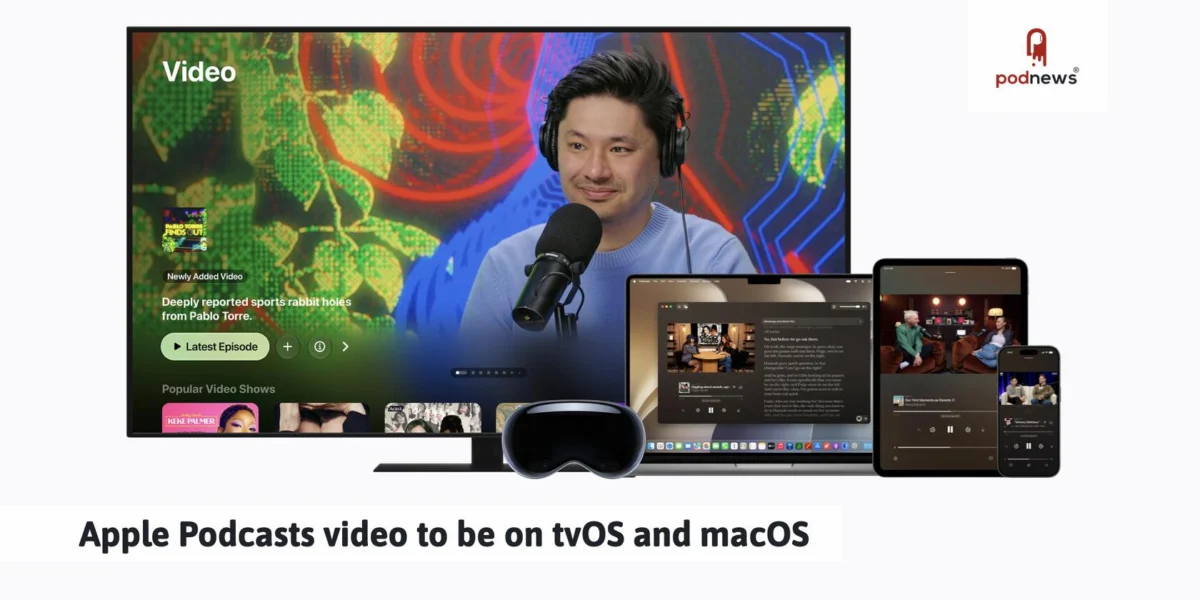
The podcasting industry stands at a critical juncture, defined by a dual-front transformation: the aggressive expansion of visual integration in listening platforms and a recalibration of how audiences discover and consume content across international markets. As Apple continues to signal that its future is as much visual as it is auditory, the industry is witnessing a shift in production standards, audience engagement strategies, and the very definition of what constitutes a "podcast."
Main Facts: The Visual Pivot
At the heart of the current industry discourse is Apple’s recent strategic push to normalize video podcasts across its ecosystem. Long the standard-bearer for audio-only distribution, Apple Podcasts is now actively promoting video across multiple surfaces. This move is not merely a technical update; it is a fundamental shift in the medium. By seamlessly blending high-definition video with traditional audio feeds, Apple is directly competing with YouTube’s dominance in the "podcasting-as-video" space.
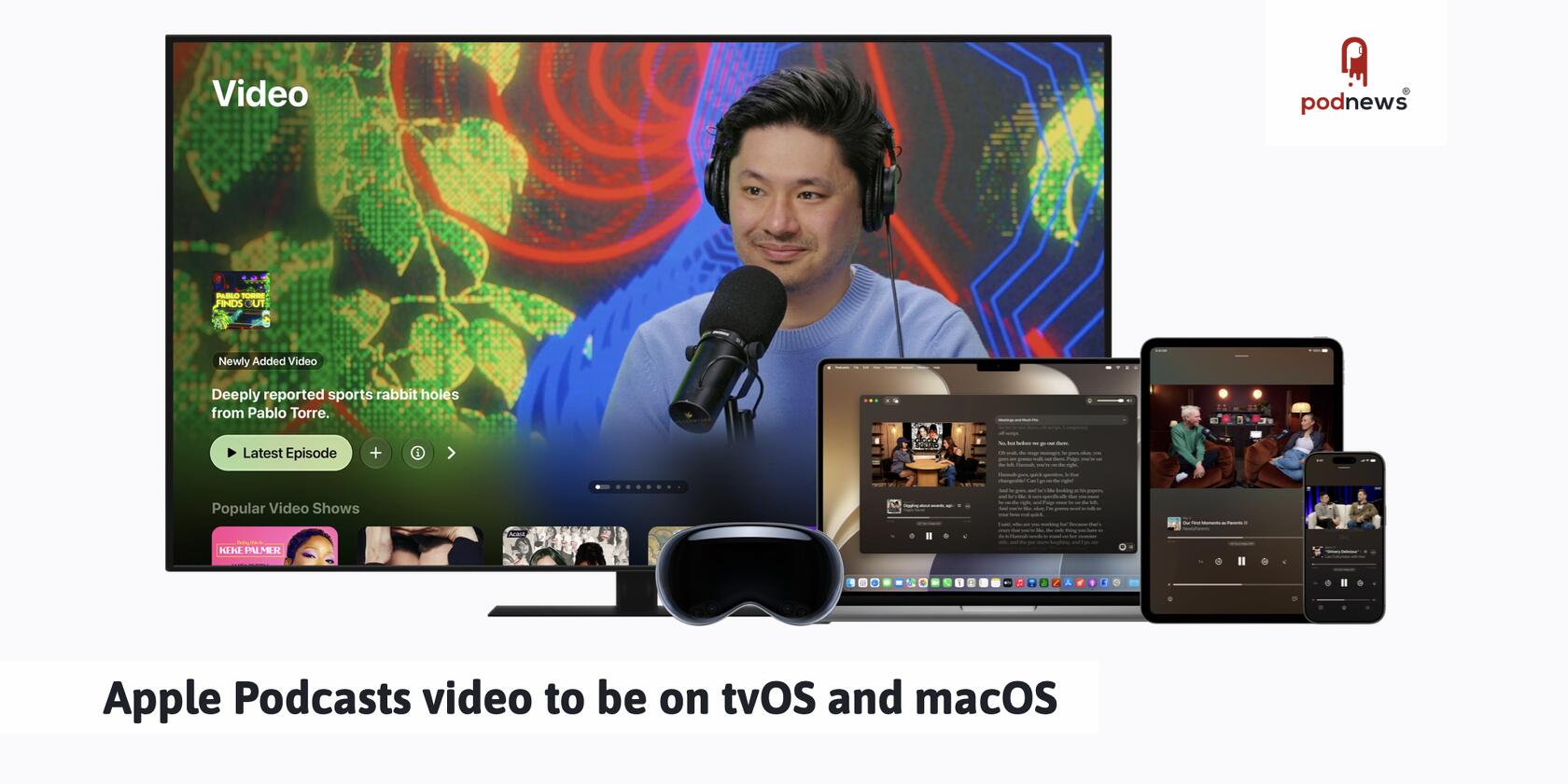
This development forces creators to reconcile two different production workflows. Producers are no longer just audio engineers; they are now videographers and editors, tasked with ensuring that content remains engaging for the "viewer-listener" who may transition from a desktop interface to a mobile device mid-stream.
Chronology of the Current Climate
To understand how we reached this point, one must look at the last six months of industry activity:

- Q1 2024: Industry analysts observed a steady uptick in "video-first" podcast launches. Platforms began rolling out improved native video players, moving away from the "static image" standard of the early 2010s.
- Early Q2 2024: Apple signals a major overhaul in how video metadata is handled, allowing for better discovery of video-enabled shows. This was paired with the release of enhanced developer tools that permit creators to embed visual trailers directly into their RSS feeds.
- Mid-2024: We see the emergence of specialized niche networks—such as the Airwave-distributed programs—that focus on high-production narrative storytelling. These shows have begun utilizing the new visual features to provide supplemental context, such as maps for travel podcasts or scientific diagrams for educational shows.
- Recent Weeks: The data shows a significant divergence in consumption habits between the US and European markets. While US charts remain dominated by established titans like The Daily and The Joe Rogan Experience, international charts—specifically in Ireland and the UK—are showing a spike in high-quality, independent non-fiction content.
Supporting Data: Chart Performance and Market Trends
Data aggregation from the latest charts provides a granular look at the current power dynamic. In the United States, the hierarchy remains relatively stable. The Daily maintains its iron grip on the top spot of Apple Podcasts, while The Joe Rogan Experience continues to hold the pole position on Spotify.
However, the "long tail" of podcasting is where the most interesting data emerges. The "Biggest Gain" and "Highest New Entry" metrics in international markets reveal a hunger for specialized knowledge:

- Genre Dominance: The Visual Arts category saw a massive surge, led by Battle Of The Atom: An X-Men Podcast, indicating that niche fan communities are highly effective at driving chart movement.
- Sustainability and Impact: The Sustainability Options Podcast became the highest new entry in the non-profit sector in Ireland, proving that mission-driven content can disrupt established rankings when it hits a cultural nerve.
- Film History: Shows like WHAT WENT WRONG are demonstrating that educational deep-dives are becoming the new "must-listen" content for a demographic that is moving away from casual celebrity chat shows.
These metrics suggest that while mass-market shows hold the top spots, the "middle class" of podcasting is growing, fueled by highly engaged, community-specific audiences.
Official Responses and Industry Sentiment
Industry leaders are divided on the implications of this shift. Proponents of the "video-first" approach argue that it is the only way to ensure the long-term survival of podcasts in an attention-starved economy. "If you aren’t on screen, you aren’t in the conversation," says one industry strategist.

Conversely, traditionalists within the audio space express concern about the "YouTube-ification" of the medium. There is a palpable fear that the intimacy of the audio-only experience—the ability for a listener to build a private, internal world while commuting or working—is being diluted by the demands of visual engagement.
Regarding the new influx of content, networks like Airwave have positioned themselves as curators of quality. Their focus on shows like Travel Tales by AFAR and Not a Climate Scientist suggests a return to high-fidelity narrative audio, even as they embrace the visual tools available. Their strategy is clear: use video to reach new audiences, but use audio to retain them.

Implications for the Future
The implications of these trends are far-reaching for producers, platforms, and advertisers alike.
For Creators: The Burden of Multimodal Production
The barrier to entry is rising. It is no longer enough to have a good microphone and a quiet room. The "baseline" now includes a multi-camera setup, lighting, and a production plan for visual assets. This creates an economic divide where well-funded shows can out-produce smaller, independent creators. However, it also opens new avenues for revenue; sponsors are willing to pay a premium for visual ad placements that are impossible in audio-only formats.

For Platforms: The Battle for Time
Platforms are no longer just competing for "ear-time"; they are competing for "screen-time." Apple and Spotify are essentially becoming streaming TV networks. This puts pressure on the UI/UX design teams to ensure that the transition between audio and video is frictionless. A podcast that requires a user to manually switch modes is a podcast that will lose its audience.
For Advertisers: The Rise of the "Trust-Based" Ad
As the medium becomes more visual, the nature of advertising is changing. Host-read ads in high-trust, narrative-heavy shows (like those in the science or history genres) are proving to be more effective than pre-produced video spots. Audiences who come for the educational content are staying for the personality-driven endorsements.

The "Global-Local" Dichotomy
Finally, we are seeing the emergence of a global-local paradox. While global platforms provide the infrastructure, local charts (like those in Ireland or the UK) prove that local identity remains a massive driver of success. The most successful shows of the next five years will likely be those that leverage global platforms but maintain a hyper-local, community-focused editorial voice.
Conclusion: A More Complex Ecosystem
The state of podcasting in 2024 is one of sophisticated complexity. The integration of video is not the end of audio; it is the beginning of a broader, more robust media landscape. As we look ahead, the creators who will thrive are those who can navigate this dual-modality, using video to capture attention and audio to build deep, enduring relationships with their audience.

The data is clear: listeners are evolving. They are moving away from passive consumption toward active, community-engaged learning. Whether it is through the lens of space exploration in We Choose To Go To Kennedy or the cultural history of soccer in An American Game, the common thread is a move toward depth. The medium of the podcast is maturing, and in doing so, it is becoming a more versatile, powerful, and essential part of the modern media diet.
 Asep Darmawan
 Jia Lissa
 Neng Nana
