

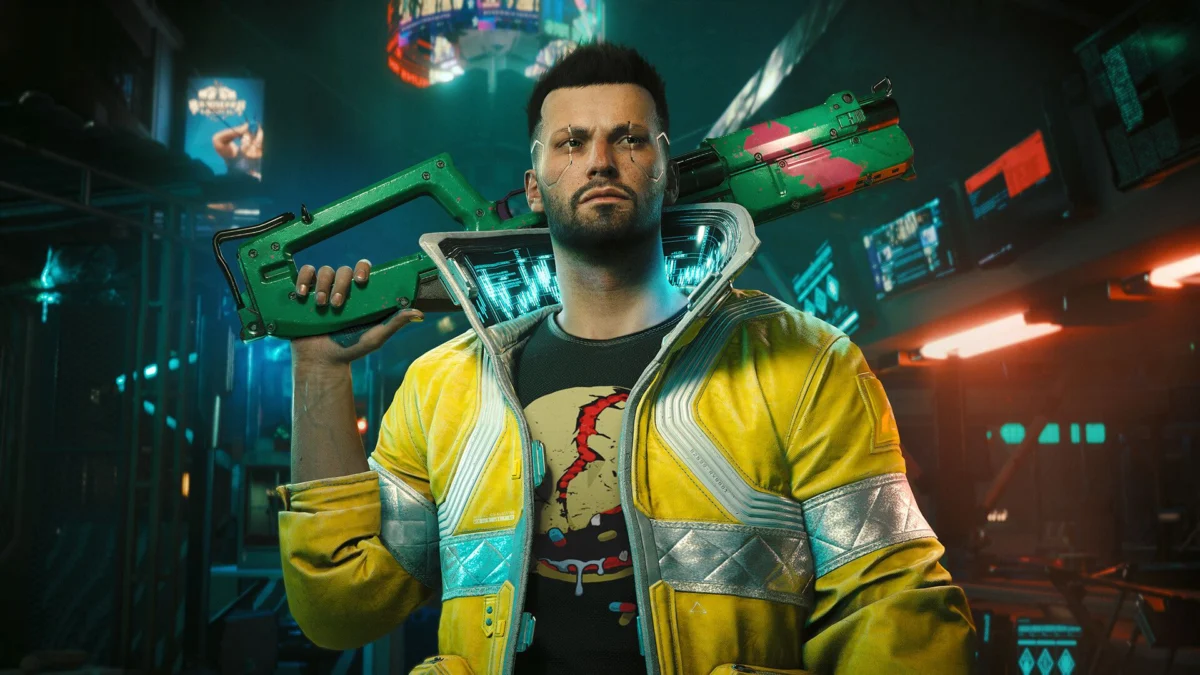
Even as the dust settles on the turbulent launch of Cyberpunk 2077—a title that has since been transformed through years of diligent post-launch support—the leadership at CD Projekt Red (CDPR) remains remarkably grounded. Despite the commercial success of the Phantom Liberty expansion and the game’s current status as a fan-favorite, CEO Michał Nowakowski recently admitted that the studio is not yet ready to declare its "redemption arc" complete. For a developer that once stood as the industry’s gold standard for quality, the path forward is paved with both ambition and a lingering, cautious humility.
The Weight of Expectation: A Chronology of a Disastrous Launch
To understand the weight of Nowakowski’s comments, one must look back at the precipice from which CD Projekt Red fell. Following the global acclaim of The Witcher 3: Wild Hunt, the studio commanded a level of trust from the gaming community rarely seen in the modern era. When Cyberpunk 2077 was announced, it was viewed as the inevitable successor to the throne of open-world RPGs.
December 2020: The Breaking Point
The release of Cyberpunk 2077 in December 2020 remains one of the most infamous case studies in the history of interactive media. Expectations were astronomical, fueled by years of marketing that promised a revolutionary, immersive urban experience. However, the reality was a stark departure from the pitch.
Players on last-generation consoles (PlayStation 4 and Xbox One) were greeted with a title that was essentially unplayable, plagued by game-breaking frame rate drops, frequent crashes, and visual assets that failed to load. The PC version, while more stable, was still riddled with bugs that undermined the narrative integrity of the game. The backlash was immediate and severe, resulting in Sony taking the unprecedented step of removing the game from the PlayStation Store—a move that signaled a massive loss of faith from both consumers and stakeholders.
2021–2022: The Silent Grind
Throughout 2021, the studio entered a period of intense public silence and internal reorganization. The focus shifted entirely to damage control. Through a series of major patches—most notably version 1.5 and the eventual arrival of the native next-gen versions for PlayStation 5 and Xbox Series X—the studio began to claw back the game’s reputation.
2023: The Turnaround
The redemption narrative truly began to gain steam in 2023 with the release of the 2.0 update and the Phantom Liberty expansion. Critics and players alike praised the expansion for its tight storytelling, improved AI, and overhauled skill systems. By the time the final dust settled, Cyberpunk 2077 had achieved a "Mostly Positive" rating on platforms like Steam. Yet, for the executive team, the scar tissue remains.
Official Perspectives: The CEO’s Stance on Trust
In a recent interview for Edge’s Knowledge newsletter, Michał Nowakowski offered a candid assessment of where the company stands. While the studio has undeniably righted the ship, Nowakowski is hesitant to declare the war won.
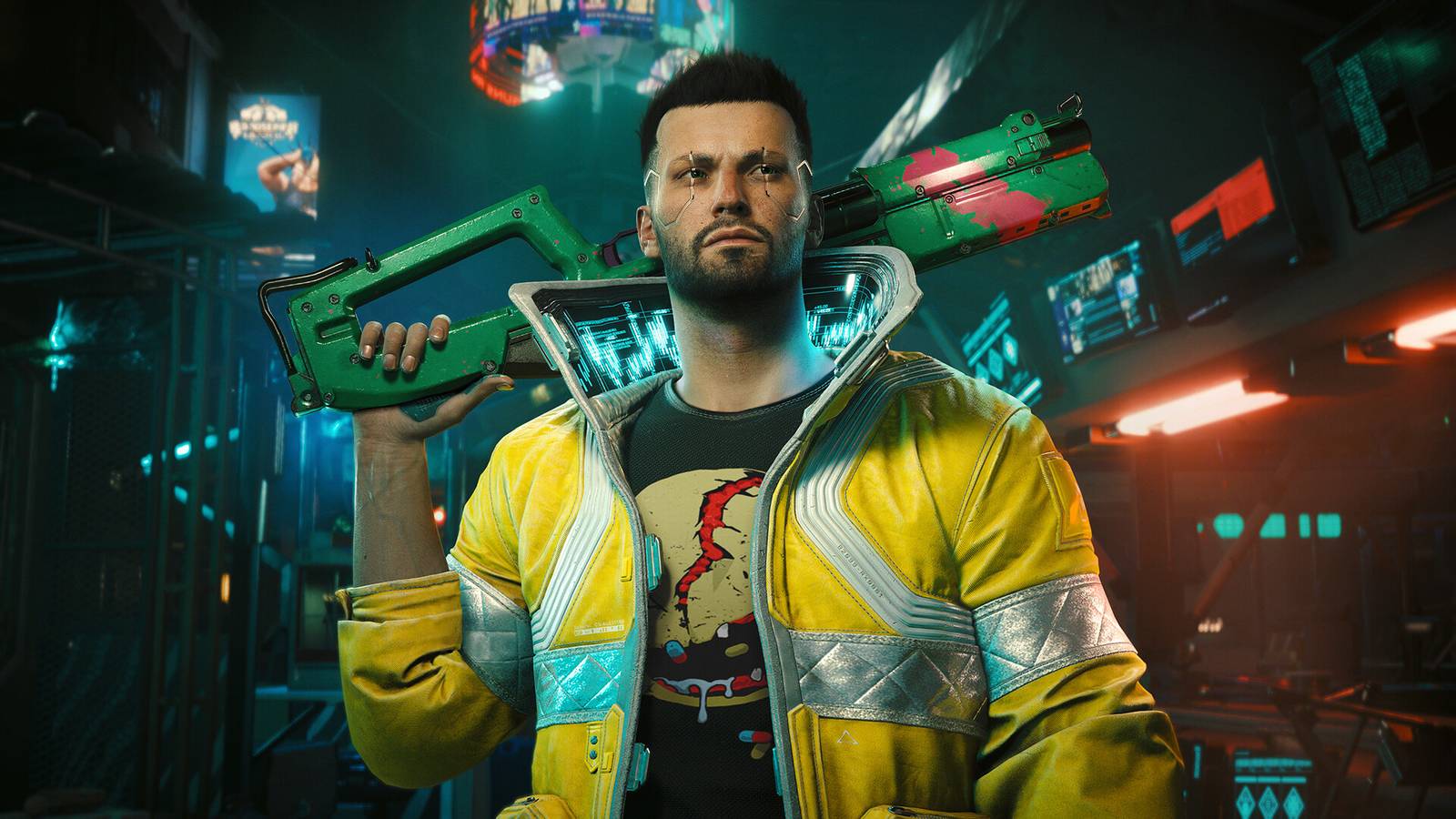
"I’m not 100 percent convinced we went through the full redemption arc," Nowakowski stated. "I’m convinced that we lost the faith of some people indefinitely, and that’s a fair thing."
This perspective is critical. It suggests that the leadership understands that "redemption" is not a technical milestone that can be reached via a software patch, but a psychological one residing in the minds of the player base. The damage done to the studio’s brand equity in 2020 was deep, and for some, the betrayal of trust was absolute. Nowakowski’s comments underscore a commitment to long-term rebuilding rather than short-term PR spin. He acknowledges that if the current generation of Cyberpunk cannot win back every disgruntled fan, the burden of proof will shift to the studio’s future output, specifically The Witcher 4.
Supporting Data and Industry Context
The financial and social impact of the Cyberpunk launch provides context for the current caution. At the time, CDPR’s stock price plummeted, and the company faced multiple class-action lawsuits regarding the state of the game at launch.
However, the recovery has been statistically significant. According to public reports, the studio has seen a resurgence in active player counts that far outpaces most single-player RPGs years after their release. The success of the Cyberpunk: Edgerunners anime series on Netflix also played a pivotal role in reinvigorating interest in the game, demonstrating that the IP still holds massive potential.
Yet, the studio is wary of overextending. As the company moves toward its "Polaris" project—the internal codename for the next major Witcher title—the emphasis has shifted toward sustainable development practices. Nowakowski’s comments regarding the studio’s future vision are telling: "Our dream is to be making more games, although we never want to turn into the studio that’s going to be launching a big game every year."
This is a direct response to the "crunch" culture and rushed development cycles that many analysts believe contributed to the Cyberpunk 2077 disaster. By aiming for a more measured release cadence, CDPR hopes to ensure that future titles are polished from day one, thereby avoiding the need for a "redemption arc" in the first place.
The Road Ahead: The Witcher 4 and Beyond
The next Witcher game carries a unique burden. It is the follow-up to the studio’s greatest success and the first major release following their greatest failure. The industry is watching closely to see if the lessons learned from the Cyberpunk ordeal have been integrated into the studio’s DNA.

Strategic Shifts in Development
Sources within the industry suggest that CDPR has undergone significant changes in its quality assurance (QA) processes and its use of internal tools. The transition to the Unreal Engine 5 for future projects is another strategic pivot aimed at streamlining development and reducing the technical debt that plagued the proprietary REDengine.
The Implications of "Polaris"
For fans, the wait for The Witcher 4 is both a test of patience and a test of faith. If the game launches in a state of high technical polish, it will serve as the final proof that the studio has returned to its roots as a premier developer of high-quality, narrative-driven experiences. If, however, the game experiences similar issues to its predecessor, it could signal a permanent decline in the studio’s market position.
Implications for the Gaming Industry
The saga of CD Projekt Red serves as a cautionary tale for the entire AAA gaming sector. It highlights the dangers of aggressive marketing, the volatility of investor expectations, and the resilience of a brand that chooses to own its mistakes rather than hide from them.
- The End of "Launch First, Fix Later": The Cyberpunk incident accelerated a shift in player sentiment, making audiences less tolerant of buggy releases. Developers are now under increased pressure to deliver finished products at launch.
- Transparency as a Currency: CDPR’s willingness to be transparent—admitting that they haven’t "fully redeemed" themselves—is a refreshing change in an industry often defined by corporate doublespeak. It humanizes the studio and creates a more authentic connection with the community.
- The Value of Long-Term Support: The success of Phantom Liberty proves that even a disastrous launch can be salvaged with persistent, high-quality content. It provides a blueprint for other studios struggling with failed launches to avoid abandonment.
Conclusion
As CD Projekt Red moves toward its future, the shadow of 2020 remains, but it no longer defines them. By refusing to accept that the "redemption arc" is complete, the studio is setting a high bar for itself. This humility, paired with a commitment to sustainable development, is likely the only way for them to reclaim the unconditional trust they once held.
Whether The Witcher 4 will be the definitive turning point remains to be seen. But in the halls of CD Projekt Red, the sentiment is clear: they are no longer interested in the hype. They are interested in the work. And as any fan of the Witcher series knows, it is the work—and the integrity behind it—that ultimately defines the legend.
 Basiran
 Nana Muazin
 Layla Zulfa
