

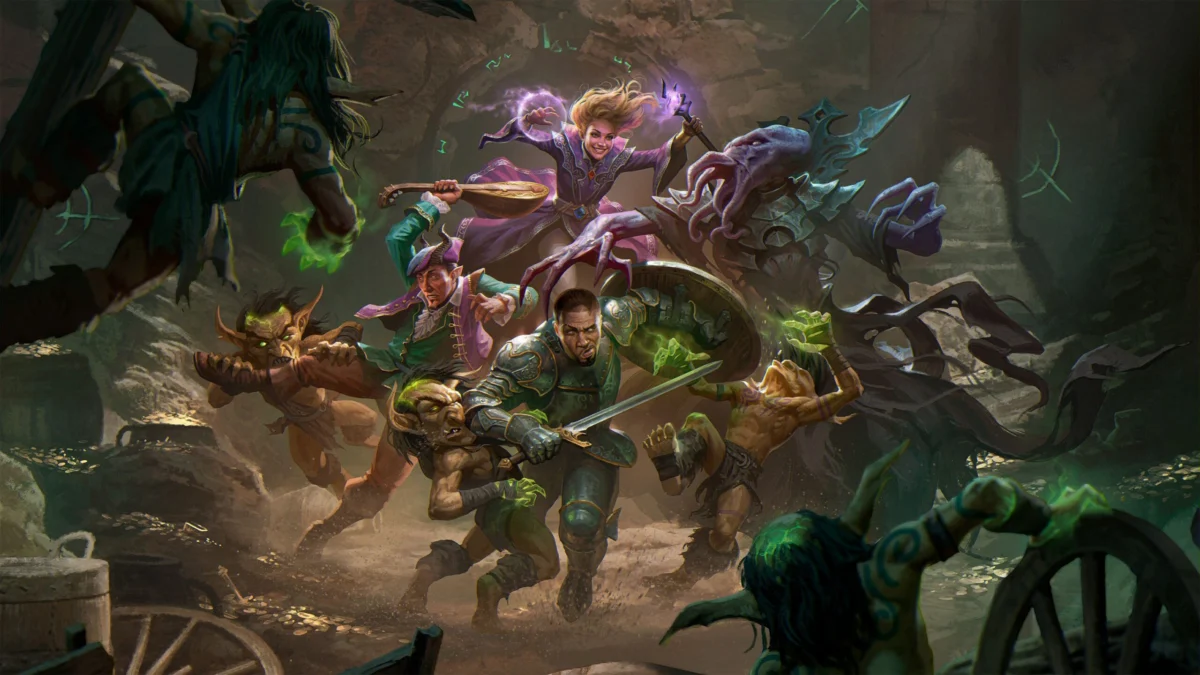
The release of Ravenloft: The Horrors Within has sent waves of excitement—and trepidation—through the Dungeons & Dragons community. As players prepare to traverse the mists of the Domains of Dread, they are met with a suite of new mechanical refinements designed to make the horror experience more visceral and less mechanically punishing. Among the most significant of these updates is the complete overhaul of the College of Spirits bard, a subclass that, in its previous iteration, was often cited as a cautionary tale of "flavor over function."
For many, this update represents more than just a balance patch; it is a long-overdue reconciliation between thematic ambition and the rigid, high-stakes nature of the 5.5 edition ruleset.
The Evolution of the Spirit Bard: A Chronology of Frustration
The journey of the College of Spirits bard has been fraught with experimental design choices. The subclass first arrived in the 5th edition sourcebook Van Richten’s Guide to Ravenloft. Conceptually, it was a triumph: a performer who channels the voices of the dead, bringing historical tales and legendary spirits to life through performance. However, the execution left many players feeling like they were fighting their own character sheet.
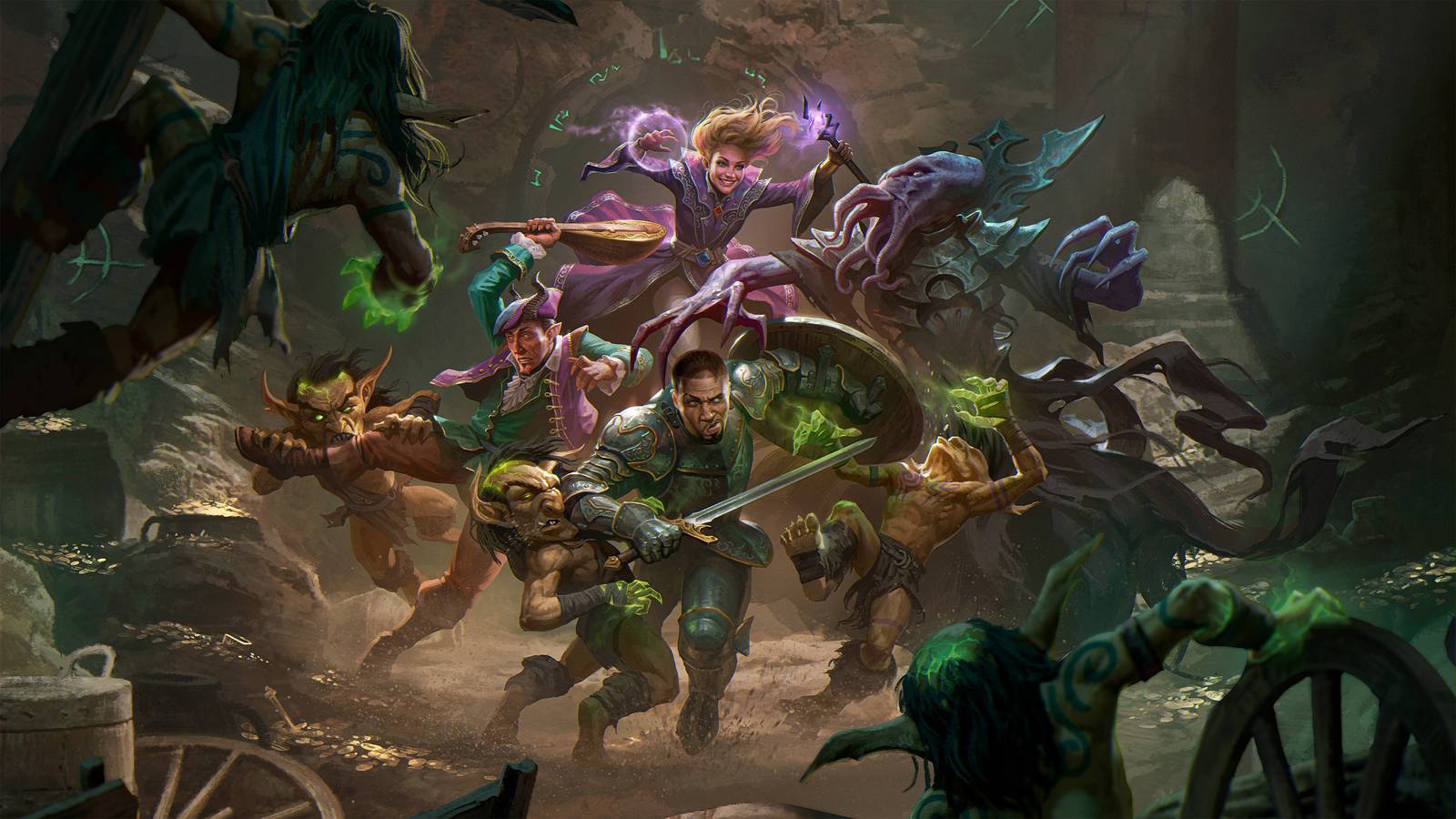
The core issue resided in the "Spirits from Beyond" feature. In the original 5e design, players were forced to expend a Bardic Inspiration die to roll on a random table, generating a spirit effect that couldn’t be deployed immediately. It required a secondary action to activate, creating a "two-step" process that felt sluggish in the heat of combat. By the time a player had spent their resource, rolled the die, and waited for their next turn to trigger the effect, the tactical landscape of the encounter had often shifted entirely, rendering the spirit’s contribution useless or redundant.
The 2025 Unearthed Arcana Pivot
In 2025, Wizards of the Coast acknowledged these shortcomings by introducing an updated version of the subclass in an Unearthed Arcana playtest. This version attempted to streamline the process, allowing for immediate effects. While this reduced the action economy friction, it did little to solve the "gacha" problem: the inherent, unpredictable randomness of the spirit table remained. Players still found themselves praying for a clutch healing spell while the table offered a situational damage buff, leading to a profound sense of powerlessness.
The 5.5 Edition Finalization
Now, with the release of Ravenloft: The Horrors Within, the subclass has finally been refined into a viable, tactical powerhouse. By introducing a two-pronged approach to spirit channeling, the design team has managed to keep the flavor of "unpredictable spirits" while granting the player the ultimate agency they lacked for years.

Supporting Data: Why Randomness Often Fails in TTRPGs
In game design, randomness is a double-edged sword. When used correctly, it creates "emergent gameplay"—those unexpected moments that become the stuff of legend. However, in a cooperative, resource-managed game like Dungeons & Dragons, players view their character abilities as tools in a toolkit.
The primary frustration with the earlier versions of the College of Spirits bard was the "resource-to-result" ratio. A player would spend a valuable, limited resource—Bardic Inspiration—and receive a randomized outcome that, statistically, was often mismatched to the party’s immediate needs.
Comparative Utility Analysis:
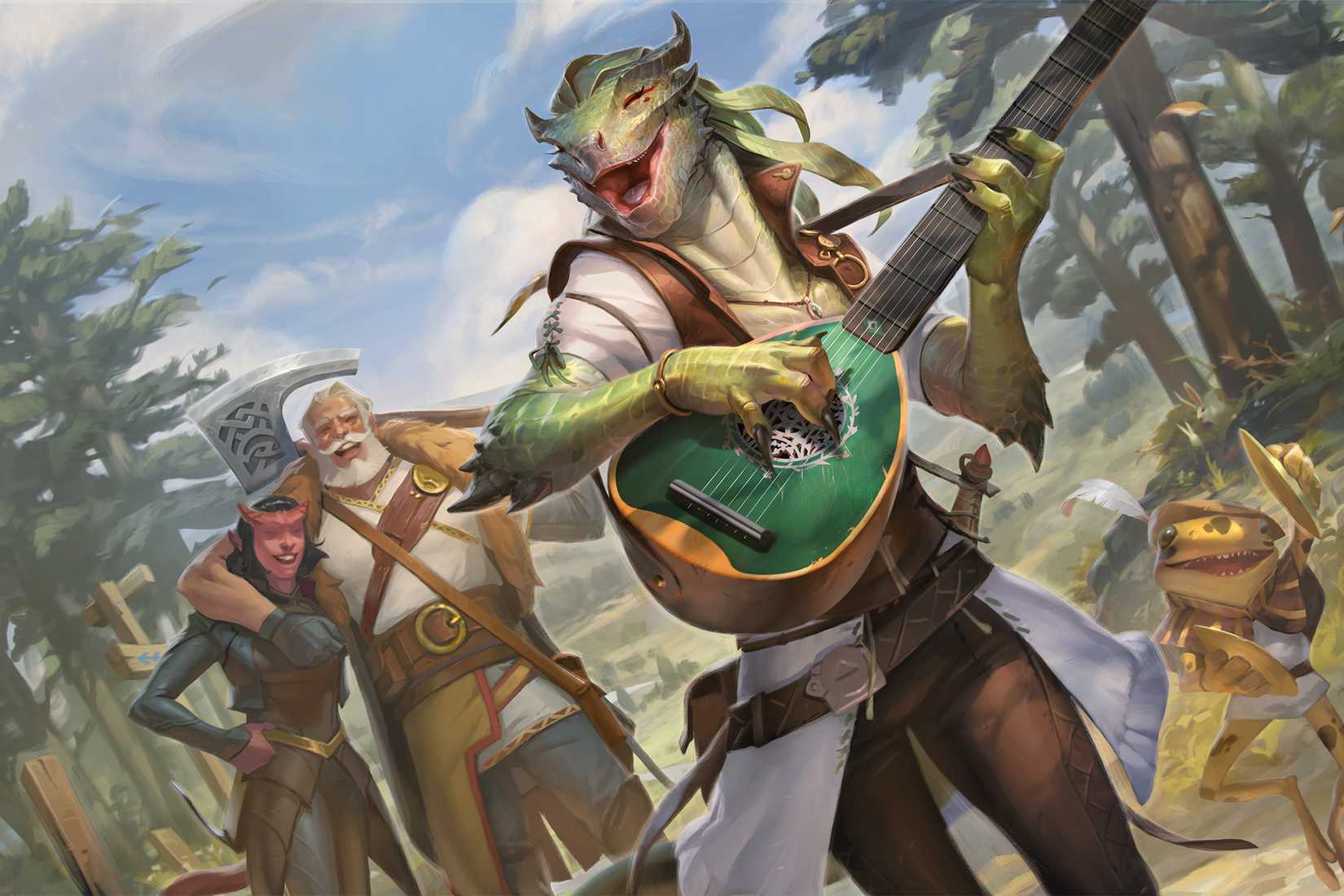
- Original 5e Implementation: High flavor, high action cost, low reliability. Often resulted in "dead turns" where resources were wasted on effects that provided zero tactical benefit.
- 2025 Playtest: Moderate flavor, improved action economy, but continued reliance on "luck of the draw."
- 5.5 Edition (Current): High flavor, low action cost, high reliability via the new "Controlled Channeling" mechanic.
By shifting the burden of choice back to the player, the new book turns the Spirit Bard from a "gambler" into a "tactician."
The Mechanics of Redemption: How the Fix Works
The brilliance of the new design lies in its flexibility. The feature "Spirits from Beyond" now functions in two distinct ways, ensuring that the player is never penalized for their choice of subclass.
- The Unleashed Spirit (Random): This remains for players who enjoy the chaos. When a player uses their Bardic Inspiration, they can opt for a random roll. To incentivize this, these effects are often slightly more potent or carry secondary riders, rewarding those who embrace the risk.
- Controlled Channeling (Deterministic): This is the game-changer. As a bonus action, the bard can spend a use of Bardic Inspiration to select the specific effect from the table. This transforms the subclass into a versatile utility caster, allowing the player to choose healing when the cleric is down, or damage when the party is surrounded.
Furthermore, the integration of these features into the core resource economy of the bard—which now replenishes on short rests starting at level five—means that the subclass can finally sustain its unique flavor throughout a full dungeon crawl rather than petering out after a single encounter.
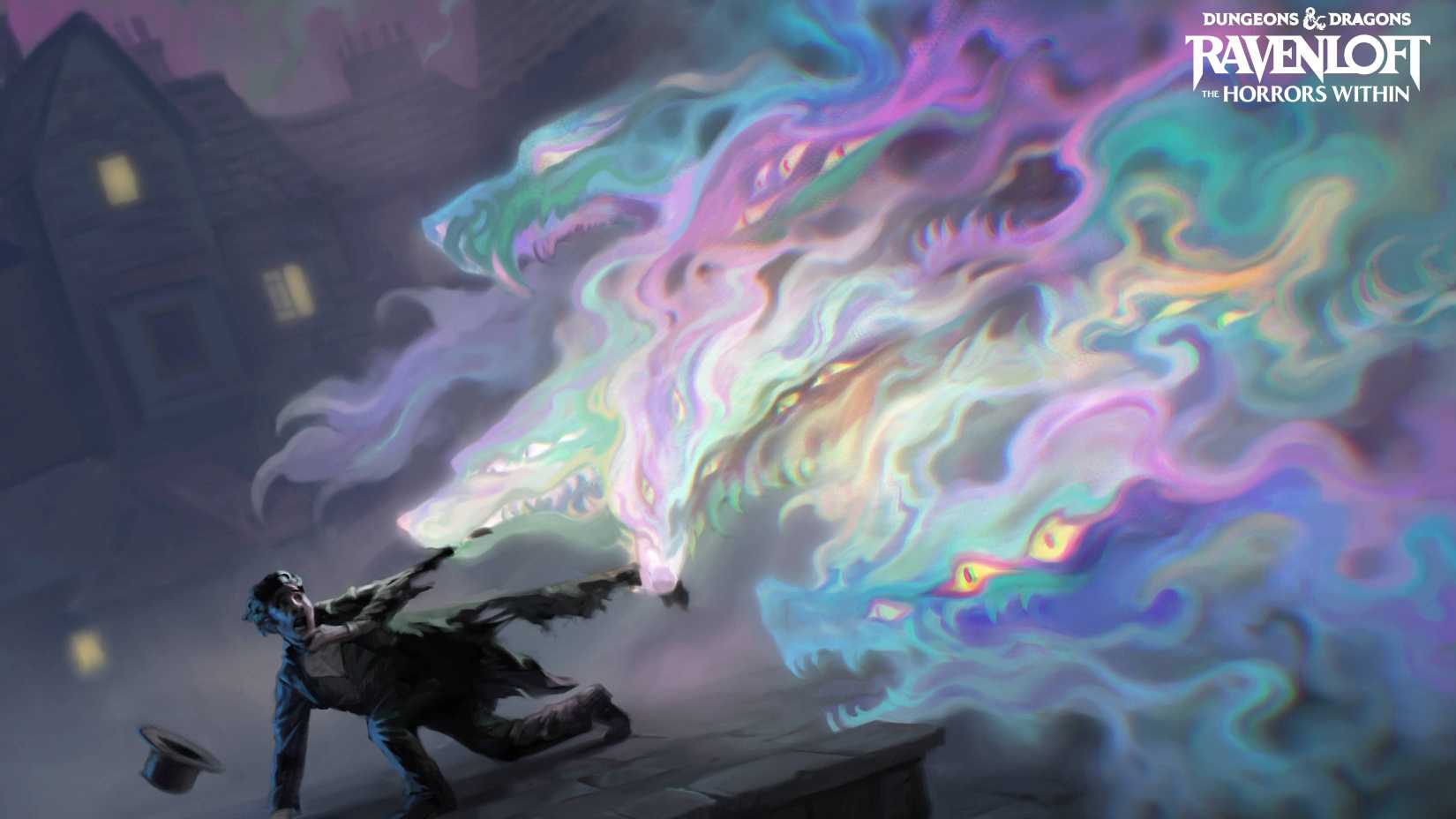
Implications for Future Design
The success of this update has broader implications for how Wizards of the Coast approaches subclass design moving forward. It signals a shift away from the "flavor-at-all-costs" mentality and a return to player-centric design.
"The player experience is the primary metric of success," says one internal design source close to the project. "We realized that if a player feels like their character is a liability, no amount of thematic flavor text can save that subclass. The move toward ‘Controlled Channeling’ is a blueprint for how we want to handle high-variance abilities in the future."
The implications are clear:
- Agency is Paramount: Players want to feel like they are piloting their characters, not that their characters are being piloted by a random number generator.
- Resource Management Must Feel Fair: When a resource is spent, the player should be able to predict, with reasonable certainty, the utility they are buying.
- Integration with Core Systems: Subclasses should augment, not complicate, the base class’s core loop. By linking the Spirit Tales directly to the existing Bardic Inspiration system, the subclass now feels like a natural extension of the bard’s identity.
A Controversial Legacy
It is worth noting that Ravenloft: The Horrors Within has faced some criticism for its heavy reliance on material previously found in Van Richten’s Guide to Ravenloft. Some long-time fans have questioned whether a new book was necessary for what amounts to a significant balance patch.
However, for the players who spent years playing a "subpar" class, the update is a godsend. It transforms a character concept that once felt like a "gacha machine" into a robust, reliable, and deeply thematic class. Whether you are a long-time fan of the College of Spirits or a newcomer to the Domains of Dread, the new version offers a compelling reason to revisit the Mists.
Ultimately, the College of Spirits bard is no longer a character that requires a DM’s "diplomacy" to keep at the table. It has been liberated from the shackles of forced randomness, allowing players to focus on what matters most: telling a haunting, memorable story that—for once—actually functions as intended on the tabletop. As the D&D community continues to explore the updated ruleset, this fix stands as a shining example of how listening to player feedback can salvage even the most troubled design concepts.
 Basiran
 Nana Muazin
 Layla Zulfa
