

The cultural conversation surrounding Pixar’s latest juggernaut, Toy Story 5, has been as loud as a theater full of excited children. While the film is currently tracking to be one of the most commercially successful releases of 2026, its reception has been marked by a polarizing debate: Is the movie a masterclass in modern parenting, or is it an outdated, "boomer-coded" lecture on the evils of technology?
For many, the initial marketing materials—which heavily leaned into a "toys versus tech" narrative—suggested a film that would be relentlessly anti-digital. However, writer-director Andrew Stanton has delivered something far more sophisticated. Rather than painting screens as the villain, Toy Story 5 offers a nuanced exploration of how technology reshapes the landscape of childhood, social connection, and the very nature of imaginative play.
The Premise: A Digital Shift in the Toy Box
The film centers on eight-year-old Bonnie, who receives her first tablet. For the toys, led by the steadfast Jessie (voiced by Joan Cusack), this gift represents an existential threat. They watch in real-time as Bonnie transitions from building elaborate worlds with her plastic companions to being entranced by the glowing light of a screen.
This tension isn’t merely played for laughs; it is grounded in the reality of modern parenting. The film depicts the immediate behavioral shifts associated with increased screen time: the obsessive, close-range focus, the withdrawal from physical play, and the parent-child friction that occurs when devices become a "security blanket." By addressing these issues, Stanton grounds the franchise’s high-concept premise in the authentic struggles of 2026 families.
Chronology of a Conflict: From Isolation to Integration
To understand the film’s message, one must look at the arc of Bonnie’s digital journey, which unfolds in three distinct stages:
- The Digital Honeymoon: Bonnie receives the tablet. The toys are sidelined. The film does not shy away from the downsides, including a harrowing sequence involving cyberbullying within a dance class group chat. This inclusion elevates the film, acknowledging that for children today, digital spaces are not just entertainment—they are social battlegrounds.
- The Collision of Worlds: As the toys grapple with their relevance, they encounter Blaze, a peer of Bonnie’s who lives on a farm. Here, the "toys vs. tech" binary is challenged. It is revealed that the tablet was actually the bridge that helped Bonnie connect with Blaze in the first place.
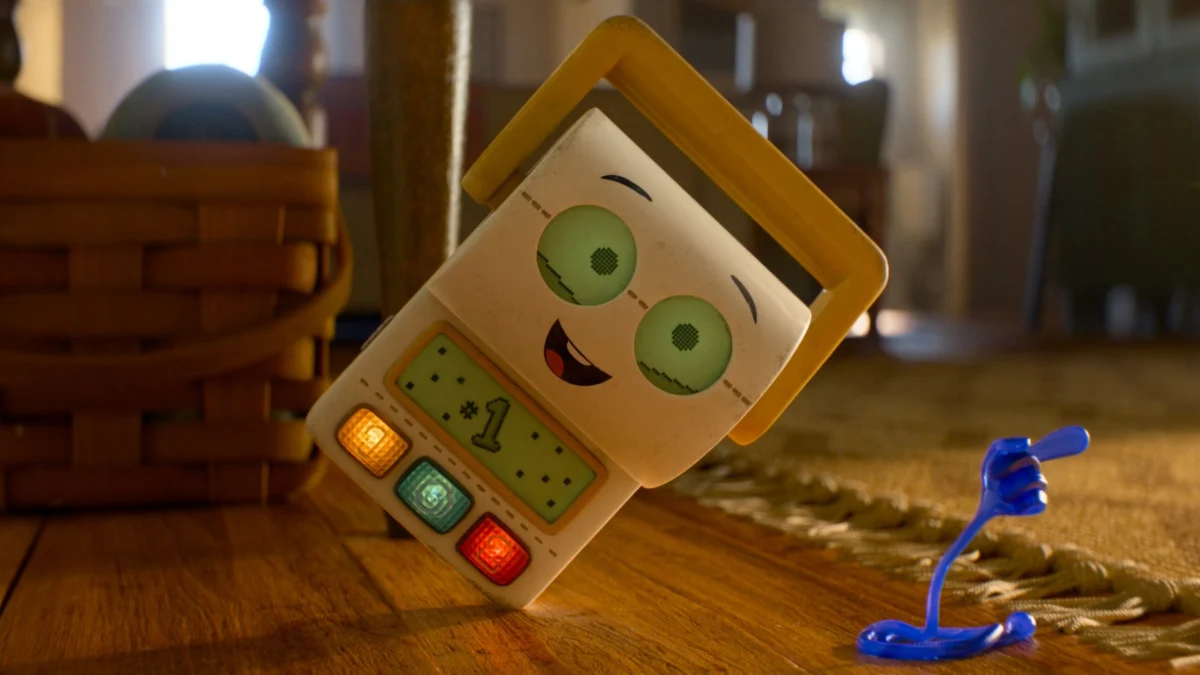
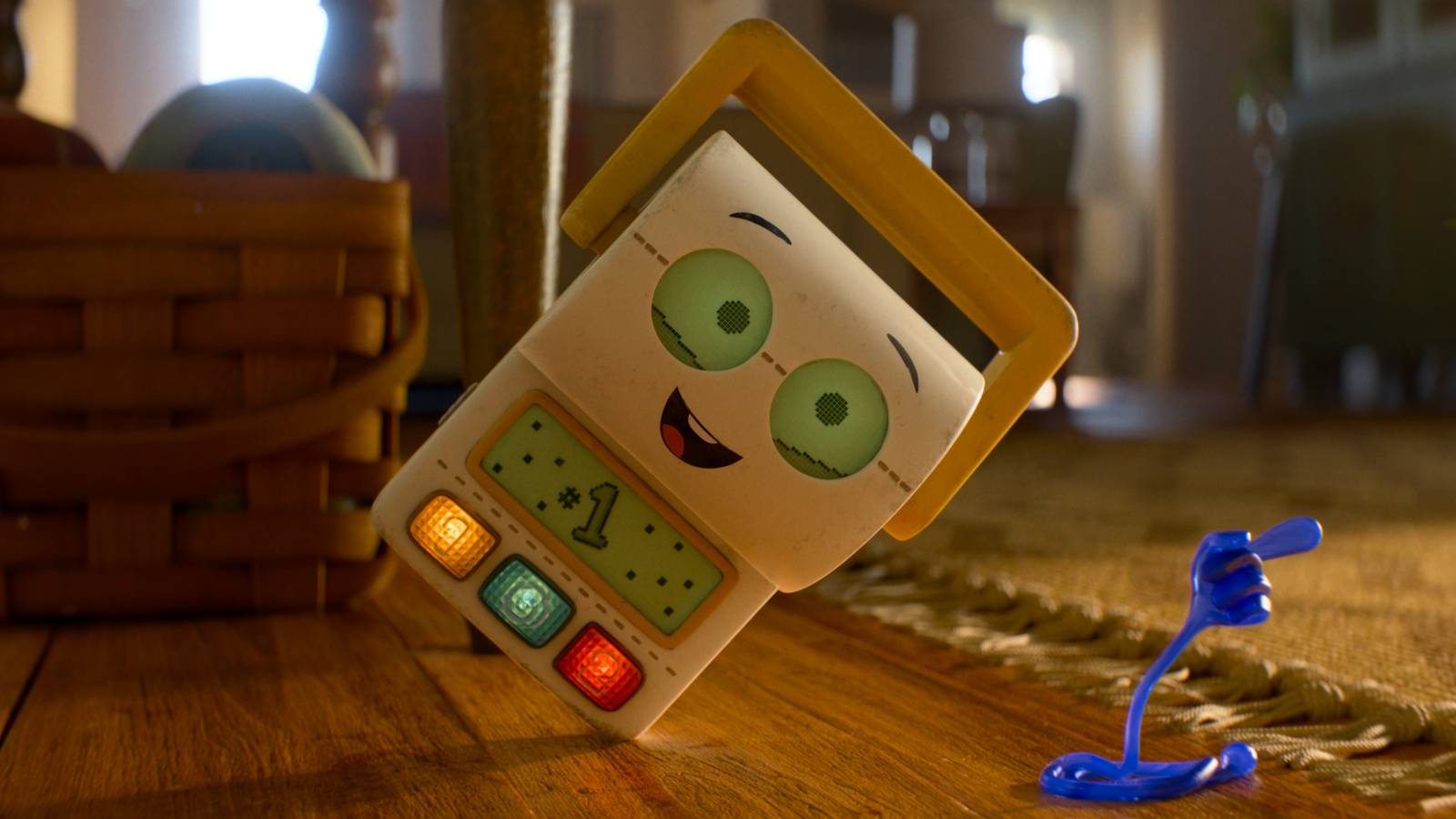
- The Synthesis: By the film’s conclusion, a détente is reached. The electronic toys—most notably the hilarious "Smarty Pants," a toilet-training aid voiced by Conan O’Brien—are integrated into the main group. The message shifts from "tech is the enemy" to "tech is a tool that requires balance."
The Science of Play: Why Imagination Still Matters
A core pillar of the film’s argument rests on the distinction between active and passive play. Stanton draws a clear line between the imaginative, open-ended play traditionally associated with toys and the "mindless" consumption often found in pre-programmed digital games.
Psychological research, such as that highlighted in recent 2026 reports, consistently suggests that traditional toys act as a canvas for creativity, whereas many digital devices—particularly those designed for younger children—can act as a substitute for it. The film captures this through the contrast between the creative, collaborative stories the toys act out and the repetitive, simplistic turtle-tag game that consumes Bonnie’s early screen time. By highlighting this difference, Toy Story 5 manages to advocate for traditional play without dismissing the digital world entirely.
Official Responses and Creative Intent
In various press junkets, Andrew Stanton has been vocal about his desire to avoid moralizing. "The goal was never to tell kids that screens are bad," Stanton noted in a recent interview. "The goal was to examine how we maintain the magic of childhood in an era where the world is constantly demanding our attention."
The film’s producers have emphasized that the inclusion of cyberbullying and the "loneliness epidemic" was a deliberate choice to mirror the real-world experiences of children. By grounding the narrative in these systemic issues—rather than blaming the child for "growing up"—the film avoids the "get off my lawn" energy that critics feared. Instead, it positions the toy box as a sanctuary where, occasionally, digital friends are welcome to join.
Supporting Data: The Digital Childhood Landscape
The anxieties reflected in Toy Story 5 are backed by substantial data. A 2026 study from the Journal of Applied Behavioral Science noted that while digital literacy is a requirement for the modern child, the decline in "unstructured play" has led to measurable decreases in creative problem-solving skills among children ages 6 to 10.
Furthermore, the prevalence of cyberbullying—which the film touches upon—has reached a level where educational institutions are shifting their curricula to address online emotional safety. By weaving these threads into a blockbuster, Pixar is not just creating a story; it is participating in a necessary public dialogue about the psychological architecture of the next generation.
Implications: The Future of the Toy Story Universe
The implications of Toy Story 5 for the franchise and for animation at large are significant. For years, the Toy Story series has acted as a mirror for the life stage of its audience. The original film explored the fear of being replaced; the third film explored the trauma of abandonment and growth.

Toy Story 5 explores the fragmentation of attention. If the future of this series remains centered on the toys’ perspective, the narrative focus will likely continue to shift toward how objects—and by extension, the relationships they foster—survive in a world of constant connectivity.
The film ultimately suggests a middle ground: technology is neither inherently "good" nor "evil," but it is a potent force that can either foster connection or isolation depending on how it is curated. When Jessie finally accepts Lilypad, the tablet-based toy, into the fold, it serves as a powerful metaphor for the audience. We cannot banish the digital world; we must learn to integrate it into our physical lives in a way that preserves, rather than erodes, our capacity for wonder.
Conclusion: A Nuanced Success
Critics who feared Toy Story 5 would be a preachy, technophobic relic were proven wrong by the film’s closing act. While it provides a critique of the "mindless" consumption of digital media, it is ultimately a story about evolution.
By portraying the digital device as a conduit for friendship rather than just a barrier to it, Stanton has succeeded in making a film that feels modern, relevant, and, most importantly, kind. Toy Story 5 does not ask children to discard their screens; it asks them—and their parents—to ensure that behind the glass, there is still a heart that knows how to play. As the credits roll, the audience is left with a sense that the world of toys is not dying; it is simply learning how to exist in a new, more complicated era. In doing so, Pixar has once again proven that even the most "outdated" concepts can remain timeless if they are handled with the right amount of heart, honesty, and a willingness to embrace the changing tides of the modern world.
 Nana Muazin
 Layla Zulfa
 Basiran
