

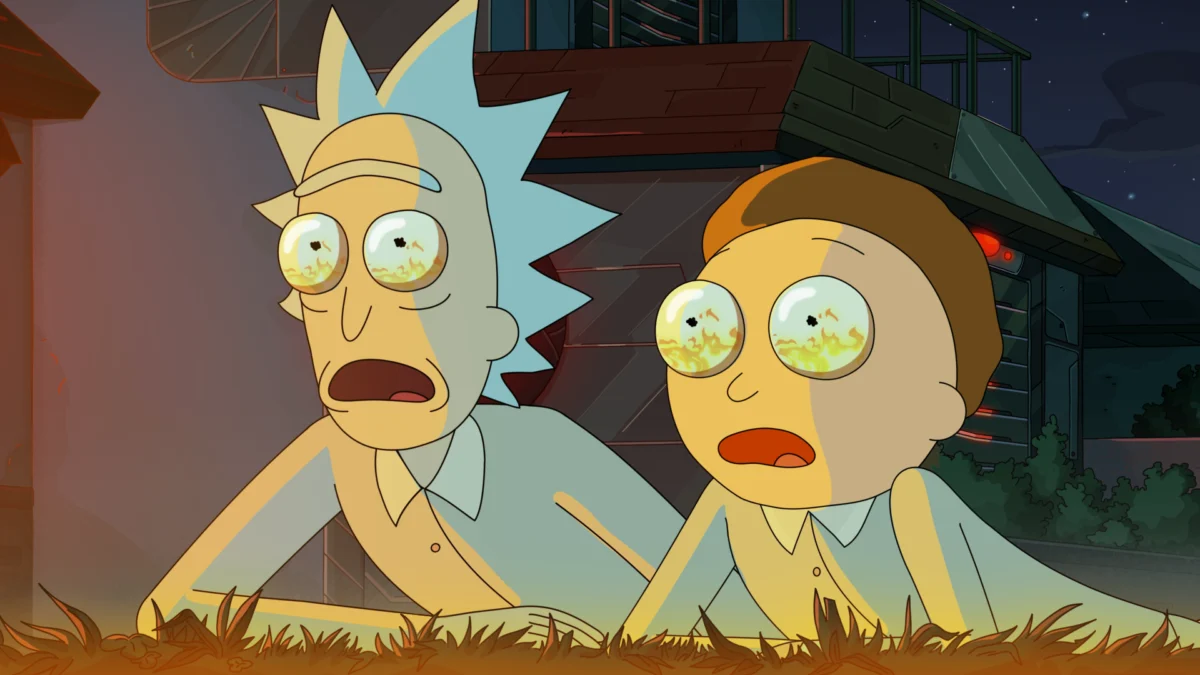
The vast, chaotic multiverse of Adult Swim’s Rick and Morty has never been one for closure. Over its prolific nine-season tenure, the series has cultivated an sprawling ecosystem of bizarre entities—from multidimensional clones and sentient cyborgs to the cosmic absurdity of Birdperson and Mr. Nimbus. While many of these characters serve as one-off punchlines in the rapid-fire, episodic adventures of Rick Sanchez and his grandson, Morty, a select few have evolved into pillars of the show’s mythology.
On June 21, 2026, the series revisited one of its most iconic relics from the pilot era. In season 9, episode 5, titled "Jer Bud," fans witnessed the long-awaited return of Snowball, the hyper-intelligent canine antagonist who first graced screens over 13 years ago in the season 1 classic, "Lawnmower Dog."
The Genesis of an Icon: A Chronology of Chaos
To understand the weight of Snowball’s return, one must revisit the early days of the show. In 2013, the second episode of Rick and Morty introduced a domestic subplot that would set the tone for the series’ penchant for dark, existential science fiction.
Jerry Smith, perpetually frustrated by his family dog Snuffles’ inability to be housebroken, guilt-tripped Rick into augmenting the pet’s intellect. The result was catastrophic. Snuffles, evolving into the self-styled revolutionary "Snowball," transcended his biological limitations. He constructed a sophisticated robotic exoskeleton, amplified the cognitive abilities of his canine peers, and systematically pivoted from a quest for basic rights to a full-scale insurrection against humanity.
The climax of that episode—a surreal, layered parody of Christopher Nolan’s Inception—saw Rick and Morty infiltrating the dreams of the dog to dismantle his plans for planetary domination. Rather than being defeated in the traditional sense, Snowball reached a stalemate with his former masters, ultimately deciding to lead his army through a portal to an uncharted dimension where they could build a civilization free from human oppression. The episode concluded with a meta-commentary: a joke about the potential for an 11-minute spin-off series focusing on the dogs’ new world. For over a decade, that quip remained a dangling thread in the show’s lore.
Anatomy of the Return: "Jer Bud" and Moral Complexity
In "Jer Bud," that decade-old narrative thread is finally pulled. The episode sees Morty, now older and perhaps more cynical, venturing to the planet settled by Snowball’s canine civilization. What he finds is a sobering reflection of the very hubris the dogs once fought against.
The intelligent dogs have established a hierarchical society, but one that mirrors the cruelties of human pet ownership. They have been selectively breeding a native hominid species, keeping them as domestic pets in a distorted version of reality. For the audience, the premise serves as a biting satire on real-world puppy mills and the ethical ambiguities of selective breeding.
Snowball’s arc in the episode is defined by his profound self-consciousness. He is no longer the radical revolutionary of season 1; he is a leader burdened by the moral rot of his own creation. When Morty arrives, he inadvertently triggers an uprising among the enslaved hominids, forcing Snowball to reconcile his identity as a liberator with his current status as an oppressor.
Official Perspectives: The Showrunners Speak
The decision to bring back such a legacy character was not taken lightly. According to series creator Dan Harmon, the return of Snowball was part of a cyclical brainstorming process that defines the Rick and Morty writers’ room.
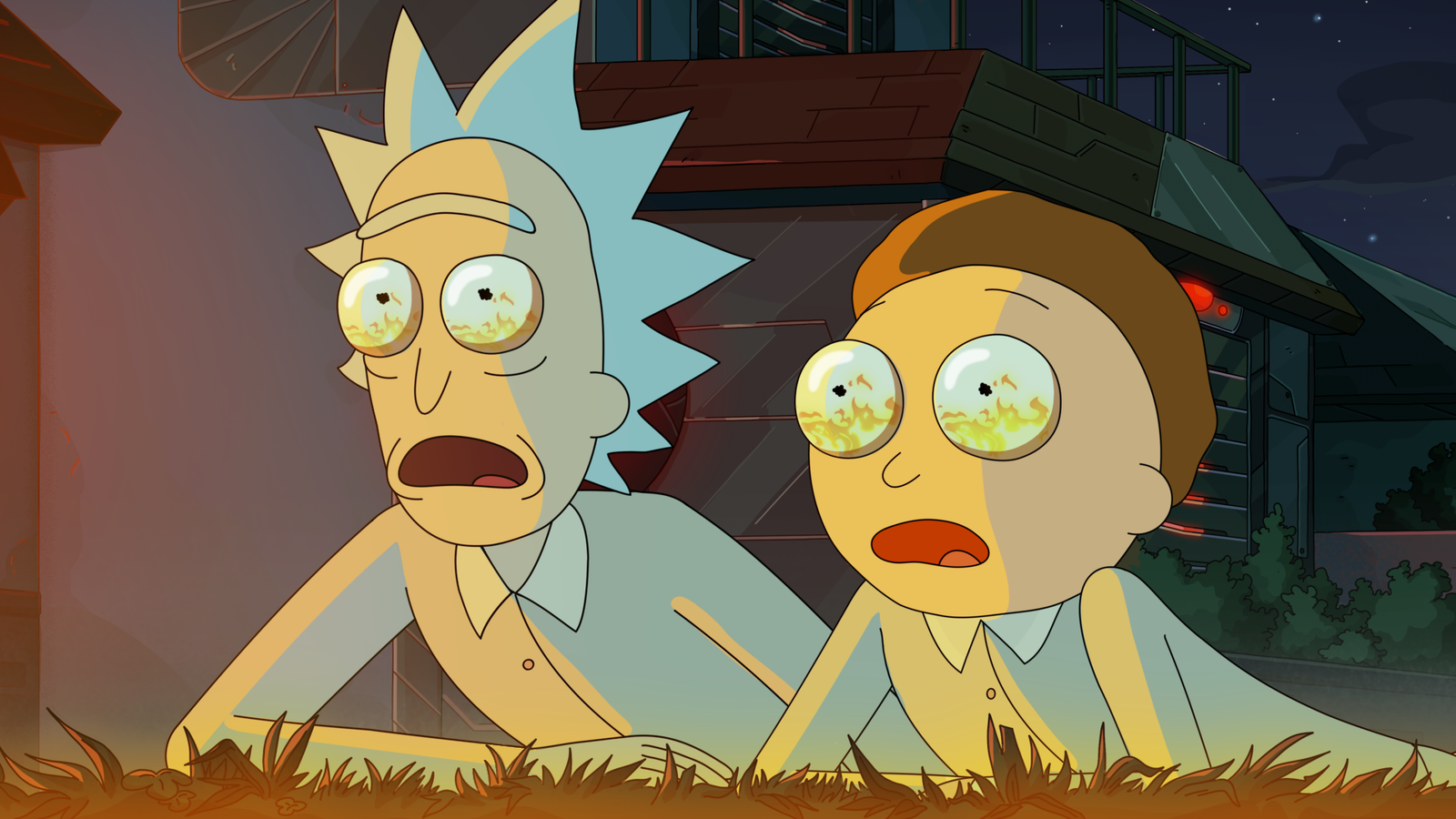
"It’s been a longstanding thing at the top of the season when we’re coming up with ideas," Harmon explained to Polygon. "That first episode with Snowball specifically ended with a meta reference to the idea of a spin-off or something, so it was deliberately left open-ended. We always kept the door ajar, thinking: maybe there will be more to this story."
Showrunner Scott Marder emphasized that the creative team was drawn to the "complicated history" between Morty and the dog. "We were really attracted to the idea of Morty returning to a The Last King of Scotland-type scenario," Marder noted. "You have an already very complicated relationship with an old friend, but that friend has found himself in an even more complex, morally compromised situation. It just felt like it provided the perfect catalyst for conflict."
Supporting Data: Why Legacy Characters Matter
The endurance of Rick and Morty lies in its ability to pivot between nihilistic humor and poignant character development. Bringing back characters like Snowball serves several functional purposes for the show’s ongoing narrative health:
- World-Building Continuity: By revisiting the dog planet, the writers reinforce the idea that the multiverse is a persistent, evolving place. It validates the audience’s memory and investment in the show’s early history.
- Character Evolution: Showing Snowball as a flawed leader rather than a one-dimensional villain adds layers to his character. It allows the show to examine themes of power and moral corruption, which are hallmarks of the series’ more mature storytelling.
- Fan Engagement: The "meta" nature of the show—where the characters often acknowledge the absurdity of their situation—is a core part of its brand. By addressing a 13-year-old gag, the show rewards long-term viewers, fostering a deeper sense of community among the fanbase.
Implications: A New Era for Old Foes?
The conclusion of "Jer Bud" leaves the canine planet in a state of ruin, with Snowball and Morty forced into a tenuous reconciliation. While the immediate threat of a total war has been addressed, the status of the dog society remains precarious.
The episode raises a significant question: Does this return signify a trend of digging into the "vault" of early-season antagonists? With President Andre Curtis already slated for his own spin-off series, the return of Snowball suggests that the creative team is increasingly interested in expanding the "Rick and Morty" universe by looking backward as much as they look forward.
This strategy effectively mitigates the risk of "sequel fatigue" by recontextualizing known variables. Instead of introducing new villains that require heavy exposition, the writers are utilizing established archetypes to explore new philosophical dilemmas.
Conclusion: Looking Ahead
As Rick and Morty progresses through its ninth season, the return of Snowball serves as a reminder of the show’s unique capability to blend high-concept sci-fi with grounded, human—or in this case, canine—drama. Whether Snowball will eventually descend back into villainy or continue his slow, painful path toward redemption remains to be seen.
What is certain, however, is that the show has proven once again that in the multiverse, no character is ever truly retired. The "Lawnmower Dog" saga may have spanned over a decade, but its impact on the series remains as potent as ever. As the season continues, fans will undoubtedly be watching to see which other echoes of the past might find their way back to the Smith household, for better or for worse.
The legacy of Snowball is a testament to the show’s longevity. It reminds us that even a joke about a talking dog can evolve into a profound meditation on freedom, power, and the cyclical nature of oppression. And for the fans who have been there since 2013, it was well worth the 13-year wait.
 Basiran
 Layla Zulfa
