

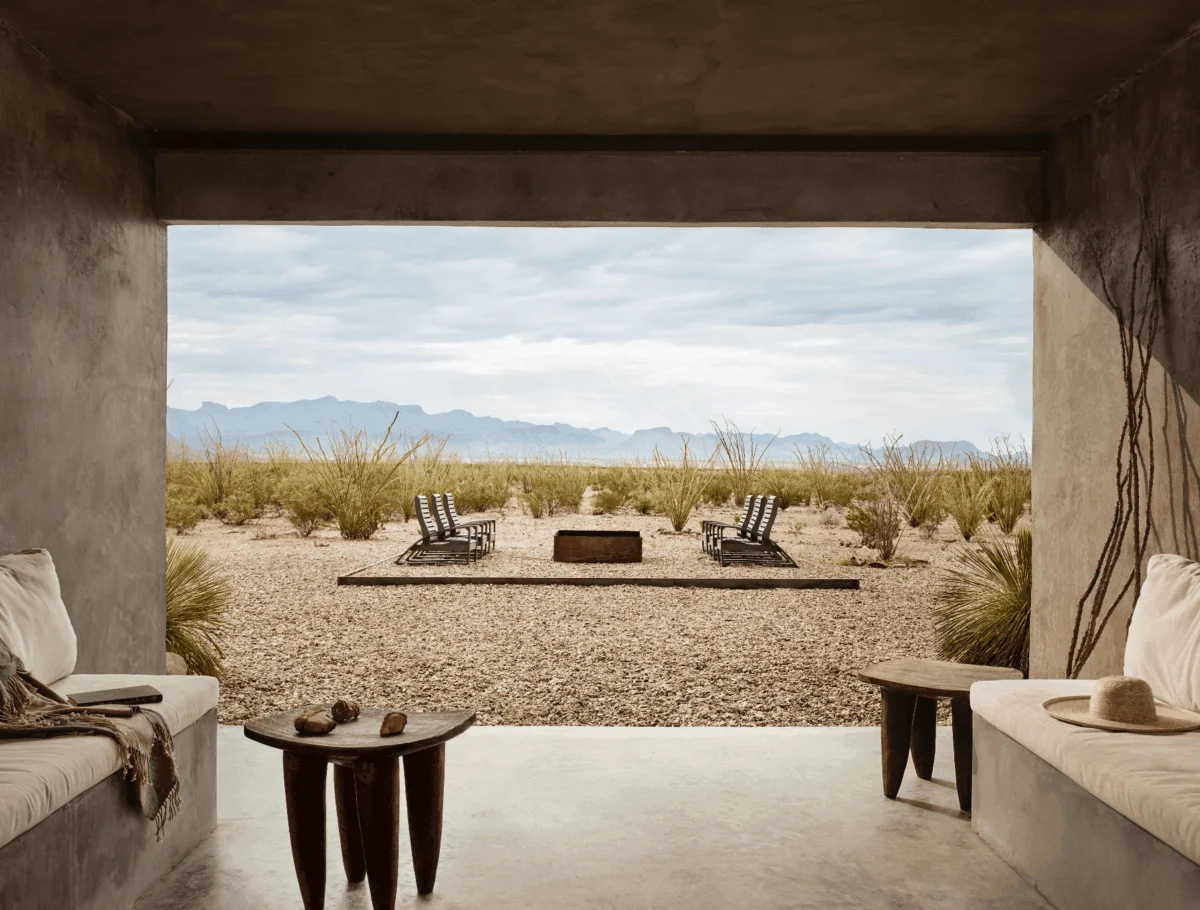
For generations, the American national park experience was synonymous with the smell of pine needles, the crackle of a campfire, and the modest comfort of a nylon tent. While the spirit of rugged exploration remains the heartbeat of the National Park Service (NPS), the definition of "basecamp" has undergone a seismic shift. Today, the most immersive way to experience the majesty of the United States’ 63 national parks is no longer confined to sleeping on the ground; it is found in high-design lodges, curated ranch resorts, and elevated glamping retreats that marry the raw power of the wilderness with the sophisticated comforts of modern hospitality.
The Paradigm Shift: From Roughing It to Refined Immersion
There is no "wrong" way to visit a national park, but there is a transformative difference between driving into a park for a day trip and waking up within its boundaries. Staying on-site—or in immediate proximity—acts as a master key to the landscape. It allows travelers to bypass the dawn traffic at park entrances, experience the sublime silence of the desert or forest after the crowds have dispersed, and witness the transition of light over mountain peaks from the comfort of a private terrace.
The contemporary traveler is increasingly seeking a "best of both worlds" scenario. They want the sensory experience of a remote location—the red rock silence of Moab, the misty canopy of the Smokies, or the jagged granite spires of the Tetons—without sacrificing the restorative power of a king-sized mattress, high-thread-count linens, and an en-suite bathroom. This demand has spurred a new era of hospitality in the wild, where architecture is designed to dissolve the barrier between the indoors and the outdoors.

Chronology: The Historical Arc of Park Accommodations
The concept of the "Park Lodge" is deeply rooted in American history, even if the modern iteration is vastly different from its predecessors.
- Early 1900s – The Era of the Grand Lodge: Influenced by the "National Park Rustic" style, early facilities like the El Tovar Hotel at the Grand Canyon (1905) were built to provide a touch of civilization for the intrepid travelers of the Gilded Age. These structures utilized native stone and timber to reflect the landscape.
- Mid-20th Century – Accessibility and Expansion: As the post-war road trip culture took hold, the NPS focused on standardizing campgrounds and motels, emphasizing capacity over design. This era cemented the image of the park visit as a budget-friendly, family-oriented camping endeavor.
- Early 2000s – The Rise of Boutique Conservation: A shift began as private-public partnerships evolved. Developers started looking at sensitive, low-impact architecture that could exist on the periphery of park lands.
- 2020–Present – The "Great Escape" Boom: The COVID-19 pandemic catalyzed an unprecedented surge in domestic travel. As international borders closed, millions of Americans turned to their own backyard. This influx of capital and interest led to the rapid development of high-end, eco-conscious retreats, including luxury treehouses, sustainable "tiny home" villages, and upscale glamping setups.
Supporting Data: The Landscape of Modern Visitation
The popularity of these parks is not merely anecdotal; it is a massive economic driver for the regions surrounding these federal lands.
| Park Name | 2025 Annual Visitation (Approx.) | Key Accommodation Trend |
|---|---|---|
| Great Smoky Mountains | 11.5 Million | Luxury Cabin/Treehouse Rentals |
| Zion | 4.98 Million | Glamping & Boutique Desert Resorts |
| Yellowstone | 4.76 Million | Historic Lodge Renovations |
| Grand Canyon | 4.73 Million | Historic & Modern Eco-Lodging |
The data confirms that while the Grand Canyon remains the cultural titan of the park system, the Great Smoky Mountains lead in pure volume, driven largely by the massive inventory of private vacation rentals that offer a "home-away-from-home" feel in the mountains.
The "Wild" Advantage: Why Location Remains Paramount
The primary benefit of choosing these elevated accommodations is access. When staying at a property nestled against the border of a park like Acadia or Grand Teton, the logistics of a trip change entirely. Instead of spending two hours in a car queue, guests are stepping directly onto trailheads before the sun breaks the horizon.
Moreover, these properties are increasingly serving as interpretive centers. Many high-end lodges now host resident naturalists, guided stargazing sessions, and curated photography tours, effectively acting as an extension of the NPS’s own educational mandate. This provides a more meaningful engagement with the park, moving the guest from a passive observer to an active participant in the ecosystem.
Official Perspectives: The NPS and Sustainable Tourism
The National Park Service faces a constant balancing act: welcoming millions of visitors while preserving the very resources that draw them. According to official NPS guidance, the management of in-park and near-park lodging is subject to stringent environmental regulations.

"The goal," notes a spokesperson for the National Park Service, "is to ensure that human presence does not degrade the integrity of the natural, cultural, and historic landscapes. We are seeing a move toward ‘leave-no-trace’ hospitality, where new developments are prioritized for their sustainability, water conservation efforts, and minimal visual impact."
The NPS encourages prospective visitors to check their official portal for both government-run campgrounds and concessionaire-managed hotels. While the agency maintains that the traditional camping experience remains the "gold standard" for park immersion, they acknowledge the role that private-sector innovation plays in accommodating a more diverse range of travelers, including those who may not have the equipment or expertise for traditional backcountry camping.
Implications for the Future of Travel
The rise of the "luxury national park experience" has profound implications for both the tourism industry and the conservation movement.

1. The Democratization of the Wilderness
While "luxury" often implies high price points, the shift toward these properties has forced a modernization of the entire hospitality sector near parks. Competition is high, which often leads to better service, improved amenities in budget-friendly motels, and more creative lodging options, such as yurts and converted vintage trailers, which provide a bridge between camping and traditional hotel stays.
2. Environmental Responsibility
The modern luxury traveler is also a conscious traveler. Consequently, hotels and lodges operating near protected lands are being held to higher environmental standards. Many are now utilizing solar arrays, greywater recycling systems, and locally sourced food programs to reduce their carbon footprint. The "luxury" of the future is defined not by excess, but by the ability to experience a pristine environment without leaving a heavy mark upon it.
3. Off-Season Exploration
One of the most significant implications of this trend is the extension of the travel season. Historically, park visitation was hyper-concentrated in the summer months. However, the rise of well-insulated, climate-controlled, and high-design lodges has made parks like Yellowstone, Acadia, and the Grand Canyon desirable in the winter. Visiting in the shoulder seasons—December through February—offers a completely different, often more profound experience: the silence of a snow-dusted forest, the lack of crowds, and significantly more affordable rates at these premier properties.

Conclusion: Crafting the Perfect Itinerary
Whether you are a seasoned trekker looking for a soft place to land after a 15-mile hike, or a city dweller looking to swap the skyline for a mountain silhouette, the modern national park stay is designed to facilitate a deeper connection to nature.
As you plan your next expedition, consider the value of the "stay" as part of the "adventure." A trip to a national park is, at its core, a journey into the soul of the country. By choosing a basecamp that respects the environment while providing the comfort required to recharge, you ensure that your trip is not just a vacation, but a restorative encounter with the wild.
In a world that is increasingly digital and fast-paced, these lodges and retreats offer something rare: the chance to wake up to the quiet majesty of a world that existed long before us, and—if we steward it correctly—will exist long after. Whether you find yourself in a glass-walled desert cabin or a historic timber-framed lodge, the mission remains the same: step out, look up, and appreciate the magnitude of the American landscape.
 Asro
Asro
 Siti Muinah
