

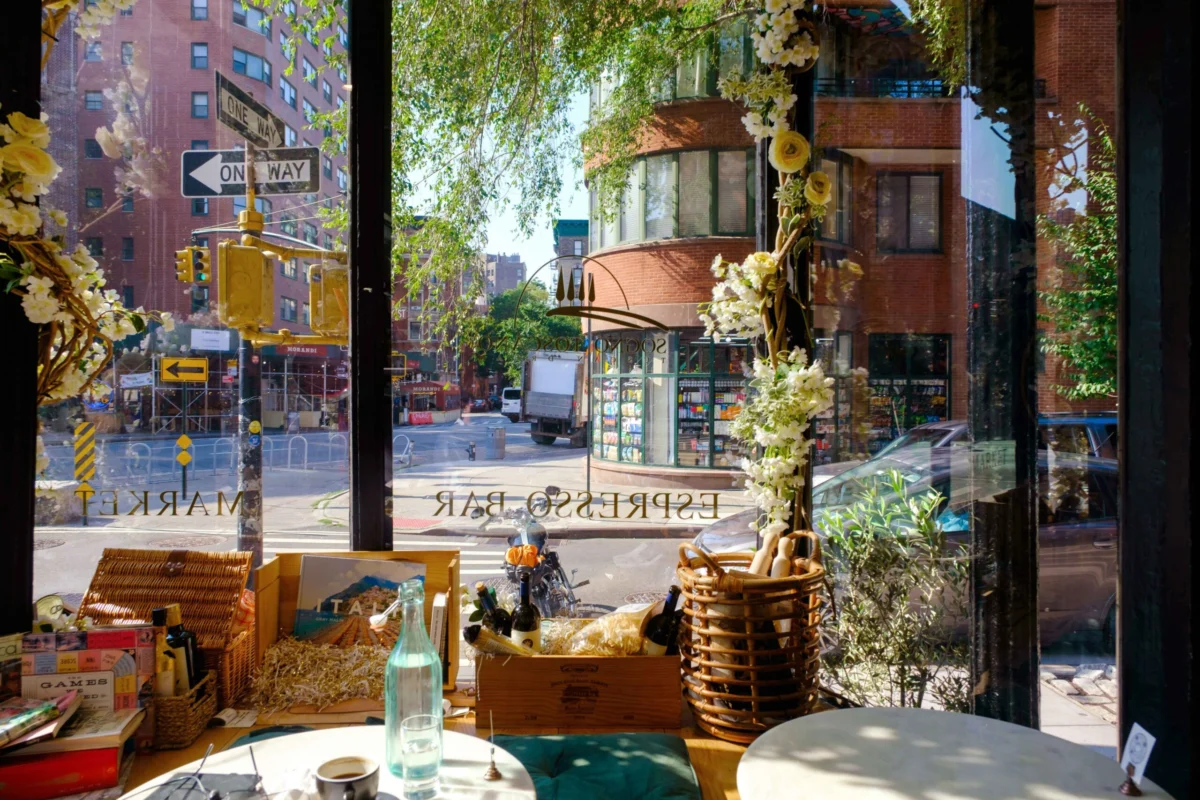
Ask ten New Yorkers to define their city, and you will receive ten wildly divergent manifestos. To the newcomer, it is a grid of flashing lights and Broadway marquees; to the lifelong resident, it is a collection of hyper-local villages, each defined by a specific subway stop, a favorite bodega, and a unique rhythm of life.
New York City is not a monolith. It is a sprawling, multi-hyphenate behemoth that thrives on contradiction. It is the world’s most famous urban center, yet it remains intensely provincial in its neighborhood loyalties. For the traveler, this presents a unique challenge: How do you balance the "bucket-list" architecture of the skyline with the authentic, often gritty, charm of the city’s lesser-known corners? To solve this, we turned to those who know it best—our editors—to curate a master guide to the Big Apple.
The Geography of Identity: Understanding the Five Boroughs
New York is defined by its five distinct boroughs: Manhattan, Brooklyn, the Bronx, Queens, and Staten Island. While the tourist map often fixates on the verticality of Manhattan, the true soul of the city exists in the horizontal sprawl of the outer boroughs.
The Evolution of the Neighborhood
To truly understand New York, one must move beyond the "broad strokes" of the city. While Midtown Manhattan offers the quintessential high-octane pace that visitors expect, the real narrative of New York is written in the smaller pockets. Consider Greenpoint, Brooklyn—once a quiet, industrial enclave, now the epicenter of a specific, optimistic, and effortlessly cool millennial culture that has redefined the city’s social fabric.

This shift isn’t just aesthetic; it’s systemic. As neighborhoods gentrify or retain their cultural strongholds, the city’s identity shifts block-to-block. Understanding these shifts is the key to moving from a "tourist" mindset to a "local" experience.
A Chronology of the Modern NYC Experience
The city’s development can be viewed through the lens of its major cultural shifts.
- The Early 20th Century (1900–1940): The era of the skyscraper. The completion of the Chrysler Building and the Empire State Building established the iconic silhouette that defines the city to this day.
- The Post-War Boom (1950–1980): The rise of the outer boroughs as distinct cultural hubs. This era saw the birth of hip-hop in the Bronx and the blossoming of the art scene in lower Manhattan.
- The Global Financial Era (1990–2010): The period of massive revitalization. Times Square was transformed from a site of urban decay into the "Crossroads of the World," and the Brooklyn waterfront began its transition from industrial shipping lanes to luxury residential parks.
- The Modern Era (2015–Present): A focus on "hyper-localism." Visitors now prioritize "neighborhood discovery" over traditional sightseeing, seeking out boutique thrift stores, hidden speakeasies, and authentic culinary experiences in Queens and Brooklyn.
Supporting Data: Why New York Remains a Global Benchmark
The metrics of New York City are staggering. As the most populous city in the United States, it operates on a scale that defies standard urban planning.
- Economic Impact: The city contributes roughly $1 trillion annually to the national GDP.
- Cultural Density: Home to over 100 world-class museums, including the Metropolitan Museum of Art and the Frick Collection, which continue to set the global standard for curation.
- Culinary Variety: With over 25,000 restaurants, the city offers the most diverse culinary landscape on the planet. From Michelin-starred tasting menus to the $2 "schleppable" slice, the city’s food economy is a barometer for global culinary trends.
- Accessibility: Despite the reputation for high costs, the city maintains a robust infrastructure for "shoestring" travelers. From the free Staten Island Ferry to the abundance of public sculpture gardens, New York provides a high baseline of experience regardless of a visitor’s budget.
The Expert Perspective: Editor-Curated Guides
Our editors have spent years cataloging the best of the city. Their consensus is clear: the "best" of New York is found by breaking the traditional itinerary.

The Museum Circuit
Don’t be overwhelmed by the sheer volume of culture. Focus on the experience. The Frick Collection, for instance, offers an intimate look at art within a historic domestic space, providing a sharp contrast to the monumental scale of the Met.
The Hospitality Landscape
New York’s hotel scene is as varied as its boroughs. Whether you are looking for the old-world grandeur of a property like The Pierre or the boutique, design-forward concepts emerging in neighborhoods like Williamsburg or Long Island City, the accommodation choice dictates the "flavor" of your trip.
Official Responses and Local Etiquette
One of the most persistent myths about New Yorkers is their supposed "unfriendliness." In reality, the "New York attitude" is a highly efficient form of social etiquette designed to keep a city of eight million people moving.
The Unwritten Rules of the City
- The Sidewalk Code: Treat the sidewalk like a highway. Keep right, do not stop abruptly to look at a map, and always be aware of the "commuter lane."
- The Subway Protocol: Let people off the train before you attempt to board. Stand to the right on escalators. If you are confused, do not stop in front of the turnstile; step to the side.
- Dining Etiquette: New Yorkers are protective of their local haunts. If you find a crowded spot, understand that the "hustle" is part of the charm. Patience is a virtue rarely rewarded in the city, so be prepared to stand in line.
Implications: The Future of Urban Tourism
As New York moves further into the 21st century, the definition of "tourism" is changing. The implication for the future is clear: the age of the "must-see monument" is being replaced by the "must-experience neighborhood."

Visitors are increasingly looking for authenticity. They want to know where the locals drink their coffee, which parks serve as the city’s true backyard, and which flea markets hold the real treasures. This shift poses a challenge to traditional hospitality but offers a massive opportunity for small businesses and local entrepreneurs across all five boroughs.
Sustainability and the Urban Grid
Furthermore, the city’s focus is turning toward sustainability. From the expansion of the greenway systems to the prioritization of public transit, the city is attempting to balance its massive growth with environmental responsibility. For the visitor, this means that the most "authentic" way to travel through New York is by foot, by bike, or by train.
Conclusion: How to Fall in Love with the Big Apple
To love New York City is to accept its contradictions. It is a city that is simultaneously the most expensive place to live and a paradise for those seeking free, world-class entertainment. It is a place that demands you be fast, but rewards you for taking the time to slow down in a hidden park or a neighborhood café.
If you are planning your trip, heed the advice of our editors: Don’t try to do it all. Pick a neighborhood, walk its streets, eat at the local spots, and let the city reveal itself to you. Whether you find yourself in the polished galleries of the Upper East Side or the artistic, graffiti-strewn alleys of Bushwick, you are participating in the grand, never-ending experiment that is New York.

The city that never sleeps is waiting. The question is not what the city has for you—it has everything—but rather, what are you willing to discover? By stepping off the beaten path, you move beyond the postcard version of New York and enter the real, vibrating, and endlessly fascinating world that New Yorkers call home.
 Asro
Asro
 Siti Muinah
