

The long, agonizing drought of information surrounding Grand Theft Auto 6 is finally showing signs of a deluge. After months of intense speculation, radio silence from Rockstar Games, and an internet economy fueled entirely by grainy leaks, the developer has finally broken its cover. This week, Rockstar unveiled the official cover art for the highly anticipated sequel, confirming that preorders will officially open on June 25, 2026.
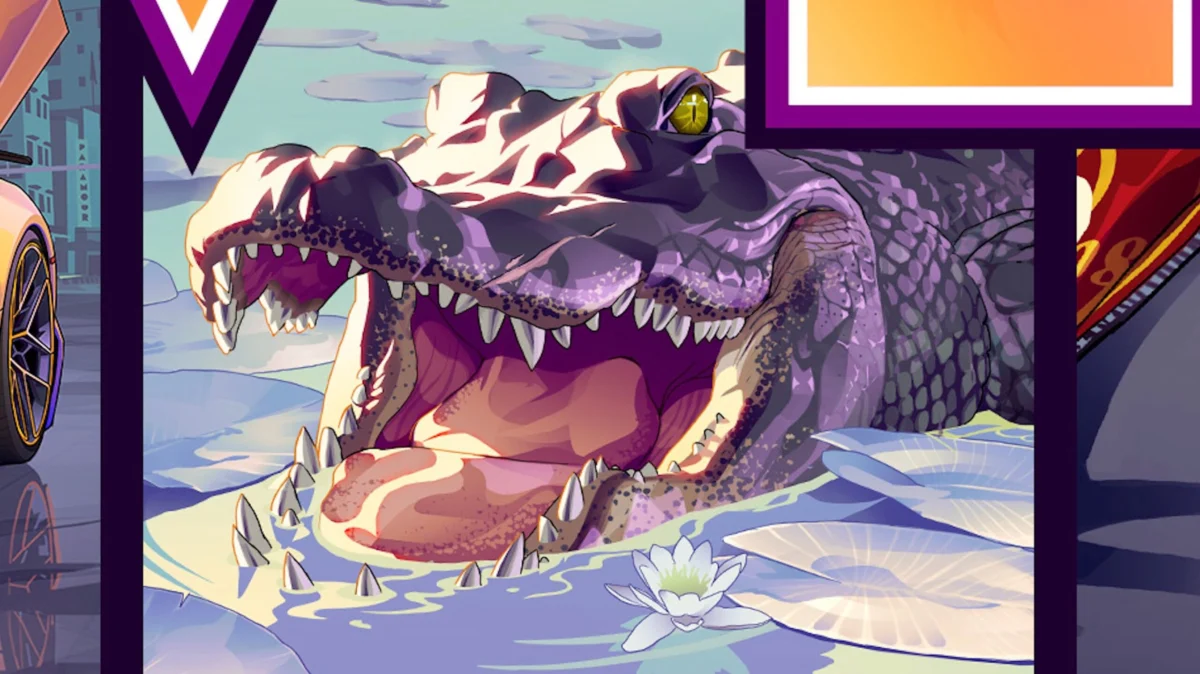
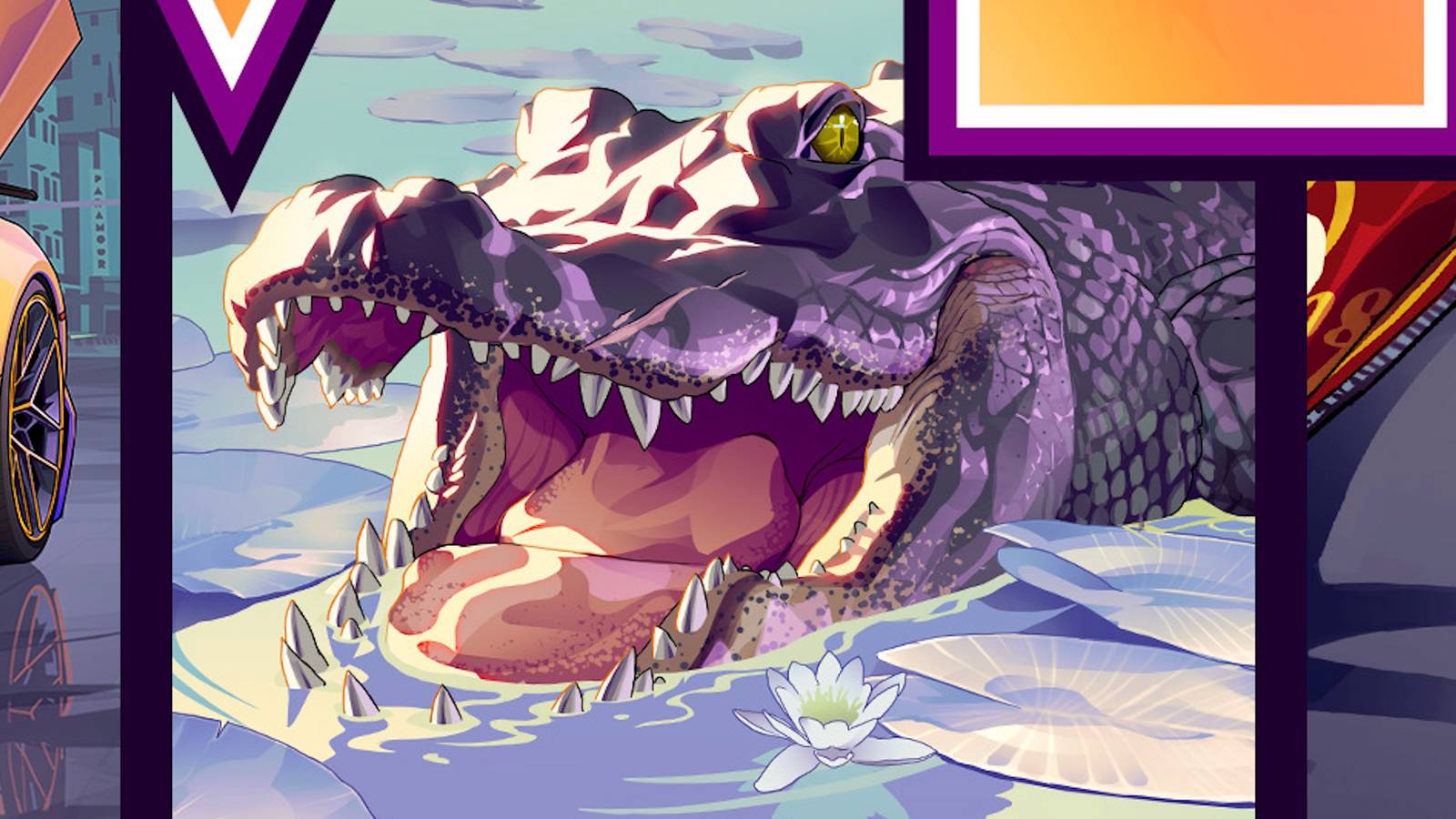
While the announcement of a preorder date—a massive milestone in the game’s lifecycle—usually dominates the conversation, the fandom has found itself distracted by a toothy, swamp-dwelling inhabitant of the new key art: a prominent, snarling alligator. In the chaotic, neon-drenched landscape of the game’s marketing, this reptile has become an unexpected icon, sparking a fervor of theories, memes, and deep-dives into what it represents for the gameplay experience in the fictional state of Leonida.
The State of Play: Facts and Preorder Details
The veil was lifted on June 22, 2026, when Rockstar Games distributed the official box art for GTA 6. The image, a collage-style composition reminiscent of the studio’s classic aesthetic, features the protagonists, Jason and Lucia, set against a backdrop of sun-scorched Florida-inspired vistas. However, sitting squarely in the composition is a massive alligator.
For a fanbase that has been dissecting frame-by-frame trailer footage for years, the inclusion of the gator is far more than a stylistic choice. It acts as a thematic anchor for the setting. Rockstar has confirmed that the game will take place in Leonida, a sprawling state that mirrors the geography, climate, and distinct cultural insanity of Florida. With the preorder date set for June 25, the community is now braced for what is expected to be a substantial trailer release, likely providing a deeper look at the mechanics, the narrative, and—if the theories are to be believed—the role of the state’s aggressive apex predators.
A Chronology of the Hype Cycle
To understand why a single reptile has become the face of the GTA 6 discourse, one must look at the timeline of the game’s development:
- February 2022: Rockstar Games officially confirms that the next entry in the Grand Theft Auto franchise is in active development.
- December 2023: The first official trailer debuts, confirming the return to Vice City and introducing the dual-protagonist dynamic of Jason and Lucia.
- January 2025: A second trailer highlights the density of the open world, showcasing the "Florida Man" elements of the culture, including social media integration and local wildlife.
- June 2026: The official cover art is revealed, placing the alligator at the center of the marketing material.
- June 25, 2026: Preorders open worldwide, with industry analysts predicting record-shattering sales figures within the first 24 hours.
The shift from the "vibes-based" marketing of the initial trailers to the concrete, actionable reality of the cover art and preorder date marks the transition into the final, high-pressure phase of the game’s launch.
Supporting Data: Why the Alligator Matters
Why are fans so fixated on a digital reptile? In the context of the Grand Theft Auto franchise, animals have often served as more than just environmental dressing. In GTA 5, Chop the Rottweiler was a pivotal part of Franklin’s narrative arc, serving as both a companion and a tactical asset during missions.
The alligator, however, presents a different kind of opportunity. Alligators are a staple of Florida’s ecosystem, growing up to 15 feet in length and weighing over 500 pounds. While fatal attacks on humans are rare in the real world, the "Florida" setting of GTA 6 allows Rockstar to lean into the more hyperbolic, dangerous aspects of the state’s wildlife.
Social media discourse has erupted with theories regarding the gator’s role. Some users on X (formerly Twitter) have suggested the creature could be an interactive element, similar to the horse system in Red Dead Redemption 2, where wildlife reacts to the player’s presence, or even a specialized mission-based companion. One prominent theory suggests that, just as Rockstar teased Chop in the early GTA 5 marketing, they are signaling a "tame" gator belonging to an NPC or even a player-controlled character.
However, "shrinkflation" enthusiasts have pointed out a discrepancy. A typical American alligator possesses roughly 80 teeth. The creature on the GTA 6 cover features approximately 60. In a community known for its obsessive attention to detail—a community that once famously analyzed the physics of horse testicles in Red Dead Redemption 2—this 25% decrease in tooth count has become a point of playful contention. Fans are currently petitioning (in jest) for Rockstar to "fix" the gator’s dentition before the final build is pressed to disc.
Implications for Gameplay: The "Florida Man" Simulator
The inclusion of the alligator is a direct nod to the "Florida Man" archetype that Rockstar is clearly looking to explore. The previous trailers have established a world defined by its eccentricities, its social media-obsessed citizens, and its swampy, humid geography.
If we look at the potential for gameplay, the Everglades-style regions of Leonida will likely feature fan-boat navigation, a classic trope of the region. Integrating a dangerous wildlife system could add a layer of emergent gameplay. Imagine a scenario where a player must dispose of evidence—a classic GTA trope—by feeding it to a local gator. Or perhaps, as some Redditors have suggested, the game may feature side activities that require the player to manage or even hunt dangerous animals for local bounty hunters or illicit exotic pet trades.

The potential for "alligator-based hijinks" is immense. Rockstar has spent years refining its systemic game design, and the idea that the local fauna could act as both a environmental hazard and a narrative tool is perfectly in line with the studio’s ambition to create the most reactive, "living" open world to date.
Official Silence and the Road Ahead
As of this writing, Rockstar Games has remained silent regarding the specific mechanics behind the alligator. This silence is intentional; it is the "Rockstar way." By providing a striking, provocative image, they allow the internet to do the marketing for them, building a hype machine that runs on speculation.
However, the upcoming preorder launch on June 25 will be the true test. If the accompanying marketing materials or a potential third trailer reveal that the alligator is merely a static piece of art, the community will likely move on to the next breadcrumb. But if Rockstar confirms that the gator—who some have affectionately dubbed "Auto"—is a core part of the gameplay loop, it will solidify the game’s reputation as a true-to-life, albeit exaggerated, parody of the Sunshine State.
Conclusion
The obsession with the GTA 6 gator is symptomatic of a gaming community starved for information and eager for any hint of what the next chapter of the industry’s most profitable franchise will look like. Whether the reptile is merely a nod to the regional aesthetic or a fundamental part of the game’s AI-driven world, it has successfully dominated the conversation.
As we approach the June 25 preorder date, the focus will undoubtedly shift from the creature’s tooth count to the game’s performance, its narrative, and its long-term viability in an era of live-service titles. But for now, the gator remains the king of the GTA 6 hype cycle—a fitting mascot for a game that promises to be as wild, dangerous, and unpredictable as the Florida wetlands themselves.
The stage is set. Rockstar has the world’s attention, and if their history of meticulous world-building is any indication, the wait for Grand Theft Auto 6 is going to be worth every second—and every tooth.
 Basiran
 Nana Muazin
 Layla Zulfa
