

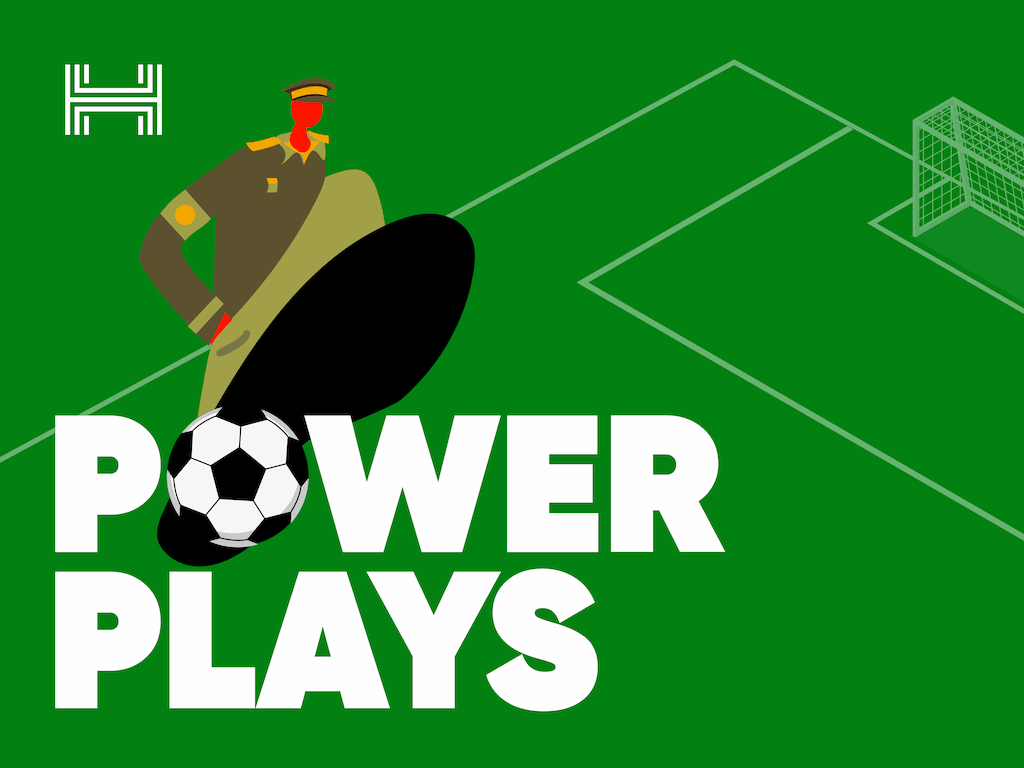
In the modern era, the lines between athletic excellence and geopolitical maneuvering have become increasingly blurred. While fans celebrate goals, record-breaking sprints, and championship rings, a more complex, often darker narrative is unfolding behind the scenes. A new investigative podcast, Power Plays, produced by the Human Rights Foundation and hosted by renowned sports journalist Karim Zidan, is peeling back the curtain on a phenomenon known as "sportswashing"—the strategic use of major sporting events to bolster the legitimacy of authoritarian regimes.
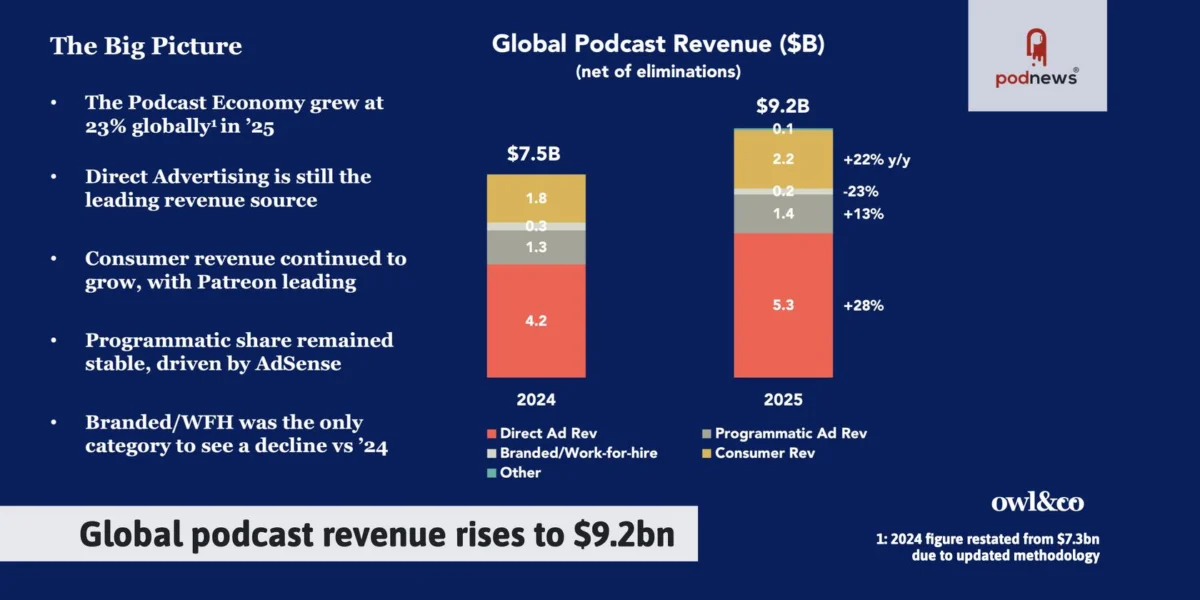
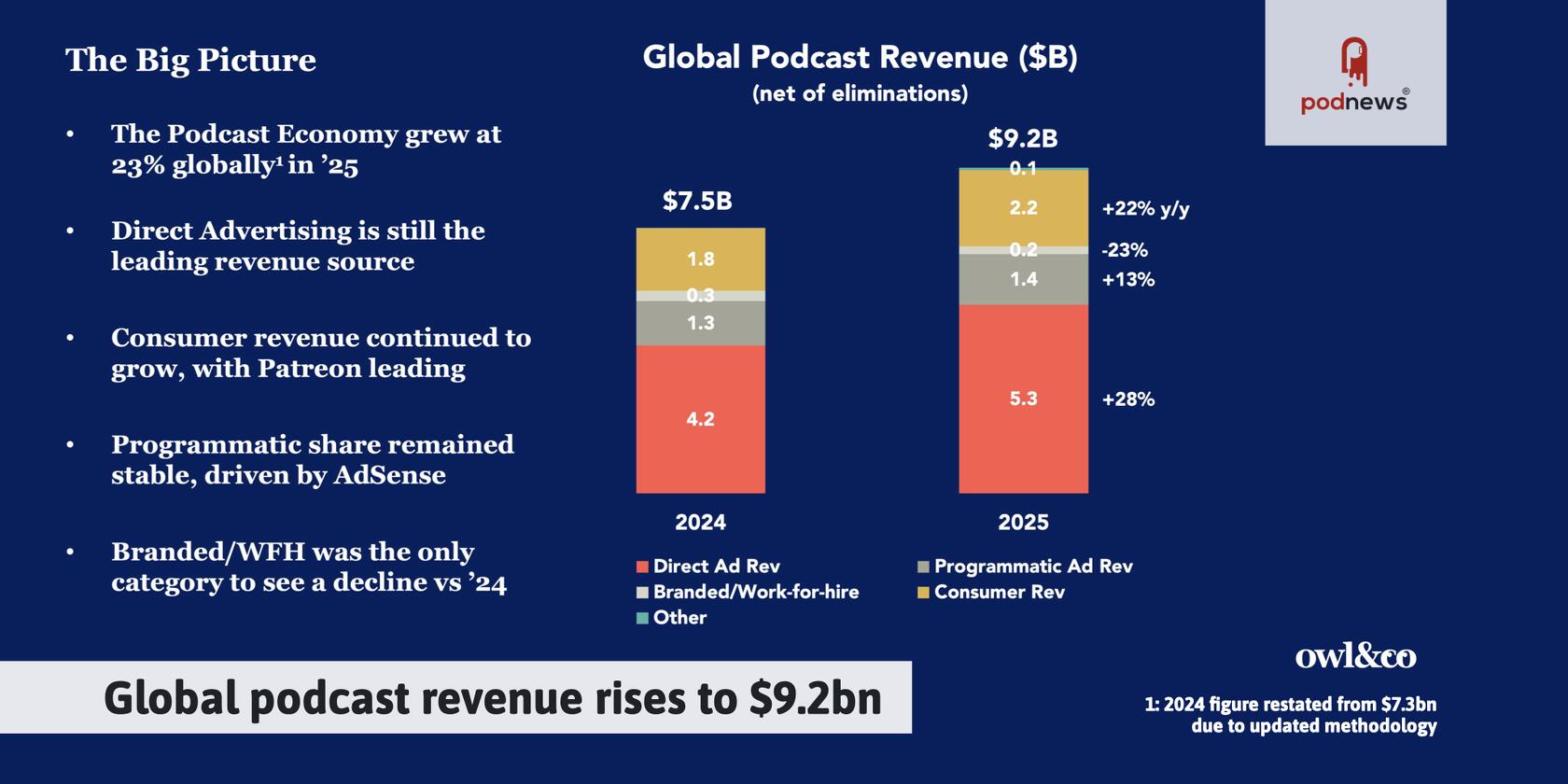
The premise of the series is simple but profound: "Behind your favorite sport, there is always something else at play." As global podcast revenue surges to an impressive $9.2 billion, platforms and creators are increasingly using the medium to examine how the world’s most popular pastimes are being hijacked by political actors to launder reputations, distract from human rights abuses, and exert soft power on the global stage.
The Chronology of Complicity: A Century of Exploitation
Power Plays does not merely offer a modern critique; it situates current events within a long, troubling history of state-sponsored exploitation. By tracing the evolution of the FIFA World Cup, the series highlights how the beautiful game has served as a canvas for dictators for nearly a century.
1934: The Fascist Blueprint
The investigation begins in Italy, where Benito Mussolini’s fascist regime hosted the 1934 World Cup. This was arguably the first modern instance of a state using the tournament as a propaganda engine to project an image of Italian strength and order to the world, effectively sanitizing the regime’s growing repression at home.
1978: The Junta’s Stage
The series then shifts to Argentina in 1978. While the military junta was busy orchestrating the "Dirty War," characterized by the systematic disappearance of political dissidents, the government poured massive resources into hosting the World Cup. The event provided a veneer of normalcy and nationalist fervor that masked the horrific reality of the regime’s human rights record.
2018: The Kleptocratic Police State
Moving into the 21st century, Zidan examines Russia’s hosting of the 2018 tournament. The event was utilized by the Kremlin to project an image of an open, modern Russia, successfully distracting the international community from the annexation of Crimea, the ongoing war in Donbas, and the domestic crackdown on civil liberties.

2022: The Monarchy’s Expansion
Perhaps the most scrutinized modern example, the 2022 Qatar World Cup, serves as a focal point for the podcast. Zidan meticulously documents how the monarchy leveraged the tournament to assert its global influence, all while building its infrastructure on the backs of exploited migrant workers. The stark contrast between the glitz of the stadiums and the plight of the labor force remains one of the most critical stories in modern sports history.
The Road Ahead: 2030 and 2034
The series concludes with a sobering look at the future. With the 2030 and 2034 World Cups slated for Morocco and Saudi Arabia, respectively, Power Plays warns that the trend of authoritarian hosting is not an anomaly, but a deliberate strategy. The podcast argues that these nations are not just hosting sports; they are investing in long-term geopolitical insurance policies.

Supporting Data and the Digital Landscape
The rise of investigative audio content like Power Plays coincides with a broader shift in the podcasting industry. With global revenues hitting $9.2 billion, podcasts have become the primary medium for long-form, investigative journalism that traditional broadcast media—often constrained by brevity or corporate pressures—frequently struggles to provide.
This influx of capital into the podcasting space has fostered a diverse ecosystem of high-quality investigative work. Alongside Power Plays, other influential programs are shaping the discourse. For instance, THE DAILY BLAST with Greg Sargent has become a vital source for political analysis, bridging the gap between legislative news and public understanding. Meanwhile, institutions like the Jimmy and Rosalynn Carter School for Peace and Conflict Resolution are launching series like Bridges & Beacons, which uses the medium to highlight the human side of complex international conflicts.

Moreover, the popularity of shows such as Staying Human with Dr. Vivek Murthy (a partnership with PRX) indicates that audiences are increasingly seeking content that provides intellectual depth, resilience, and actionable insight into the challenges of the 21st century.
Official Responses and Global Implications
The growth of sportswashing has not gone unchallenged. International human rights organizations, journalists, and a segment of the global athletic community have begun to demand greater accountability from governing bodies like FIFA and the International Olympic Committee (IOC).

Critics argue that by awarding hosting rights to authoritarian regimes without stringent human rights conditionalities, these organizations are effectively complicit in the normalization of autocracy. When a regime hosts a global event, they gain access to a "global stage" that would otherwise be closed to them. This visibility provides a massive PR boost, which can be used to attract foreign investment, normalize diplomatic relations, and silence domestic opposition.
However, the "official" stance from many of these sporting bodies remains rooted in the concept of "sports diplomacy"—the idea that hosting major events can lead to internal reforms and greater integration into the global community. Power Plays challenges this narrative, providing evidence that, in many cases, hosting has led to the opposite: a tightening of control and a temporary silencing of dissent in the name of national pride.

The Wider Impact: Beyond the Headlines
What makes Power Plays particularly compelling is its refusal to let the listener remain a passive observer. Zidan poses a fundamental question: "Whether you like football or geopolitics—whether you plan to watch the World Cup or turn it off in protest—these stories matter."
The implication is that the consumer of sports is also a participant in the geopolitical economy. Every ticket purchased, every advertisement viewed, and every social media interaction regarding these tournaments feeds into a system that values profit and image over human rights.

Implications for the Media
The media landscape is also undergoing a transformation. As trust in traditional news sources fluctuates, niche, high-production-value podcasts are becoming the new arbiters of truth. By combining the narrative flair of true crime with the rigorous standards of investigative journalism, programs like Power Plays are reaching demographics that might otherwise ignore complex geopolitical debates.
Implications for Future Host Cities
The series suggests that the success of future bids by authoritarian states will depend on their ability to manage the global "narrative." If the cost of hosting—measured in international condemnation and reputational damage—begins to outweigh the benefits of soft power, the model may eventually become unsustainable. However, as long as the world remains captivated by the spectacle of the World Cup, the allure for regimes to use sports as a tool for legitimacy will likely persist.

Conclusion: A Call for Critical Engagement
As the world looks toward the 2030 and 2034 World Cups, the need for informed, critical discourse has never been greater. Power Plays serves as a crucial resource, not just for sports fans, but for anyone concerned with the health of democracy and the influence of authoritarianism in the global arena.
The intersection of sports and politics is not a new development, but the scale at which it is currently being exploited is unprecedented. Through the lens of investigative audio journalism, we are reminded that behind the spectacle of the pitch lies a complex web of power, money, and human rights. As the industry continues to grow, it is the responsibility of the audience to remain vigilant, to question the motives of those who host our games, and to listen to the stories that occur far away from the bright lights of the stadium.

For those interested in understanding the hidden mechanisms of our modern world, Power Plays is an essential listen. It invites us to look past the scoreboard and consider the true cost of the games we play. By fostering a more informed and engaged public, we can begin to challenge the narratives that seek to use our collective passion for sports to mask the realities of political repression.
In an era of $9.2 billion in revenue and global connectivity, the power to define the narrative—and to demand accountability—remains in the hands of the listener. It is time to turn up the volume.
 Asep Darmawan
 Jia Lissa
 Neng Nana
