

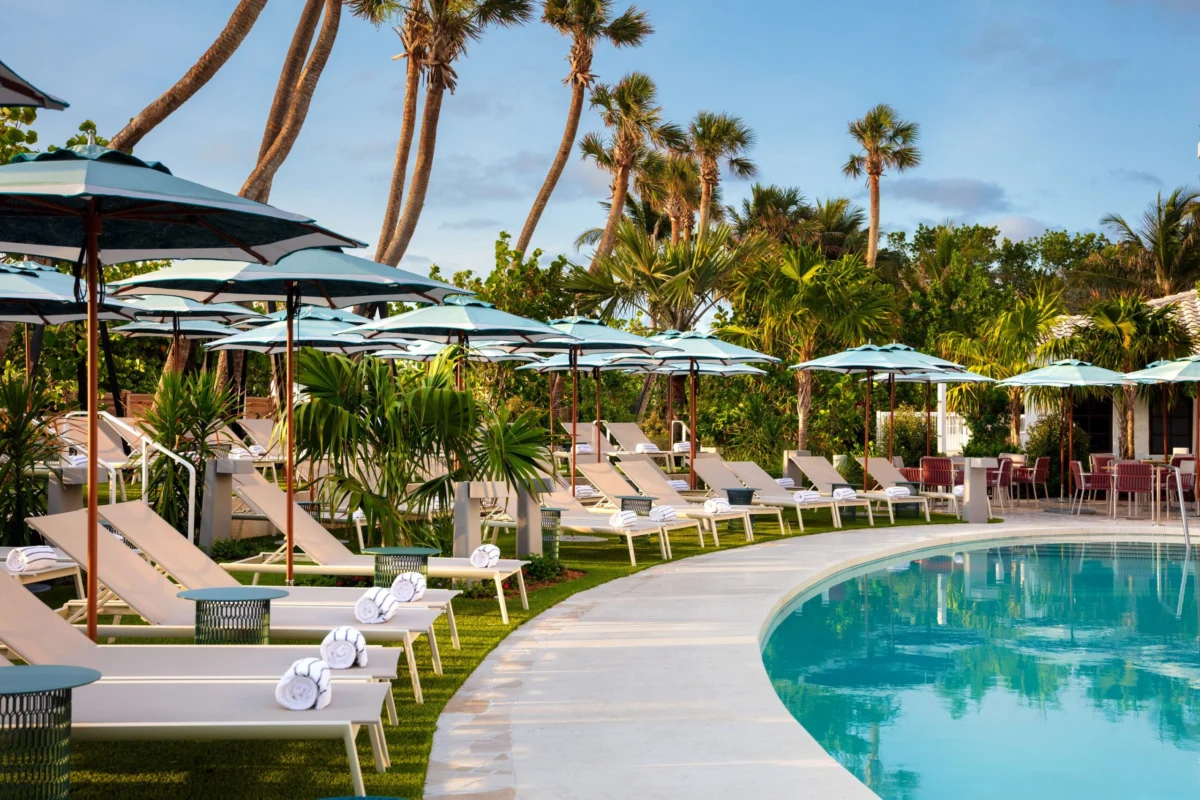
As a South Florida parent, I have experienced every side of Miami through endless hours of play—splashing in the turquoise surf, skipping through vibrant urban plazas, and wandering the halls of world-class institutions. A sense of adventure comes standard with parenthood, and in my nine-year career as a mom, I have only grown more fond of the "trial by fire" that is traveling with children. There is an undeniable magic in seeing a child’s eyes light up when they catch their first ocean wave or discover the sensory overload of a new culinary flavor. If the old adage is true—that we grow old only when we stop playing—then Miami serves as the ultimate fountain of youth for families.
The Miami Landscape: A Playground for Generations
Miami is a city defined by its infectious, high-octane energy and a unique architectural layout that lends itself to exploration. From the art-deco pedestrian streets of South Beach to the lush, bicycle-friendly pathways of Key Biscayne, the "Magic City" is perfectly designed for multigenerational groups.
However, traveling with children is rarely "easy." It is a logistical marathon of nap schedules, dietary requirements, and the constant search for entertainment that keeps everyone from toddlers to teenagers engaged. The key to a successful Miami vacation lies in the choice of base camp. The following insights explore how the right accommodation can transform a stressful trip into a seamless, elevated experience, prioritizing properties that offer trusted kids’ clubs, accessible dining, and amenities that cater to the family unit without sacrificing the sophisticated Miami aesthetic.
Chronology of a Perfect Family Escape
Planning a trip to Miami requires a strategic approach to timing and location. Understanding the ebb and flow of the city’s calendar is essential for families looking to avoid the chaotic peaks of the travel season.
The Seasonal Sweet Spot
While Miami is a year-round destination, the "when" is just as important as the "where."
- The Peak Dilemma: March is arguably the most temperate month, but it is also synonymous with the Spring Break rush. For families seeking a relaxed atmosphere, this is a time to avoid.
- The Goldilocks Window: February and late April provide the ideal balance. During these months, the humidity is manageable, the sun is consistent, and the crowds are composed of families and cultural travelers rather than the collegiate party demographic.
- The Off-Season Advantage: While summers bring heat and humidity, they also bring the best rates at luxury resorts. With proper planning—focusing on water-based activities and indoor museum days—summer can be an affordable, high-luxury experience.
A Typical Three-Day Itinerary
- Day One: Immersion in the Arts. Start at the Frost Museum of Science, where interactive exhibits engage children of all ages. Follow this with a trip to the Museum of Ice Cream for a tactile, sensory experience that is practically mandatory for a modern Miami trip.
- Day Two: The Atlantic Connection. Dedicate this day to the beach. Whether in Sunny Isles or South Beach, the ocean is the city’s greatest equalizer. Pack a sand-castle kit, bring a book, and let the rhythmic nature of the tide serve as the day’s anchor.
- Day Three: Cultural Exploration. Spend the day in a neighborhood like Coconut Grove or Coral Gables. These areas offer lush greenery and walkable streets that feel a world away from the neon lights of the city center.
Supporting Data: Why Neighborhoods Matter
Choosing where to stay is the most critical decision a parent makes. Data from tourism boards and visitor feedback consistently point to three distinct "vibes" in the Miami area:
1. South Beach: The Hub of Activity
For families who want to be in the center of the action, South Beach offers unparalleled walkability. You are steps away from iconic dining, shopping, and the ocean. The trade-off is the noise level, which is why selecting a hotel with robust soundproofing and family-oriented programming is non-negotiable.
2. Sunny Isles: The Quiet Sanctuary
Traveling a few miles north takes you to Sunny Isles. Here, the ocean remains the same, but the density of the crowds thins significantly. This is the preferred choice for families who want to maximize pool time and relaxation without the constant bustle of the South Beach art scene.
3. Key Biscayne: The Local Experience
A barrier island just off the mainland, Key Biscayne offers a suburban, local feel. It is highly recommended for families who prefer bicycle-friendly roads, public parks, and a slower pace of life. It provides a unique "island" experience while remaining close enough to visit the downtown museums.
Official Perspectives: The Philosophy of Family Hospitality
In our ongoing review of luxury accommodations, Condé Nast Traveler journalists emphasize that "family-friendly" no longer means brightly colored plastic slides in the lobby. The modern standard for luxury family travel involves a sophisticated integration of services.
The "Elevated Experience" Standard
When our editors evaluate properties, they look for specific markers:
- Service Integration: Are there concierge services that can book a babysitter as easily as a dinner reservation?
- Dining Versatility: Does the hotel offer an on-site restaurant that caters to picky eaters while still serving high-quality, local cuisine for the parents?
- Sustainability Credentials: Is the property actively engaging in ocean conservation? Educating children about the fragility of the local reef systems is a core component of the modern Miami experience.
"We prioritize properties that don’t dilute the experience for adults just to accommodate children," says one travel editor. "The best hotels are those that make the parents feel like they are still on a vacation, while the children feel like they are on an adventure."
Implications: The Future of Multi-Generational Travel
The trend toward "multigenerational travel" is rapidly changing the hospitality landscape in Miami. We are seeing a move away from the traditional "kids’ club" model—which often felt like a glorified daycare—toward "family-centric" programming.
Learning Through Play
Modern hotels are now partnering with local organizations. We are seeing partnerships with marine biologists at local resorts where children can learn about sea turtle nesting or mangrove restoration. This shift toward experiential learning is becoming a key differentiator for high-end resorts.
The Economic Impact
Families represent a significant portion of Miami’s tourism revenue. Consequently, we are seeing a shift in the city’s infrastructure. Improved public transit options, more pedestrian-only zones, and a surge in "edutainment" venues—such as the Superblue art space—are direct responses to the influx of families who demand more than just a pool and a beach.
The Psychological Benefit
The long-term implication of family travel is the shared narrative. In a world increasingly dominated by digital screens, the physical act of exploring Miami together—navigating a map, trying a new food, or building a sandcastle—creates foundational memories. As parents, we are not just booking a hotel; we are curating a formative experience.
Final Reflections
Miami is a city of layers. To the casual observer, it is a beach destination. To the parent, it is a classroom, a playground, and a space for connection. Whether you are navigating the high-energy streets of the Art Deco District or finding silence in the mangroves of Key Biscayne, the city rewards those who come prepared with a sense of wonder.
When you choose to stay at a property that respects the complexities of family life—providing the support needed to let your guard down—the "daily battles" of parenting begin to fade. In their place, you find the moments that truly matter: the laughter, the shared discovery, and the realization that while the kids may be growing up, you are never too old to play.
Plan your visit with intention, choose your home base with care, and embrace the chaos. Miami is waiting, and it is more than just a destination; it is an invitation to stay young, together.
 Sagoh
Sagoh
 Asro
Asro
