

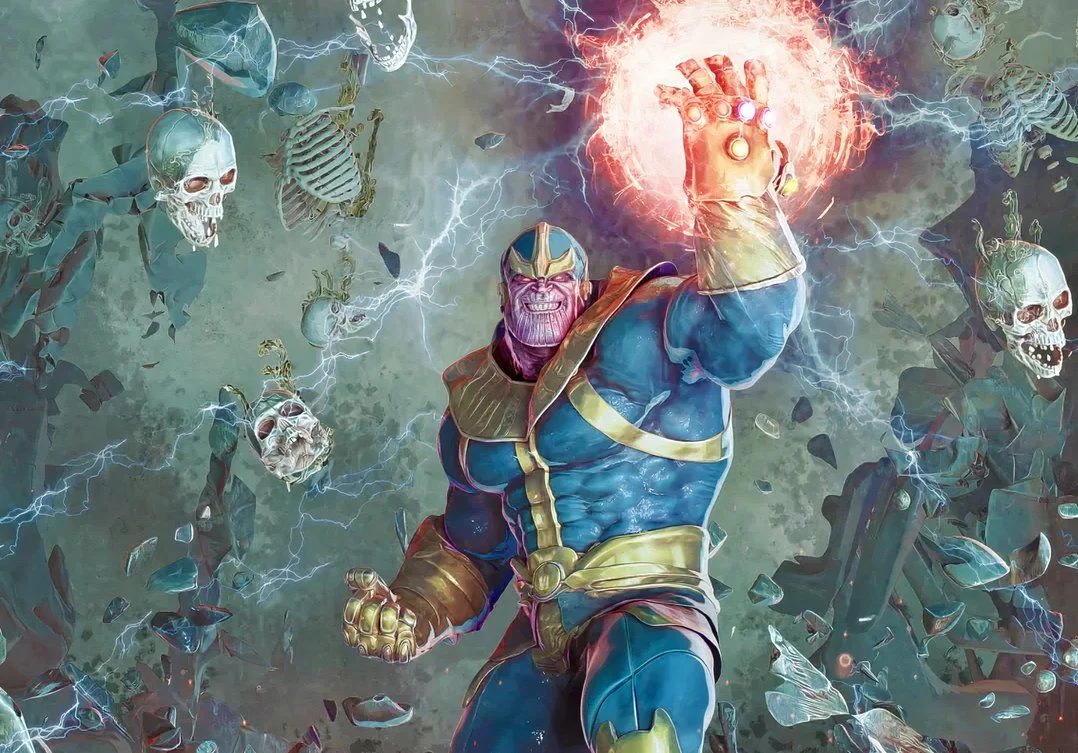
The intersection of two pop-culture juggernauts—Magic: The Gathering and the Marvel Universe—has long been a source of speculation and excitement. With the official release of the Marvel Super Heroes set, players were finally granted the chance to see how the Avengers, X-Men, and various villains translate into the mechanics of the world’s oldest trading card game. However, beyond the aesthetic appeal and the collector’s hype lies a complex, demanding Limited environment that is testing even the most seasoned veterans.
Recently, I had the opportunity to attend a major showcase event organized by Magic Barcelona, one of Europe’s premier card-trading hubs. What began as a quest for practice ahead of the upcoming MagicCon: Amsterdam turned into a profound masterclass in adaptability, deck-building intuition, and the evolving nature of the Magic Limited format.
The Setting: A Showcase of Icons and Strategy
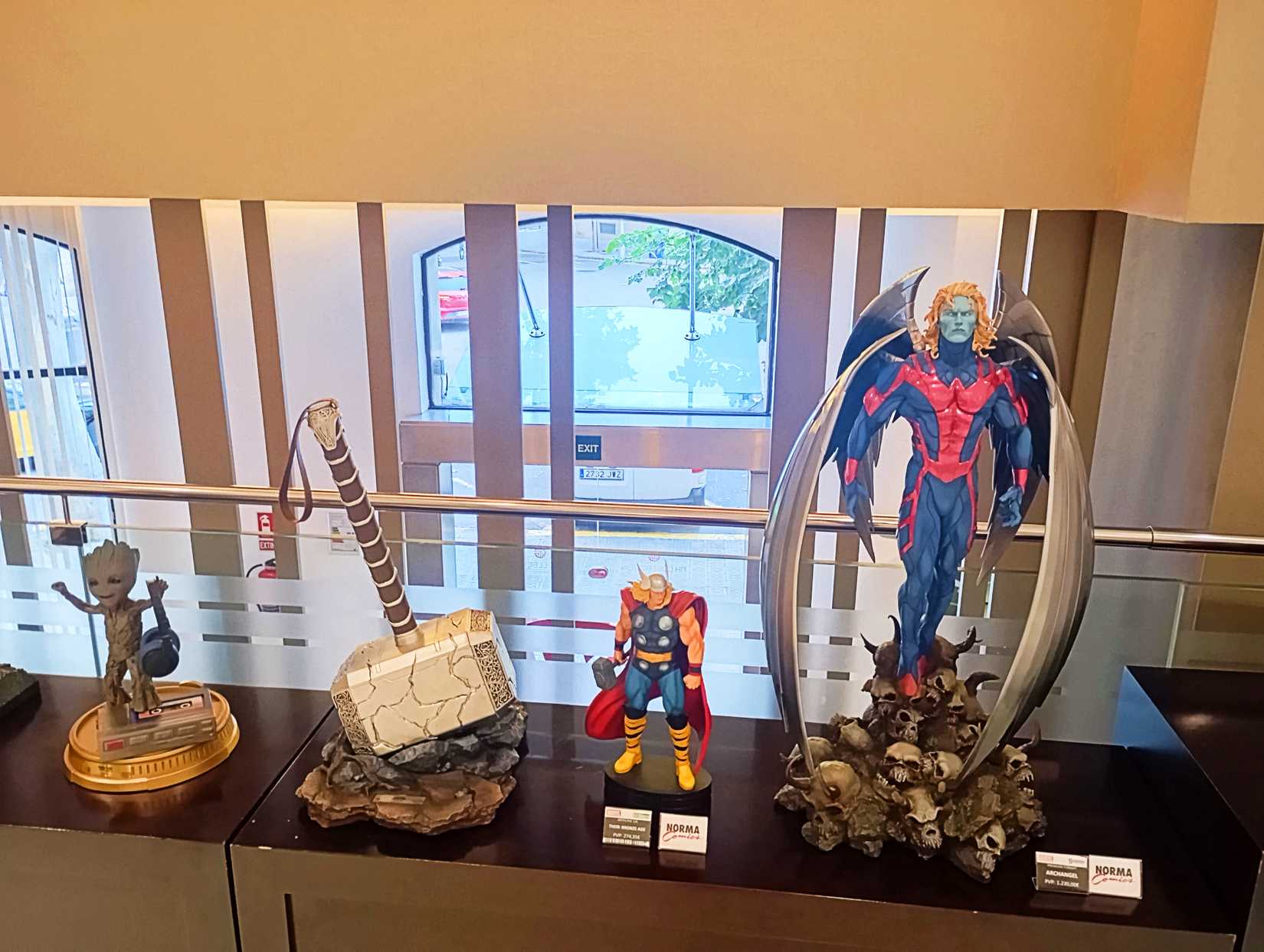
The event was more than just a tournament; it was a celebration of the Marvel Super Heroes expansion. Held at a high-end venue in the heart of Barcelona, the weekend featured everything from high-stakes Sealed tournaments and professional-grade cosplay to guest appearances by artists whose work defines the current era of Magic.
For many, the draw was the "win-a-box" Sealed event—a high-pressure environment designed to separate the casual fans from the competitive grinders. For me, it was a necessary crucible. After a lackluster performance during the Magic Arena early access period, I entered the weekend with significant apprehension. My initial experience with the set’s mechanics had been discouraging, leading me to question my own grasp of the set’s "power level."
Chronology of a Tournament Run: From Failure to Redemption
The weekend was characterized by a distinct shift in perspective. My initial foray into the Sealed format on Friday yielded a 3-1 record, though I attributed much of that success to sheer luck rather than technical prowess. My Black-Red "Villains" deck felt brittle, suffering from a lack of early-game board presence and an inability to close out games against more aggressive archetypes.
The Saturday Pivot
Saturday’s tournament began with a déjà vu moment: I opened a card pool that steered me once again toward Black-Red Villains. Predictably, the deck struggled. I lost the first match and forced a draw in the second. Had time permitted, the second match likely would have ended in a loss as well.

This proved to be the turning point. During the break between matches, I made the conscious decision to deconstruct my build. I realized that the Marvel Super Heroes set rewards tempo above all else. Success in this format is predicated on deploying efficient threats in the early game and protecting them with cheap, disruptive spells.
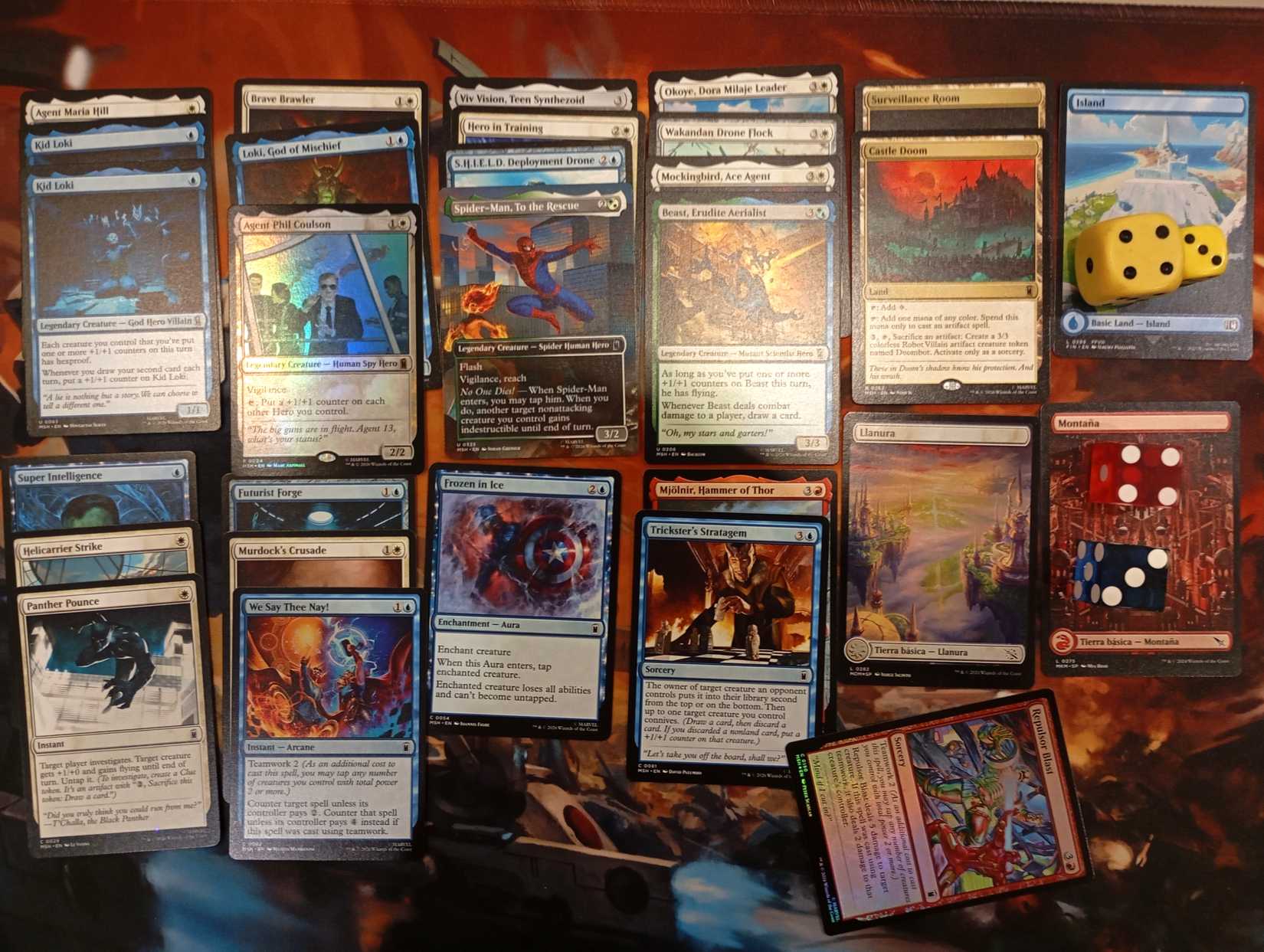
By discarding my "married" attachment to the initial build and restructuring the deck around high-tempo cards, I transformed a struggling list into a cohesive, albeit unconventional, machine. I leveraged cards like Agent Phil Coulson and the surprisingly potent Super Intelligence to force a series of wins, eventually pushing my record to 4-1-1 and securing a spot in the Top 8.
The Draft Experience
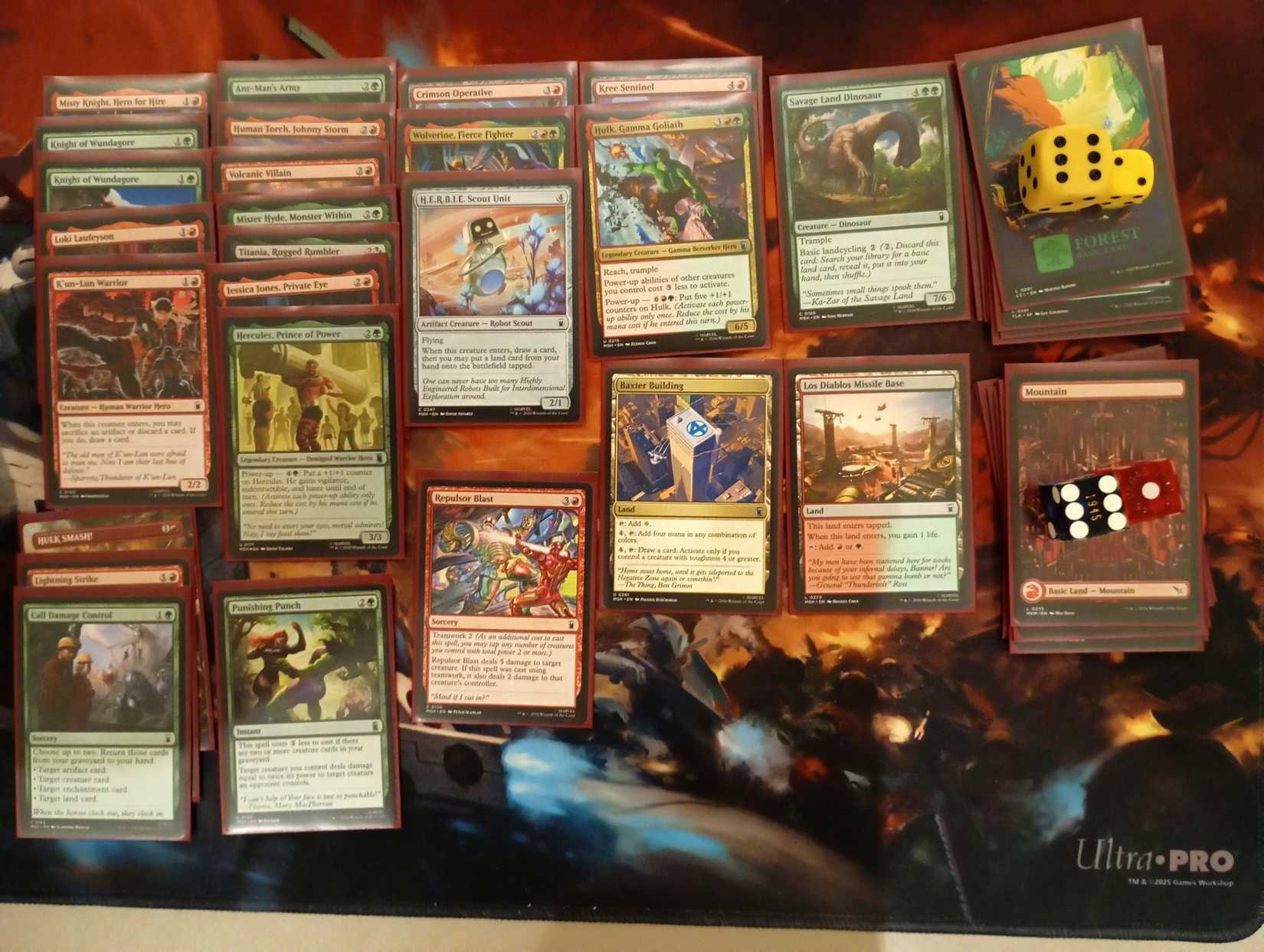
The Top 8 transition required a shift to the Draft format. The fatigue of a six-hour tournament clouded my judgment initially. I found myself drawn to high-power, high-cost cards like Hulk, Gamma Goliath, falling into the common trap of ignoring open lanes. I drafted a Red-Green "Power-up" deck that, while serviceable, was fighting for cards against three other players at the table.
Despite these tactical errors, the deck held up. By prioritizing utility cards like Misty Knight, Hero for Hire and Jessica Jones, Private Eye, I maintained a level of card advantage that carried me to the final round. In a show of mutual respect and exhaustion, my opponent and I agreed to a draw, splitting the prize pool and ending the evening at a local ice cream shop—a ritualistic reward for a grueling day of mental labor.
Supporting Data: Understanding the ‘Marvel’ Limited Meta
The Marvel Super Heroes set is, by all metrics, a fast-paced environment. Analysis of the games played during the Barcelona showcase suggests three key pillars for success in the current Limited meta:
- Tempo is King: The removal spells in this set are efficient, but the creatures are often more resilient than they appear. If you aren’t on the board by turn two or three, you are likely playing catch-up for the remainder of the game.
- The "Pivot" Principle: The set is deep with niche synergies. Players who remain rigid in their color choices after their first few packs are at a significant disadvantage. The ability to switch lanes during a draft or rebuild a pool entirely in Sealed is a skill that separates the top-tier players from the rest of the field.
- Card Selection vs. Raw Power: While the "bombs" (the most powerful cards) grab the headlines, the games I observed were consistently won by players who utilized card selection mechanics—such as the Baxter Building or various "scry" effects—to find the right answers at the right time.
Official Perspectives and Community Response
While Wizards of the Coast has not issued a formal "state of the meta" report, the sentiment from the community has been largely positive. Pro players, including notable figures like two-time World Champion Javier Dominguez, have noted that the set offers a higher degree of complexity than initially expected.
"The set demands that you understand your role in every matchup," one local player noted. "If you are playing a Villains deck, you aren’t just playing cards; you are managing a resource loop that requires perfect timing."
The integration of the Marvel IP has been handled with surprising mechanical depth. Rather than just "reskinning" existing mechanics, the design team has integrated hero-specific abilities that feel thematic. For instance, the way Kid Loki interacts with Super Intelligence to provide card draw and protection feels like a direct translation of the character’s trickster nature into Magic rules.
The Implications: Why This Matters for the Future of MTG
The success of the Marvel Super Heroes showcase highlights several critical trends for the future of Magic: The Gathering:
- The Universes Beyond Validity: The skepticism surrounding non-traditional Magic settings is waning. When a set is mechanically sound and provides a balanced Limited environment, the source material becomes secondary to the gameplay.
- The Evolution of Sealed Events: As players become more skilled, the "traditional" way of hosting Sealed tournaments is evolving. Organizers like Magic Barcelona are finding success by emphasizing the community aspect—cosplay, guest artists, and shared prizes—which keeps players engaged even when their decks don’t perform perfectly.
- The Skill Ceiling: The Marvel set proves that even in "crossover" sets, Wizards of the Coast is willing to push the complexity of Limited. This is a win for the competitive community, as it ensures that the game remains a test of skill rather than a purely casual experience.
Final Thoughts: A Lesson in Resilience
The most vital takeaway from my time in Barcelona was not found on a card, but in the process of losing and recalibrating. There is a common misconception that in high-level Magic, the deck does the work. In reality, the deck is merely a reflection of the player’s ability to adapt to a changing environment.
For those heading into their own local events, my advice is simple: Don’t be afraid to change your mind. If your deck feels suboptimal, look at your sideboard. If your draft lane is clogged, look for the open colors. And most importantly, do not let an early loss dictate your entire tournament.
The Marvel Super Heroes set is, against my own initial cynical expectations, a masterclass in Limited design. It is challenging, it is fun, and it is a testament to the fact that even thirty-plus years in, Magic: The Gathering still has the power to surprise us. As for me? I’ll be spending the next week practicing my drafting skills, keeping those lessons from Barcelona in mind. I may have been a skeptic, but Wizards of the Coast has once again proven that they know how to build a game that keeps us coming back for more.
 Basiran
 Nana Muazin
 Layla Zulfa
