

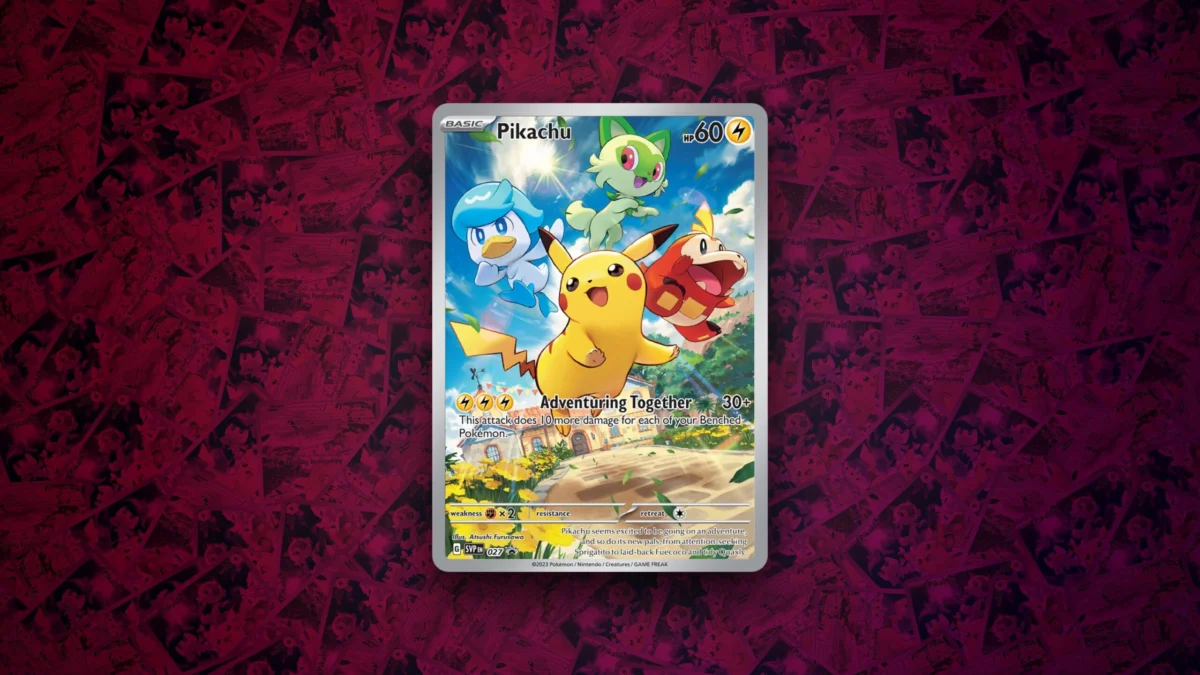
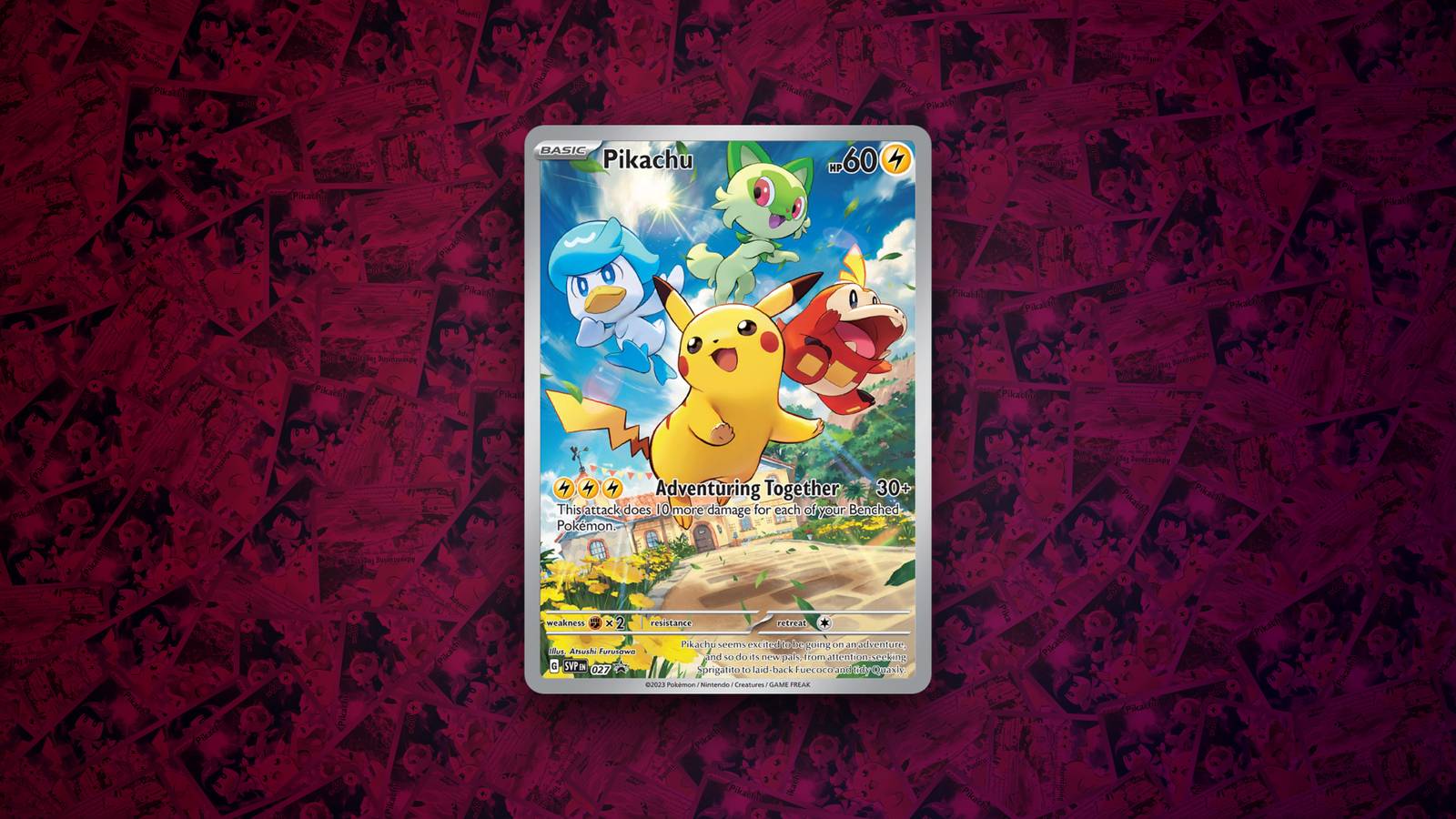
For millions of fans, the joy of the Pokémon Trading Card Game (TCG) has been eclipsed by a pervasive sense of frustration. The release of the First Partner Illustration Series 2—a collection intended to celebrate iconic starter Pokémon—should have been a moment of excitement. Instead, it became another case study in the current market’s failure. With a suggested retail price of $15.99, the set is already trading on secondary markets for upwards of $58. This is not an anomaly; it is the status quo.
As the Pokémon Company approaches its 30th anniversary, the industry faces a reckoning. The current retail model, characterized by "first-come, first-served" drops, has created a predatory environment where bots, scalpers, and bad actors thrive at the expense of genuine collectors. However, a potential solution has emerged from an unlikely source: Valve’s reservation system for the Steam Machine.
The Anatomy of a Market Crisis
The current landscape of the Pokémon TCG is, by all accounts, hostile to the average consumer. When a new set is announced, the ensuing frenzy is rarely about the art or the gameplay mechanics; it is about the "hunt."
Online product drops have become a battlefield. Sophisticated bot programs, designed to bypass checkout queues and security measures, "hammer" official retail websites the moment a product goes live. For the average human, the process of refreshing a browser tab is no match for automated scripts that complete a purchase in milliseconds.
This scarcity is exacerbated by physical retail volatility. Vending machines, once a reliable source for packs, are now frequently monitored by individuals who treat card hunting as a full-time, aggressive profession. There are documented instances of retail workers being harassed, followed, and intimidated by resellers looking to secure stock before it hits the shelves. This has forced major retailers like Target and Walmart to adopt defensive measures—such as staggering restock times, hiding products behind customer service counters, or, in extreme cases, slashing open product packaging to render the items less attractive to resellers.
A Chronology of Chaos
The degradation of the Pokémon TCG buying experience did not happen overnight. It is a byproduct of the massive spike in popularity during the COVID-19 pandemic, which saw the market value of vintage cards skyrocket.
- 2020–2021: The "Pandemic Boom" brings a massive influx of investors and speculators into the market. Retail shelves across North America begin to go empty as mass-buying becomes the norm.
- 2022: Major retailers implement strict purchase limits (e.g., "Limit 2 per customer"). Scalpers respond by organizing group buys, utilizing multiple shoppers to bypass individual limits.
- 2023: Reports of "backdoor" deals emerge, where retail employees are rumored to be setting aside stock for private resale. Trust in the retail chain hits an all-time low.
- 2024: The Pokémon Company begins experimenting with ID verification in Japan, requiring proof of identity to purchase new releases. This sets a precedent for global operations but proves difficult to implement in regions with different privacy laws and retail structures.
- 2025–2026: The current state of affairs, where secondary market prices often double or triple the MSRP within minutes of a product’s launch.
Supporting Data: The Economics of Scarcity
The disparity between MSRP and secondary market value creates a "profit gap" that fuels scalping. When an item retails for $16 but fetches $60 on eBay, the risk-to-reward ratio for a scalper is incredibly favorable.
Retailers are caught in a difficult position. Many local game stores (LGS) struggle to maintain inventory, as they are often forced to buy from distributors at rates that make selling at MSRP unsustainable. Meanwhile, big-box retailers like Target have resorted to extreme measures to mitigate the issue. According to various reports from the field, some locations have begun requesting government-issued IDs for card purchases, while others have moved inventory to high-security areas.
Despite these efforts, the "leaks" continue. Whether it is through internal collusion or simply the sheer volume of bot traffic, the demand for Pokémon cards continues to outstrip the supply, driving the market toward a state of volatility that threatens the hobby’s long-term health.
The Valve Solution: A Blueprint for Fairness
Valve Corporation recently unveiled its reservation system for the new Steam Machine hardware. This system was designed specifically to combat the exact type of scalping that has plagued the TCG market.

The mechanism is elegant in its simplicity:
- Extended Reservation Window: Rather than a "drop" at a specific second, Valve opens a window lasting several days. This removes the incentive for consumers to be "first" and allows the system to filter out bots.
- Account Validation: Valve utilizes established user account histories to verify that the buyer is a real person.
- Randomized Queuing: Once the window closes, the system assigns a randomized spot in the queue.
- Deterministic Fulfillment: As stock becomes available, the system notifies people on the waitlist. If a user declines, the opportunity passes to the next person in line.
"A launch that starts at a specific day and time tends to reward bots," Valve stated in a recent community announcement. By removing the "F5 refresh" culture, the system prioritizes accessibility over technical speed.
Implications for The Pokémon Company
If The Pokémon Company were to adopt a similar model, the impact would be seismic. Imagine an official app or portal where collectors could register interest in a new set over a 72-hour period. Instead of competing against automated scripts, fans would be entered into a fair, randomized, and authenticated queue.
The Benefits:
- Reduced Bot Efficacy: Verification steps, such as linking a valid Pokémon Trainer Club account with a history of activity, would make it exponentially harder for bot farms to register thousands of accounts.
- Market Stabilization: By ensuring that products reach actual fans at MSRP, the supply on the secondary market would be significantly reduced, causing resale prices to plummet and removing the incentive for scalpers.
- Consumer Goodwill: The current perception of the brand is suffering. Implementing a system that rewards fans rather than resellers would do wonders for restoring the company’s reputation.
The Challenges:
Of course, there are logistical hurdles. The Pokémon Company operates through a complex web of global retailers and distributors, unlike Valve, which manages much of its own distribution. Scaling a reservation system to include thousands of local retail partners would be a monumental technical challenge.

Furthermore, scalpers are notoriously adaptive. If a new system is implemented, they will inevitably find new ways to bypass it—be it by buying aged accounts or finding new loopholes in the verification process.
The Future of the Hobby
The upcoming 30th anniversary set is poised to be the most sought-after release in the franchise’s history. It represents three decades of memories, art, and competitive play. If the current trend continues, this historic release risks being completely inaccessible to the very audience it is meant to honor.
The Pokémon Company is already testing the waters, as seen with their recent prohibitions on the sale of graded slabs at official events and the implementation of ID checks in Japan. However, these are merely band-aids on a systemic wound.
The industry needs a fundamental shift in how it distributes its products. By looking toward models like Valve’s, the Pokémon Company has the opportunity to pivot away from the "survival of the fastest" culture and toward a more equitable future. The technology exists, the need is urgent, and the fans are waiting. The question remains: is the company willing to invest in the infrastructure necessary to protect its community from the very market its success created?
If the goal is to ensure that the next generation of Trainers can actually open a pack of cards without having to pay a 300% markup to a bot-wielding reseller, the time to act is now. The "Great Pokémon Card Drought" has lasted long enough; it is time for a change that puts the players back at the center of the game.
 Nana Muazin
 Layla Zulfa
 Basiran
