

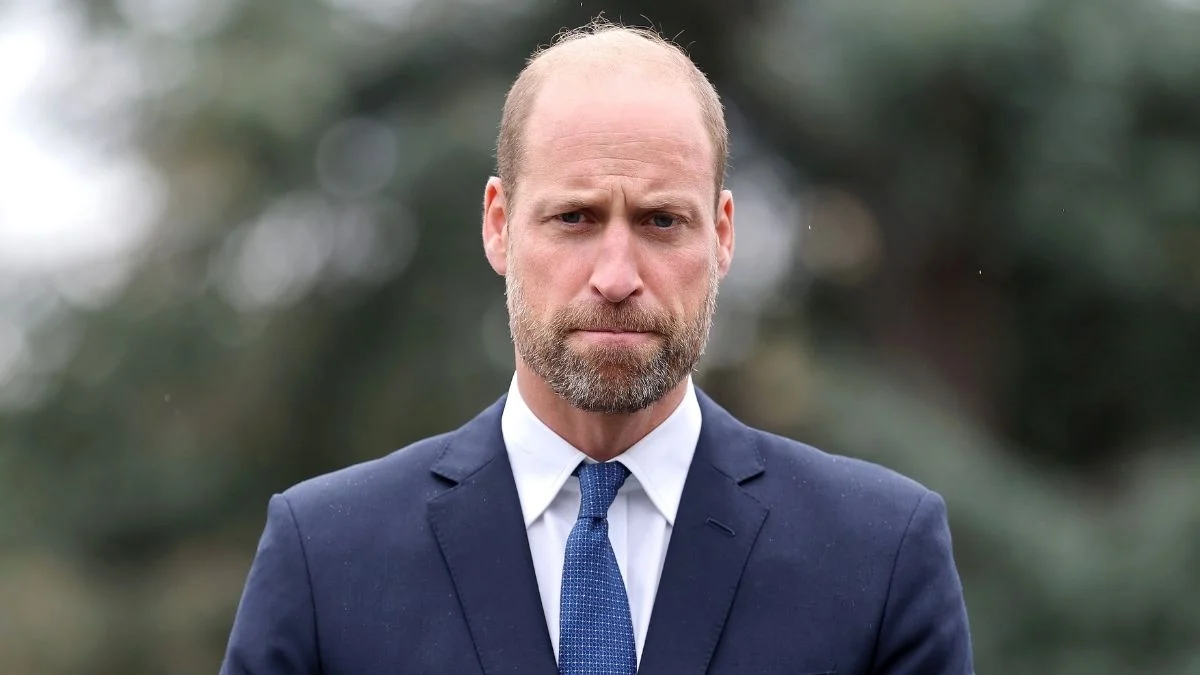
While the public image of the British Royal Family is often defined by grand state occasions, glittering galas, and high-profile international tours, a different, more grounded narrative has recently emerged regarding the Prince of Wales. Recent insights into Prince William’s schedule have shed light on a rigorous, often unseen itinerary dedicated to the management of the Duchy of Cornwall—a vast, historic estate that has become the cornerstone of his work as the heir to the throne.
The Quiet Architect: Prince William’s Hands-On Stewardship
For the 44-year-old Prince, the role of the 25th Duke of Cornwall is far from a ceremonial title. Since inheriting the estate upon the accession of King Charles III in 2022, William has embarked on a mission to modernize the Duchy while maintaining its traditional role as a pillar of rural British life.
Reports from The Telegraph have highlighted a consistent, quiet pattern in the Prince’s diary: he aims to visit a portion of the sprawling Duchy estate at least once every four to six weeks. These engagements are markedly different from his official royal duties. Rather than ribbon-cutting ceremonies or speeches before crowds, these visits are intimate affairs. They involve site walks, meetings with tenant farmers, conversations with local families, and direct inquiries into how the Duchy can better serve its constituents.
The Anatomy of the Duchy
To understand the scale of William’s responsibility, one must look at the geography of the Duchy. Encompassing more than 128,000 acres spread across 20 counties in England and Wales, the estate is a diverse portfolio of farmland, residential property, commercial developments, and even coastal regions. It is a complex ecosystem that requires a delicate balance between financial sustainability and social responsibility.
A Chronology of Commitment: From Inheritance to Active Management
The transition of the Duchy of Cornwall from the stewardship of the then-Prince Charles to Prince William was a significant moment in the modernization of the monarchy.
The Transition (2022)
When William assumed the title of Duke of Cornwall in September 2022, he did not merely take over a ledger of assets; he inherited a philosophy of stewardship. Having shadowed his father for years, William was well-versed in the Duchy’s ethos: "Servant to the land, servant to the people."
Building Momentum (2023–2024)
Throughout 2023, William began asserting his own vision for the estate. This period saw the strengthening of partnerships with agricultural charities and a concerted push toward sustainable land management. His visit to Folly Farm in Somerset served as a high-water mark for this era, where he was seen engaging with young farmers alongside television personalities from Clarkson’s Farm. This event was not merely a photo opportunity; it was a strategic effort to bridge the gap between traditional farming practices and the modern challenges of agricultural viability.
The Current Landscape (2025)
As of the 2024–2025 financial year, the Duchy has reached a new level of operational sophistication. William’s influence is now felt through a blend of traditional site visits and modern communication tools. He maintains a constant dialogue with Duchy staff via encrypted messaging services like WhatsApp and regularly records video interventions for projects that he cannot attend in person.
Supporting Data: The Financial and Social Engine
The Duchy of Cornwall is not just a collection of land; it is a significant financial entity. In the most recent financial report, the estate generated a private income surplus of £22.9 million. These funds are vital to the functioning of the Prince’s household, covering the official, charitable, and private expenses for Prince William, Princess Kate, and their three children.
However, the raw financial data tells only half the story. The Duchy’s true impact is often measured in its social output.
Mental Health and Rural Support
One of the most significant initiatives under William’s patronage is his support for We Are Farming Minds. This organization, backed by the Duchy, provides critical mental health resources to farmers—a demographic notoriously prone to isolation and high-stress environments. By integrating this support into the Duchy’s operations, William has demonstrated a commitment to the "human infrastructure" of his estate.
Strategic Investments
The estate’s long-term vision is guided by Duchy chief executive Will Bax, who has emphasized a philosophy of "positive impact." According to Bax, the Duchy only commits to projects that align with clear social and environmental benchmarks. "Where there is social need and where there is environmental challenge and where there is an opportunity to enable change, then we’ll be a great partner in working with people to achieve that," Bax told The Times.
Official Responses and the "Silent" Strategy
The nature of Prince William’s visits—often private, rarely listed in the official Court Circular—has drawn attention for its efficiency. Royal observers note that the Prince has cultivated a "shadow" management style, where the focus remains on the work rather than the fanfare.
This approach is deliberate. Local communities within the Duchy have grown accustomed to these "royal comings and goings," treating them with a level of normalcy that allows for genuine, unfiltered feedback. By removing the media spotlight, the Prince is able to ask difficult questions, hear frank opinions from his tenants, and identify inefficiencies that would likely be obscured by the presence of a press corps.
Implications: The Future of the Monarchy
The implications of William’s hands-on management style are significant for the future of the British monarchy. As the institution faces ongoing debates about its relevance and transparency, the Duchy of Cornwall provides a concrete example of a "working" monarchy.
Modernization vs. Tradition
William is successfully navigating the tension between maintaining the ancient customs associated with the Duchy and implementing the digital and environmental updates required in the 21st century. His use of technology—WhatsApp groups, video messages, and data-driven impact assessments—shows a leader who is comfortable with modern management practices.
The "Visible Heir" Paradox
There is a fascinating paradox in William’s current approach: he is becoming more visible to the people who work on his land, while remaining less visible to the public at large. This suggests a strategic shift in his priorities. By focusing on the "back-end" of the Duchy, he is strengthening the economic foundations of his future reign.
Strengthening the Foundation
The financial stability provided by the £22.9 million surplus allows the Prince to pursue charitable endeavors with a degree of independence that is essential for a future monarch. It grants him the freedom to champion causes—such as mental health and sustainable farming—without the constant need to justify the funding behind them.
Conclusion
Prince William’s work with the Duchy of Cornwall is an exercise in long-term legacy building. While the public may occasionally catch a glimpse of the Prince in a muddy field in Somerset or chatting with farmers in Cornwall, the reality of his role is far more consistent and rigorous.
He is no longer just a figurehead; he is an active administrator of one of the most significant private estates in the United Kingdom. By prioritizing direct engagement with the people who inhabit and work the land, he is ensuring that the Duchy of Cornwall remains a relevant, sustainable, and socially conscious entity.
As he prepares for his future role as King, the lessons he is learning—and the relationships he is building—on these quiet, under-the-radar trips will likely serve as the bedrock of his sovereignty. In an era where the public demands authenticity and tangible results, the Prince of Wales has found a way to deliver both, one private visit at a time. Through this quiet, methodical approach, Prince William is not just managing an estate; he is defining what it means to be a modern heir to the British throne.
 Neng Nana
 Nana
Nana
