

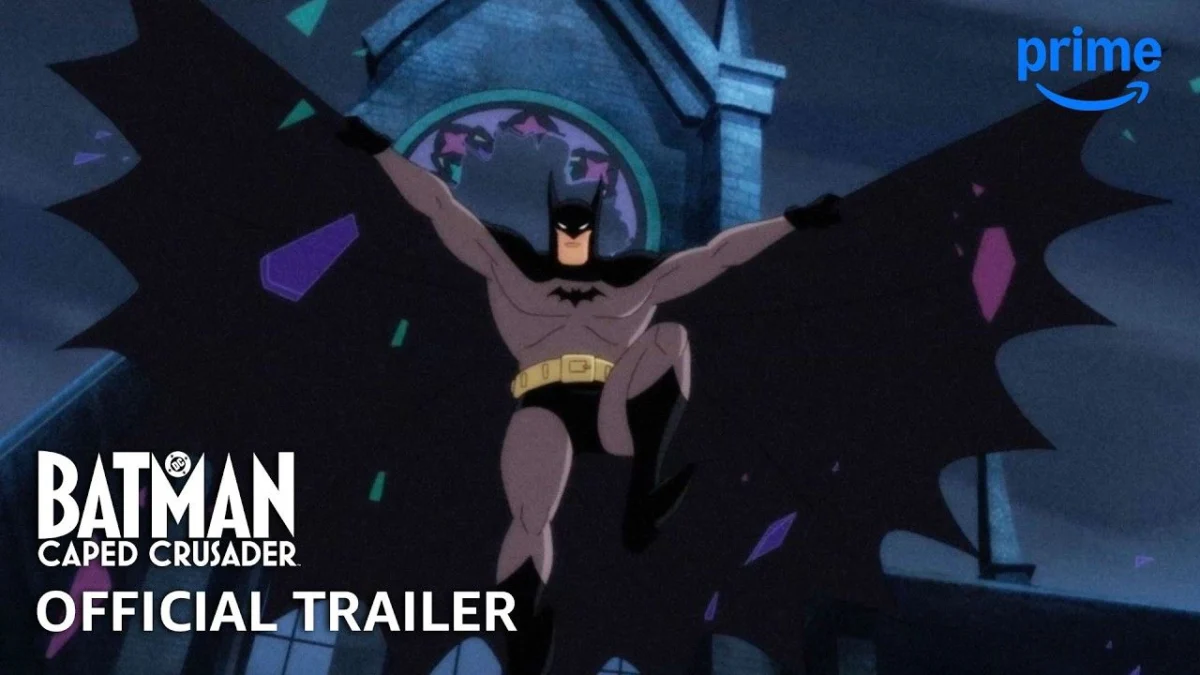
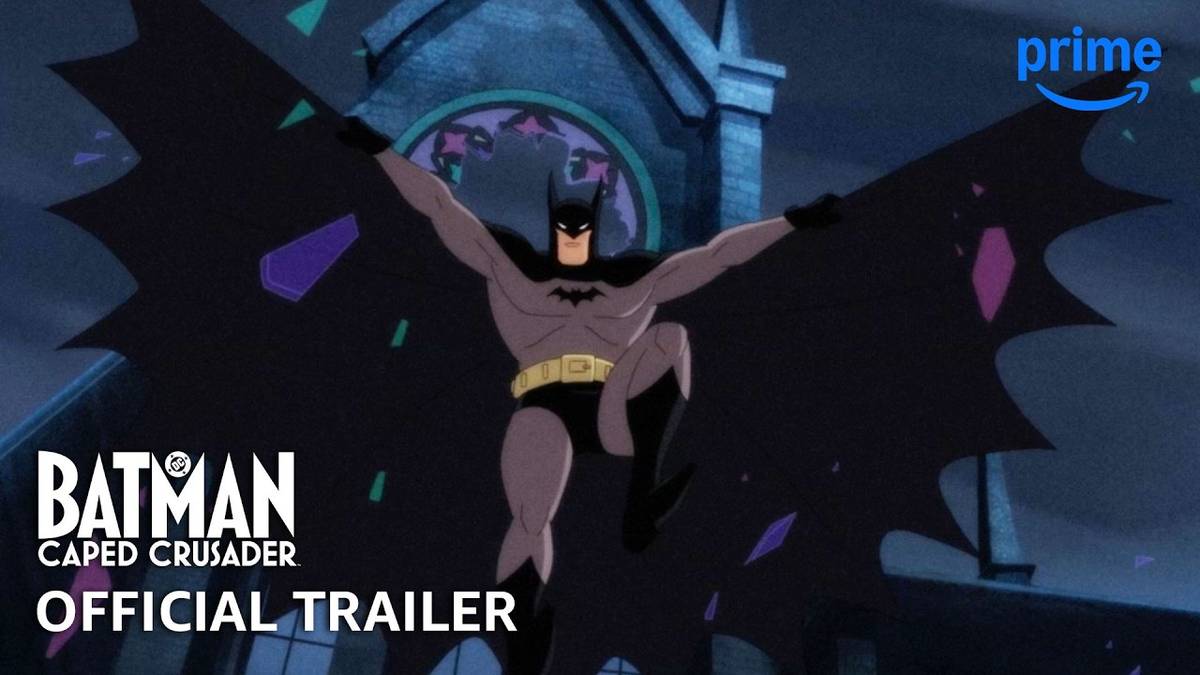
As the landscape of animated superhero storytelling undergoes a radical transformation, Prime Video has set its sights on the dark, stylized streets of Gotham City. On June 24, 2026, during the prestigious Annecy International Animation Film Festival, producers unveiled the highly anticipated trailer for the second season of Batman: Caped Crusader. Executive produced by industry titans Matt Reeves, J.J. Abrams, and the legendary Bruce Timm, the series is poised to cement its status as the definitive spiritual successor to the iconic Batman: The Animated Series.
With the premiere date confirmed for July 31, 2026, the second season promises a darker, more experimental exploration of the Dark Knight’s rogue’s gallery. Central to this new chapter is a reimagined Riddler, alongside a chilling expansion of the Joker’s narrative arc, signaling that the series is far from finished with its bold reinterpretations of DC’s most famous icons.
The Main Facts: A Shift in Gotham’s Criminal Hierarchy
The primary narrative thrust of Batman: Caped Crusader Season 2 centers on the rise of Edward Nygma—the Riddler. Unlike the cerebral, cat-and-mouse iteration seen in recent live-action adaptations, the Caped Crusader version of the character is depicted as a ruthless mob-adjacent mastermind. His objective is singular and brutal: the systematic dismantling of Batman’s influence to allow for his own unchecked dominance over Gotham’s underworld.
The trailer showcased at Annecy confirms that Nygma will not be working alone. He has formed a tactical, if volatile, alliance with Poison Ivy. The footage provided a brief but menacing look at the botanical villainess, who appears to be weaponizing her toxic chemistry in ways that threaten the very foundation of Gotham’s elite.
Furthermore, the season is confirmed to consist of 10 episodes, all of which will drop simultaneously on Prime Video. This "binge-model" release strategy suggests that showrunners Bruce Timm and James Tucker intend for the season to be consumed as a singular, cohesive graphic novel-style experience.
Chronology of Development: From Concept to Screen
To understand the weight of this announcement, one must look at the evolution of the project. The journey of Batman: Caped Crusader began with a tumultuous transition. Initially developed for Max, the series was caught in the crossfire of Warner Bros. Discovery’s restructuring in 2022. Its subsequent move to Prime Video was viewed by industry analysts as a major win for Amazon’s expanding animation slate.
- 2022: The series is announced as a collaboration between Bruce Timm, Matt Reeves, and J.J. Abrams, aiming to recapture the noir-infused aesthetic of the 1990s animation era.
- August 2024: The first season premieres to widespread critical acclaim, lauded for its commitment to a 1940s-inspired "pulp" detective tone and its willingness to gender-swap or fundamentally alter the origins of core characters.
- June 2026: At the Annecy Festival, the production team provides a definitive look at Season 2, shifting the focus from the procedural introductions of Season 1 to a more interconnected, long-form criminal conspiracy led by the Riddler.
Supporting Data: Reimagining the Rogue’s Gallery
The strength of Caped Crusader lies in its subversion of fan expectations. Producers Bruce Timm and James Tucker have established a creative mandate that prioritizes narrative freshness over rigid comic-book adherence.
The Evolution of Established Villains
- The Riddler: By framing him as a "gangster-intellectual," the show moves away from the "gimmick-heavy" versions of the past, focusing instead on his capacity for political and social manipulation.
- The Joker: Having made a cryptic, peripheral appearance in Season 1, the Joker is now confirmed to play a pivotal role. A first-look image released alongside the trailer depicts the Joker lurking within a high-end apartment, overlooking a victim suffering from his trademark toxin—a visual nod to the classic "smile" motif that remains a staple of the character’s terrifying legacy.
- The Mad Hatter: In a modern meta-commentary, this version of Jervis Tetch is not just a kidnapper, but a television personality hosting Hattie’s Tea Party. He uses his platform to manipulate public sentiment, turning the populace against Batman. This reflects a shift toward exploring how media and populism can be used as tools of villainy in Gotham.
- Harley Quinn: Building on her established independence, Harley continues to serve as the show’s psychological anchor, persistently questioning the sanity of both Batman and the city he protects.
Secondary Threats
The season will also feature deep-cut antagonists such as Firefly, Man-Bat, and Solomon Grundy. By cycling through these characters with a distinct visual style—often leaning into the shadows and the sharp, angular character designs popularized by the noir movement—the show maintains a sense of constant, unpredictable danger.
Official Responses and Creative Vision
Matt Reeves, whose work on the live-action The Batman film established a gritty, detective-first aesthetic, has been instrumental in ensuring that Caped Crusader maintains a similar level of gravitas. In previous statements, the production team emphasized that their goal was not to replicate the past, but to pay homage to the spirit of the original comics.
"We aren’t just adapting stories; we are adapting the feeling of being a detective in a city that doesn’t want to be saved," noted Bruce Timm during a roundtable discussion. The decision to remove the Joker from Harley Quinn’s origin story in the first season was a deliberate choice to provide Harley with the agency she lacked in traditional iterations, and Season 2 continues this trend of empowering characters through departure from canon.
The involvement of J.J. Abrams adds a layer of cinematic scale to the production. His focus on "mystery boxes"—narrative elements that keep the audience guessing—is clearly reflected in the upcoming season’s serialized plot regarding the Riddler’s rise.
Implications: The Future of DC Animation
The success of Batman: Caped Crusader represents a pivotal moment for DC’s presence on streaming platforms. By allowing creators like Timm and Reeves to take "fresh spins" on classic lore, Warner Bros. and Amazon are proving that there is a massive, underserved market for mature, high-concept animation.
Impact on the DC Universe (DCU)
The "Caped Crusader" brand acts as a crucial counterweight to the more expansive, interconnected DCU projects led by James Gunn. While the main cinematic universe focuses on shared continuity and high-stakes action, Caped Crusader offers a self-contained, atmospheric experience that can exist outside the bounds of traditional continuity. This "Elseworlds-style" approach allows for greater creative freedom, enabling the writers to take risks—like the gender-flipping of the Penguin—that might be harder to execute in the live-action films.
The "Detective" Renaissance
The return of the Riddler as the primary threat, combined with the noir aesthetic, underscores a growing trend in the superhero genre: the "Detective Renaissance." Audiences are increasingly drawn to stories that emphasize the "World’s Greatest Detective" aspect of Batman rather than his role as a brawler. By grounding the show in the psychological toll of the job, Caped Crusader challenges the audience to view Batman not as a god-like figure, but as a fallible human struggling to hold back the tide of madness.
Conclusion: A City on the Brink
As the July 31 premiere date approaches, the anticipation surrounding Batman: Caped Crusader is palpable. The transition of the Riddler from a puzzle-maker to a mob kingpin, the looming presence of a more sadistic Joker, and the continued deconstruction of Gotham’s social fabric ensure that this season will be a landmark event in the character’s animated history.
The series stands as a testament to the versatility of the Batman mythos. It does not need to reinvent the wheel to remain relevant; it simply needs to rotate the lens, casting new light on the dark corners of Gotham and the monsters that reside there. Whether the Riddler succeeds in his quest to dominate the city, or whether the Joker’s dark promises to "show Batman who he really is" come to fruition, remains to be seen. However, one thing is certain: Gotham is changing, and the Caped Crusader will have to be sharper than ever to survive the night.
With 10 episodes on the horizon, the stage is set for a masterclass in noir animation, proving that even after decades of storytelling, the shadows of Gotham still have plenty of secrets left to reveal.
 Basiran
 Nana Muazin
 Layla Zulfa
